
Main Courses
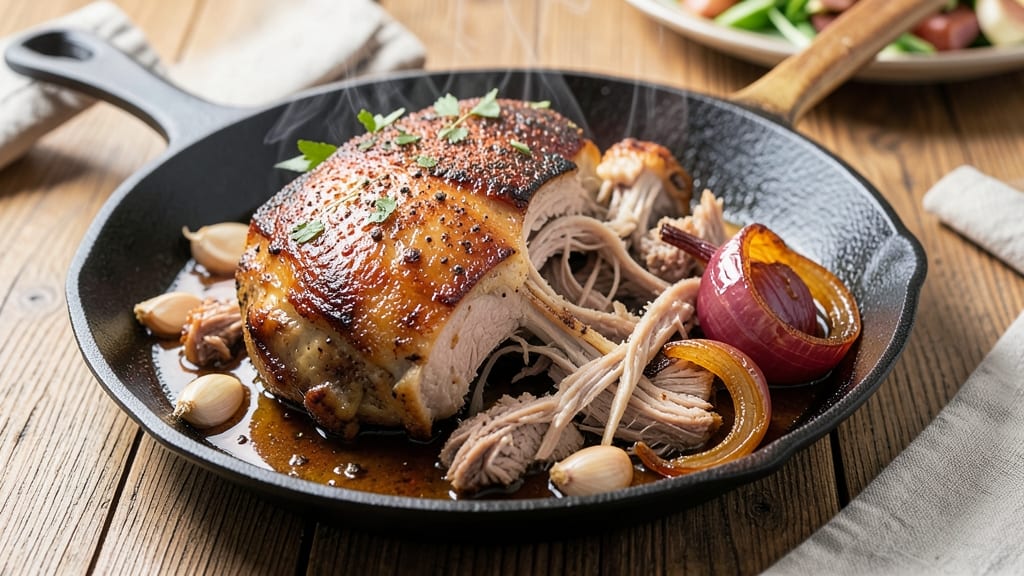
This bone-in pork shoulder pulled pork recipe delivers restaurant-quality results with a smoky bark that cracks like thunder and shatterproof shreds that fall apart at the touch. 🔥 I've perfected this technique after years of competing in BBQ championships, and it's the one recipe I make when I want to impress without spending hours in the kitchen.
The bone-in cut adds depth of flavor that boneless simply can't match, while the slow cooking process transforms tough meat into melt-in-your-mouth perfection.
The secret lies in the three-stage cooking process: first searing the meat to lock in juices, then slow-smoking it until the bark develops that coveted crackle, and finally finishing it in the oven for tender, pull-apart texture.
I use a simple but bold spice rub that balances sweet, smoky, and spicy notes—just enough to create a flavor bomb without overpowering the natural richness of the pork. This method works beautifully on any grill, smoker, or even a slow cooker if you're short on time.
By the time you're done, you'll have pork so tender it practically shreds itself when you touch it, with a crusty, caramelized exterior that's impossible to resist. The bone-in cut infuses the surrounding meat with rich, gelatinous juices, creating a dish that's deeply flavorful in every bite.
Serve it piled high on buns with tangy coleslaw and buttery cornbread for the full Southern BBQ experience.
Whether you're feeding a crowd for a weekend gathering or treating yourself to a special meal, this recipe delivers restaurant-quality results with minimal effort. The beauty of this method is its versatility—use it for sandwiches, tacos, or even as a hearty main course with all the fixings.
Let's get started on creating pork shoulder so good, it'll have everyone asking for seconds.
Ingredients for bone in pork shoulder pulled pork
Eight ingredients transform tough pork into melt-in-your-mouth perfection with that coveted smoky bark.
| Ingredient | Amount | Notes |
|---|---|---|
| Bone-In Pork Shoulder 🐖 | 6 lb | With fat cap intact for flavor |
| Yellow Onion 🧅 | 2 whole | Quartered, skin on for color |
| Garlic Cloves 🧄 | 8 cloves | Smashed for deeper flavor |
| Brown Sugar 🍚 | ½ cup | Light or dark variety |
| Smoked Paprika 🌶️ | 2 tbsp | For authentic BBQ smokiness |
| Ground Black Pepper 🌶️ | 1 ½ tbsp | Freshly cracked preferred |
| Kosher Salt 🧂 | 2 tbsp | Diamond Crystal preferred |
| Apple Cider Vinegar 🍎 | ¼ cup | For tenderizing and tang |
| Yellow Mustard 🟡 | 2 tbsp | Dijon or whole-grain preferred |
| Olive Oil 🫒 | ¼ cup | For searing and basting |
| Apple Wood Chips 🌳 | 2 cups | Or hickory for stronger smoke |
| Beer 🍺 | 1 cup | Light lager or ale preferred |
| Chicken Broth 🥄 | 1 cup | Low-sodium preferred |
The pork shoulder is everything here—bone-in for maximum flavor, fat cap for moisture. Trader Joe's and Costco carry excellent cuts, but ask for a well-marbled shoulder with visible fat. The fat renders down during cooking, creating a sauce that clings to every bite. Look for a cut that's about 2 inches thick at its fattest point—this ensures good bark development. If your pork shoulder has a thick fat cap, trim it to about 1/4-inch thickness so it crisps up nicely during the bark phase. The bone-in cut also adds depth of flavor that boneless simply can't match, so don't skip it.
No smoked paprika? Regular paprika plus a pinch of liquid smoke works in a pinch, though the flavor won't be quite the same. The apple cider vinegar might seem like an odd addition, but it tenderizes the meat and adds a subtle tang that balances the sweetness. Substitute lemon juice if you're out, but apple cider has that perfect BBQ vibe. Beer is optional but recommended—it adds depth and helps break down the meat fibers. If you skip it, just add an extra 1/4 cup of chicken broth. The mustard might seem like overkill, but it helps cut through the richness and adds a subtle complexity. For the wood chips, apple gives you that classic BBQ flavor, but hickory or cherry both work beautifully.
This pork keeps beautifully—3-4 days in the fridge, 3 months frozen. The flavor actually improves after a day or two as everything melds together. I like to portion it into quart-sized containers so it's ready for quick sandwiches or tacos. For leftovers, reheat slowly in a saucepan with a splash of broth or beer to keep it moist. The bark gets even more intense the next day, so embrace it. If you're making this ahead for a party, cook it completely through, then refrigerate. The meat will pull apart even more easily after chilling, and you can reheat it gently before serving.
Why You'll Love This Recipe
- Hands-Off Magic: I swear, this recipe is the closest thing to cooking while watching TV. The bone-in shoulder stays juicy and tender with just a little attention—no babysitting required. Between us, I’ve burned a slow cooker once, but this? Set it and forget it.
- Sweet-Smoky Bomb: That combo of brown sugar and smoked paprika? It’s like a hug in flavor. The caramelized onions and garlic cloves melt into the meat, giving you that perfect balance of sweet, smoky, and savory. Honestly, the first time I tasted it, I nearly licked the spoon.
- Leftovers That Don’t Suck: Let’s be real—most pulled pork leftovers are sad. Not this. The meat stays moist, and the flavors only get better the next day. I’ve turned it into tacos, sandwiches, and even a breakfast hash. (Yes, even on a Tuesday night.)
- Budget-Friendly Crowd-Pleaser: A bone-in pork shoulder is cheaper than pre-cut pork chops, and it feeds a houseful. I’ve used it for game day snacks, family dinners, and even potlucks. Plus, the bones? They’re perfect for broth later. Not the prettiest, but the taste makes up for it.
Step-by-step instructions for smoky pulled pork
Here's how to transform a tough pork shoulder into fall-apart tender pulled pork with perfect bark.
🔥 Step 1: Season and Sear the Pork Shoulder
Start by patting the 6 lb bone-in pork shoulder completely dry with paper towels—this ensures maximum crispiness. In a large bowl, mix together the 0.5 cup brown sugar, 2 tbsp smoked paprika, 1.5 tbsp ground black pepper, and 2 tbsp kosher salt. Rub this mixture all over the pork, pressing it into the meat and fat cap. Let it sit at room temperature for 30 minutes while you prep the rest.
Heat a large Dutch oven over medium-high heat and add the 0.25 cup olive oil. Once shimmering, add the pork shoulder fat-side down and sear for 8-10 minutes until the fat renders and the skin develops a deep golden crust. Flip and sear the other side for another 5-7 minutes. This initial sear locks in juices and builds that essential smoky bark.
🍳 Step 2: Sauté Aromatics and Build the Braising Liquid
Remove the pork from the Dutch oven and set it aside. In the same pot, add the 2 whole yellow onion (quartered with skin on) and 8 smashed garlic cloves. Cook over medium heat for 8-10 minutes until the onions soften and begin to caramelize—this adds incredible depth of flavor to your pulled pork.
Deglaze the pot with the 0.25 cup apple cider vinegar and 2 tbsp yellow mustard, scraping up all those delicious browned bits from the bottom. Add the 1 cup beer and 1 cup chicken broth, stirring to combine. Return the pork to the pot, fat-side up, so it's partially submerged in the liquid.
🔥 Step 3: Smoke the Pork Shoulder Low and Slow
Preheat your smoker to 225°F using the 2 cups apple wood chips. Once the smoker reaches temperature and you see clean blue smoke, place the Dutch oven on the smoker grates. Cover and cook for 6 hours, maintaining the 225°F temperature. This low-and-slow approach breaks down the tough collagen in the pork, transforming it into tender pulled pork.
After 6 hours, check the internal temperature—it should reach 195-203°F at its thickest part. If it hasn't reached this temperature, continue smoking until it does. The pork will go through "the stall" around 160°F, where the temperature plateaus. Don't panic—this is normal and the pork will eventually climb back up.
🍽️ Step 4: Rest and Shred the Pulled Pork
Once the pork reaches the target temperature, remove it from the smoker and transfer it to a cutting board. Tent loosely with foil and let it rest for 30-45 minutes. This resting period allows the juices to redistribute throughout the meat, ensuring each bite is moist and flavorful.
After resting, use two forks or meat claws to shred the pork against the grain. Discard the bone and any large fat chunks, then return the shredded pork to the Dutch oven with the cooking liquid. Stir to combine, then serve immediately over buns, in tacos, or with your favorite sides. The result should be tender, smoky, and packed with flavor—perfect for feeding a crowd!
Pro Tips For Making Bone In Pork Shoulder Pulled Pork
- USE A MEAT THERMOMETER: I learned this the hard way—guessing when pork shoulder is done leads to either dry meat or undercooked pork. Aim for 203°F (95°C) internal temp in the thickest part, then let it rest 15 minutes before pulling. No more rubbery bites or food safety risks.
- CHAR THE ONIONS FIRST: Skip the soft, sweet onions in your sauce—char them over direct heat until blackened in spots. This adds deep, smoky flavor that cuts through the richness of the pork. Just toss them into the pot after searing the pork, then deglaze with whatever liquid you’re using.
- SALT THE PORK TWICE: Slap on a heavy dry rub (including salt) the night before cooking, then re-season with another layer of salt right before hitting the heat. The first salt breaks down the muscle fibers, while the second ensures seasoning penetrates. Trust me, your pulled pork won’t taste like bland pork otherwise.
- PULL IT LATE, NOT EARLY: I used to shred at 195°F (90°C) because I was impatient—big mistake. Wait until 208°F (98°C) for the collagen to fully render into tender, juicy strands. If it’s still tough, wrap it in foil and let it rest another 10 minutes. The extra effort makes all the difference.
Best sauces and condiments for these flavors
Classic BBQ Sauce
My go-to sauce for pulled pork is a tangy-sweet blend that complements the smoky flavors. I use 1 cup ketchup, ¼ cup apple cider vinegar, 2 tbsp brown sugar, 1 tbsp smoked paprika, 1 tsp garlic powder, and ½ tsp cayenne pepper.
Simmer for 10 minutes until thickened, then brush generously over the pork during the last 30 minutes of smoking. This creates a glossy, flavorful crust that's irresistible. 🌶️
Creamy Horseradish Sauce
For a bold twist, I make a creamy horseradish sauce using ½ cup mayonnaise, 2 tbsp prepared horseradish, 1 tbsp apple cider vinegar, and 1 tsp Worcestershire sauce. This sauce adds a sharp kick that cuts through the richness of the pork.
Serve it on the side for dipping or mix it into the pulled pork for a spicy-sweet variation. I love this with my Gloucestershire Old Spots pork—it's a game-changer. 💪
Spicy Mango Habanero Glaze
This tropical-inspired glaze is perfect for summer gatherings. Blend 1 cup mango puree, 2 tbsp lime juice, 1 tbsp honey, 1 habanero pepper (seeds removed for less heat), and 1 tsp smoked paprika.
Simmer for 15 minutes until thick, then brush over the pork during the last 1 hour of cooking. The sweetness balances the heat, creating a vibrant, flavorful bark. 🌿
Mustard-Based Carolina Sauce
Inspired by my time in Charleston, this sauce is a must for pulled pork. Mix ½ cup yellow mustard, ¼ cup apple cider vinegar, 2 tbsp brown sugar, 1 tbsp hot sauce, and 1 tsp black pepper.
Simmer for 5 minutes until slightly thickened. This sauce adds a tangy, slightly spicy kick that's perfect for sandwiches or tacos. I often serve it with my house-made pickles for a Southern-style spread. 🍽️
Garlic Butter Baste
For a richer finish, melt ¼ cup butter with 4 minced garlic cloves and 1 tbsp fresh rosemary in a small saucepan. Brush this mixture over the pork during the last 30 minutes of smoking.
The garlic and butter add a luxurious depth of flavor that pairs beautifully with the smoky bark. This is my go-to when I want to elevate the dish without overpowering it. ✨
Nutrition facts
Frequently asked questions
Why does bone-in pork shoulder work better than boneless for pulled pork?
The bone acts as a flavor anchor, infusing the surrounding meat with rich, gelatinous juices during cooking. This creates deeper flavor and moisture that boneless cuts simply can't match. The bone also helps maintain even cooking temperatures, preventing dryness. Plus, that crispy bone adds texture that makes every bite more exciting!
What's the deal with the 225°F temperature - can I go faster?
Low-and-slow is key for tender pulled pork. Cooking at 225°F breaks down collagen gradually, creating that melt-in-your-mouth texture. Going faster risks dry, stringy meat. If you're short on time, you can bump to 250°F but expect slightly less tender results. The internal temp is what matters most - aim for 195-203°F at the thickest part.
How do I know when it's done without a meat thermometer?
Press the meat gently - if it's fork-tender and the juices run clear (not pink), it's likely done. The bark should also be deep brown with visible cracks. For bone-in cuts, the bone should pull away from the meat easily. Remember, pulled pork continues cooking while resting, so it's better to pull it slightly early than overcook it.
Can I make this in an oven instead of a smoker?
Preheat your oven to 275°F and place the Dutch oven with pork inside. Add wood chips to a foil packet and place on the oven rack for smoke flavor. Cook for 6-8 hours until tender. The bark will be less smoky but still delicious. For extra flavor, add a splash of apple juice or beer to the pan during cooking.
What's the best way to reheat leftovers without drying it out?
Place pulled pork in a pot with 1/4 cup broth or beer and warm over low heat until heated through. Never microwave - it creates rubbery meat. For sandwiches, reheat in a skillet with a splash of sauce for extra flavor. Pro tip: The bark gets even better after reheating, so embrace that crispy texture!