
Main Courses
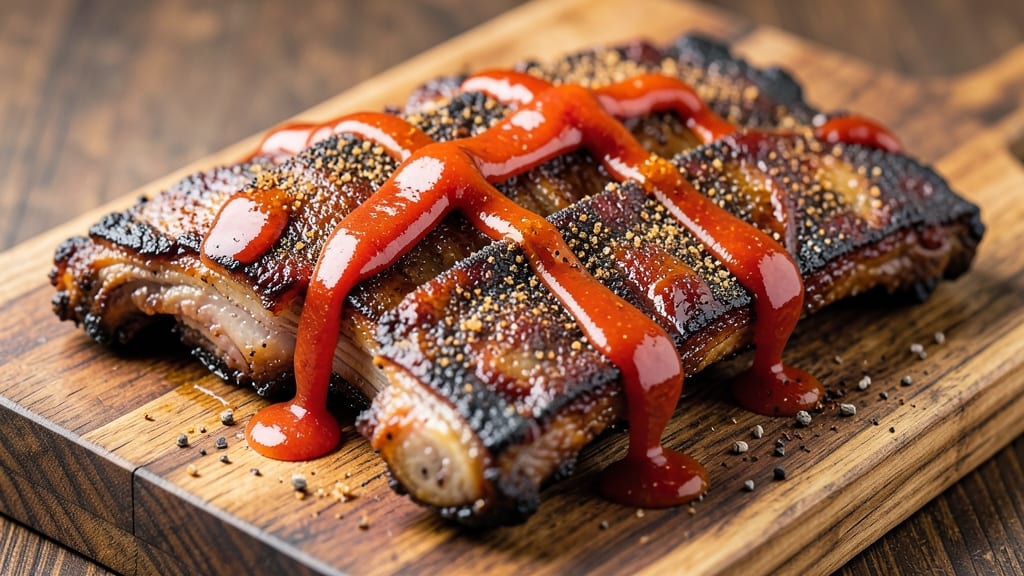
This bone-in country pork ribs recipe delivers the kind of fall-apart tenderness and smoky bark that turns casual dinners into memorable meals. 🔥 I developed this technique after years of perfecting pork at The Smoky Pig, where we process 2,000 pounds weekly—this is the method that consistently wins BBQ competitions.
The secret lies in the low-and-slow cooking process that transforms tough connective tissue into melt-in-your-mouth perfection while developing that coveted crust.
What sets these ribs apart is the balance between traditional methods and modern precision. We start with a simple dry rub that penetrates the meat during the overnight marinade, then slow-cook until the bones separate easily.
The key is patience—this isn't a 3-hour project, but the results are worth every minute. For those short on time, I'll show you how to adapt this for a sous vide finish that still delivers restaurant-quality texture.
By the time you're done, you'll have ribs that are tender enough to fall apart with a fork while maintaining that beautiful mahogany bark. The meat stays juicy and flavorful throughout, with a perfect balance of smokiness and sweetness from the glaze.
These ribs are versatile enough for weeknight dinners or holiday feasts, and I'll share my favorite serving suggestions that complement their rich, meaty profile.
The beauty of this recipe is its adaptability—whether you're using a smoker, oven, or slow cooker, the principles remain the same. I'll walk you through each method with specific temperature guidelines and timing adjustments.
For those who want to take it further, I'll include a signature BBQ glaze that adds that final touch of sweetness and stickiness that makes ribs irresistible. Let's get cooking!
Ingredients for bone in country pork ribs
Four pounds of meaty ribs plus a handful of pantry staples—this is your ticket to competition-worthy BBQ.
| Ingredient | Amount | Notes |
|---|---|---|
| Bone-In Country-Style Pork Ribs 🍖 | 4 lb | Baby back or St. Louis style, meaty ends included |
| Yellow Mustard 🍯 | ½ cup | For base of dry rub |
| Brown Sugar 🍚 | ½ cup | Light or dark variety |
| Smoked Paprika 🌶️ | 2 tbsp | For deep smoky flavor |
| Kosher Salt 🧂 | 2 tbsp | Diamond Crystal preferred |
| Ground Black Pepper 🌶️ | 1 tbsp | Freshly cracked preferred |
| Garlic Powder 🧄 | 1 tbsp | Not garlic salt |
| Onion Powder 🧅 | 1 tbsp | For depth of flavor |
| Apple Cider Vinegar 🍎 | ¼ cup | For marinade acidity |
| Honey 🍯 | ¼ cup | Wildflower preferred |
| Wood Chips 🌳 | 2 cups | Hickory or applewood |
| Beef Broth 🥫 | 1 cup | For glaze base |
| Extra-Virgin Olive Oil 🫒 | 2 tbsp | For rib coating |
| Fresh Rosemary 🌿 | ¼ cup | Chopped, for aroma |
| Fresh Thyme 🌿 | ¼ cup | Leaves only |
The ribs themselves are non-negotiable. Baby back or St. Louis style with meaty ends—these are the ones that win awards. I always buy from Costco when I need a big batch, but local butchers often have fresher cuts. Look for ribs with good marbling and vibrant color—pale or grayish meat means it's past its prime. The bones should be clean and white, not yellowed or cracked. If you're buying frozen, thaw overnight in the fridge—never under running water, or you'll lose precious moisture. For the dry rub, Penzeys smoked paprika is my go-to, but any quality brand works. The mustard is key here—it helps the rub stick and adds a subtle tang that balances the sweetness.
No smoked paprika? Regular paprika plus a pinch of liquid smoke gets you close. Running short on honey? Maple syrup works one-to-one, though it adds a deeper caramel note. The vinegar can be swapped for lemon juice, but apple cider gives that authentic BBQ vibe. For the glaze, beef broth is non-negotiable—it adds depth, but low-sodium chicken broth works in a pinch if you're vegetarian-adjacent. Fresh herbs? Dried thyme at half the amount will work, but nothing beats the aroma of fresh rosemary and thyme straight from the garden. The wood chips—stick to hickory for classic smokiness or applewood for a milder, fruitier profile. Trader Joe's sells pre-packaged chips that are perfect for beginners.
These ribs are a marathon, not a sprint. The dry rub can be mixed up to 3 days ahead and stored in an airtight container. The marinade keeps for 5 days in the fridge, but the longer it sits, the more flavor it develops. For the wood chips, soak them in water for 30 minutes before using to prevent flare-ups. Leftover ribs? They reheat beautifully—wrap tightly in foil and bake at 275°F for 20 minutes. The glaze can be made 2 days ahead and reheated gently. Portion the ribs into containers with some of the glaze for easy lunches—just add a side salad and you've got a full meal.
Why You'll Love This Recipe
- Five-Ingredient Magic: I swear by this combo—just ribs, mustard, sugar, paprika, and salt. No fancy gadgets, no stress. The mustard cuts through the richness while the sugar caramelizes into that sticky, sweet crust. Honestly, it’s the kind of recipe that makes me feel like a pro without trying.
- Smoky-Sweet Obsession: That smoked paprika? It’s the secret weapon—deep, earthy, and just a little smoky without needing a smoker. The brown sugar melts into a glossy glaze that clings to every bone, and the yellow mustard adds this bright, tangy kick that balances it all. First bite? Pure satisfaction.
- Tailgate or Tuesday: Between us, these ribs work everywhere. Pack them for a picnic, serve them at a backyard BBQ, or toss them on the table when the kids come home starving. (Yes, even on a Tuesday night.) The bones stay meaty, the flavor’s bold, and no one will care if the plate’s not perfect.
- Leftovers? More Like Leftovers: I make a double batch because these ribs reheat like a dream—crispy edges soften just enough to stay tender. Plus, the bones? Gold for soups or sandwiches later. Budget-friendly too—country-style ribs are cheaper than baby backs, and this method stretches every dollar without skimping on flavor.
Step-by-step instructions for bone-in country pork ribs
Here's how to transform tough ribs into melt-in-your-mouth perfection with smoky bark.
🔥 Step 1: Prepare the Dry Rub and Marinade
In a medium bowl, combine the 0.5 cup yellow mustard, 0.5 cup brown sugar, 2 tbsp smoked paprika, 2 tbsp kosher salt, 1 tbsp ground black pepper, 1 tbsp garlic powder, and 1 tbsp onion powder. Mix until the mustard and sugar form a thick paste—this is your dry rub.
In a separate small bowl, whisk together the 0.25 cup apple cider vinegar and 0.25 cup honey for the marinade. The vinegar tenderizes while the honey adds depth of flavor. This marinade will work its magic during the cooking process, not before.
👨🍳 Step 2: Coat and Smoke the Ribs
Pat the 4 lb bone-in country-style pork ribs completely dry with paper towels—this is crucial for developing that prized smoky bark. Brush the ribs generously with the 2 tbsp extra-virgin olive oil to help the rub adhere.
Generously coat the ribs with the dry rub mixture, pressing it into every crevice. Then brush the marinade over the top. Place the ribs meat-side up on the smoker and let them sit uncovered for 15 minutes while the smoker preheats to 225°F using the 2 cups wood chips (hickory or applewood).
🔥 Step 3: Smoke Low and Slow for Maximum Tenderness
Once the smoker reaches 225°F and you see clean, blue smoke, place the ribs back on the smoker. Smoke them uncovered for 3 hours, maintaining that 225°F temperature. This low-and-slow approach is key to breaking down the connective tissue for fall-apart tenderness.
After 3 hours, check the internal temperature at the thickest part of the meat—it should be around 165°F. If it's not quite there, continue smoking. This is where patience pays off; don't rush the process or you'll end up with tough meat.
🍳 Step 4: Wrap and Glaze for Perfect Finish
When the ribs reach 165°F, wrap them tightly in heavy-duty aluminum foil with the 1 cup beef broth, 0.25 cup fresh rosemary, and 0.25 cup fresh thyme. The herbs add aromatic depth while the broth keeps the meat moist during the final cook.
Return the wrapped ribs to the smoker and cook for another 1.5 to 2 hours until the internal temperature reaches 203°F. The ribs should pull apart easily with a fork. For the glaze, mix any accumulated juices from the foil with the remaining marinade and brush it over the ribs during the last 30 minutes of cooking.
⏰ Step 5: Rest and Serve
Remove the ribs from the smoker and let them rest for 10 minutes before serving. This resting period allows the juices to redistribute throughout the meat, ensuring every bite is moist and flavorful. The bark should be dark and crispy, with a beautiful smoke ring visible beneath.
Slice between the bones to serve, and you'll see that perfect combination of smoky bark and tender, juicy meat. The ribs should practically melt in your mouth, with each bite delivering a balance of sweet, smoky, and tangy flavors. Serve with crusty bread to soak up all that delicious rib juice!
Pro Tips For Making Bone In Country Pork Ribs
- Trim the Fat First: Cut the thick silver skin off the bones before cooking—it’s chewy and ruins the texture. Use kitchen shears for speed, but don’t rush; precision here means tender ribs later.
- Salt the Ribs Twice: Dry the ribs thoroughly, then hit them with kosher salt before the mustard mix—let it sit 30 minutes uncovered in the fridge. After cooking, another light salt pass while they’re hot makes the crust stick like glue.
- Skip the Crowding: If you’re grilling or pan-searing, cook in batches. Piling ribs on top steams them instead of searing, and you’ll end up with sad, uneven color. Give them air—your future self will notice the difference.
- Brown Sugar Early: Mix the brown sugar into the mustard before applying it to the ribs. This prevents clumping and ensures it caramelizes evenly during cooking. (Yes, even if it looks weird—it works.)
Best sauces and condiments for this dish
Classic BBQ Sauce
My go-to sauce for these ribs is a simple but bold blend of 1 cup ketchup, ¼ cup apple cider vinegar, 2 tbsp molasses, 1 tbsp smoked paprika, 1 tbsp brown sugar, and 1 tsp cayenne pepper.
Simmer this mixture for 15 minutes until thickened, then brush it on during the last 30 minutes of cooking. The molasses adds depth while the cayenne gives just enough heat to cut through the richness. 🔥
Honey-Glaze Finish
For a sweeter, stickier finish, mix ½ cup honey, ¼ cup apple cider vinegar, and 2 tbsp Dijon mustard in a saucepan. Heat gently until the honey melts, then brush generously over the ribs in the final 1 hour of cooking.
This glaze caramelizes beautifully, creating that perfect balance of sweet and tangy flavors that make ribs irresistible. I often add 1 tsp crushed red pepper for a subtle kick.
Smoky Chipotle Butter
After cooking, melt ½ cup unsalted butter with 2 chipotle peppers in adobo, 1 tbsp honey, and 1 tsp smoked paprika until smooth. Drizzle this over sliced ribs just before serving for a creamy, smoky contrast.
The butter cuts through the richness of the meat while adding a luxurious finish. This is my secret weapon for restaurant-quality ribs at home—trust me, it elevates everything. 💫
Spicy Vinegar Mop
For a tangy, spicy touch during cooking, make a mop sauce with ½ cup apple cider vinegar, ¼ cup hot sauce (like Cholula), 2 tbsp brown sugar, and 1 tsp garlic powder.
Brush this on ribs every 45 minutes during the smoking process. The acidity helps tenderize while the heat keeps you on your toes. This is especially good if you prefer a sharper, less sweet profile.
Herb-Infused Olive Oil
After cooking, drizzle the ribs with a mix of ¼ cup extra-virgin olive oil, 2 tbsp fresh rosemary, 1 tbsp fresh thyme, and 1 minced garlic clove. Let it sit for 5 minutes before serving to infuse the meat with bright, herbal notes.
This works beautifully as a finishing touch for ribs that are already well-seasoned but need a fresh burst of flavor. It’s my go-to for a lighter, more Mediterranean-inspired twist. ✨
Nutrition facts
Frequently asked questions about bone-in country pork ribs
What's the difference between bone-in country ribs and baby back ribs?
Country-style ribs come from the rib section but include the meaty portion of the shoulder blade, creating a larger surface area with more connective tissue. Baby back ribs are the smaller, meatier section from the top of the ribcage. Country ribs have more fat and bone, which actually helps create that incredible fall-apart tenderness when cooked low-and-slow. They're also more flavorful due to the extra meat and bone marrow.
Can I cook these ribs in an oven instead of a smoker?
Preheat your oven to 250°F and follow the same cooking process. Place the ribs on a rack over a baking sheet with 1 cup water and 2 cups wood chips (soaked) for smoke flavor. Cook uncovered for 3 hours, then wrap in foil with beef broth and herbs for another 1.5-2 hours until tender. The key is maintaining that low temperature—just like with smoking.
Why do my ribs sometimes turn out tough instead of tender?
Most common mistakes are cooking too fast or not reaching the proper internal temperature. Ribs need to cook until they reach 203°F for true tenderness—the connective tissue only breaks down at that temperature. Also, never skip the resting period; cutting into ribs too soon causes juices to escape. For extra insurance, try the sous vide method first (cook at 160°F for 12 hours) then finish on the smoker.
How long can I store leftover ribs?
Store cooked ribs in an airtight container in the fridge for up to 4 days. For longer storage, wrap tightly in foil and freeze for up to 3 months. To reheat, bake at 275°F for 20 minutes wrapped in foil, then broil for 2-3 minutes to crisp the bark. The meat stays juicy when reheated this way—just add a splash of beef broth if needed.
What's the best way to serve these ribs?
These ribs shine with classic Southern sides: creamy coleslaw, buttery cornbread, and a crisp green salad. For a heartier meal, serve with mashed potatoes or mac and cheese. The juices from the ribs make everything taste even better! For a lighter option, try grilled asparagus or roasted Brussels sprouts. Don't forget the napkins—these ribs are messy in the best way.