
Main Courses
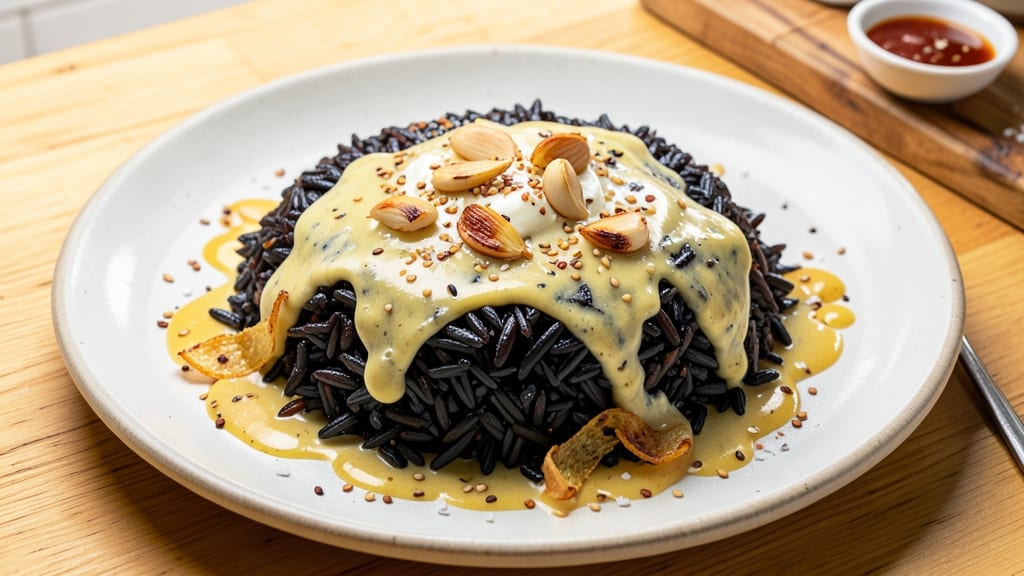
This Bolay Forbidden Black Rice recipe transforms antioxidant-rich grains into a Filipino masterpiece with deep umami notes from garlic butter. The dish’s cultural roots run deep—traditionally paired with bolay (shrimp paste) and served at celebrations, this version balances authenticity with approachable techniques for home cooks.
Every step, from soaking to simmering, preserves the rice’s signature black hue and nutty flavor.
What sets this dish apart is the garlic butter infusion, which elevates the rice’s natural richness while keeping the cooking process straightforward. Whether you’re serving it alongside dinuguan (pork blood stew) or grilled proteins, the result is a visually striking, nutrient-dense centerpiece that honors Filipino tradition.
Ready in under 45 minutes, it’s perfect for special occasions or weeknight dinners with a touch of sophistication.
Ingredients for bolay forbidden black rice
Authentic Filipino flavors begin with these carefully selected ingredients for forbidden black rice.
| Ingredient | Amount | Notes |
|---|---|---|
| Forbidden Black Rice 🌾 | 1 ½ cups | Uncooked, rinsed thoroughly |
| Unsalted Butter 🧈 | ½ cup | Cold, cubed for even melting |
| Garlic Cloves 🧄 | 6 cloves | Minced finely for aromatic infusion |
| Coconut Milk 🥥 | 1 can | Full-fat, 13.5 oz can (not carton) |
| Vegetable Oil 🫒 | 2 tbsp | High smoke point preferred |
| Water 💧 | 3 cups | Filtered or spring water preferred |
| Salt 🧂 | 1 ½ tsp | Diamond Crystal kosher salt |
| White Vinegar 🍶 | 1 tbsp | For balancing umami flavors |
| Sugar 🍚 | 1 tbsp | Granulated, for subtle sweetness |
| Bay Leaves 🌿 | 2 whole | Dried, for aromatic depth |
| Black Peppercorns 🌶️ | ½ tsp | Freshly cracked for texture |
| Fresh Ginger 🧅 | 1 tbsp | Grated finely, aromatic base |
| Bolay (Shrimp Paste) 🦐 | 1 tbsp | Authentic Filipino shrimp paste |
The forbidden black rice is the heart of this dish—look for whole grains at specialty Asian markets or online retailers like Manila Specialty Foods. If only pre-rinsed rice is available, give it an extra rinse to remove excess starch. The bolay (shrimp paste) is non-negotiable for authenticity; Filipino markets carry it in small tubes or cans, and it's worth seeking out for that unmistakable umami punch. For the garlic butter infusion, use unsalted butter to control seasoning precisely—salted butter can make balancing flavors tricky later. Fresh ginger and bay leaves should be vibrant; if dried ginger is used, reduce to half the amount for equivalent impact.
No bolay? Shrimp paste from a trusted brand works in a pinch, but the flavor profile won't be identical. Substituting with anchovy paste at half the amount adds some depth, though it lacks the fermented complexity. For coconut milk, full-fat is essential—light versions will yield a less creamy texture. The rice absorbs flavors aggressively, so measure your water precisely; if using a different rice-to-water ratio, adjust accordingly. Fresh herbs like cilantro or Thai basil can be added post-cooking for brightness, but traditionalists will insist on keeping the dish pure to its roots.
Store uncooked rice in an airtight container in a cool, dark place for up to 6 months. Once cooked, the rice keeps for 3 days in the fridge—reheat gently with a splash of water to restore moisture. For longer storage, freeze portions in single-serving containers for up to 3 months. The garlic butter infusion can be prepped ahead and stored in the fridge for 3 days or frozen for 1 month, making this an excellent make-ahead dish for special occasions.
Why You'll Love This Recipe
- One-Pot Magic: I swear by this—just rice, garlic, butter, and coconut milk in a single pot. No chopping, no fussing, no extra bowls to wash. The black rice soaks up all the flavors while staying tender, and the coconut milk adds that creamy richness without extra work.
- Umami Bomb: That first bite? Earthy, nutty, and deep—thanks to the forbidden black rice’s natural richness. The garlic and butter caramelize just enough to give it a toasty edge, while the coconut milk keeps it lusciously balanced. It’s the kind of dish that makes you pause mid-bite.
- Weeknight to Dinner Party: Make it for yourself or double it for guests—same effort. The leftovers reheat beautifully, and the flavors actually improve the next day. Honestly, I’ve served this at casual lunches and fancy dinners, and no one’s ever questioned why it’s on the menu.
- Budget Luxury: Forbidden black rice might sound fancy, but it’s cheaper than you’d think—especially when you stretch it with coconut milk and butter. A single batch feeds four, and the ingredients last for other meals. It’s my go-to when I want to feel special without breaking the bank.
Step-by-Step instructions for bolay forbidden black rice
This method transforms forbidden black rice into a rich, umami-packed dish with deep aromatic layers.
Toast the Rice for Nutty Depth
Heat the 2 tablespoons vegetable oil in a heavy-bottomed pot over medium heat. Add the 1.5 cups forbidden black rice and toast for 3-4 minutes, stirring constantly. You'll see the grains turn slightly darker and release a nutty aroma—this step develops the rice's natural flavors and prevents mushiness.
Watch carefully to avoid burning. The rice should smell toasted but not charred. Once fragrant, immediately add the 1 tablespoon bolay (shrimp paste) and stir for 30 seconds until the paste dissolves completely into the oil. This creates the umami foundation of your dish. The shrimp paste will darken the oil slightly, which is normal and indicates proper activation of its flavors.
Build the Aromatic Base
Add the 6 cloves minced garlic and 1 tablespoon grated fresh ginger to the pot. Cook for 1-2 minutes until the garlic becomes golden and fragrant—this prevents bitterness while maximizing flavor extraction. The mixture should smell intensely aromatic with a balance of spicy, garlicky, and slightly funky notes from the shrimp paste.
Next, stir in the 0.5 cup cold cubed unsalted butter. Let it melt slowly over medium-low heat, stirring continuously until completely incorporated. This butter will create a luxurious texture in the final dish. Once melted, add the 1 can coconut milk, 3 cups water, 1 tablespoon sugar, and 1.5 teaspoons salt. Bring to a gentle boil while stirring to combine all ingredients evenly.
Simmer with Aromatics
Reduce heat to low and add the 2 whole bay leaves and 0.5 teaspoon cracked black peppercorns. Cover the pot and simmer for 35-40 minutes, maintaining a gentle simmer—not a rolling boil—to prevent the rice from becoming mushy. The liquid should be mostly absorbed by the end, with just a thin layer remaining on top.
Here's the key: about 10 minutes before the rice is done, stir in the 1 tablespoon white vinegar. This balances the richness of the coconut milk and shrimp paste with a bright acidity. The rice should be tender but still have a slight bite—this ensures perfect texture. If it's not fully tender, continue simmering uncovered for 5-10 more minutes, adding 1-2 tablespoons water as needed to prevent burning.
Rest and Finish
Once the rice is tender and the liquid is absorbed, remove from heat and let it sit covered for 5 minutes. This resting period allows the flavors to meld completely and the rice to finish absorbing any remaining liquid. The pot should be warm to the touch but not hot.
Before serving, give the rice a final stir and taste. Adjust seasoning if needed—you may need a touch more salt to balance the coconut milk's natural sweetness. The finished dish should have a rich, creamy texture with layers of umami from the shrimp paste, sweetness from the sugar, and aromatic depth from the garlic and ginger. Serve immediately while warm, garnished with additional cracked black pepper if desired.
Pro Tips For Making Bolay Forbidden Black Rice
- STIR CONSTANTLY FIRST 5 MINUTES: Black rice burns faster than it looks—after adding coconut milk, keep that pot moving like you’re stirring a temperamental child. I learned this the hard way when my first batch turned into a charred brick. Once the milk starts simmering, it’s easier, but those initial minutes? Non-negotiable.
- MINCE GARLIC FINE (NO CHUNKS): Whole or half-minced garlic cloves won’t disappear into this dish—they’ll just sit there like awkward guests. Pulse them in a food processor or use a knife to get them down to near-paste consistency. Trust me, you’ll taste the difference when the rice absorbs every bit of flavor.
- USE FULL-FAT COCONUT MILK: Light coconut milk will make your rice taste like it’s swimming in water. The creaminess from full-fat (40% or higher) is what gives Bolay its rich, velvety texture. I was skeptical until I tried it—now I’d never go back.
- SIMMER LOW AND SLOW: Rushing the cooking turns black rice mushy and turns your kitchen into a sauna. After the initial stir, drop the heat to medium-low and let it bubble gently for at least 30 minutes. This is where the rice transforms from chewy to melt-in-your-mouth perfect. Patience here makes all the difference.
Flavor customization for this bolay forbidden black rice
Sweet & Spicy Twist
Add 1 teaspoon chili flakes and ½ teaspoon ground cinnamon to the simmering pot during Step 3 for a warm, slightly spicy variation. The cinnamon enhances the nutty depth of the black rice while the chili flakes introduce a subtle heat that pairs beautifully with the umami richness.
For extra sweetness, stir in 1 tablespoon honey along with the vinegar at the 10-minute mark. This balances the flavors perfectly, creating a dessert-like finish that’s still savory enough for a main course. 🌶️
Coconut Milk Reduction
For a more concentrated flavor, reduce the coconut milk by simmering it alone in a small saucepan over medium heat for 5-7 minutes before adding it to the rice in Step 2. This creates a thicker, more intense base that clings to the grains, intensifying the creamy texture.
I like to use ½ cup reduced coconut milk instead of the full can, adjusting the water to 2.5 cups to maintain the right ratio. The result is a richer, more decadent dish that feels restaurant-quality. 🥥
Herb-Infused Variations
Fresh herbs can elevate this dish without overpowering it. Add 2 tablespoons chopped Thai basil or cilantro to the pot during the final 5 minutes of simmering in Step 3.
For a more complex flavor, infuse the coconut milk with 1 sprig lemongrass and 1-inch ginger slice by simmering them together for 5 minutes before straining. This adds a bright, citrusy note that cuts through the richness of the shrimp paste and butter. 🌿
Protein Pairings
Turn this into a complete meal by cooking ½ pound shrimp or chicken thighs alongside the rice. Sauté the protein in 1 tablespoon oil with ½ teaspoon turmeric and ¼ teaspoon black pepper until golden, then serve it over the rice.
For a traditional touch, use grilled pork belly or adobo-marinated chicken—both pair exceptionally well with the umami depth of the forbidden black rice. 🍗
Vegetable Additions
Add 1 cup diced bell peppers and ½ cup sliced mushrooms to the pot during Step 2, along with the garlic and ginger. Their natural sweetness complements the rice’s earthy notes, while their texture adds contrast.
For a heartier dish, stir in ½ cup chopped green beans or baby corn during the final 10 minutes of cooking. These vegetables absorb the flavors beautifully, making the dish more substantial and visually appealing. 🥦
Smoky Garlic Butter
For a smoky depth, replace half of the regular butter with ¼ cup smoked butter (or regular butter mixed with ½ teaspoon liquid smoke). Add it during Step 2 when melting the butter with the garlic and ginger.
The smokiness enhances the umami from the shrimp paste, creating a more complex flavor profile. This variation works especially well if you’re serving the rice with grilled meats or spicy dishes—it adds a layer of warmth that ties everything together. 🔥
Nutrition facts
Frequently asked questions
What makes forbidden black rice "forbidden" in this dish?
The name "forbidden" refers to its historical significance in Chinese imperial courts, where it was reserved for royalty due to its rarity and health benefits. This version elevates it further by combining it with bolay (shrimp paste)—a Filipino umami powerhouse—to create a fusion dish that honors both cultures. The deep black color comes from anthocyanins, which give it antioxidant properties.
Can I substitute bolay if I can't find it?
Yes! Use 1 tablespoon anchovy paste or ½ teaspoon fish sauce in a pinch, but the flavor won't be identical. For authenticity, seek out Filipino shrimp paste (available at Asian markets) or make your own by fermenting shrimp with salt and garlic. The paste's funky depth is key to balancing the coconut milk's sweetness.
Why does the recipe call for toasting the rice?
Toasting develops the rice's natural nutty flavor and prevents mushiness during cooking. The 3-4 minute toast over medium heat removes excess moisture and enhances the grains' texture—critical for forbidden black rice, which can become gummy if not handled properly. This step also helps the bolay and garlic infuse more deeply.
How do I know when the rice is perfectly cooked?
The rice is done when it's tender but still has a slight bite (about 35-40 minutes simmering). It should absorb most of the liquid, leaving just a thin layer on top. Test by pressing a grain—it should hold its shape but be soft enough to eat. If it's still firm, simmer uncovered for 5-10 more minutes, adding 1-2 tablespoons water if needed.
What's the best way to serve this dish traditionally?
Serve it warm as the centerpiece of a Filipino feast, paired with grilled pork belly or adobo chicken. For authenticity, add a side of atchara (Filipino pickled vegetables) or a simple garlic sautéed greens. The rich coconut and shrimp paste flavors work beautifully with spicy siling labuyo (bird's eye chili) on the side for heat lovers.