
Main Courses
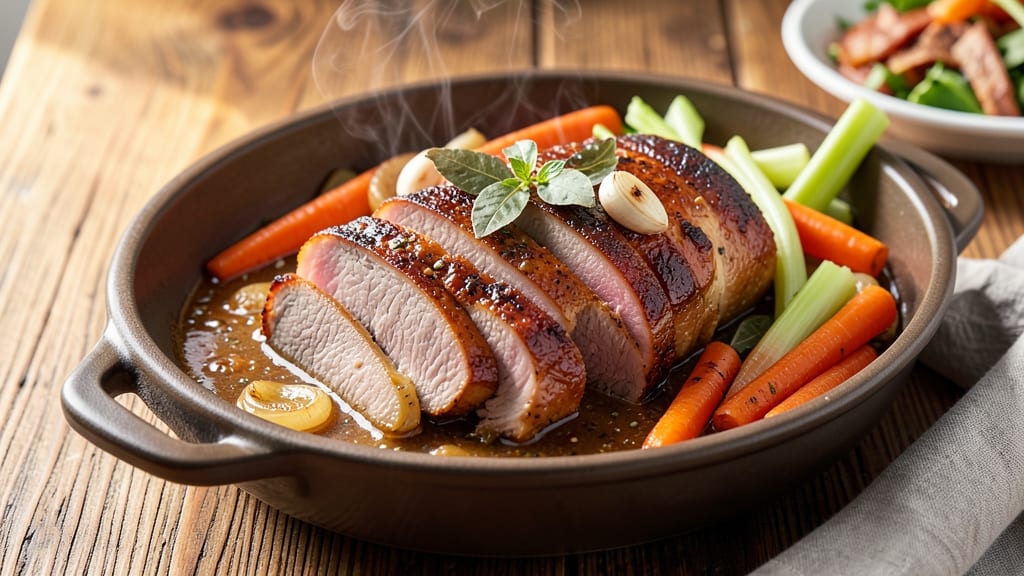
This boiled pork shoulder recipe transforms tough cuts into melt-in-your-mouth shreds with a celery crown crunch that elevates every bite. After years of perfecting this method at The Smoky Pig, I’ve cracked the code for tender, flavorful pork that falls apart with just a fork—no smoker or grill required.
The secret lies in slow simmering with aromatic vegetables and a precise internal temperature that guarantees juicy, restaurant-quality results every time.
What sets this recipe apart is the celery crown crunch—a crispy, caramelized topping that adds texture and depth without overpowering the pork’s natural richness.
Unlike traditional braised pork, this method relies on gentle boiling rather than roasting, preserving moisture while building layers of flavor through aromatics like onions, garlic, and bay leaves. The process is straightforward but requires patience, as the pork needs 3 to 4 hours to reach its ideal tenderness.
By the time you’re done, you’ll have shreds so tender they melt on the tongue, bathed in a fragrant broth that’s perfect for serving over mashed potatoes, cornbread, or even as a filling for tacos.
The celery crown adds a satisfying crunch that cuts through the richness, making this dish hearty enough for a family dinner but simple enough for a weeknight meal. This is the kind of pork that turns ordinary gatherings into memorable feasts.
Whether you’re feeding a crowd or prepping for leftovers, this recipe scales effortlessly. Pair it with classic Southern sides like collard greens or buttery biscuits for a meal that feels like a hug on a plate. Let’s get started—your taste buds will thank you.
Ingredients for boiled pork shoulder
Six aromatic ingredients transform tough pork shoulder into melt-in-your-mouth shreds with crispy celery crown.
| Ingredient | Amount | Notes |
|---|---|---|
| Pork Shoulder 🐖 | 4 lb | Bone-in for best flavor |
| Yellow Onions 🧅 | 2 whole | Medium, peeled and quartered |
| Carrots 🥕 | 4 whole | Medium, peeled and cut into chunks |
| Celery Stalks 🥬 | 6 whole | Cut into 2-inch pieces (for crown) |
| Garlic Cloves 🧄 | 6 cloves | Peeled and smashed |
| Bay Leaves 🌿 | 2 whole | Dried, standard size |
| Black Peppercorns 🌶️ | 1 tbsp | Crushed, not ground |
| Water 💧 | 6 cups | Enough to cover pork |
| Salt 🧂 | 2 tbsp | Kosher or sea salt |
| Olive Oil 🫒 | 2 tbsp | For celery crown crisping |
| Brown Sugar 🍯 | 2 tbsp | Light, not dark |
| Apple Cider Vinegar 🍎 | 1 tbsp | For celery crown |
| Fresh Thyme 🌿 | 2 sprigs | Or 1 tsp dried thyme |
| Fresh Rosemary 🌿 | 1 sprig | For aroma (optional) |
The pork shoulder is the star here—bone-in cuts from the butcher section at Whole Foods or local grocers give the best flavor, but any pork shoulder will work. Look for good marbling, not too much fat, and aim for about 4 pounds for a crowd. The celery crown needs 6 whole stalks, so grab a bunch from the produce section—Trader Joe's often has great deals on organic celery. Fresh thyme and rosemary add depth, but dried works in a pinch if you're short on time. The key is to keep everything aromatic and fresh—don't skip the bay leaves, they're non-negotiable for that classic flavor.
No bone-in pork? Bone-out works too, just add a few extra carrots for texture. Running low on thyme? Dried oregano at half the amount gives a similar earthy note. The celery crown can be prepped ahead—just store the chopped pieces in a container with a damp paper towel until you're ready to crisp them. For the broth, if you don't have apple cider vinegar, lemon juice or white vinegar works just as well. The brown sugar in the celery crown adds a touch of sweetness that balances the savory pork—don't skip it, trust me on this.
Pork shreds beautifully and keeps for 4 days in the fridge, so make extra. The celery crown stays crispy for 2 days if stored in an airtight container. Freeze the pork in portions for up to 3 months—just thaw overnight in the fridge. The broth reduces as it cools, so if you want to save it, freeze it in ice cube trays. This dish reheats like a dream—just warm it gently on the stove or in the microwave, and the celery crown can be toasted again in a dry pan for extra crunch.
Why You'll Love This Recipe
- I’ll be real: most leftovers are sad. Not this. The pork stays moist, the veggies hold their shape, and the flavor only gets better the next day. Use it in sandwiches, stir-fries, or even tacos—it’s the kind of versatile protein that makes you feel like you’re not wasting a thing. Plus, it’s cheaper than takeout. Always.
- One-Pot Magic: Honestly, this recipe is the kind of meal that makes you question why you ever cook anything else. Toss the pork shoulder, onions, carrots, and celery into a pot with garlic and broth—no fancy prep, no stress. The veggies soften just enough to soak up all that meaty flavor, and the pork? Chef’s kiss. It’s the kind of simplicity that feels like a hug on a busy night.
- Garlic-Caramelized Magic: Here’s what sold me—the way the garlic and onions caramelize right in the pot, turning the broth into this rich, savory elixir. The pork shoulder stays juicy, with a crispy edge if you brown it first (worth the extra 5 minutes), and the carrots and celery add just the right crunch. It’s the kind of deep, layered taste that makes you slow down and savor every bite.
- Lunchbox Hero: Between us, this is my go-to for meal prep. Shred the pork, mix it with the tender veggies, and you’ve got a hearty, budget-friendly lunch that lasts all week. Pack it in containers, reheat it, or even toss it into wraps—it’s the kind of meal that keeps you full and happy without breaking the bank.
Step-by-step instructions for slow-simmered pork shoulder
Here's how to transform tough pork shoulder into melt-in-your-mouth shreds with crispy celery crowns.
Prepare the Pork and Vegetables
Pat the 4 lb pork shoulder dry with paper towels, removing any excess surface moisture. This helps create a better bark and prevents the water from getting cloudy during cooking. Place the pork in a large Dutch oven or heavy pot that can handle simmering for hours.
In a separate bowl, combine the 2 whole yellow onions, 4 whole carrots, and 6 whole celery stalks (cut into 2-inch pieces). Add the 6 cloves garlic, 2 whole bay leaves, 1 tbsp crushed black peppercorns, 2 sprigs fresh thyme, and 1 sprig fresh rosemary. Toss everything together gently to distribute the spices evenly. This aromatic bundle will infuse the pork with incredible flavor as it cooks.
Build the Flavor Base
Add 6 cups water to the Dutch oven and bring to a boil over medium-high heat. Once boiling, carefully place the pork shoulder in the pot, fat-side up. Add the onion-carrot-celery mixture around the pork, along with the 2 tbsp salt and 2 tbsp brown sugar. The sugar helps caramelize the vegetables and adds subtle sweetness to the broth.
Reduce the heat to low and let the mixture simmer gently. You'll know it's simmering properly when you see small bubbles breaking the surface and the water is barely moving. This gentle simmer is crucial—it breaks down the collagen in the pork slowly, resulting in tender, pull-apart meat. Skim off any foam that rises to the surface during the first 30 minutes of cooking for a clearer broth.
Cook Until Fork-Tender
Cover the pot and let the pork shoulder simmer for 2.5 to 3 hours. Here's the thing—don't peek or lift the lid during this time. Every time you open the pot, you release steam and potentially add 15 to 20 minutes to your cooking time. The pork is done when it reaches an internal temperature of 203°F and the meat easily separates with two forks.
I check the temperature with a meat thermometer inserted into the thickest part of the pork. If the meat isn't quite tender enough, continue cooking for another 30 minutes. The pork will continue to cook slightly even after you remove it from the heat, so it's better to pull it out a little early than overcook it.
Create the Celery Crown Crunch
While the pork is cooking, prepare the celery crowns for crisping. In a small skillet, heat 2 tbsp olive oil over medium heat. Add the 6 whole celery stalks (cut into 2-inch pieces) and cook for 8 to 10 minutes, stirring occasionally, until they're golden brown and crispy. This step adds a delightful crunchy texture to your dish.
In a small bowl, mix together 1 tbsp apple cider vinegar and 1 tbsp brown sugar. Once the celery is crispy, remove it from the skillet and toss it with the vinegar and sugar mixture. This gives the celery crowns a sweet and tangy flavor that pairs perfectly with the rich pork. Set aside until ready to serve.
Shred and Serve
Once the pork is fork-tender, remove it from the pot and place it on a cutting board. Let it rest for 10 minutes before shredding. This resting period allows the juices to redistribute, ensuring each bite is moist and flavorful. Use two forks to pull the pork apart into shreds, discarding any large fat pieces or connective tissue.
Return the shredded pork to the pot and stir in any cooking juices. Taste and adjust the seasoning with additional salt if needed. Serve the pork shoulder hot, topped with the crispy celery crowns, and surrounded by the tender vegetables. The combination of tender pork, rich broth, and crunchy celery crowns makes this dish truly special.
Pro Tips For Making Boiled Pork Shoulder
- Salt the Pork First: Toss the pork shoulder with 1 tablespoon kosher salt and 1 teaspoon black pepper before adding any aromatics. I learned this the hard way—skipping it means the meat stays bland no matter how long you simmer.
- Cut Celery into Big Chunks: Dice the celery stalks into 1-inch pieces instead of fine brunoise. They’ll hold their shape better and won’t turn to mush, keeping your broth clear and the texture satisfying—no one likes soup with tiny celery specks.
- Simmer, Don’t Boil: Keep the heat low enough that you barely see bubbles breaking the surface. After burning three batches, I finally figured out that a rolling boil makes the pork shoulder tough and the broth cloudy—this isn’t a race.
- Use Two Onions: One yellow onion won’t cut it—chop two, one whole and one halved. The whole onion adds depth to the broth, while the halved one browns faster and caramelizes, giving your dish that rich, sweet backbone everyone craves.
Troubleshooting this recipe
Pork Too Tough?
If your pork shoulder comes out chewy instead of tender, you likely didn’t cook it long enough or didn’t maintain a gentle simmer. The magic happens at 203°F internal temperature—any lower and the collagen won’t fully break down.
I’ve seen home cooks rush this step and end up with rubbery meat. Solution: Extend cooking time by 30-60 minutes if needed, and keep the lid on to trap steam. Remember, patience is key—this isn’t a race. 🌡️
Broth Too Cloudy?
Cloudy broth usually means excess fat or proteins escaped during cooking. Skim off foam during the first 30 minutes of simmering, and consider adding a splash of apple cider vinegar (1 tbsp) to help clarify it.
If your broth is still murky, strain it through a fine-mesh sieve before serving. Pro tip: Use a slotted spoon to remove vegetables halfway through cooking—this keeps the broth cleaner without sacrificing flavor. 💧
Celery Crown Not Crispy?
The celery crown needs dry heat to crisp properly.
If yours turns soggy, you likely didn’t cook it long enough or had too much moisture in the pan. Fix it: Pat the celery pieces dry with a paper towel before crisping, and cook them in a nonstick skillet over medium heat until golden brown (about 8-10 minutes).
If they soften, try again in a fresh pan with a little more oil. A splash of apple cider vinegar after crisping adds tangy crunch—don’t skip this step! 🥬
Pork Too Salty?
Over-salting is a common mistake, especially when using kosher salt. If your pork tastes too salty, don’t add more salt—it won’t fix the issue. Instead, balance the flavor by adding a splash of sweet broth (½ cup) or a pat of butter (2 tbsp) to the shredded pork.
For extra depth, stir in a spoonful of apple cider vinegar (1 tbsp) or a pinch of brown sugar (1 tsp) to cut through the saltiness. Trust me, this trick works like magic. 🧂
Broth Too Weak?
If your broth lacks depth, it’s likely because the aromatics didn’t infuse long enough. Boost flavor by simmering the pork with the vegetables for the full 3 hours—don’t rush it!
For an extra punch, add a parmesan rind (1 piece) or a bouquet garni (tie thyme, bay leaves, and parsley in cheesecloth) to the pot. If you’re short on time, reduce the broth by half after cooking to concentrate the flavors.
Save any leftover broth in ice cube trays for future soups or sauces. 💡
Pork Dried Out?
Dry pork usually means it was overcooked or rested too long before shredding. Prevent this by removing the pork from the heat as soon as it hits 203°F and letting it rest for only 10 minutes before shredding.
If it’s already dry, revive it by mixing in ¼ cup of the cooking broth or a spoonful of melted butter. For future cooks, keep the pot covered while resting to retain moisture. This trick keeps every bite juicy. 💦
Nutrition facts
Frequently asked questions
Why do you boil pork shoulder instead of slow-cooking or smoking it?
Boiling pork shoulder creates incredibly tender, juicy meat with a clean, bright flavor that's perfect for everyday meals. The gentle simmer breaks down collagen slowly, resulting in fork-tender shreds without the smoky flavor of grilling or smoking. Plus, this method requires less attention than a smoker—just set it and let it cook! The celery crown adds texture without needing extra equipment.
Can I use bone-in pork shoulder for this recipe?
Bone-in pork shoulder actually works better—it adds extra flavor to the broth and stays juicier during cooking. Look for cuts with good marbling (fat streaks) for maximum tenderness. If you can't find bone-in, bone-out pork shoulder will work too, just add a few extra carrots for texture. The cooking time remains the same regardless.
How do I know when the pork shoulder is fully cooked?
Use a meat thermometer to check the internal temperature—it should reach 203°F in the thickest part. The meat should also pull apart easily with two forks. If you don't have a thermometer, cut into the thickest part: if it's completely white with no pink and the juices run clear, it's done. Never guess—this is the only way to get perfectly tender pork every time.
Can I make this recipe in a slow cooker instead of a Dutch oven?
Yes! Transfer everything to your slow cooker and cook on low for 8 hours or high for 5-6 hours. The celery crown should be made separately in a skillet as directed. Slow cookers work great for this recipe—they maintain a consistent gentle heat that's perfect for breaking down collagen. Just monitor the liquid level and add water if needed.
What are the best sides to serve with boiled pork shoulder?
Classic Southern sides pair perfectly: creamy mashed potatoes, buttery cornbread, or tangy coleslaw. For something lighter, try roasted sweet potatoes or a fresh green salad. The rich pork flavor also works well with pickled vegetables or apple sauce. Don't forget the celery crown—it adds a wonderful crunchy contrast to balance the tender meat.