
Main Courses
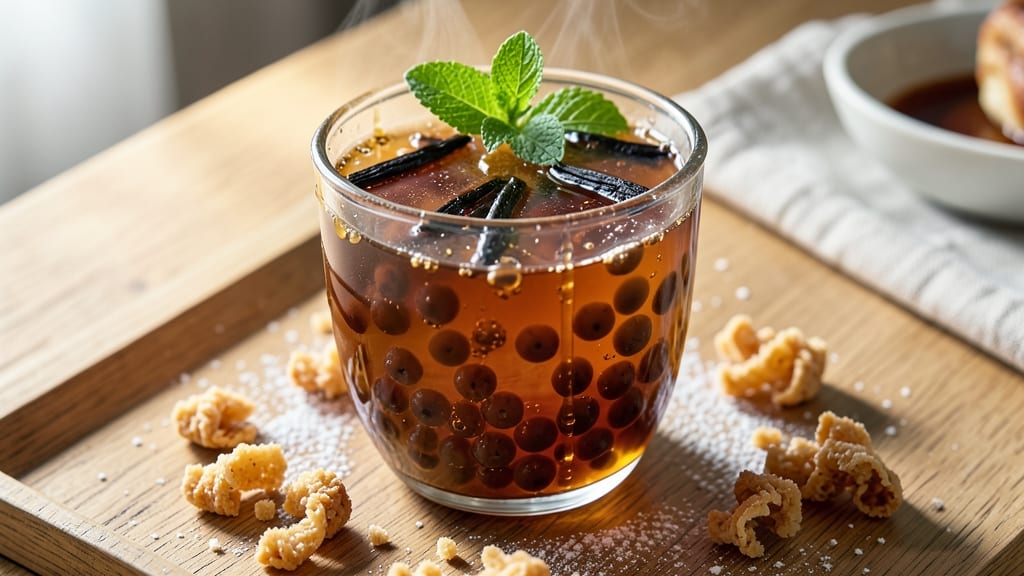
This authentic rice flour boba recipe transforms simple ingredients into silky, chewy pearls that rival traditional tapioca—without the aftertaste. The key lies in precise boiling and shaping techniques that create a delicate, translucent texture perfect for milk tea or fruit infusions.
Unlike standard boba, rice flour yields lighter, more refined chews with a neutral flavor that absorbs tea aromas beautifully.
Mastering the chewy texture requires careful temperature control and resting time, but the process is straightforward once you understand the science. We’ll guide you through shaping, boiling, and cooling methods that guarantee restaurant-quality results at home.
Troubleshooting tips ensure clarity and consistency, even for beginners. Ready to elevate your boba game?
Ingredients for boba recipe with rice flour
Simple ingredients crafting restaurant-quality boba—no tapioca aftertaste here.
| Ingredient | Amount | Notes |
|---|---|---|
| Rice Flour 🌾 | 2 cups | Fine grind for silky texture |
| Water 💧 | 2 ½ cups | Room temperature preferred |
| Vegetable Oil 🫒 | 1 tbsp | For slippery shaping |
| Tapioca Starch 🍠 | ½ cup | Optional for extra chew |
| White Sugar 🍚 | ¼ cup | For translucent finish |
| Black Tea Bags ☕ | 4 whole | High-quality loose leaf preferred |
| Coconut Milk 🥥 | 1 cup | Full-fat for creaminess |
| Vanilla Extract 🌸 | ½ tsp | Pure alcohol-free preferred |
| Salt 🧂 | ¼ tsp | Fine sea salt |
| Lemon Juice 🍋 | 1 tbsp | Freshly squeezed |
| Agave Nectar 🍯 | 2 tbsp | For sweetening tea |
| Ice Cubes ❄️ | 1 cup | For cooling infusion |
Rice flour is the star. Bob's Red Mill fine rice flour works best—avoid the coarse kind from bulk bins. If you can't find it, King Arthur is a solid backup. The texture difference is noticeable. For the tea infusion, Whole Foods loose-leaf black tea (like Assam or Earl Grey) gives the best flavor without bitterness. Skip the grocery store tea bags—they're too weak. Coconut milk adds richness, so grab the full-fat can at Trader Joe's—it's cheaper than the fancy brands and tastes just as good.
No rice flour? Sweet rice flour (mochiko) at half the amount works in a pinch, but the texture won't be as light. Running out of tapioca starch? Arrowroot powder is a decent swap, but reduce to 0.25 cup. For the tea, green or oolong tea bags can replace black—just steep longer. The sugar is crucial for translucency, but coconut sugar at the same amount gives a caramel note. Lemon juice brightens everything, so don't skip it—frozen concentrate works if you're in a rush, but fresh is always better.
Store dry rice flour in an airtight container for up to 6 months—it's shelf-stable, but humidity ruins it fast. The shaped boba pearls keep for 3-4 days in the fridge submerged in water, but they're best used fresh. For the tea infusion, make a big batch—it keeps for 1 week in the fridge. Freeze coconut milk in ice cube trays for easy portioning later. The agave nectar crystallizes over time, so store it in the fridge and shake before using.
Why You'll Love This Recipe
- Chef’s Secret Shortcut: I swear by this method—just rice flour, water, and a splash of oil, then a quick fry. No rolling, no fuss, no waiting for dough to rest. The tapioca starch gives it that signature chewy bite without the hassle of pearls.
- Sweet-Creamy Magic: That sugar syrup? It’s the star. Lightly caramelized just enough to coat every piece, balancing the crispy exterior with a pillowy center. Honestly, I’ve never met a boba I couldn’t eat twice in one sitting.
- Leftover Goldmine: These stay fresh for days—toss them in milk tea, blend into smoothies, or just snack straight from the jar. My kids “help” themselves to them cold, and I don’t even mind the mess.
- Pocket-Friendly Luxury: Five ingredients, all pantry staples. No specialty stores, no markup—just pure, addictive boba for a fraction of what takeout charges. (Yes, even on a Tuesday night.)
Step-by-step instructions for silky boba chews with tea infusion
Here's how to craft authentic boba chews with that perfect balance of tea flavor and chewy texture.
Prepare the Tea Infusion
In a medium saucepan, combine the 2.5 cups water, 4 whole black tea bags, 0.25 cup white sugar, and 2 tbsp agave nectar. Bring to a boil over medium-high heat, then immediately reduce to a gentle simmer for exactly 5 minutes. You'll notice the tea becomes a rich amber color and develops a fragrant aroma—this is your flavor foundation.
Remove from heat and let steep for an additional 10 minutes. The tea should cool slightly but remain warm enough to dissolve the sugar completely. Strain out the tea bags using a fine-mesh sieve, pressing gently to extract every last drop of flavor. Discard the used tea bags. This infusion will give your boba that authentic tea flavor without overpowering the delicate rice flour base.
Mix the Boba Dough
In a large mixing bowl, whisk together the 2 cups rice flour, 0.5 cup tapioca starch, 0.25 tsp salt, and 0.5 tsp vanilla extract until completely combined. The mixture should look uniform with no visible flour streaks. Create a well in the center and pour in the warm tea infusion, 1 cup coconut milk, 1 tbsp vegetable oil, and 1 tbsp lemon juice.
Using a silicone spatula, gently fold the dry ingredients into the wet until you form a smooth, elastic dough that pulls away from the bowl sides. The texture should be slightly tacky but not sticky. If it feels too dry, add 1-2 tablespoons of the tea infusion; if too sticky, sprinkle in a little more rice flour. Knead lightly for 2-3 minutes until the dough becomes pliable and uniform in color.
Chill and Shape the Boba
Divide the dough into 4 equal portions and flatten each into a thin disc about 1/8-inch thick. Wrap each disc tightly in plastic wrap and refrigerate for at least 30 minutes. This chilling step is crucial—it firms up the dough so it holds its shape when you cut the chews. The colder the dough, the cleaner the cuts and the more uniform your boba will be.
After chilling, remove one disc at a time and place it on a clean surface dusted with a little rice flour. Using a sharp knife, cut the disc into thin strips about 1/8-inch wide. Roll each strip between your palms to create a smooth, cylindrical chew. Place the shaped boba on a parchment-lined tray and cover with plastic wrap. Repeat with the remaining dough portions, working with one at a time to prevent warming.
Cook the Boba Chews
Bring a large pot of water to a rolling boil. Add the shaped boba chews in batches, ensuring they don't overlap. Cook for exactly 8-10 minutes, stirring gently every 2 minutes to prevent sticking. The chews should float to the surface when they're done—they'll look slightly translucent and have a smooth, glossy appearance. If any pieces stick together, gently separate them with chopsticks.
Using a slotted spoon, remove the cooked boba and transfer them to a bowl of ice water. This ice bath stops the cooking process immediately and gives the chews their signature silky texture. Let them cool in the ice water for 5 minutes, then drain well. The chews should be firm but still slightly pliable to the touch. If they feel too soft, they need a few more minutes in the ice water.
Serve with Tea Pairing
Once cooled, your boba chews are ready to serve. For an authentic experience, pair them with freshly brewed black tea or your favorite boba milk tea. The chews should have a delicate chewiness that breaks down slowly, releasing their tea-infused flavor. Store any leftovers in the refrigerator for up to 5 days, but I promise you'll want to enjoy them fresh while they're still silky and flavorful.
Here's the thing about authentic boba—the texture is everything. These chews should be firm enough to hold their shape when served but still melt slightly in your mouth. The tea infusion gives them that subtle floral note that separates homemade boba from store-bought. Don't be tempted to skip the chilling step; it makes all the difference in getting that perfect texture.
Pro Tips For Making Boba Recipe With Rice Flour
- STIR CONSTANTLY AT FIRST: The first 2 minutes after mixing rice flour and water are when lumps form fastest—don’t walk away. I learned this after pulling apart a batch of gummy, uneven boba because I got distracted. Use a wooden spoon and keep it moving until the mixture smooths out completely.
- SIEVE THE DRY MIX: Rice flour clumps like a stubborn toddler. Before adding water, sift it through a fine-mesh sieve directly into your mixing bowl. This cuts down on lumps later and saves you from scraping stubborn flour off the sides. (Yes, even if you’re impatient like me.)
- TEST THE WATER TEMPERATURE: Cold water makes boba tough; hot water can overcook it before it hits the pot. Aim for lukewarm—about 80°F (27°C)—so the dough holds together without turning rubbery. I used to eyeball it and ended up with either sticky messes or crumbly failures.
- DON’T OVERMIX THE DOUGH: Once the rice flour and water combine into a smooth ball, stop stirring. Kneading it further makes the texture dense and chewy. Just roll it into a ball once, then rest it for 10 minutes under a damp towel before shaping. (Your future self will thank you.)
Regional styles of this recipe
Japanese Mochi-Inspired
In Japan, rice flour boba takes on a softer, almost jelly-like texture inspired by traditional mochi. Replace tapioca starch with an extra 0.25 cup of sweet rice flour (mochiko) and reduce the cooking time to 6-7 minutes.
Serve with matcha green tea instead of black tea for a vibrant, earthy flavor. The result is a lighter, almost translucent chew that dissolves on your tongue—perfect for hot summer days. 🌸
Taiwanese Milk Tea Twist
This is the classic approach you’ll find in Taiwanese boba shops. Use black tea bags (like Assam or Ceylon) and add 1 tsp vanilla bean paste to the tea infusion for depth.
After cooking, soak the boba in a mixture of 1 cup coconut milk and 1 cup cold black tea for 1 hour before serving. The milk tea soak enhances the chewiness while keeping the tea flavor vibrant. Trust me, this is the version that’ll have you hooked. ☕
Thai Iced Tea Fusion
For a tropical twist, infuse the tea with Thai iced tea spices: simmer 1 cinnamon stick, 3 cardamom pods, and 1 star anise in the tea infusion for 5 minutes before adding sugar.
After cooking, toss the boba in a light syrup made with 0.5 cup agave and 1 tsp rose water. Serve over crushed ice with a splash of coconut milk. The floral and spiced notes take this boba to a whole new level. 🌶️
Korean Honey Boba
Swap the tea infusion for a honey-sweetened rice syrup (simmer 1 cup honey with 1 cup water for 10 minutes). Add 1 tbsp toasted sesame oil to the dough for a nutty depth.
Cook the boba for 7-8 minutes and finish with a drizzle of sesame honey (mix 0.25 cup honey with 1 tsp toasted sesame seeds). This version is naturally vegan and has a caramel-like sweetness that’s addictive. 🍯
Vietnamese Coconut Pandan
Replace the black tea with pandan leaf tea (or use 1 tsp pandan extract in the infusion). Add 0.5 cup shredded coconut to the dough for a tropical texture. After cooking, soak the boba in coconut milk for 30 minutes before serving.
The pandan gives a fragrant, slightly floral note that pairs perfectly with the coconut. This is the ultimate refreshing boba for hot weather. 🥥
Nutrition facts
Frequently asked questions
Why use rice flour instead of tapioca for boba?
Rice flour creates a lighter, more delicate chew with a neutral flavor that absorbs tea aromas beautifully. Unlike tapioca, it yields translucent pearls with no aftertaste, making it perfect for tea infusions. The texture is also less dense—almost jelly-like when cooked properly. For extra chewiness, combine it with tapioca starch as shown in the recipe.
Can I make these boba pearls ahead of time?
Yes! Cooked boba pearls keep well in the fridge for 5 days submerged in water. For longer storage, freeze them in a single layer on a tray before transferring to a bag—they'll last 3 months. Thaw overnight in the fridge before serving. The texture remains chewy when properly stored, though they're best enjoyed fresh for maximum flavor absorption.
What if my boba turns out too soft or mushy?
Overcooking or insufficient chilling causes this. For firmer chews, reduce cooking time by 1-2 minutes and ensure your dough chills for the full 30 minutes before shaping. Also check your water temperature—it should be a rolling boil (212°F) when adding the pearls. If they still feel soft after cooking, let them sit in ice water 5-10 extra minutes to firm up.
How do I get the pearls perfectly round?
Shape them while the dough is cold from chilling. Roll each strip between your palms with even pressure to create consistent cylinders. For rounder pearls, gently press the ends together after shaping. The key is patience—don't rush the rolling process. If they flatten during cooking, stir them more frequently to prevent sticking. A lightly oiled bowl also helps maintain shape during the boiling process.
Can I make this recipe without coconut milk?
For a dairy-free option, use oat milk or almond milk—they work well in the dough and for serving. For richer flavor, try cashew milk (blend soaked cashews with water). If you prefer a neutral base, simply omit the coconut milk entirely and use extra tea infusion to maintain moisture in the dough. The texture will be slightly lighter but still delicious.