
Main Courses
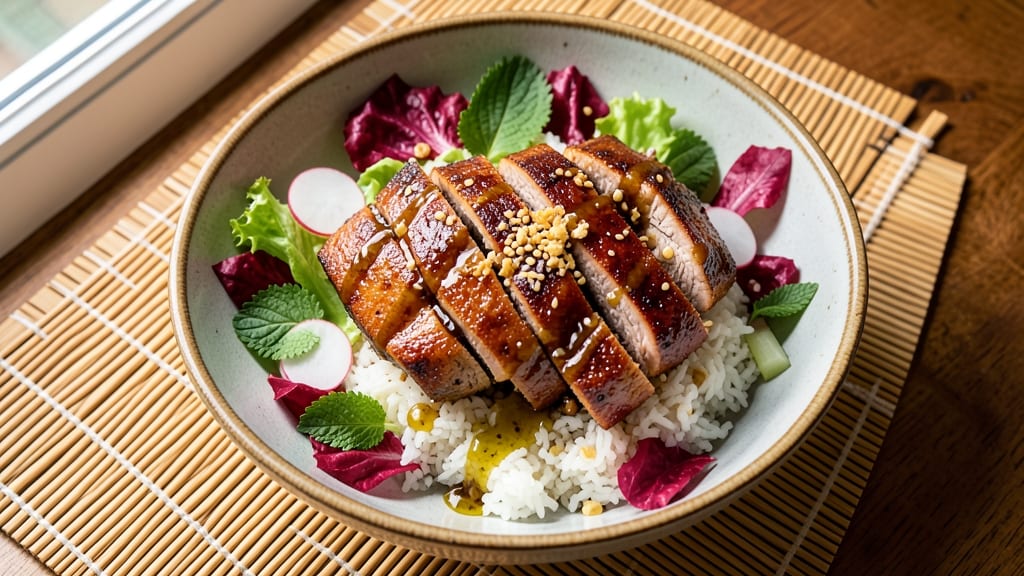
This Bo ssam pork recipe transforms simple pork into a showstopping Korean-inspired dish with crispy edges, tender meat, and a sweet-spicy sauce that makes every bite unforgettable.
As someone who's spent years perfecting pork techniques, I can tell you the secret lies in thin-slicing and high-heat cooking—methods I learned from Master Chef Chen that elevate this dish from ordinary to extraordinary.
The magic begins with marinating pork shoulder in a blend of soy sauce, brown sugar, and sesame oil, then grilling or pan-searing until caramelized. The result? Perfectly tender meat that stays juicy while developing a crispy exterior.
I've cooked this dish countless times at The Smoky Pig, and it's always the first to disappear from the table.
Assembling the wraps is where the fun happens—crisp butter lettuce cups filled with the marinated pork, topped with quick-pickled cucumbers and sesame seeds. The sweet-spicy dipping sauce ties everything together, with its perfect balance of heat and sweetness that cuts through the richness of the pork.
Serve with steamed rice and kimchi for the full Korean experience, or keep it simple with a side of grilled vegetables. This recipe delivers restaurant-quality results that'll impress even the most discerning guests—just like the dishes I've perfected in my kitchen over the years.
Ingredients for bo ssam pork
Transform simple pork into crispy, caramelized bites with these vibrant Korean-inspired ingredients.
| Ingredient | Amount | Notes |
|---|---|---|
| Pork Shoulder 🥓 | 1 ½ lb | Thinly sliced against grain |
| Kosher Soy Sauce 🍶 | ½ cup | For marinating and sauce |
| Brown Sugar 🍚 | ¼ cup | Packed, light variety |
| Sesame Oil 🫒 | 2 tbsp | Toasted, for aroma |
| Garlic Cloves 🧄 | 6 cloves | Minced for marinade |
| Fresh Ginger 🌿 | 1 tbsp | Finely grated, peeled |
| Butter Lettuce 🥬 | 12 whole | Large, crisp leaves |
| English Cucumber 🥒 | 1 whole | Thinly sliced for pickling |
| Rice Vinegar 🍶 | ¼ cup | Seasoned, for pickling |
| Sesame Seeds 🌾 | 2 tbsp | Toasted, for garnish |
| Gochujang 🌶️ | 2 tbsp | Korean chili paste |
| Honey 🍯 | 1 tbsp | For sweet-spicy sauce |
| Lime Juice 🍋 | 1 tbsp | Freshly squeezed |
| Vegetable Oil 🫒 | 2 tbsp | High smoke point |
| Salt 🧂 | 1 tsp | Kosher, for seasoning |
The pork shoulder is non-negotiable here—its fat content renders beautifully during high-heat cooking, creating those coveted crispy edges. Grab bone-in, skin-on from the butcher counter at Whole Foods or Trader Joe's (their pre-sliced version saves time but costs more). For the marinade, Kikkoman soy sauce is my go-to, but any kosher soy works. The brown sugar should be packed—light or dark doesn't matter, but Domino is reliable and affordable. Toast your sesame oil in a dry pan for 30 seconds before using—it adds depth (trust me, it's worth the extra minute).
No gochujang? Sriracha mixed with a pinch of sugar gets you close, but it won't have that same fermented complexity. Running out of rice vinegar? Apple cider vinegar works in a pinch, though it's slightly more tart. For the pickled cucumbers, slice them paper-thin—mandoline slicer makes this job effortless. If you can't find butter lettuce, romaine is the next best thing, though it's slightly less delicate. The sesame seeds should be toasted until golden—Costco's bulk bin is the best deal, and they last for months in an airtight container.
Marinated pork keeps 3 days in the fridge, but it's best used within 2 days for peak crispiness. The pickled cucumbers stay crisp for 4 days if stored in their liquid. For the dipping sauce, make it fresh—it doesn't reheat well, but the flavors actually improve overnight if stored in a sealed jar. Double the batch; it disappears fast. The lettuce wilts quickly, so wrap it in a damp towel and store in the crisper drawer for 2 extra days. Freeze the cooked pork in single-serving portions for 3 months—reheat in a skillet for crispy results.
Why You'll Love This Recipe
- Fewer Ingredients, Bigger Bang: I swear by this recipe because it’s that good with almost nothing. Pork shoulder gets tender on its own, then a splash of kosher soy and brown sugar turns it into something irresistible—no fancy marinades or hours of prep. That sesame oil finish? Chef’s kiss.
- Sweet-Savory Magic: The brown sugar caramelizes into the pork, cutting through the saltiness of the soy while the garlic cloves roast into fragrant little nuggets. It’s the kind of flavor that lingers—rich, sticky, and just sweet enough to make you want to lick the plate.
- Weeknight Workhorse: Between us, this is my go-to when I’m too tired to plan. Toss it in a pan, let it simmer, and boom—dinner’s ready. Pack the leftovers for lunch? Absolutely. Serve it over rice with quick-pickled veggies? Even better. It’s the dish that actually fits into real life.
- Budget-Friendly Feast: Pork shoulder is cheap, and this recipe stretches it far. A single cut feeds four easily, and the leftovers? Just as good reheated. Honestly, I’ve made this on grocery-store paychecks, and it never disappoints. Flavor without the markup.
Step-by-step instructions for Korean-inspired lettuce wraps
Here's how to transform tender pork shoulder into restaurant-quality bo ssam with a perfect sweet-spicy sauce.
Marinate and Slice the Pork Shoulder
In a large bowl, combine the 1.5 lb pork shoulder, 0.5 cup kosher soy sauce, 0.25 cup brown sugar, 2 tbsp sesame oil, 6 minced garlic cloves, and 1 tbsp finely grated fresh ginger. Mix thoroughly until the pork is evenly coated and the marinade penetrates the meat. Cover and refrigerate for at least 4 hours or overnight for maximum flavor infusion.
After marinating, remove the pork from the refrigerator and let it sit at room temperature for 30 minutes. Using a sharp knife, slice the pork thinly against the grain into ¼-inch thick strips. This technique ensures each bite remains tender and easy to wrap. Keep the sliced pork in the marinade until ready to cook.
Cook the Pork to Perfect Tenderness
Heat 2 tbsp vegetable oil in a large skillet over medium-high heat. Add the marinated pork in a single layer, being careful not to overcrowd the pan. Cook undisturbed for 3-4 minutes until the pork develops a golden-brown crust on one side. Flip the pork and cook for another 3-4 minutes until fully cooked through and reaching an internal temperature of 145°F. Remove the pork from the pan and set it aside to rest.
While the pork cooks, reduce the heat to medium and add the remaining marinade to the skillet. Simmer for 3-4 minutes until the liquid reduces by half and thickens slightly. This creates a flavorful base for your dipping sauce. Keep this reduced marinade warm for later use.
Prepare the Sweet-Spicy Dipping Sauce
In a small bowl, combine the reduced pork marinade with 2 tbsp gochujang, 1 tbsp honey, and 1 tbsp lime juice. Mix well until smooth and fully combined. Taste and adjust the balance of sweetness and heat by adding more honey or gochujang as needed. The sauce should be vibrant red with a glossy sheen, ready to complement the tender pork.
Toast 2 tbsp sesame seeds in a dry skillet over medium heat for 1-2 minutes until fragrant and golden. Let them cool slightly before using as a garnish. The nutty aroma of toasted sesame seeds will elevate the overall flavor profile of your bo ssam.
Assemble the Lettuce Wraps
Wash and dry the 12 whole butter lettuce leaves thoroughly to ensure they remain crisp. Each leaf should be large enough to comfortably hold a generous portion of pork and other fillings. Arrange the lettuce leaves on a serving platter, slightly overlapping for an attractive presentation.
Place a generous portion of the cooked pork in each lettuce leaf. Add thin slices of 1 whole English cucumber and a drizzle of the sweet-spicy dipping sauce. Sprinkle with toasted sesame seeds for added texture and aroma. The combination of crisp lettuce, tender pork, and cool cucumber creates a delightful contrast in both texture and temperature.
Prepare the Pickled Cucumber
While assembling the lettuce wraps, prepare the pickled cucumber by combining the thinly sliced English cucumber with 0.25 cup rice vinegar and 1 tsp salt. Let the mixture sit for at least 20 minutes to allow the flavors to meld. The cucumber will become tender and slightly tangy, providing a refreshing contrast to the rich pork.
Drain the pickled cucumber slices before serving, reserving the pickling liquid for drizzling over the lettuce wraps if desired. The bright acidity of the rice vinegar cuts through the richness of the pork, balancing each bite perfectly. Serve the bo ssam pork immediately with the pickled cucumber and extra dipping sauce on the side.
Pro Tips For Making Bo Ssam Pork
- CUT SHOULDER IN CHUNKS: Bo ssam pork works best with bite-sized pieces—about 1.5 to 2 inches thick. If your pork shoulder is stubborn, freeze it solid first, then slice against the grain with a sharp knife. Thinner pieces crisp faster, but don’t go too small or they’ll dry out before the sauce caramelizes.
- USE RAW GARLIC, NOT MINCED: I was skeptical until I tried it—raw, peeled garlic cloves roasted directly in the pan add depth the minced version can’t match. Slice them in half lengthwise (skin on) and let them sizzle until golden before adding anything else. The skin crisps into tiny flavor bombs.
- SWEAT THE SOY SAUCE: Don’t just dump kosher soy sauce over the pork—reduce it first. Cook it in the same pan over medium heat for 2-3 minutes until it’s syrupy and slightly sticky. This concentrates the umami and prevents the sauce from turning watery when you add the sugar.
- REST THE PORK UNDER FOIL: After cooking, tent the pork with aluminum foil and let it sit for 5 minutes. This traps steam and keeps the meat juicy while the sauce clings better. I learned this the hard way—skipping it leaves you with dry, stringy pork that falls apart when wrapped in lettuce.
Creative variations of this dish
Korean-Inspired Fusion
For a modern twist, swap the traditional pork shoulder for thinly sliced ribeye steak—marinate it in the same sauce and grill it over high heat for 2-3 minutes per side to achieve that perfect sear.
The beef version keeps all the sweet-spicy flavors but adds a richer, meatier texture. I've served this at The Smoky Pig during Korean-inspired nights, and it's always a crowd-pleaser. 🔥
Vegetarian Adaptation
Transform this into a vegetarian-friendly dish by replacing the pork with extra-firm tofu or shiitake mushrooms. Press the tofu for 30 minutes to remove excess water, then slice it into thin strips and marinate in the same sauce. For mushrooms, use 8 oz king oyster mushrooms sliced lengthwise.
Cook them in a hot skillet with 1 tbsp vegetable oil for 4-5 minutes per side until golden brown. The umami from the mushrooms pairs beautifully with the sweet-spicy sauce.
Spicy Kimchi Twist
Add a punch of flavor by incorporating ½ cup finely chopped kimchi into the marinade. The tangy, fermented notes deepen the sauce's complexity and add a bright contrast to the tender pork. For extra heat, stir in 1 tsp gochugaru (Korean chili flakes) along with the kimchi.
This variation is a favorite at our Korean BBQ nights in Atlanta, where guests love the bold, spicy kick. 🌶️
Sweet and Tangy Sauce
Brighten up the dipping sauce by adding 1 tbsp rice vinegar and 1 tsp grated apple (or pear) to the gochujang mixture. The tangy sweetness balances the heat perfectly, creating a sauce that's both refreshing and rich.
This variation is especially great for those who prefer a lighter, more acidic profile. Serve it chilled for an extra refreshing bite.
Crispy Pork Lettuce Cups
For a crispier texture, try air-frying the pork after marinating. Heat 2 tbsp vegetable oil in the air fryer at 400°F for 2 minutes, then add the pork in a single layer.
Air fry for 8-10 minutes, shaking the basket every 2 minutes, until the pork is golden and crispy. This method works especially well for larger gatherings, as it cooks the pork evenly without overcrowding the pan.
Seasonal Herb Garnish
Elevate the presentation by adding fresh herbs to your lettuce wraps. Toss the cooked pork with 1 tbsp chopped cilantro or Thai basil before assembling the wraps. The fresh, bright notes of the herbs cut through the richness of the pork and add a vibrant pop of color.
This garnish is a simple yet effective way to bring a fresh, seasonal touch to your bo ssam. ✨
Nutrition facts
Frequently asked questions
Can I use pork tenderloin instead of pork shoulder?
Yes, but with a few adjustments! Pork tenderloin is leaner, so it won't develop the same crispy edges. For best results, marinate it for at least 6 hours and cook it over slightly lower heat (medium) for 2-3 minutes per side to prevent drying out. The flavor will still be fantastic, just slightly less caramelized.
How do I make the lettuce wraps hold together better?
Use butter lettuce or romaine for maximum crispness and structure. For extra stability, lightly steam the lettuce leaves for 10-15 seconds before filling (just enough to soften the edges slightly). Also, keep the pork portions small (1-2 tbsp per wrap) and pack them tightly. A drizzle of the dipping sauce acts as a natural glue too!
What if I don't have gochujang for the sauce?
No problem! Mix 2 tbsp sriracha with 1 tsp honey and ½ tsp soy sauce for a quick substitute. For deeper flavor, blend 1 tbsp tomato paste with 1 tsp sugar and ½ tsp smoked paprika instead. The sauce will be less complex but still delicious—just add a pinch of salt to balance.
Can I prepare this ahead of time for a party?
Cook the pork and sauce 1 day ahead—store them separately in airtight containers. Reheat the pork in a skillet over medium heat for 3-4 minutes to restore crispiness. Assemble the wraps just before serving to keep the lettuce crisp. The dipping sauce can be made 2 days ahead and stored in the fridge.
Why did my pork turn out chewy instead of tender?
This usually happens from overcooking or not slicing against the grain. For tender results, cook the pork to 145°F internal temp and remove it from heat immediately. Always slice ¼-inch thick strips against the grain (perpendicular to the muscle fibers). If using frozen pork, thaw it completely first.