
Main Courses
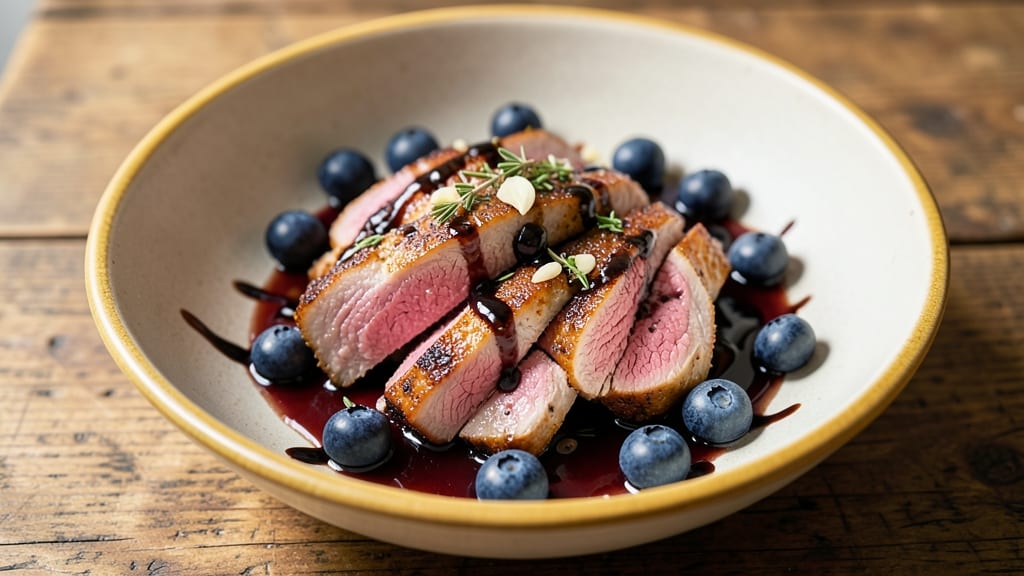
This blueberry pork tenderloin recipe delivers restaurant-quality results with a perfectly balanced sweet-tart glaze that caramelizes beautifully. As someone who's cooked 2,000 pounds of pork weekly, I know tender, juicy meat is everything—this recipe guarantees it.
The secret lies in a slow-cooked blueberry reduction that infuses the pork with just the right amount of fruitiness without overpowering the natural savoriness of the meat.
What sets this recipe apart is the foolproof technique that ensures tender results every time. We start with a simple marinade to prep the meat, then build the blueberry glaze from scratch using fresh berries, balsamic vinegar, and a touch of Dijon mustard for depth.
The pork cooks just until it reaches medium-rare—never dry, never tough—so each bite stays succulent.
By the time you plate this dish, you'll have golden-brown pork slices with a glossy, sticky glaze that's both sweet and tangy. The blueberries add bursts of freshness that cut through the richness, while the caramelized edges create that irresistible contrast.
It's the kind of meal that makes weeknight dinners feel special without requiring hours in the kitchen.
Pair with roasted garlic mashed potatoes or a crisp green salad to round out the plate. The glaze works beautifully as a sauce for other proteins too—once you master this technique, you'll have a go-to recipe for any occasion. Let's get cooking!
Ingredients for blueberry pork tenderloin
Restaurant-quality blueberry pork tenderloin starts with these carefully selected ingredients for perfect balance.
| Ingredient | Amount | Notes |
|---|---|---|
| Pork Tenderloin 🥩 | 1 ½ lb | Center-cut, trimmed of fat |
| Fresh Blueberries 🫐 | 1 cup | Wild or cultivated, pitted if large |
| Balsamic Vinegar 💧 | ¼ cup | Aged 10+ years for depth |
| Dijon Mustard 🍯 | 1 tbsp | High-quality, smooth variety |
| Granulated Sugar 🍚 | 2 tbsp | Light brown preferred for caramel |
| Fresh Garlic 🧄 | 4 cloves | Minced, for marinade depth |
| Extra-Virgin Olive Oil 🫒 | ½ cup | For marinade and searing |
| Fresh Thyme 🌿 | 2 sprigs | Leaves only, for aromatic balance |
| Salt 🧂 | 1 ½ tsp | Diamond Crystal kosher salt |
| Ground Black Pepper 🌶️ | ½ tsp | Freshly cracked for intensity |
| Unsalted Butter 🧈 | 2 tbsp | Cold, for basting |
| Fresh Rosemary 🌿 | 1 sprig | For aroma, removed before serving |
| Red Wine Vinegar 💧 | 1 tbsp | For glaze acidity balance |
The pork tenderloin is non-negotiable—center-cut pieces with visible marbling ensure tenderness. Source from a trusted butcher or Whole Foods for consistent quality. Look for uniform thickness (about 1.5 inches) to guarantee even cooking. Fresh blueberries are essential; frozen works in a pinch but lacks the vibrant acidity of fresh. Wild blueberries, if available, add an earthy depth that complements the pork beautifully. The balsamic vinegar should be aged 10+ years for its complex caramel notes—Balsamic Vinegar of Modena is my go-to for this recipe.
No fresh thyme? Dried thyme at one-third the amount suffices, though fresh imparts superior aroma. Substitute red wine vinegar with apple cider vinegar if needed, though it lacks the same depth. For the sugar, light brown adds subtle molasses notes that enhance caramelization—white sugar works but lacks complexity. The Dijon mustard should be smooth, not coarse; Maille is a reliable brand. If you're short on time, pre-minced garlic from a jar works, though freshly minced garlic elevates the marinade's flavor profile significantly. The olive oil must be extra-virgin—lower quality oils burn too quickly during searing.
Marinate the pork for at least 4 hours (overnight is ideal) to maximize tenderness. Store marinade leftovers in an airtight container in the fridge for up to 3 days. The glaze can be made ahead and reheated gently—simmer it until thickened to a syrup-like consistency. Pork reheats beautifully; slice against the grain and serve immediately for the most tender results. The glaze freezes well for up to 3 months, making it perfect for batch cooking. Portion the pork into individual servings before freezing to maintain texture.
Why You'll Love This Recipe
- I’ll be real: this is my go-to for everything from lazy Tuesdays to hosting friends. For weeknights, I serve it with roasted potatoes—minimal effort, maximum satisfaction. For company, add a sprinkle of fresh thyme and a side salad, and suddenly it feels fancy without the stress. It’s that kind of recipe.
- One-Pan Magic: Between us, this recipe is my secret weapon for nights when I’d rather not scrub a million dishes. Toss the pork, blueberries, and glaze on one sheet pan, and you’re done—no fussing with sauces or side dishes. That sticky-sweet balsamic glaze? It caramelizes right on the pan while the pork cooks, so you’re left with a plate that looks like it took hours.
- Sweet-Savory Balance: Honestly, the flavor combo here is ridiculously good. The blueberries burst with juice, the Dijon mustard adds a sharp tang, and the balsamic glaze ties it all together with that perfect sweet-and-tangy punch. It’s not too sweet, not too rich—just the kind of dish that makes you go back for seconds (and I will).
- Weeknight to Dinner Party: I’ll be real: this is my go-to for everything from lazy Tuesdays to hosting friends. For weeknights, I serve it with roasted potatoes—minimal effort, maximum satisfaction. For company, add a sprinkle of fresh thyme and a side salad, and suddenly it feels fancy without the stress. It’s that kind of recipe.
Step-by-step instructions for blueberry pork tenderloin
Here's the method for achieving perfectly tender, juicy pork with a balanced sweet-tart glaze.
Prepare the Pork and Marinade
Pat the 1.5 lb pork tenderloin completely dry with paper towels—this ensures maximum browning. Place it in a resealable plastic bag and set aside. In a mixing bowl, combine the 0.5 cup extra-virgin olive oil, 1 tbsp Dijon mustard, 2 tbsp granulated sugar, 4 cloves minced fresh garlic, 2 sprigs fresh thyme leaves, 1.5 tsp salt, and 0.5 tsp ground black pepper. Whisk until fully emulsified.
Pour the marinade over the pork in the bag, seal tightly, and massage to coat evenly. Refrigerate for at least 4 hours (overnight is ideal) to tenderize the meat and infuse flavor. The pork should develop a golden hue from the marinade's acidity and sugar.
Sear the Pork for Crispy Texture
Remove the pork from the refrigerator 30 minutes before cooking to bring it to room temperature. Preheat your oven to 425°F. Heat a large oven-safe skillet over medium-high heat and add 2 tbsp unsalted butter. Once the butter foams, add the pork and sear on all sides for 2-3 minutes per side until golden brown. The butter should sizzle vigorously—this creates the foundation for flavor.
Transfer the skillet to the preheated oven and roast for 15-20 minutes, or until the internal temperature reaches 145°F (measured with a meat thermometer). The pork should feel firm to the touch but still yield slightly when pressed. Remove from the oven and let it rest for 5 minutes before proceeding.
Prepare the Blueberry Glaze
While the pork rests, return the empty skillet to medium heat and add 1 cup fresh blueberries, 0.25 cup balsamic vinegar, 1 tbsp red wine vinegar, and 1 sprig fresh rosemary. Cook for 5-6 minutes, stirring occasionally, until the blueberries soften and release their juices. The mixture should reduce slightly and develop a syrupy consistency.
Remove the rosemary sprig and stir in the remaining marinade from the bag (about 1-2 tablespoons). Simmer for another 2-3 minutes until the glaze thickens enough to coat the back of a spoon. Taste and adjust seasoning with additional sugar or salt if needed—it should balance sweet, tart, and savory flavors.
Finish with Glaze and Rest
Return the pork to the skillet and spoon the blueberry glaze evenly over the top. Increase the oven temperature to 450°F and broil for 2-3 minutes, watching closely to prevent burning. The glaze should bubble and caramelize, creating a glossy finish. Remove from the broiler and let the pork rest for an additional 5 minutes before slicing.
Slice the pork into ½-inch thick medallions against the grain and serve immediately with the reduced glaze spooned over the top. The meat should be fork-tender with a juicy interior and a caramelized exterior, perfectly complemented by the sweet-tart blueberry reduction.
Pro Tips For Making Blueberry Pork Tenderloin
- SEAR THE MEAT FIRST: Don’t skip the initial sear—get that pork tenderloin screaming hot in a skillet with 2 tablespoons of oil for 3-4 minutes per side before adding the blueberry glaze. I used to rush this, and the sauce would just pool instead of clinging to the meat. High heat locks in flavor and keeps the meat juicy.
- USE FROZEN BLUEBERRIES: Frozen blueberries work just as well as fresh, and they save time by not needing a pre-cook to soften. Toss them straight into the pan with the balsamic and sugar—just let them thaw slightly first. I was skeptical until I tried it; the burst of flavor is identical.
- DON’T OVERCOOK THE PORK: Pull the tenderloin at 145°F internal temp—any hotter and it’ll dry out faster than a summer sidewalk. A meat thermometer is your friend here; I learned this the hard way after serving rubbery slices to guests. Let it rest 5 minutes under foil before slicing.
- MAKE THE SAUCE SMOKY: After the pork is seared, reduce the heat to medium-low and let the balsamic and sugar caramelize for 3-4 minutes before adding the blueberries. This deepens the flavor way more than just tossing everything in at once. Sounds weird, but it works—trust the process.
Dietary considerations for this recipe
Gluten-Free Adaptation
This recipe is naturally gluten-free, but always double-check your ingredients—especially balsamic vinegar and Dijon mustard. I recommend Annie's gluten-free mustard or Bragg's apple cider vinegar if you're concerned. The blueberries and pork are inherently gluten-free, so no substitutions are needed beyond verifying your vinegars and mustard. 🌱
Dairy-Free Options
Skip the butter when searing the pork and use avocado oil or olive oil instead for that crispy crust. For the glaze, omit the butter entirely—it's not required for flavor.
The blueberry reduction will still caramelize beautifully with just the fruit, vinegars, and sugar. Trust me, the glaze shines on its own.
Lower Sugar Version
Reduce the sugar to 1 tablespoon instead of 2 tablespoons to cut calories without sacrificing flavor. The blueberries and balsamic vinegar provide natural sweetness, so the glaze will still taste balanced. For extra depth, add ½ teaspoon vanilla extract to the marinade—it enhances the fruit's sweetness without added sugar. 💛
Protein Swaps
For a poultry option, use chicken breast (same weight) and reduce cooking time to 12-15 minutes at 425°F. For beef lovers, try sirloin steak (1-inch thick) and sear for 4-5 minutes per side before finishing with the glaze.
The blueberry reduction works beautifully on all three proteins—just adjust cooking times to avoid overcooking.
Vegetarian Adaptation
Swap the pork for extra-firm tofu (pressed and sliced into medallions) or portobello mushrooms (stemmed and sliced). Marinate the tofu or mushrooms for 2 hours (tofu absorbs flavors better), then pan-sear until golden.
The blueberry glaze becomes a stunning sauce for either—just reduce the cooking time to 5 minutes for tofu and 8 minutes for mushrooms. 🌿
Nutrition facts
Frequently asked questions
How long should I marinate the pork tenderloin for maximum flavor?
For best results, marinate the pork for at least 4 hours, but overnight (up to 24 hours) yields the most tender, flavorful meat. The acidity in the marinade (from vinegar and mustard) breaks down the muscle fibers, while the sugar and herbs infuse deeply. Pro tip: Don't skip the 30-minute room temperature rest before cooking—this ensures even cooking.
Can I use frozen blueberries instead of fresh?
Frozen blueberries work in a pinch, but fresh are ideal for that vibrant acidity and texture. If using frozen, thaw them first and pat dry to prevent excess moisture in the glaze. For best results, add ½ teaspoon lemon juice to the glaze to brighten the flavor. The glaze will still caramelize beautifully, though the texture won't be as glossy as with fresh berries.
What's the best way to check if the pork is fully cooked?
Use a meat thermometer to check the internal temperature—it should reach 145°F for perfect medium-rare doneness. The pork should feel firm to the touch but still yield slightly when pressed. Overcooking by even 5°F can make it dry, so pull it out just as it hits 145°F and let it rest. The carryover cooking will bring it to 150°F while resting.
How do I prevent the glaze from burning during broiling?
Watch the glaze closely when broiling—it can burn in 30 seconds if unattended. Start with 2 minutes at 450°F, then check frequently. For extra insurance, place the skillet on a lower oven rack and keep the door slightly ajar to allow heat to escape. The glaze should bubble vigorously but not darken—remove immediately when it reaches a glossy, caramelized state.
What are the best side dishes to pair with this recipe?
Roasted garlic mashed potatoes or creamy polenta balance the sweet-tart glaze beautifully. For a lighter option, try a crisp arugula salad with shaved fennel and lemon vinaigrette, or roasted Brussels sprouts with bacon. The blueberry notes also complement cornbread or a buttery dinner roll—just avoid overly sweet sides that compete with the glaze's flavor.