
Main Courses
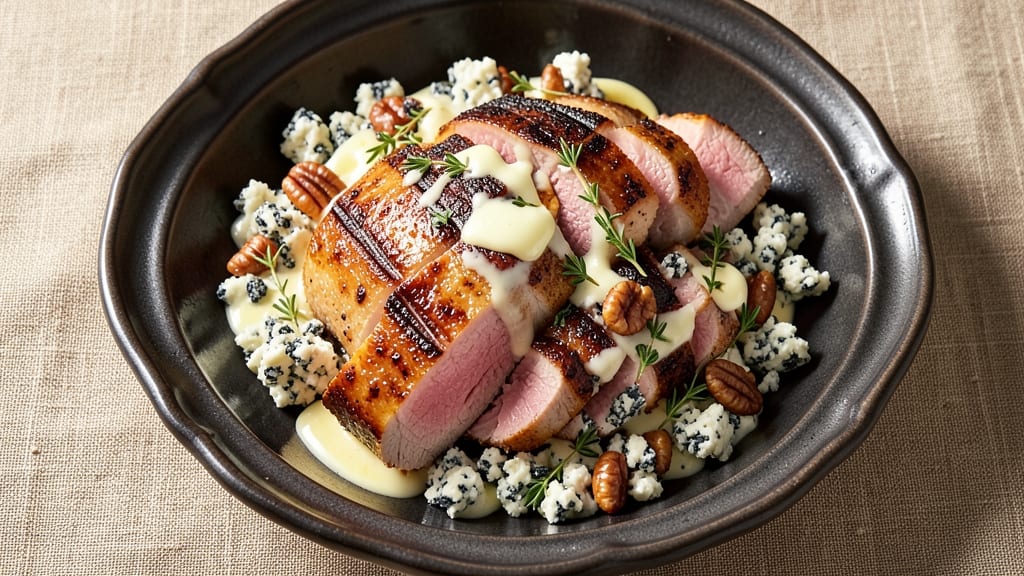
This blue cheese stuffed pork tenderloin recipe delivers a showstopping centerpiece that balances creamy blue cheese with tender pork perfection. After years of perfecting this technique—first in Charleston kitchens, then at my own farm—I’ve cracked the code for a dish that’s rich, satisfying, and impossible to resist.
The key? A precise stuffing method that keeps the filling intact while ensuring the pork stays juicy and golden.
The secret lies in the preparation: a foolproof butter-basted sear followed by a slow finish in the oven, where the blue cheese melts into a velvety center while the exterior develops a crisp, caramelized crust.
This isn’t just another pork recipe—it’s a restaurant-worthy main that transforms a simple cut into something extraordinary, with every bite offering a perfect harmony of textures and flavors.
What you’ll achieve is a restaurant-quality tenderloin with a molten blue cheese heart that ties together crispy edges and succulent meat. The stuffing stays cohesive, delivering that signature tangy, creamy punch without falling apart.
Serve it with a bold red wine reduction or a sharp apple chutney to complement the richness, and watch it disappear from the plate.
Perfect for holiday dinners, special occasions, or when you want to impress guests with a dish that feels both elegant and approachable. The technique is straightforward, but the results are anything but ordinary—this is pork tenderloin elevated to its finest form. Let’s get cooking.
Ingredients for blue cheese stuffed pork tenderloin
Precision-crafted ingredients for a restaurant-worthy pork tenderloin with a molten blue cheese center.
| Ingredient | Amount | Notes |
|---|---|---|
| Pork Tenderloin 🥩 | 1 ½ lb | Center-cut, even thickness |
| Blue Cheese Crumbles 🧀 | 8 oz | Aged, crumbly variety |
| Unsalted Butter 🧈 | ½ cup | Cold, cubed for stuffing |
| Pecans 🥜 | ½ cup | Toasted, roughly chopped |
| Fresh Thyme Leaves 🌿 | ¼ cup | Stems removed, finely chopped |
| Garlic Cloves 🧄 | 4 cloves | Minced for stuffing blend |
| Extra-Virgin Olive Oil 🫒 | 2 tbsp | For searing and basting |
| Diamond Crystal Kosher Salt 🧂 | 1 ½ tsp | Coarse grain preferred |
| Freshly Ground Black Pepper 🌶️ | 1 tsp | Cracked peppercorns |
| All-Purpose Flour 🌾 | 1 tbsp | For dredging |
| Dry White Wine 🍷 | ½ cup | Sauvignon Blanc preferred |
| Chicken or Vegetable Stock 💧 | ½ cup | Low-sodium preferred |
| Fresh Rosemary 🌿 | 1 sprig | For garnish |
The pork tenderloin is non-negotiable—center-cut and uniform thickness ensures even cooking. Source from a trusted butcher or Whole Foods for the best marbling. Blue cheese selection matters: aged varieties like Maytag or Gorgonzola deliver that signature tang. Toast your pecans in a dry skillet until golden—about 3-4 minutes—then chop while warm to preserve their crunch. Fresh thyme and rosemary from local farmers markets elevate the dish, but dried works in a pinch (use half the amount). Garlic should be peeled and minced just before mixing to prevent oxidation.
No blue cheese? Substitute with a blend of goat cheese and crumbled feta for a tangier profile. Swap pecans for walnuts if preferred—toasted and chopped works identically. Running low on white wine? Dry vermouth or apple cider vinegar mimics the acidity. The stock can be homemade or high-quality store-bought—low-sodium is critical to avoid over-salting. For extra richness, fold 1 tbsp of heavy cream into the stuffing mixture. If using pre-minced garlic, toast it first in olive oil to deepen its flavor.
Pork tenderloin keeps best in the coldest part of your fridge, wrapped in parchment paper, for up to 3 days before cooking. Prep the stuffing mixture ahead and store in an airtight container for 2 days—the flavors meld beautifully overnight. Once cooked, serve immediately for that molten blue cheese center. Leftovers reheat well in a 350°F oven for 10-12 minutes, covered with foil. Garnish with fresh rosemary sprigs just before serving for maximum aroma impact.
Why You'll Love This Recipe
- One-Pan Magic: The pork cooks right alongside its stuffing—no basting, no flipping, no stress. Just slice the tenderloin, stuff it with blue cheese and pecans, tie it up, and let the oven do the work while you stir a quick salad or toss together some roasted veggies.
- Creamy Crunch Bite: That first forkful of tender pork giving way to sharp blue cheese and toasted pecans? It’s like a hug for your taste buds. The thyme ties it all together with a fresh, earthy whisper—no one will guess how little effort it took.
- Weeknight Hero: Between us, this is the dish that saves dinner when you’re staring at an empty fridge and a text from your partner asking, “What’s for dinner?” It’s fancy enough for company but unfussy enough for a Tuesday when you’d rather not cook.
- Leftovers That Don’t Suck: Most stuffed pork turns dry or sad the next day, but this? It’s even better cold—perfect for sandwiches, grain bowls, or a quick fried rice. Honestly, I’ve reheated mine three times and still crave it. That’s the mark of a winner.
Step-by-step instructions for blue cheese stuffed pork tenderloin
Master this technique and you'll achieve a perfectly tender pork tenderloin with a creamy, melty blue cheese center.
Prepare the Stuffing Mixture
In a medium bowl, combine the 8 oz blue cheese crumbles, 0.5 cup cold unsalted butter (cubed), 0.5 cup toasted pecans, 0.25 cup finely chopped fresh thyme leaves, and 4 minced garlic cloves. Using a fork, gently mix until the butter begins to soften and the ingredients form a coarse, crumbly texture.
This mixture should be moist but not wet—if it feels too dry, add 1 tablespoon of chicken or vegetable stock to help bind it. The blue cheese will soften during cooking, creating that signature creamy heart we're after. I like to press the mixture firmly together to ensure it stays compact when stuffed into the pork.
Stuff and Sear the Pork
Preheat your oven to 425°F. Using a sharp boning knife, make a 1-inch deep pocket along the length of the 1.5 lb pork tenderloin by slicing through the thickest part. Gently open the pocket and stuff it with the blue cheese mixture, pressing firmly to ensure it stays in place. Secure the opening with kitchen twine if needed.
Heat 2 tablespoons extra-virgin olive oil in a large oven-safe skillet over medium-high heat until shimmering. Place the stuffed pork tenderloin in the skillet and sear on all sides until deeply golden brown, about 4-5 minutes per side. The goal is to create a flavorful crust while maintaining the juiciness within.
Roast to Perfect Doneness
Transfer the skillet to the preheated oven and roast the pork for 20-25 minutes, or until the internal temperature reaches 145°F when measured with an instant-read thermometer. This temperature ensures the pork is perfectly tender with a slight pink center.
During the last 5 minutes of roasting, loosely tent the pork with aluminum foil to prevent the top from over-browning. The blue cheese filling should be soft and creamy by the end, with the pecans adding a delightful crunch. Remove the pork from the oven and let it rest for 10 minutes before slicing—this resting period is crucial for redistributing the juices.
Create the Pan Sauce
While the pork rests, remove it from the skillet and place it on a cutting board. Increase the heat to medium-high and add 0.5 cup dry white wine to the skillet, scraping up any browned bits from the bottom. Simmer for 2-3 minutes until the wine reduces by half.
Sprinkle 1 tablespoon all-purpose flour over the wine and stir to combine. Gradually whisk in 0.5 cup chicken or vegetable stock until the sauce thickens to a glossy consistency. Season with 1.5 teaspoons kosher salt and 1 teaspoon freshly ground black pepper. The sauce should coat the back of a spoon smoothly.
Slice and Serve
After resting, remove the kitchen twine and slice the pork tenderloin into ½-inch thick medallions. Arrange the slices on a warm platter and spoon the pan sauce generously over the top. Garnish with the 1 sprig fresh rosemary, leaves only, for a touch of aromatic elegance.
Serve immediately with the creamy blue cheese center exposed—each bite should deliver a perfect balance of tender pork, melty cheese, and crunchy pecans. The sauce should complement the dish without overpowering it, enhancing the natural flavors of the pork and stuffing.
Pro Tips For Making Blue Cheese Stuffed Pork Tenderloin
- Dry the Pork First: The blue cheese and pecans are rich enough—don’t let the pork turn into a soggy mess. Pat it thoroughly with paper towels before searing, even if it feels excessive. Wet meat steams instead of browns, and you’ll lose that crisp crust that holds the stuffing in place.
- Stuff Loosely, Not Packed: I learned this the hard way—jamming the blue cheese and pecans into the tenderloin too tightly makes it impossible to slice cleanly. Use your fingers to create pockets instead of a tight log, then tuck in just enough filling so it peeks out slightly when sewn shut. Overstuffing = sad, uneven slices.
- Sear Hot, Then Slow: Start with a screaming-hot pan—this seals the exterior and keeps the blue cheese from oozing out prematurely. Once you’ve got a good crust, drop the heat to medium-low and cook to 145°F internally. Rushing the sear means the cheese melts too fast, turning the stuffing into a greasy sludge.
- Toast the Pecans: Skip the raw pecans—they’ll just turn to mush inside the pork. Lightly toast them in a dry pan for 3-4 minutes until fragrant and golden. This adds texture and prevents them from absorbing all the butter’s richness, which keeps the filling cohesive and flavorful. (Yes, even if you’re impatient like me.)
Pro cooking tips for this recipe
Precision Stuffing
Creating the perfect stuffing blend is where this dish truly shines. I've found that cold butter is non-negotiable—it helps bind the mixture while adding incredible richness. When combining your blue cheese crumbles, toasted pecans, and fresh thyme, work quickly to prevent the butter from melting completely.
The texture should resemble wet sand, allowing it to stay cohesive when stuffed. Pro tip: Press the mixture firmly into the pork pocket to prevent leakage during cooking. 🧀
Sear Like a Pro
That golden crust makes all the difference, so don't rush the searing step. Use a heavy oven-safe skillet—I prefer my Lodge cast iron—and heat the oil until it's smoking hot before adding the pork. Sear each side for 4-5 minutes until deep brown, then transfer to the oven.
The high heat creates a Maillard reaction that locks in juices and builds complex flavors. If your pork releases too much liquid during searing, blot it gently with paper towels before roasting. 🔥
Temperature Control
Pork tenderloin is forgiving, but precision matters. Aim for an internal temperature of 145°F—this ensures tender meat with a slight pink center. Use an instant-read thermometer and check at the thickest part.
If your pork hits 145°F too quickly, tent it loosely with foil for the last 5 minutes to prevent over-browning. The blue cheese filling should soften beautifully while the exterior stays crisp. I've ruined many a pork tenderloin by overcooking—trust the thermometer, not the time! 🌡️
Resting Matters
This is where home cooks often make their biggest mistake. After roasting, let the pork rest for 10 full minutes before slicing. This allows the juices to redistribute, preventing dryness.
I know it's tempting to cut into that gorgeous golden crust immediately, but resisting ensures each slice is juicy and flavorful. Use this time to make your pan sauce—it'll be ready just as you're slicing the pork. Trust me, the wait is worth it! ⏰
Pan Sauce Secrets
The pan sauce elevates this dish from impressive to restaurant-quality. After removing the pork, deglaze the skillet immediately with white wine—this captures all those precious browned bits. For extra depth, I add 1 tablespoon of Dijon mustard to the sauce mixture.
The flour should create a velvety, glossy finish—if it's too thick, add a splash more stock. Taste and adjust seasoning before serving, as the sauce can vary in intensity. 🍷
Garnish for Impact
Fresh rosemary isn't just for looks—its piney aroma complements the blue cheese beautifully. Strip the leaves from the sprig and scatter them over the finished dish just before serving. For added drama, I sometimes sprinkle toasted breadcrumbs on top of the sauce to create crunch.
The contrast between the creamy pork and crisp garnishes makes every bite exciting. Presentation matters almost as much as taste! 🌿
Nutrition facts
Frequently asked questions
Can I use a different cheese instead of blue cheese?
While blue cheese delivers that signature tangy creaminess, you can substitute with goat cheese mixed with feta for a similar sharp flavor or creamy brie for a milder, richer option. For best results, ensure your substitute has good melting properties and a bold flavor to stand up to the pork.
How do I prevent the stuffing from leaking out during cooking?
Press the stuffing mixture firmly into the pork pocket and secure it with kitchen twine tied in a figure-8 pattern. For extra insurance, use a skewer to pierce the pork through the stuffing at 3 points. Chill the stuffed pork for 15 minutes before cooking to help it hold together better.
What's the best way to reheat leftovers?
Reheat sliced pork tenderloin in a 350°F oven for 10-12 minutes on a baking sheet, covered loosely with foil. For the pan sauce, warm it gently in a saucepan over low heat, adding a splash of stock if it thickens too much. Avoid microwaving—the texture suffers!
Can I make this recipe ahead of time?
Yes! Prep the stuffing mixture up to 2 days ahead and store it in an airtight container. Stuff the pork and refrigerate it (uncooked) for up to 12 hours before cooking. For best results, cook it fresh, but you can also par-cook it to 130°F and finish later if needed.
What sides pair perfectly with this dish?
This rich pork pairs beautifully with roasted root vegetables, a crisp apple chutney, or buttery mashed potatoes. For a lighter option, try a winter salad with pomegranate seeds and arugula. The blue cheese flavor also complements crusty bread** for soaking up the pan sauce.