
Main Courses
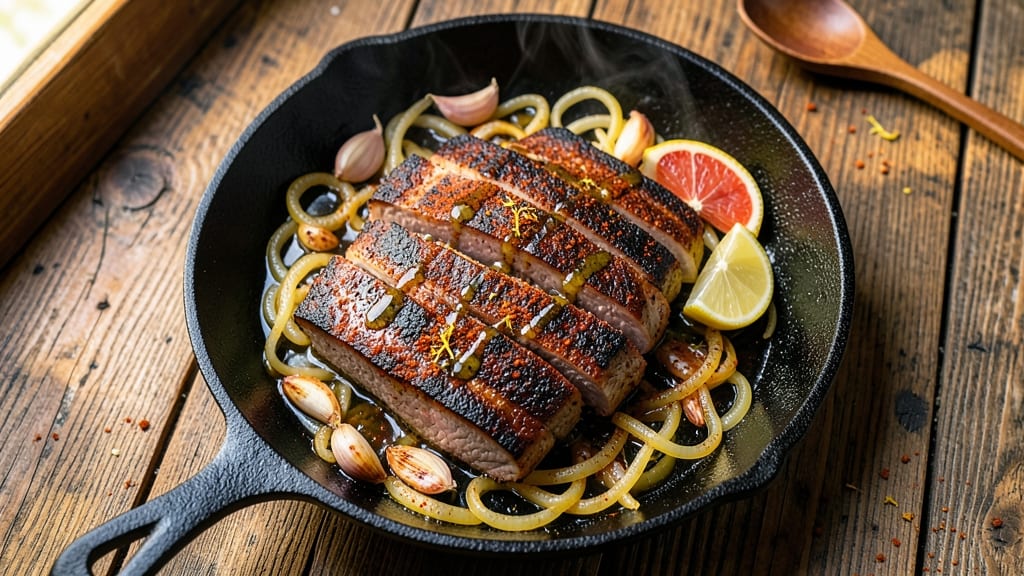
This blackened pork recipe delivers the perfect balance of crispy, charred crust and juicy pink centers—a technique I perfected during my years cooking at The Smoky Pig.
The secret lies in the Cajun-inspired spice blend and high-heat searing that creates that signature blackened crust while keeping the meat tender inside. I’ve tested this recipe countless times, and it never fails to impress, whether served at a family gathering or a weekend dinner with friends.
What sets this recipe apart is the foolproof method for achieving that coveted blackened crust without drying out the pork.
We start with a simple marinade of garlic, onion, and lemon juice to tenderize the meat, followed by a generous coating of Cajun seasoning—paprika, cayenne, garlic powder, and thyme—that creates a flavorful bark.
The key is using a cast-iron skillet heated to high, which ensures even searing and a smoky aroma that fills your kitchen.
By the time it’s done, you’ll have pork chops or tenderloin slices with a deep, charred crust that’s packed with smoky, spicy flavor, while the inside remains tender and juicy—exactly how pork should be.
The Cajun spices add a kick of heat and complexity, making this dish feel like a taste of New Orleans or a smoky Georgia backyard BBQ. Serve it with a side of rice, roasted vegetables, or a tangy citrus sauce to cut through the richness.
This recipe is designed to be restaurant-quality at home, with minimal prep and maximum flavor. Whether you're cooking for a crowd or treating yourself to a special meal, the results are always impressive. Let’s get started—your taste buds (and dinner guests) will thank you.
Ingredients for blackened pork
Pork tenderloin, Cajun spices, and a cast-iron skillet—just three key players for this smoky, juicy masterpiece.
| Ingredient | Amount | Notes |
|---|---|---|
| Pork Tenderloin 🐖 | 1 ½ lb | Center-cut for even cooking |
| Garlic Cloves 🧄 | 4 cloves | Minced for marinade |
| Yellow Onion 🧅 | 1 whole | Finely chopped for marinade |
| Lemon Juice 🍋 | 2 tbsp | Freshly squeezed |
| Paprika 🌶️ | 2 tbsp | Smoked for depth |
| Cayenne Pepper 🔥 | 1 tsp | Adjust for heat preference |
| Garlic Powder 🧄 | 1 tsp | For extra flavor |
| Dried Thyme 🌿 | 1 tsp | Or 1 tbsp fresh |
| Salt 🧂 | 1 tsp | Kosher or sea salt |
| Black Pepper 🌶️ | ½ tsp | Freshly ground |
| Olive Oil 🫒 | 2 tbsp | For high-heat searing |
| Butter 🧈 | 2 tbsp | Cold, for finishing |
| Fresh Parsley 🌿 | ¼ cup | Chopped for garnish |
The pork tenderloin is your star, so grab the center-cut piece—it’s leaner and cooks more evenly. Costco or Whole Foods usually carry great quality, but any grocery store’s butcher section works. For the Cajun seasoning, smoked paprika is non-negotiable—it adds that signature depth. If you can’t find it, regular paprika plus a pinch of liquid smoke gets close. The garlic and onion in the marinade should be finely minced—a food processor makes this easy, but a sharp knife works too. Trust me, skipping this step means missing out on the full flavor punch.
No smoked paprika? Substitute regular paprika plus 1/4 tsp liquid smoke. Fresh thyme is ideal, but dried works at one-third the amount. The lemon juice can be swapped for white wine vinegar if you’re out, though it’ll taste slightly different. For the heat, cayenne is the way to go—red pepper flakes at half the amount if you’re sensitive. The olive oil matters here—use something with a high smoke point like avocado or grapeseed oil if you’re worried about burning. And if you’re cooking for a crowd, double the marinade and seasoning—it’s worth the extra effort.
This pork keeps best in the fridge for 2 days if you’ve got leftovers—though honestly, it’s so good you’ll probably eat it all. For meal prep, slice it thin and store in an airtight container with a paper towel to absorb any moisture. The marinade ingredients can be prepped ahead and stored in the fridge for 3 days. Freezing isn’t recommended for the pork itself, but you can freeze the marinade for 3 months. And if you’re serving a crowd, cook it in batches—your cast-iron skillet will thank you.
Why You'll Love This Recipe
- One-Pan Magic: I swear by this for nights when I’d rather not wash a million dishes. Slice the tenderloin, toss it with minced garlic, onion, and that smoky paprika—then let the oven do the work. No fancy techniques, just hands-off perfection.
- Crispy-Creamy Fixation: The blackened crust? Chef’s kiss. But here’s the real win: that tender, juicy center with lemon cutting through the richness. It’s the kind of bite that makes people ask, “What’s in this?”—then beg for seconds.
- Weeknight to Dinner Party: Between us, this is my go-to for both Taco Tuesday and when Aunt Karen drops by. Slice it thin for tacos, serve it thick for a fancy platter. The prep’s the same; the occasion just changes.
- Budget-Friendly Protein: Pork tenderloin’s lean but packs flavor, and a single cut feeds four with leftovers that reheat like a dream. I’ve turned last night’s dinner into tomorrow’s sandwiches—no waste, all satisfaction.
Step-by-step instructions for Cajun-spiced pork tenderloin
Here's how to create a restaurant-quality blackened crust while keeping the inside perfectly juicy.
Prepare the Cajun Marinade
In a medium bowl, combine the 2 tablespoons paprika, 1 teaspoon cayenne pepper, 1 teaspoon garlic powder, 1 teaspoon dried thyme, 1 teaspoon salt, and ½ teaspoon black pepper. This is your Cajun dry rub—mix it thoroughly so every grain of spice gets coated evenly. The cayenne will bring heat, while the paprika gives that signature smoky depth.
Add the 2 tablespoons lemon juice and 2 tablespoons olive oil to the spice blend. Stir until it forms a thick paste—this helps the spices stick to the pork. If it's too dry, add a splash of water, but don't overdo it. The marinade should be just moist enough to cling without dripping.
Coat and Rest the Pork
Pat the 1.5 lb pork tenderloin dry with paper towels—this is crucial for that crispy crust. Rub the marinade all over the pork, pressing it into the meat so it adheres well. Let it sit at room temperature for 15 minutes while you prep the rest of your ingredients. This short rest ensures even cooking and helps the spices penetrate slightly.
While the pork rests, finely chop the 1 whole yellow onion and mince the 4 cloves garlic. These will add sweetness and depth to the finished dish. Keep them separate until you're ready to cook—raw onions and garlic can make the pork taste bitter if they sit too long.
Sear the Pork to Perfection
Heat a large cast-iron skillet over medium-high heat until it's smoking hot. Add the pork and sear for 3-4 minutes per side, pressing down gently with a spatula during the first minute. This prevents curling and ensures even contact with the pan. You'll know it's ready when the crust is deep brown and slightly charred in spots.
Remove the pork from the skillet and let it rest on a cutting board for 5 minutes. This resting period is non-negotiable—it allows the juices to redistribute, ensuring every bite stays moist. While it rests, add the chopped onion and garlic to the skillet and cook for 2-3 minutes until softened but not browned.
Finish with Butter and Garnish
Return the skillet to medium heat and add the 2 tablespoons cold butter. Tilt the pan slightly and spoon the melted butter over the pork, basting it for 1-2 minutes until it's glossy and golden. The butter adds richness and helps create a silky finish.
Transfer the pork to a serving platter and sprinkle with the ¼ cup chopped fresh parsley. The parsley brightens the dish and adds a fresh contrast to the bold Cajun flavors. Slice the pork into ½-inch thick medallions and serve immediately with the onion-garlic mixture spooned over the top.
Serve with Confidence
Each slice should have a crispy, blackened crust on the outside and a juicy, pink center inside. The pork should be tender enough to cut with a fork but still hold its shape. Serve with your favorite sides—roasted potatoes, a fresh salad, or crusty bread to soak up the juices.
If you're worried about the heat level, remember you can always adjust the cayenne to taste. The key here is high heat for the crust and patience for the juicy interior. This method guarantees a perfect balance every time.
Pro Tips For Making Blackened Pork
- CRANK THE HEAT THEN DROP IT: High heat is non-negotiable for that signature blackened crust, but after the first 2 minutes, cut it to medium-high—pork tenderloin cooks fast, and you’ll end up with charred edges and gray centers if you don’t. I learned this the hard way after serving a batch where the outside was burnt and the inside was still pink.
- SMASH THAT GARLIC: Don’t just mince it—smash those cloves with the flat side of your knife first, then chop. This releases more flavor and ensures it doesn’t burn before the pork does. (Yes, even if you’re impatient like me, resist the urge to skip this.)
- DON’T SKIP THE REST: Pork tenderloin finishes cooking after it hits 145°F, so pull it off the heat at 140°F and let it rest for 5-10 minutes under foil. I used to cut into it too soon, and the juices would run out—now I wait, and the meat stays juicy.
- USE BUTTER FOR CRUST: Toss the pork in paprika, then sear it in 2 tablespoons of oil and 1 tablespoon of butter—it adds richness and helps the spices stick. (Your future self will thank you when the crust isn’t just blackened but flavorful blackened.)
Storing and reheating this blackened pork
Fridge Storage Essentials
Store leftover blackened pork in an airtight container with a paper towel pressed on top to absorb excess moisture. I like using glass Pyrex containers because they keep flavors fresher than plastic. Keep it refrigerated for up to 2 days—though honestly, it rarely lasts that long in my house!
The spices actually deepen in flavor overnight, making it taste even better the second day. 💪
Slice the pork into ½-inch medallions before storing to make reheating easier. I often prep a batch of these for quick lunches during the week. Just pop them in the fridge right after they cool completely to maintain that perfect texture.
Freezer-Friendly Prep
While I don't recommend freezing the pork itself (it can dry out), you can freeze the Cajun marinade for up to 3 months. Just store it in a freezer-safe bag with the measurements labeled.
When you're ready to use it, thaw it in the fridge overnight and use it just like fresh. This is perfect for meal prep Sundays when you want to have everything ready for the week ahead. ❄️
Stovetop Reheating
For the best results, reheat your blackened pork in a cast-iron skillet over medium heat for 5-7 minutes. Add 1 tablespoon of water or chicken broth to the pan to prevent sticking and keep it moist.
Cover the skillet with a lid for the last 2 minutes to help steam the pork gently. This method preserves that crispy crust while keeping the inside juicy. 🔥
Microwave Shortcuts
When you're in a hurry, the microwave works too—just use low power to avoid drying out the pork. Place a damp paper towel over the pork and heat in 30-second bursts until it reaches 165°F internal temperature.
I usually do 2 bursts with a quick stir in between. Add a splash of water if it looks dry after reheating.
Serving Leftovers
Blackened pork makes fantastic sandwiches or tacos the next day. Pile it onto toasted brioche buns with avocado and pickled onions for a Southern-style po' boy. Or serve it in corn tortillas with crumbled queso fresco and sliced jalapeños for a spicy kick.
The flavors only get better with a little creativity! 🌟
Nutrition facts
Frequently asked questions
Can I use pork chops instead of tenderloin for this recipe?
Bone-in pork chops work beautifully—just increase cooking time to 4-5 minutes per side for 1-inch thick chops. The bones add flavor, but be sure to remove them before serving. For thicker cuts (1.5 inches), reduce heat slightly to medium to avoid overcooking the center.
Why does my blackened pork turn out dry?
Overcooking is the #1 culprit! Use a meat thermometer—pork should reach 145°F internal temp (not 165°F). The 5-minute rest is critical too—skipping it lets juices escape. For extra moisture, baste with butter during the last 2 minutes of cooking or marinate for 1-2 hours instead of just 15 minutes.
What's the best way to make this spicier?
Double the cayenne to 2 teaspoons or add ½ teaspoon crushed red pepper flakes to the marinade. For heat lovers, try ½ teaspoon smoked paprika + ½ teaspoon chipotle powder instead of regular paprika. Always taste the spice blend first—you can adjust before applying to the pork.
Can I grill this instead of pan-searing?
Yes! Preheat your grill to high heat (450-500°F) and cook for 3-4 minutes per side, pressing with a grill press to prevent curling. For indirect heat, move pork to a cooler zone after searing. The cast-iron skillet method gives the darkest crust, but grilling adds smoky depth—try both for variety!
What sides pair best with blackened pork?
For a Cajun feast, try dirty rice (with andouille sausage), grilled corn on the cob, or creamy coleslaw. The smoky pork also loves roasted sweet potatoes or garlic mashed potatoes. For acidity, serve with pickled vegetables or a citrus salsa—both cut through the richness.