
Main Courses
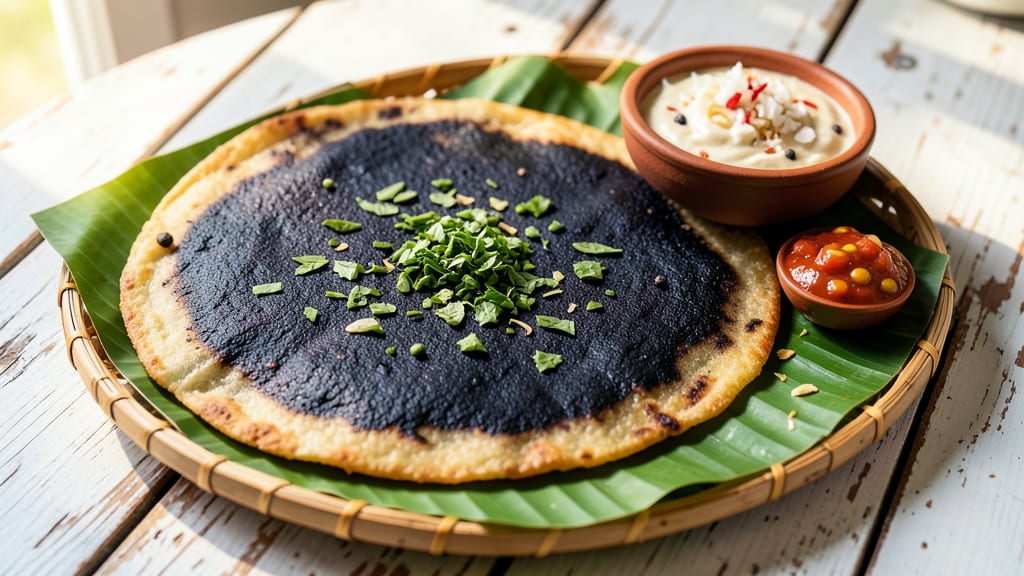
This black rice dosa recipe transforms traditional South Indian breakfast into a nutrient-packed powerhouse with its deep purple hue and toasted coconut crunch. 💜 The secret lies in fermenting black rice with urad dal—creating a batter rich in anthocyanins while developing that signature tangy flavor essential for perfect dosas.
What sets these apart is the black rice's nutritional edge: packed with fiber, antioxidants, and more protein than white rice, yet still achieving that signature crispy edge when cooked on a hot griddle.
The toasted coconut topping adds a textural contrast that makes each bite irresistible, while traditional pairings like coconut chutney or sambar complete the experience.
Ingredients for black rice dosa
Fermented black rice, urad dal, and coconut create this nutrient-rich dosa with deep purple beauty.
| Ingredient | Amount | Notes |
|---|---|---|
| Black Rice 🌾 | 1 cup | Uncooked, soaked overnight |
| Urad Dal 🌾 | ½ cup | Split, washed thoroughly |
| White Rice 🌾 | ¼ cup | Uncooked, for texture |
| Fresh Curd (Yogurt) 🥛 | ½ cup | Unsweetened, vegan coconut yogurt |
| Salt 🧂 | 1 tsp | Diamond Crystal preferred |
| Fresh Fenugreek Leaves 🌿 | ¼ cup | Finely chopped, optional |
| Fresh Coconut 🥥 | ½ cup | Shredded, unsweetened |
| Coconut Oil 🫒 | ¼ cup | For griddle cooking |
| Asafoetida (Hing) 🌶️ | ⅛ tsp | Pinch for fermentation boost |
| Water 💧 | 1 ½ cups | Filtered, room temperature |
| Lemon Juice 🍋 | 1 tbsp | Freshly squeezed, for tang |
| Cumin Seeds 🌿 | ½ tsp | Toasted for aroma |
| Black Peppercorns 🌶️ | ¼ tsp | Crushed lightly |
| Sesame Seeds 🌾 | 1 tbsp | Toasted for garnish |
Black rice is the star here—look for whole grains at Indian specialty stores like Patel Brothers or online retailers. The anthocyanins give it that striking purple hue and boost nutritional value. Urad dal should be split and washed thoroughly to remove bitterness. For the white rice, jasmine or basmati works best to complement the black rice's earthiness. Fresh fenugreek leaves add a unique aroma but can be skipped if unavailable. The coconut yogurt from brands like So Delicious ensures a tangy, vegan-friendly fermenting agent.
No black rice? Substitute with equal parts purple sweet potato and white rice for color, though texture will differ. Urad dal unavailable? Chana dal or moong dal work in a pinch, but fermentation time may vary. For the coconut, unsweetened flakes from Trader Joe's are ideal—avoid pre-shredded versions with additives. The asafoetida (hing) is crucial for fermentation and flavor; if unavailable, a pinch of garlic powder can substitute. For extra crunch, toast the sesame seeds in a dry pan until golden brown before adding to the batter.
The batter ferments best at 80-85°F for 8-12 hours—place it in a warm spot like near the oven with the light on. Once fermented, use within 24 hours for optimal texture. Store leftover batter in an airtight container in the fridge for up to 3 days. The toasted coconut topping keeps for 1 week in a sealed jar, making it perfect for batch cooking. For best results, cook dosas on a hot griddle with coconut oil—this ensures that signature crispy edge.
Why You'll Love This Recipe
- No-Soak Nightmare: I swear by this—just soak the black rice and urad dal for 4 hours (or overnight if you’re planning ahead), then blend with curd and a pinch of salt. No grinding, no fuss, no waiting past breakfast. The batter sits happily in the fridge for days, ready when you are.
- Deep, Nutty Magic: That first bite? The black rice gives it this earthy, almost caramel-like depth you won’t find in regular dosas. The urad dal keeps it fluffy, while the curd adds a subtle tang—like a hug for your taste buds. (Yes, even my picky husband asks for seconds.)
- Leftover Hero: These dosas reheat like a dream—crispy edges, soft centers, no soggy middle. Pack them for lunch, freeze extras, or serve them cold with coconut chutney the next day. Honestly, I make a big batch on Sundays just to avoid decision fatigue later.
- Pocket-Friendly Luxury: Black rice might sound fancy, but a cup goes a long way. Urad dal is cheap, white rice stretches the batter, and curd adds richness without breaking the bank. It’s the kind of meal that feels special but won’t make you stress over the grocery bill.
Step-by-step instructions for fermented black rice dosa
Transform these vibrant ingredients into crispy, purple-hued dosas with a perfect fermented crunch.
👨🍳 Step 1: Soak and Grind the Black Rice Batter
Begin by soaking the 1 cup black rice and 0.5 cup urad dal separately in filtered water for 8 hours (or overnight). The black rice will absorb water and develop its signature deep purple hue. After soaking, drain both and transfer to a wet grinder or food processor.
Add the 0.25 cup white rice, 0.5 cup fresh curd (yogurt), 1 tsp salt, 0.125 tsp asafoetida (hing), 0.5 tsp toasted cumin seeds, and 0.25 tsp crushed black peppercorns to the soaked grains. Grind into a smooth, slightly runny batter—it should resemble thick pancake batter but flow easily when poured. The batter should be smooth with no graininess, and the purple color should be vibrant. If too thick, add 1-2 tablespoons of water to achieve the right consistency.
🥘 Step 2: Ferment the Batter Overnight
Transfer the batter to a clean, wide-mouthed container and smooth the surface. Cover with a damp cloth or plastic wrap to prevent a skin from forming. Let it ferment at room temperature (70-75°F) for 12-14 hours. You'll know it's ready when it rises slightly, develops a slightly tangy aroma, and bubbles form on the surface.
I like to place the batter in a warm spot—near the oven with the light on works well. Avoid refrigerating, as cold temperatures slow fermentation. If fermenting in a cooler climate, extend the time to 16 hours for optimal tang. The batter should be light and airy, with a consistency similar to crepe batter. If it smells overly sour or has a strong alcohol odor, fermentation has gone too far—start fresh.
🔥 Step 3: Prepare the Griddle and Cooking Oil
Heat a non-stick griddle or skillet over medium-high heat until hot. Add 0.25 cup coconut oil and swirl to coat the surface evenly. The oil should shimmer but not smoke—this ensures crispy dosas without burning. Keep the heat at medium-high throughout cooking; too low, and the dosas will be greasy; too high, and they'll burn before cooking through.
While the griddle heats, fold the 0.25 cup finely chopped fresh fenugreek leaves and 0.5 cup shredded fresh coconut into the fermented batter. The fenugreek adds a subtle bitterness that balances the coconut's sweetness, while the coconut introduces a tropical crunch. Mix gently to avoid deflating the batter. Let the batter rest for 5 minutes before using—this helps the flavors meld.
🍳 Step 4: Pour and Cook the Dosas
Ladle ½ cup portions of batter onto the hot griddle, tilting it to spread into 6-inch circles. Immediately drizzle 1 tsp coconut oil over each dosa and sprinkle with 1 tsp toasted sesame seeds. The oil prevents sticking and adds extra crispiness. Cook for 2-3 minutes until the edges turn golden brown and crispy, then flip carefully with a spatula.
Press down gently with the spatula during the first 30 seconds after flipping—this ensures even cooking and prevents puffing. The dosa is ready when the second side is light golden and crispy, with a deep purple hue from the black rice. Serve immediately with 1 tbsp lemon juice squeezed over the top and extra shredded coconut on the side. The contrast of the crispy exterior and soft interior is what makes these dosas unforgettable.
Pro Tips For Making Black Rice Dosa
- SOAK BLACK RICE 12 HOURS: I learned this the hard way—skipping the long soak leaves black rice stubbornly chewy, no matter how much you grind it. Twelve hours (yes, overnight) breaks down the tough bran and gives you that silky texture. Cover it in plenty of water—at least 4x the rice—and change it once if it smells funky.
- GRIND URAD DAL DRY FIRST: My grandmother swore by this, and she was right: grind the urad dal completely dry for 5 minutes before adding water. This builds the gluten needed for crispy dosas—skip it, and your dosas turn out floppy. The batter should look like thick pancake batter, not soupy.
- SALT THE BATTER LAST: Add salt only after the batter has rested for 30 minutes. I used to toss it in early, and the acid in the curd would make the batter curdle faster. Sprinkle it in gradually while tasting—black rice dosas need more salt than regular ones to balance their earthy flavor.
- REST BATTER 1 HOUR MINIMUM: This isn’t the prettiest method, but it’s the tastiest. Let the batter sit covered at room temp for at least an hour—fermentation happens faster with black rice, but rushing it makes the dosas dense. Poke a finger in: if it springs back slowly, it’s ready. (Your future self will thank you.)
Flavor customization for these flavors
Spicy Coconut Twist
Add ½ tsp red chili powder and ¼ tsp turmeric to the batter while grinding for a subtle kick. Top each dosa with 2 tbsp shredded coconut and ½ tsp chaat masala after cooking for a tangy, spicy contrast.
The coconut's sweetness balances the heat perfectly, while the chaat masala adds a bright, citrusy finish. 🌶️
Sweet Potato Fusion
Swap ½ cup of the black rice for ½ cup cooked and mashed purple sweet potato to create a vibrant, naturally sweet variation. The sweet potato adds moisture and a beautiful fuchsia hue to the batter.
Garnish with toasted coconut flakes and a drizzle of honey (or agave for vegan) for a dessert-like twist. This works beautifully as a brunch option.
Herb-Infused Variations
Fold in 2 tbsp finely chopped mint or cilantro into the batter for a fresh, aromatic twist. The herbs brighten the earthy black rice flavor while adding a pop of color.
For extra depth, mix in 1 tsp grated ginger or garlic paste—this pairs especially well with coconut chutney. I love this variation for a lighter, more refreshing dosa.
Savory Cheese Option
For a fusion twist, stir in ¼ cup crumbled paneer or vegan feta into the batter before cooking. The cheese melts slightly during cooking, creating pockets of creamy goodness.
Top with toasted coconut and a sprinkle of black salt (kala namak) for a savory, umami-rich dosa that feels indulgent yet balanced. 🧀
Nutty Crunch Additions
Toast 2 tbsp chopped peanuts or cashews until golden and fold them into the batter for added texture. The nuts provide a satisfying crunch that contrasts beautifully with the crispy dosa.
For extra flavor, lightly toast the nuts with ½ tsp cumin seeds before adding. This works especially well with spicy chutneys or sambar.
Sweet & Savory Dessert Dosa
Transform your dosa into a dessert by adding 2 tbsp jaggery or maple syrup to the batter. Top with toasted coconut, cardamom powder, and a drizzle of ghee (or coconut oil).
Serve warm with a side of mango chutney for a sweet-and-savory breakfast or dessert. This variation is a crowd-pleaser at brunch gatherings!
Nutrition facts
Frequently asked questions
Why does my black rice dosa batter smell sour?
The tangy aroma is normal during fermentation—it indicates active fermentation! If it smells overly strong or alcoholic, fermentation went too long. The batter should have a mild, pleasant tang (like yogurt) with slight bubbles. For best results, ferment for 12-14 hours at 70-75°F—place the container near your oven with the light on to maintain warmth.
Can I make black rice dosa without urad dal?
Yes, but texture will differ! Replace urad dal with ½ cup chana dal or moong dal, though fermentation may take 16-20 hours due to their different protein structures. For a gluten-free option, use ½ cup soaked and ground chickpeas, but expect a denser dosa. The key is maintaining the 1:1 ratio of black rice to substitute.
How do I fix dosas that puff up instead of flattening?
Puffing happens when the batter is too thick or the griddle isn't hot enough. First, ensure your griddle is medium-high heat with coconut oil shimmering. Second, spread the batter thinner (⅛-inch thick) and press gently with a spatula for 10 seconds after pouring. The batter should flow easily—add 1 tbsp water if too thick.
What's the best way to store leftover black rice dosa batter?
Store in an airtight container in the fridge for up to 3 days. Before using, let it sit at room temperature for 30 minutes to soften. For longer storage (1 month), freeze portions in ice cube trays—thaw overnight in the fridge. Avoid refreezing, as it weakens the texture. The batter can also be used for idli or vada if dosas aren't your priority!
Are black rice dosas gluten-free?
Yes, this recipe is naturally gluten-free! The batter uses only black rice, urad dal, and white rice (ensure your rice is certified GF). Double-check your coconut oil and spices for cross-contamination if avoiding gluten entirely. For extra safety, use a dedicated gluten-free griddle. The dosas maintain their crispy texture while being safe for gluten-sensitive diets.