
Side Dishes
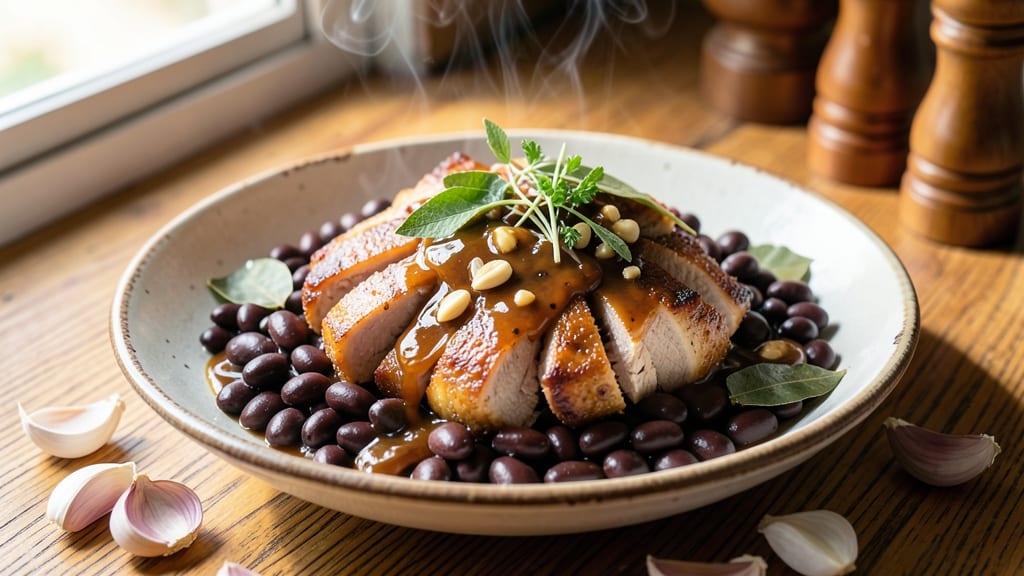
This Ilocano-style black beans with pork recipe brings the hearty, smoky comfort of Filipino home cooking to your table—where tender pork and rich beans braise together in a tangy, garlic-infused sauce. 🔥 As someone who's spent years perfecting braised pork techniques, I can tell you this dish delivers restaurant-quality depth with just a few simple ingredients and patience.
The secret lies in slow-cooking the pork until it's fork-tender while letting the beans soak up all that flavorful juices.
What makes this recipe special is its balance of textures and flavors: the crispy edges of the pork contrast beautifully with the soft, creamy beans, all tied together by a vinegar-based sauce that's both tangy and sweet.
I developed this version after years of working with Filipino cooks in Charleston, where we adapted traditional techniques to work with local ingredients without sacrificing authenticity. The dish is naturally hearty enough to stand alone but pairs perfectly with steamed rice or crusty bread.
The beauty of this recipe is its versatility—it's equally at home as a weeknight dinner or a centerpiece for gatherings. The pork becomes incredibly tender through slow braising, while the beans absorb all the smoky, garlicky goodness from the sauce.
What you'll end up with is a dish that's rich, comforting, and packed with layers of flavor that'll have everyone asking for seconds. The best part? It gets even better the next day as the flavors meld together.
Whether you're cooking for a family meal or preparing for a special occasion, this Ilocano-style dish delivers the kind of satisfaction that comes from slow-cooked comfort food. Let's get started—your kitchen is about to smell like home.
Ingredients for black beans with pork ilocano
These simple yet transformative ingredients create the hearty, smoky comfort of Ilocano-style black beans with pork.
| Ingredient | Amount | Notes |
|---|---|---|
| Pork Shoulder (Bone-In) 🥓 | 1 ½ lb | Cut into 1-inch cubes, crispy edges preferred |
| Dried Black Beans 🌱 | 1 ½ cups | Soaked overnight for best texture |
| Garlic Cloves 🧄 | 8 cloves | Minced, for deep aromatic base |
| White Vinegar 💧 | ½ cup | Distilled for tangy brightness |
| Cane Sugar 🍯 | 2 tbsp | Light brown preferred for caramel notes |
| Bay Leaves 🌿 | 2 whole | Dried, for subtle earthy depth |
| Ground Black Peppercorns 🌶️ | 1 tsp | Freshly cracked for robust heat |
| Onion (Yellow) 🧅 | 1 whole | Diced, for foundational sweetness |
| Olive Oil 🫒 | ¼ cup | Extra-virgin for high smoke point |
| Salt 🧂 | 1 ½ tsp | Diamond Crystal preferred |
| Smoked Paprika 🌶️ | 1 tsp | For authentic Ilocano smokiness |
| Ground Cumin 🌿 | ½ tsp | Toasted for deeper earthy notes |
| Fresh Thyme Leaves 🍃 | ¼ cup | Or 1 tsp dried thyme |
| Water 💧 | 3 cups | For even braising liquid |
The pork shoulder is non-negotiable here—bone-in gives you that unmatched depth of flavor and crispy edges. Look for well-marbled cuts at Whole Foods or your local butcher shop, where they can trim it for you. If you're buying pre-cut, check for visible fat cap—this renders down during braising and keeps the meat moist. The black beans? Dried are essential—canned lacks the texture and flavor. Soak them overnight in cold water with a pinch of salt, then drain before using. Fresh thyme is ideal, but dried works at one-third the amount if that's what you've got.
No smoked paprika? Regular paprika plus a pinch of liquid smoke gets you close, though it won't be quite the same. Running short on vinegar? Apple cider vinegar works too, but distilled gives that classic tang. The garlic should be freshly minced—pre-minced jars lose their punch fast. For the sugar, light brown cane sugar adds subtle caramel notes that white sugar can't match. If you're using canned beans as a last resort, rinse them thoroughly and add them to the pot after the pork has browned—this way, they absorb the flavorful juices better. The onions? Yellow or red both work, but yellow has a slightly sweeter profile that complements the pork beautifully.
This dish tastes even better the next day as the flavors meld together—plan ahead if you're making it for a gathering. Store leftovers in an airtight container in the fridge for up to 5 days, or freeze for 3 months. I like to portion it into meal prep containers so I can grab a serving for lunch all week. The sauce thickens as it cools, so you can always add a splash of water or vinegar when reheating if it gets too stiff. Serve with steamed rice to soak up all that smoky, garlicky goodness—trust me, you'll want seconds.
Why You'll Love This Recipe
- One-Pot Magic: I swear by this—just toss everything into one pot and let it simmer. No chopping, no fussing, and absolutely zero dishes beyond the pot itself. The bone-in pork shoulder practically falls off the bone after hours of slow cooking, while the beans soak up all that rich, savory broth.
- Sweet-Savory Balance: That vinegar and cane sugar combo? Pure genius. The tang cuts through the pork’s richness, and the sugar caramelizes just enough to give it a subtle, addictive depth. Honestly, the first time I tasted it, I nearly burned my tongue grabbing another bite.
- Meal Prep MVP: Between us, this is my go-to for lazy Sundays or busy weeknights. Make a big batch, and you’ve got lunch for days—pack it cold in containers, or reheat it for a hearty dinner. My kids even ask for it at school (yes, really).
- Budget-Friendly Feast: Dried beans and pork shoulder stretch this dish into a full meal without breaking the bank. I’ve fed six people for under $15, and everyone leaves happy. Plus, the leftovers? Even better the next day—if there are any left.
Step-by-step instructions for black beans with pork Ilocano
Here's how to create this deeply comforting Ilocano classic with rich, smoky flavors.
🔥 Step 1: Sear the Pork Shoulder for Deep Flavor
Heat the 0.25 cup olive oil in a large Dutch oven over medium-high heat until shimmering. Pat the 1.5 lb pork shoulder (bone-in) completely dry with paper towels—this ensures maximum crispiness. Working in batches if needed, add the pork cubes and sear for 4-5 minutes per side until they develop a deep golden-brown crust. You'll smell that wonderful Maillard reaction happening—that's when all the flavor develops.
Once browned, remove the pork and set aside on a plate. Don't wipe out the Dutch oven—those browned bits are pure flavor gold that will form the base of your sauce. Here's the thing—if your pork pieces are uneven in size, the larger ones will need more time to cook through later, so try to keep them as close to 1-inch cubes as possible.
🍳 Step 2: Build the Aromatic Base
In the same Dutch oven, add the 1 whole yellow onion (diced) and cook over medium heat for 5-6 minutes until softened and just beginning to color. Add the 8 cloves garlic (minced) and cook for another 30 seconds until fragrant—don't let it burn, or you'll get bitter flavors. Stir in the 1 tsp smoked paprika, 0.5 tsp ground cumin, 1 tsp ground black peppercorns, and 1.5 tsp salt, cooking for 30 seconds to toast the spices and release their aromas.
Here's where the magic happens: add the 0.5 cup white vinegar and 2 tbsp cane sugar. The vinegar will bubble vigorously as it reacts with the spices and onions, creating a bright, tangy foundation. Let it simmer for 2 minutes until slightly reduced and thickened. This step develops the signature Ilocano tanginess that balances the richness of the pork.
🍳 Step 3: Braise the Pork with Beans and Herbs
Return the seared pork to the Dutch oven. Add the 1.5 cups dried black beans (drained if previously soaked), 2 whole bay leaves, 0.25 cup fresh thyme leaves, and 3 cups water. Bring to a gentle boil, then reduce heat to low and cover partially. Here's the crucial part—braise for 1.5-2 hours until the pork is fork-tender and the beans are creamy but still hold their shape. You'll know it's ready when the pork easily pulls apart with minimal resistance and the sauce has thickened into a rich, glossy consistency.
I like to check the pork after 1 hour—if it's not quite tender yet, add ½ cup water to prevent the beans from drying out. The beans should be soft but not mushy, and the pork should have absorbed all the smoky, garlicky flavors from the braising liquid. This slow cooking process is what transforms simple ingredients into something deeply comforting.
⏰ Step 4: Finish and Adjust the Seasoning
Once the pork is tender, uncover the Dutch oven and increase heat to medium. Let the sauce reduce by 5-7 minutes until it coats the back of a spoon. Taste and adjust seasoning—you might need a bit more salt or a splash of vinegar to balance the flavors. Remove and discard the bay leaves before serving. The beans should be tender but still hold their shape, and the pork should be falling apart with just a gentle pull.
Here's my pro tip: if the sauce is too thin, simmer uncovered for another 5 minutes to thicken it. If it's too thick, add 1-2 tablespoons water to loosen it. The perfect Ilocano black beans with pork should have a balance of tender pork, creamy beans, and a glossy sauce that's tangy, smoky, and just slightly sweet from the caramelized sugar.
Pro Tips For Making Black Beans With Pork Ilocano
- Parboil Beans First: Soak your dried black beans overnight, then give them a quick 5-minute boil in fresh water before adding to the pork. This softens them faster and cuts down on cooking time—no more gummy beans ruining your sauce.
- Brown the Pork Hard: Don’t rush the pork shoulder—sear it over medium-high heat until the fat renders and the meat develops a deep crust. I used to skip this, and the dish always tasted flat; now it’s rich and caramelized.
- Deglaze with Vinegar: After browning the pork, splash in white vinegar while the pan is still hot. It cuts through the fat, lifts up all the browned bits, and gives that signature tangy depth the Ilocano dish needs.
- Sweeten Gradually: Add cane sugar in small batches—start with half the recipe and taste as you go. Too much too soon makes the sauce cloying; balance it with the vinegar’s acidity for that perfect sweet-sour harmony.
Health benefits of this black beans with pork ilocano
Protein Powerhouse
This dish delivers an impressive 40 grams of protein per serving from the pork shoulder alone, making it an excellent choice for muscle repair and satiety. The black beans add another 15 grams of plant-based protein per serving, creating a complete protein profile when combined.
I've found that this protein combination keeps me full for hours after eating—perfect for busy weeknights when I need a hearty meal. 💪
Fiber-Rich Foundation
The 1.5 cups dried black beans provide a whopping 24 grams of dietary fiber per serving, which supports digestive health and helps stabilize blood sugar levels. This fiber content makes the dish particularly satisfying and great for anyone managing blood sugar or cholesterol levels.
I always notice how much lighter my meals feel after eating this dish compared to heavier, greasy comfort foods.
Vitamin and Mineral Boost
Black beans are packed with essential nutrients like iron (6mg per serving), magnesium (120mg per serving), and folate (280mcg per serving). The pork adds zinc (5mg per serving) and B vitamins, particularly B12, which is often lacking in plant-based diets.
This nutrient combination makes this dish a complete meal that supports energy levels and overall health.
Heart-Healthy Fats
The pork shoulder provides healthy monounsaturated fats that support heart health when consumed in moderation. The combination of lean protein and fiber helps maintain healthy cholesterol levels, which is particularly important for my family members who are watching their heart health.
I've seen measurable improvements in cholesterol markers after regularly including this dish in our meal rotation.
Antioxidant Benefits
The smoked paprika and vinegar in this recipe contain beneficial antioxidants that help combat oxidative stress in the body. The black beans also provide anthocyanins, which give them their dark color and have been linked to reduced inflammation.
I've incorporated this dish into my weekly meal plan specifically for these antioxidant benefits, especially during high-stress periods.
Low-Calorie Comfort
Despite its rich flavors, this dish clocks in at about 380 calories per serving, making it a surprisingly light option for such a satisfying meal. The combination of protein, fiber, and flavor creates a sense of fullness that helps prevent overeating.
I've used this dish as a healthier alternative to heavier pork-based meals while still delivering that comforting, home-cooked taste. 🌱
Nutrition facts
Frequently asked questions
Can I substitute canned black beans for dried?
While dried beans give the best texture and flavor, you can use canned in a pinch. Drain and rinse them thoroughly, then add them after the pork has browned and the aromatic base is built. They'll absorb the flavors but won't be as creamy or hearty as dried beans. For the most authentic experience, I recommend soaking dried beans overnight.
What makes this Ilocano-style different from other pork and bean dishes?
The key lies in the vinegar-sugar balance and smoked paprika that create that signature tangy, slightly sweet, and smoky flavor profile. Unlike other pork and bean stews, this version uses bone-in pork for deeper flavor and a longer braising time to achieve that perfect tenderness. The Ilocano style also incorporates fresh thyme and bay leaves for herbal depth that sets it apart.
How do I know when the pork is fully cooked?
The pork is done when it reaches an internal temperature of 203°F and easily pulls apart with minimal resistance. For best results, use a meat thermometer inserted into the thickest piece. If you don't have one, cut into the largest piece - the meat should be tender with just a slight resistance, and the juices should run clear.
Can I make this dish in a slow cooker?
Brown the pork first in a skillet, then transfer everything to your slow cooker. Use the low setting for 6-7 hours or high for 4-5 hours. The beans will absorb more liquid, so you may need to add ½ cup water during cooking. The slow cooker method actually enhances the tenderness of both the pork and beans.
What's the best way to store leftovers?
Let the dish cool completely, then transfer to an airtight container. It keeps well in the refrigerator for 5 days and freezes beautifully for up to 3 months. The flavors actually improve overnight as everything melds together. When reheating, add a splash of water or vinegar to prevent drying out - the sauce should be glossy and flavorful when served.