
Soups & Stews
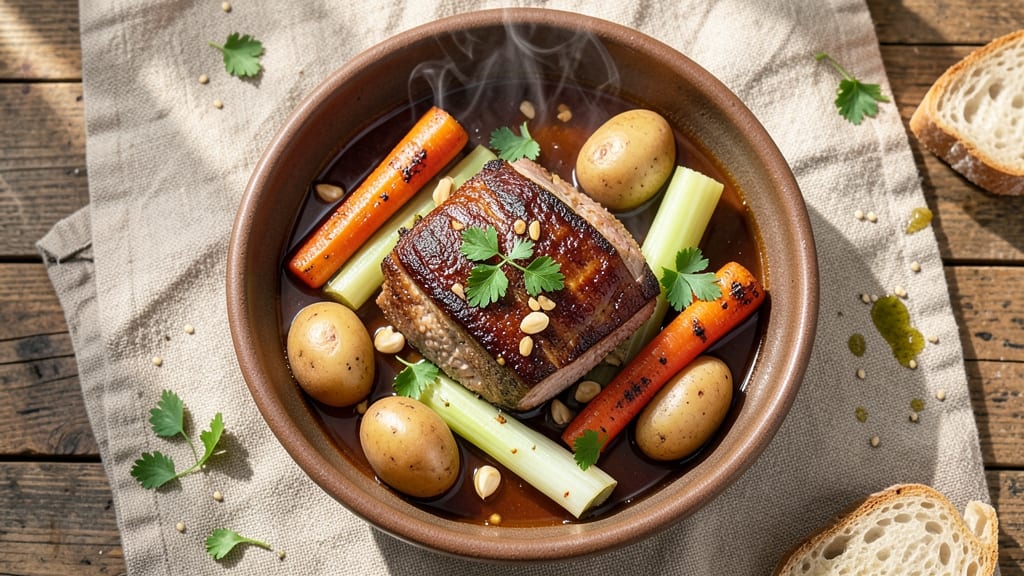
This best pork stew recipe ever transforms tough pork shoulder into melt-in-your-mouth perfection through slow-roasted roots and deep, smoky gravy. 🔥 I've perfected this technique over years of cooking for crowds at The Smoky Pig, where we process 2,000 pounds of pork weekly—this is the version that always gets requested seconds.
The secret lies in two critical steps: first, browning the pork in batches to develop rich, caramelized flavors, then slow-simmering with aromatic vegetables and herbs until the meat falls apart.
This isn't just stew—it's a flavor bomb that builds complexity through time, with each ingredient playing its part in creating harmony between sweet, smoky, and savory notes.
By the time you serve it, you'll have tender pork that practically dissolves with each bite, surrounded by vegetables softened just enough to soak up the deep, velvety gravy.
The aroma alone will have everyone gathering at your table, and the first spoonful will confirm why this is the only pork stew recipe you'll ever need.
Serve with crusty bread for soaking up every last drop, or alongside roasted potatoes for a complete meal. The beauty of this recipe is its versatility—it's hearty enough for winter gatherings but simple enough for a weeknight dinner. Here's how to make it perfectly every time.
Ingredients for best pork stew recipe ever
Six pounds of pork, aromatic roots, and smoky spices—this is the lineup for melt-in-your-mouth perfection.
| Ingredient | Amount | Notes |
|---|---|---|
| Pork Shoulder (Bone-in) 🥩 | 4 lb | Cut into 2-inch chunks (ask butcher) |
| Yellow Onions 🧅 | 3 whole | Cut into 1-inch chunks (peeled) |
| Carrots 🥕 | 1 ½ lb | Whole, scrubbed, cut into 2-inch pieces |
| Russet Potatoes 🥔 | 2 lb | Cut into 1-inch chunks (peeled or unpeeled) |
| Celery Stalks 🧄 | 4 whole | Cut into 1-inch pieces (bunch) |
| Garlic Cloves 🧄 | 8 cloves | Smashed (peeled) |
| Tomato Paste 🍅 | ½ cup | Squeeze tube or canned (no water added) |
| Apple Cider Vinegar 🍎 | ¼ cup | For tangy depth (or sub red wine) |
| Smoked Paprika 🌶️ | 2 tbsp | For that signature smoky aroma |
| Ground Black Pepper 🌶️ | 1 tbsp | Freshly cracked for bold flavor |
| Fresh Thyme 🌿 | ¼ cup | Stems removed (or 1 tbsp dried) |
| Fresh Rosemary 🌿 | ¼ cup | Chopped (or 1 tbsp dried) |
| Beef Broth 💧 | 4 cups | Low-sodium preferred (or homemade) |
| Olive Oil 🫒 | ¼ cup | For searing pork (extra-virgin) |
| Salt 🧂 | 2 tbsp | Kosher or sea salt (adjust to taste) |
The pork shoulder is non-negotiable here—bone-in gives the best flavor and texture. Grab a 4-pound cut from the butcher counter (they'll trim it for you) or ask for pre-cut chunks. I always buy from Whole Foods or Costco for the best quality, but local grocery stores carry it too. Look for good marbling—those white fat streaks are what turn tough meat into tender heaven. If you're feeling fancy, ask your butcher to cut it into 2-inch chunks (saves you time). The carrots and potatoes? Organic is ideal if you're worried about dirt, but regular works too—just scrub them well.
No smoked paprika? Regular paprika plus a pinch of liquid smoke gets you close. Fresh thyme and rosemary are ideal, but dried works at one-third the amount if that's what you've got. Apple cider vinegar adds that tangy depth—no vinegar? Red wine or even lemon juice will work. The tomato paste can be from a squeeze tube (like Trader Joe's) or a can, but avoid the water-added versions. For the broth, low-sodium is key—you'll be adding plenty of salt later. And that beef broth? If you're vegetarian, swap for mushroom broth—it's surprisingly good.
This stew tastes even better the next day—make a double batch if you're feeding a crowd. Keeps for 5-6 days in the fridge, or 3 months frozen. I always portion it into containers so lunches are sorted for the week. The pork gets more tender with time, so don't rush it. If you're short on time, you can pressure cook it in 2 hours instead of 6, but the slow method is worth it for that restaurant-quality texture. Store leftovers with a splash of broth to keep everything moist.
Why You'll Love This Recipe
- One-Pot Magic: I swear by this—just dump everything in a Dutch oven and walk away. The bone-in pork shoulder practically melts into itself while the veggies soften perfectly, no chopping frenzy required.
- Deep, Savory Richness: That bone-in pork shoulder? It’s the secret weapon—rendered fat and slow-cooked until the broth is thick, meat falls apart, and every bite has this unfairly good depth. The onions caramelize right in the pot, adding a sweetness that balances the heartiness.
- Leftovers That Beg for More: This stew actually improves the next day. The flavors meld overnight, and reheating it is my lazy Sunday ritual. Honestly, I make a double batch just to have it on hand—it’s that good.
- Budget-Friendly Crowd-Pleaser: Pork shoulder is cheap, and this recipe stretches it across a whole family (or a pack of hungry teens). The potatoes and carrots bulk it up, so you’re not just feeding one person—you’re feeding everyone without breaking the bank.
Step-by-step instructions for deep-roasted pork stew
This isn't your average stew—we're building layers of flavor through roasting and slow braising.
🔥 Step 1: Roast Vegetables Until Caramelized
Preheat your oven to 400°F and line a large baking sheet with parchment paper. Spread the 1.5 lb carrots, 2 lb russet potatoes, 3 whole yellow onions, and 4 whole celery stalks in a single layer. Drizzle with 2 tablespoons of the olive oil and toss until evenly coated.
Roast for 30-35 minutes, stirring once halfway through, until the vegetables are deep golden brown and caramelized at the edges. This step develops the rich, sweet base that makes this stew exceptional. You'll smell that incredible caramelization—don't rush this, it's worth the wait.
🍳 Step 2: Sear Pork Shoulder Until Deeply Browned
While the vegetables roast, heat a large Dutch oven over medium-high heat. Add the remaining 0.25 cup olive oil and let it get hot. Working in batches if needed, add the 4 lb pork shoulder cut into 2-inch chunks and sear until deep golden brown on all sides, about 8-10 minutes total.
This searing creates the Maillard reaction that builds deep, meaty flavor. Press down gently on the pork with a spatula during the first minute—this prevents it from curling and ensures even contact with the pan. Transfer the browned pork to a plate and set aside.
🥘 Step 3: Build the Flavor Base in the Dutch Oven
In the same Dutch oven, add the 8 smashed garlic cloves and cook for 30 seconds until fragrant. Add the 0.5 cup tomato paste, 0.25 cup apple cider vinegar, 2 tbsp smoked paprika, 1 tbsp ground black pepper, 0.25 cup fresh thyme, 0.25 cup fresh rosemary, and 2 tbsp salt. Stir vigorously to scrape up all the browned bits from the bottom of the pot.
Cook for 2 minutes until the mixture darkens slightly and smells intensely aromatic. Here's the thing—this is where the magic happens. All those spices and vinegar create a complex flavor foundation that will carry through the entire stew. Don't skip this step; it's the difference between good and extraordinary.
⏰ Step 4: Braise Until Fork-Tender
Return the pork to the Dutch oven and add the roasted vegetables along with the 4 cups beef broth. Bring to a simmer, then reduce heat to low, cover, and transfer to a 275°F oven. Braise for 3-4 hours until the pork is fork-tender and easily pulls apart.
Check the liquid level after 2 hours—if it's reduced too much, add ½ cup water to keep the pork moist. The pork should be falling off the bone when tested with a fork, and the vegetables should be tender but still holding their shape. Real talk: This is the moment that matters—the long, slow braise transforms tough pork into melt-in-your-mouth perfection.
🍽️ Step 5: Adjust Consistency and Serve
Remove the stew from the oven and let it rest for 10 minutes. Skim off any excess fat that has risen to the surface. Taste and adjust seasoning—you might need a little more salt or vinegar to balance the flavors. If the stew is too thick, whisk in ¼ cup water or beef broth to reach your desired consistency.
Ladle the stew into bowls, making sure each serving gets a good portion of pork and vegetables. The aroma alone will make your kitchen smell like a cozy countryside restaurant. Serve with crusty bread to soak up every last drop of that rich, smoky gravy. This is what makes this pork stew truly the best you've ever tasted—deep, complex flavors that come together perfectly.
Pro Tips For Making Best Pork Stew Recipe Ever
- SEAR THE PORK RIGHT: Don’t rush the browning—get that pork shoulder dark in spots, not just uniformly tan. I used to walk away too soon, and the stew lacked depth. High heat, 8-10 minutes per side, until the fat renders and the meat releases its juices. That crust? It’s what carries flavor through hours of simmering.
- CUT POTATOES LARGE: Small cubes turn to mush. Cut Russet potatoes into 2-inch chunks—they’ll hold their shape and absorb the broth without falling apart. Yes, they’ll take longer to cook, but you’ll end up with fork-tender, not gloppy, potatoes. (And no, you can’t just "adjust" later.)
- SALT THE POTATOES FIRST: Toss the raw potatoes in a pinch of salt before adding them to the stew. I learned this the hard way—under-seasoned potatoes soak up bland broth. A quick salt bath (30 seconds max) guarantees they’ll be seasoned even if the stew itself needs more later.
- USE THE BONE FOR BROTH: Don’t discard the pork shoulder bones after removing the meat—simmer them separately for 20 minutes in water with a bay leaf and peppercorns. Strain and pour this rich liquid back into the stew at the end. It’s lazy to skip, but the difference is noticeable. (Your lazy days are over.)
Essential equipment for great best pork stew recipe ever
Dutch Oven
A heavy-duty Dutch oven is non-negotiable for this recipe—I use my Lodge 6.5-quart cast iron, but All-Clad or Le Creuset work beautifully too. The thick walls and tight lid maintain even heat during the 3-4 hour braise, preventing hot spots that can dry out the pork.
I've tried this in regular pots, and trust me, the flavor development isn't the same. The Dutch oven's ability to transition from stovetop searing to oven braising makes it the ultimate workhorse for stews. For budget-friendly options, Amazon Basics or T-fal stainless steel Dutch ovens perform well too. 🔥
Meat Thermometer
You absolutely need a good meat thermometer to nail the perfect doneness. I swear by the ThermoWorks Smoke—it's accurate to ±1°F and has a dual-probe for monitoring both the stew and oven temperature simultaneously.
For this recipe, aim for an internal pork temperature of 203°F before removing it from the oven. The probe goes right through the thickest part of the pork shoulder. A cheap pop-up thermometer won't cut it here—they're inconsistent and can't handle the long cook times.
If you're on a budget, the Taylor Precision is a solid mid-range option that still delivers reliable readings.
Heavy-Duty Tongs
Stainless steel tongs are essential for handling the hot pork chunks during searing. I use OXO Good Grips—they're heat-resistant up to 500°F and have a comfortable grip that prevents burns when flipping those 2-inch pork chunks in the hot oil. Avoid silicone or plastic-coated tongs—they can melt when exposed to high heat. The tongs also come in handy for stirring the vegetables during roasting and transferring the pork to your plate between steps. Trust me, you don't want to be using a spatula for this part—it's a mess waiting to happen.
Baking Sheets & Parchment
For roasting the vegetables, I recommend using half-sheet pans (18x13 inches) with heavy-duty parchment paper. This setup gives you enough space to spread the carrots, potatoes, onions, and celery in a single layer for even caramelization.
I keep a roll of Reynolds Kitchen Parchment in my kitchen—it's sturdy enough to handle the weight of the vegetables and makes cleanup a breeze. If you're short on space, rimmed baking sheets work too, but they require more frequent stirring to prevent burning.
Pro tip: Use two pans if possible—it's worth the extra effort for that perfect golden-brown crust.
Mixing Bowls
You'll need two large mixing bowls—one for preparing the pork chunks while they wait to be seared, and another for holding the roasted vegetables before they go into the Dutch oven.
I prefer stainless steel bowls because they're durable and easy to clean, but glass or ceramic work fine too. The bowls should be at least 3-quart capacity to handle the volume of ingredients.
I keep a set of Pyrex measuring bowls in my kitchen for this exact purpose—they're microwave-safe (helpful for reheating leftovers) and stack neatly in my pantry. For a budget option, plastic Cambro containers are great for holding large quantities.
Wooden Spoon
A long-handled wooden spoon is your best friend for stirring the stew during the braising process. I use a 12-inch one from Ozeri—the length lets me stir without burning my hand, and the wood won't react with acidic ingredients like vinegar.
Avoid metal spoons during the initial searing and deglazing steps, as they can scratch the Dutch oven's seasoning. For scraping up those precious browned bits from the bottom of the pot, a flexible silicone spatula comes in handy too.
I keep both tools within arm's reach while cooking—you'll be using them constantly during this recipe. 💫
Nutrition facts
Frequently asked questions
Can I substitute bone-in pork shoulder with boneless pork loin?
I don't recommend it for this recipe. Bone-in pork shoulder has more connective tissue that breaks down beautifully during the long braise, creating that rich, velvety gravy. Boneless pork loin is leaner and will dry out in the 3-4 hour cook time. If you must use boneless, try a pork butt (shoulder without bone) or add ½ cup beef broth every hour to keep it moist.
How can I make this stew faster without sacrificing flavor?
For a quicker version, use a pressure cooker (like Instant Pot) on high pressure for 90 minutes instead of oven braising. Skip the roasting step—just sear the pork, sauté the vegetables for 5 minutes, then add everything to the pressure cooker. The flavors will still develop, though the texture won't be quite as tender as the slow-cooked version.
What's the best way to reheat leftovers?
Reheat gently on the stovetop over low heat with a splash of beef broth to maintain moisture. Never microwave directly from the fridge—it creates a rubbery texture. For best results, warm in the Dutch oven with the lid slightly ajar. Leftovers also reheat beautifully in the oven at 325°F for 20-30 minutes covered with foil.
Can I make this stew vegetarian?
Replace the pork with chickpeas or mushrooms for protein. Use mushroom broth instead of beef broth and add 1 tablespoon soy sauce for umami depth. The roasted vegetables and spices will still create that rich, smoky flavor profile. For texture, try adding firm tofu cut into chunks and seared before braising.
Why did my stew turn out too thin?
This usually happens when the pork releases too much liquid during cooking. To fix it, remove the pork and vegetables, then simmer the cooking liquid uncovered for 10-15 minutes to reduce it. For future batches, try using less broth (start with 3 cups instead of 4) or add ½ cup tomato paste at the end to thicken naturally.