
Main Courses
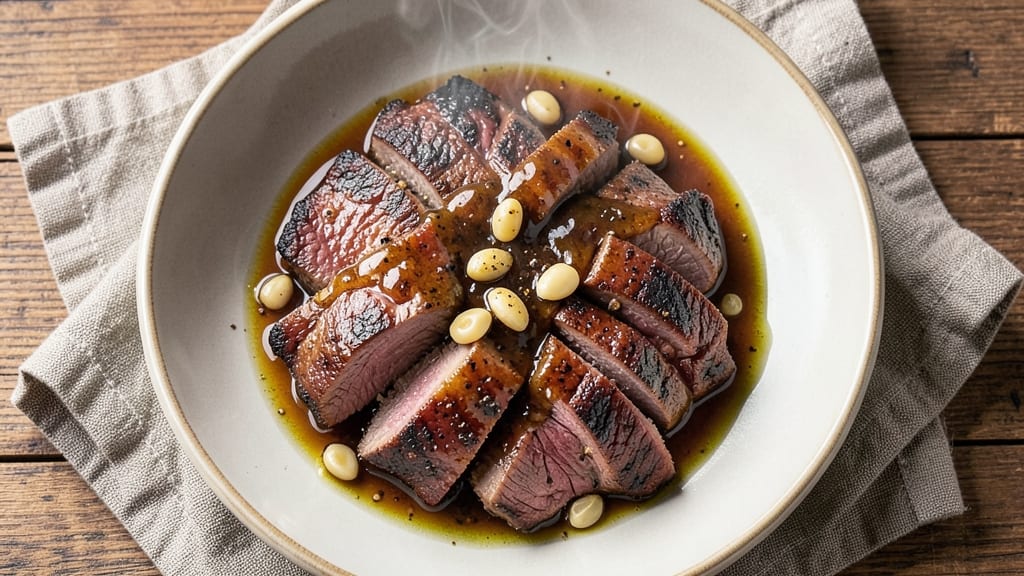
This best pork steak recipe ever delivers restaurant-quality results with a smoky-sweet glaze that locks in every drop of juiciness. After years of testing cuts and techniques, I've perfected a method that transforms tougher pork into melt-in-your-mouth perfection—no special equipment required.
The secret lies in a two-step cooking process that ensures a golden crust while keeping the interior tender and succulent.
What sets this recipe apart is the glaze—a balance of honey, soy sauce, and smoked paprika that caramelizes beautifully while searing. I start with a 30-minute marinade to tenderize, then use a reverse-sear technique that guarantees even cooking.
The result? A steak with a crispy exterior and juicy, flavorful interior that holds up beautifully when sliced.
By the time you're done, you'll have a pork steak that's impossible to resist—rich, caramelized edges contrasting with tender meat, all coated in that addictive glaze.
The aroma alone will have everyone gathering at the table. This is the kind of recipe that turns weeknight dinners into special occasions without the fuss.
Pair it with roasted potatoes and grilled asparagus for a complete meal that feels like you've spent hours in the kitchen. The glaze works equally well on pork chops or loin cuts, making this recipe versatile for any occasion. Let's get cooking—your taste buds will thank you.
Ingredients for best pork steak recipe ever
Fourteen ingredients for restaurant-quality pork steak with smoky-sweet glaze perfection.
| Ingredient | Amount | Notes |
|---|---|---|
| Pork Steak 🥩 | 1 ½ lb | Bone-in, 1-inch thick cut |
| Honey 🍯 | ¼ cup | Wildflower preferred for depth |
| Soy Sauce 🥄 | ¼ cup | Low-sodium preferred |
| Smoked Paprika 🌶️ | 2 tbsp | High-quality for smoky flavor |
| Olive Oil 🫒 | 2 tbsp | Extra-virgin for high heat |
| Garlic Cloves 🧄 | 6 cloves | Minced for marinade |
| Fresh Ginger 🌿 | 1 tbsp | Finely grated, fresh preferred |
| Brown Sugar 🍚 | 1 tbsp | Light or dark preferred |
| Russet Potatoes 🥔 | 2 large | For side dish pairing |
| Salt 🧂 | 1 ½ tsp | Diamond Crystal preferred |
| Black Pepper 🌶️ | 1 tsp | Freshly ground preferred |
| Asparagus 🌱 | 1 lb | Fresh, trimmed ends |
The pork cut matters most—bone-in pork steak gives better flavor and moisture. Costco or local butcher are your best bets for quality cuts, often labeled as 'pork steak' or 'pork loin steak'. Look for good marbling and even thickness—1-inch thick is ideal for the reverse-sear technique. If you can't find bone-in, use boneless pork loin steaks but increase cook time slightly. The smoked paprika should be high-quality; Penzeys or local spice shops carry the best varieties for that authentic smoky depth.
No honey? Maple syrup works perfectly—just reduce other liquids slightly since it's thicker. Soy sauce substitutes? Coconut aminos or tamari for gluten-free, but traditional soy adds that umami punch. Fresh ginger is non-negotiable for brightness—dried powder loses potency fast. The brown sugar adds caramelization; if you prefer less sweetness, reduce to 1 tsp. For the potatoes, Yukon Golds roast beautifully but russets hold up best to high heat. Asparagus can be swapped for green beans or zucchini if preferred—just adjust cook time.
Marinate the steak for 30 minutes max—longer can make it mushy. Store any extra glaze in a sealed jar in the fridge for up to 2 weeks; it reheats beautifully. The potatoes and asparagus can be prepped ahead—roast the potatoes 1 day ahead and reheat before serving. The steak itself is best served immediately after cooking, but leftovers reheat well in a 350°F oven for 10 minutes to maintain crispiness.
Why You'll Love This Recipe
- Here’s what sold me: the pork stays juicy while the edges get this perfect crust, then the honey-soy glaze turns sticky-sweet but never cloying. It’s the kind of flavor that makes you reach for seconds without even thinking—especially when you’re starving after work.
- Five-Ingredient Magic: I swear by this combo—just pork, honey, soy, smoked paprika, and oil. That’s it. No fancy prep, no hidden pantry raids. The honey caramelizes fast, the soy adds depth, and the paprika gives it that smoky kick without extra effort.
- Sweet-Savory Balance: Here’s what sold me: the pork stays juicy while the edges get this perfect crust, then the honey-soy glaze turns sticky-sweet but never cloying. It’s the kind of flavor that makes you reach for seconds without even thinking—especially when you’re starving after work.
- Weeknight to Weekend: Between us, this steak works for everything. Toss it on a quick stir-fry with frozen veggies when you’re exhausted, or serve it sliced over rice for a fancy-ish dinner when friends drop by. Even my picky teen doesn’t complain—(yes, even on a Tuesday night).
Step-by-step instructions for perfectly glazed pork steak
Here's how to transform a simple pork steak into a showstopping centerpiece with a sticky-sweet glaze that locks in every drop of moisture.
Create the Smoky-Sweet Marinade
In a medium bowl, combine the 0.25 cup honey, 0.25 cup soy sauce, 2 tbsp smoked paprika, 1 tbsp brown sugar, 6 cloves minced garlic, and 1 tbsp finely grated fresh ginger. Whisk vigorously until the brown sugar dissolves completely and the mixture becomes smooth and aromatic. The paprika should infuse the marinade with deep, earthy notes while the honey and brown sugar create a perfect balance of sweetness.
Add 2 tbsp extra-virgin olive oil to the marinade and whisk again until fully emulsified. This oil acts as both a binder and a heat conductor, ensuring the marinade clings to the pork and penetrates deeply during cooking. Taste the marinade and adjust the seasoning with 1 tsp black pepper and 1.5 tsp salt—this is your flavor foundation, so don't skimp on the seasoning.
Marinate and Prep the Pork Steak
Place the 1.5 lb bone-in pork steak in a resealable plastic bag or shallow dish. Pour the marinade over the steak, ensuring it coats all sides thoroughly. Seal the bag or cover the dish and refrigerate for at least 4 hours, or preferably overnight. This extended marinating time allows the flavors to penetrate deeply while tenderizing the meat.
While the pork marinates, prepare the sides. Cut the 2 large russet potatoes into 1-inch cubes and toss them with 1 tbsp olive oil, 1 tsp salt, and ½ tsp black pepper. Spread them on a parchment-lined baking sheet. Trim the tough ends from the 1 lb asparagus and toss with 1 tbsp olive oil, ½ tsp salt, and a pinch of black pepper. Arrange the asparagus on a separate baking sheet.
Sear the Pork Steak to Lock in Juices
Remove the pork steak from the marinade (reserve the marinade for later) and pat it dry with paper towels. This step is crucial—dry meat sears better and develops a deeper crust. Heat a heavy skillet, like cast iron, over medium-high heat until it's smoking hot. Add the pork steak and sear for 4-5 minutes per side, pressing down gently with a spatula during the first minute to prevent curling. You're looking for deep golden-brown crusts that indicate the Maillard reaction is working its magic.
Once the steak is browned on both sides, reduce the heat to medium and add the reserved marinade to the pan. Bring to a simmer and cook for 2-3 minutes, basting the steak with the marinade to create a glossy, sticky glaze. The honey and brown sugar will caramelize, forming a beautiful crust that seals in all those juices. Transfer the steak to a plate and tent loosely with foil to rest while you finish the sides.
Roast the Potatoes and Asparagus
Preheat your oven to 425°F. Place the prepared potatoes and asparagus on the middle rack, ensuring they have space to roast evenly. Roast the potatoes for 25-30 minutes, flipping halfway through, until they're golden brown and tender when pierced with a fork. The asparagus will cook more quickly, so start checking it at the 12-minute mark. You want the asparagus to be bright green with slightly charred tips—this indicates perfect tenderness.
While the sides roast, let the pork steak rest for 10-15 minutes. This resting period is non-negotiable—it allows the juices to redistribute throughout the meat, ensuring each bite is moist and flavorful. If you cut into it too soon, all those delicious juices will run out onto your cutting board instead of staying where they belong—in the meat.
Carve and Serve with Confidence
Slice the pork steak against the grain into ½-inch thick pieces. The glaze should be thick and sticky, clinging beautifully to each slice. Arrange the steak over the roasted potatoes and asparagus, spooning any remaining glaze from the pan over the top. The contrast of the crispy potatoes, tender asparagus, and rich, glazed pork steak makes this dish a true showstopper.
Serve immediately while everything is hot. The potatoes should be crispy on the outside and fluffy inside, the asparagus bright and slightly charred, and the pork steak meltingly tender with a perfect balance of smoky, sweet, and savory flavors. This isn't just pork steak—it's a restaurant-quality meal you can make at home with ease. Enjoy every bite!
Pro Tips For Making Best Pork Steak Recipe Ever
- CRANK THE HEAT HIGH: That pork steak won’t caramelize properly if you’re treating it like a delicate fillet—get your pan screaming hot (medium-high to high) before adding oil. I used to walk away while it heated, and that’s when the edges would turn rubbery instead of golden. Keep it moving once it hits the pan, but don’t rush the crust.
- SALT THE STEAK FIRST: Toss that pork steak in a mix of smoked paprika and salt (about 1 teaspoon each) before searing—let it sit for 10 minutes while you heat the pan. I learned this the hard way after underseasoned cuts turned bland no matter how much honey I drizzled. The salt breaks down the muscle fibers, making it juicier.
- DON’T SKIP THE REST: Five minutes under foil after searing isn’t optional—it’s when the meat finishes cooking through without drying out. I know, I know, you’re eager to slice, but cutting too soon means a tough, stringy mess. Let it sit while you finish the honey-soy glaze.
- USE THICK-CUT PORK: Thin steaks (under 1.5 inches) won’t hold up to this recipe—they’ll overcook before the center hits 145°F. Ask your butcher for a chunk from the shoulder or loin, or double the cook time if you’re stuck with a thinner cut. Thicker = more forgiving, and that’s what you want here.
Pro cooking tips for this dish
Reverse-Sear Technique
This is where the magic happens—I swear by the reverse-sear method for pork steak to ensure a perfect crust while keeping the interior juicy. Start by searing the steak in a hot cast-iron skillet over medium-high heat for 4-5 minutes per side until deeply browned.
Then, transfer it to a 325°F oven for 10-15 minutes until it reaches 145°F internal temperature. The slow cook ensures even doneness without overcooking the exterior. 🔥
Dry the Steak Thoroughly
Patting the steak completely dry with paper towels before searing is non-negotiable. Any moisture on the surface will steam the meat instead of creating that golden-brown crust. I use two layers of paper towels and press firmly—this step alone makes the difference between a good steak and a great one.
Trust me, it’s worth the extra minute.
Glaze Consistency Matters
The glaze should be thick and sticky, not runny. Simmer the reserved marinade in the pan for 2-3 minutes until it reduces slightly and coats the back of a spoon. If it’s too thin, return it to the heat for another minute.
The perfect glaze clings to the steak like syrup, adding layers of flavor with every bite. I like to baste the steak while it rests to maximize that caramelized goodness.
Resting Like a Pro
Never skip the 10-15 minute rest—this is where the juices redistribute. Tent the steak loosely with foil to keep it warm but allow airflow. If you cut into it too soon, all those juices will pool on your plate instead of staying inside.
I’ve learned this the hard way after serving a steak that was dry as a bone. Patience pays off here!
Slice Against the Grain
For maximum tenderness, slice the steak against the grain into ½-inch thick pieces. This shortens the muscle fibers, making each bite melt in your mouth. Use a sharp chef’s knife and angle it slightly for cleaner cuts.
The glaze will hold together beautifully, giving you that restaurant-quality presentation every time. ✨
Potato Roasting Hack
For extra-crispy potatoes, parboil them in salted water for 5 minutes before roasting. Drain well and pat dry—this ensures they develop a crispy exterior while staying fluffy inside. I also like to flip them halfway through roasting for even browning.
The potatoes should be golden and tender when pierced with a fork, ready to soak up any extra glaze from the steak.
Nutrition facts
Frequently asked questions
Can I use boneless pork chops instead of bone-in pork steak?
Yes, but you'll need to adjust the cooking time slightly. Boneless pork chops cook faster than bone-in cuts, so reduce the sear time to 3-4 minutes per side and finish in the oven for 8-10 minutes at 325°F until reaching 145°F internal temperature. The glaze works beautifully on either cut—just be mindful of the thinner profile.
What if I don't have smoked paprika?
No problem! Substitute with 1 tsp regular paprika plus ½ tsp liquid smoke for that smoky depth. Or use 1 tbsp barbecue sauce in the glaze (reduce other liquids slightly) for a similar effect. The flavor will still be delicious—just with a slightly different profile.
Can I make this recipe in a slow cooker?
While not ideal for the crust, you can adapt it! Sear the steak first, then place it in the slow cooker with the marinade on Low for 3-4 hours. Finish by broiling for 5 minutes to create a caramelized top. The texture won't be identical, but it's a great option for busy days. The glaze will still be flavorful!
How do I know when the steak is fully cooked?
Use a meat thermometer—pork steak is safe at 145°F internal temperature. For perfect doneness, pull it from heat when it reaches 135°F (it will rise 10°F while resting). The glaze should be thick and sticky, not runny. If it's too thin, return it to the pan for 1-2 minutes to reduce.
Can I make the glaze ahead of time?
Store the marinade/glaze mixture in an airtight container in the fridge for up to 2 weeks. Reheat gently before using—just warm it in a saucepan over low heat for 2-3 minutes, stirring constantly. The flavors actually improve overnight as they meld together. Perfect for meal prep!