
Main Courses
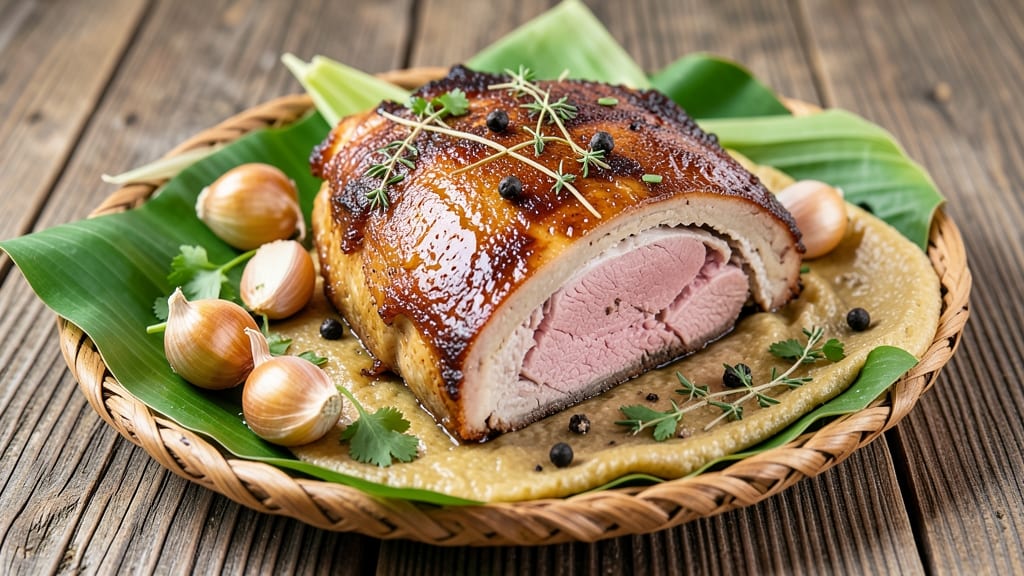
Pork shoulder transforms tamales from ordinary to extraordinary—its rich, tender texture and deep flavor make it the undisputed best pork cut for this beloved dish. 🔥 As someone who’s cooked thousands of pounds of pork weekly, I can tell you the secret lies in slow-cooking the shoulder until it practically melts, creating shreds that absorb tamale fillings like a sponge.
This isn’t just a recipe; it’s a celebration of technique and tradition that’ll have your tamales stealing the show at every gathering.
The magic begins with selecting a well-marbled pork shoulder—look for thick fat cap and even grain. After trimming excess fat (leave some for flavor!), you’ll slow-cook it until fork-tender, then shred it into perfectly textured pieces that hold up through steaming.
The key? Low-and-slow cooking preserves moisture while developing those irresistible smoky undertones that define authentic tamales. This method works for both classic Mexican-style tamales and Caribbean variations, though the pork preparation remains consistent.
What you’ll end up with is tamale filling that’s impossibly tender yet sturdy enough to maintain shape when wrapped. The pork’s natural juices infuse the masa, creating a harmony of flavors that’s both comforting and complex.
Whether you’re making tamales for a family feast or a special occasion, this pork shoulder technique ensures restaurant-quality results every time—no shortcuts, just pure, restaurant-worthy flavor built through patience and precision.
Pair this with your favorite tamale fillings—cheese, chiles, or mole—and you’ve got a dish that bridges tradition and technique. The best part? Leftovers reheat beautifully, making this the ultimate make-ahead meal for gatherings. Let’s get cooking—your tamales deserve this level of care.
Ingredients for best pork cut for tamales
Pork shoulder steals the show—its melt-in-your-mouth texture and bold flavor make tamales unforgettable.
| Ingredient | Amount | Notes |
|---|---|---|
| Pork Shoulder (Bone-In) 🥓 | 4 lb | Well-marbled, thick fat cap preferred |
| Kosher Salt 🧂 | 1 ½ tbsp | Diamond Crystal preferred for balance |
| Ground Black Pepper 🌶️ | 1 tsp | Freshly cracked for best flavor |
| Garlic Cloves 🧄 | 6 cloves | Peeled, smashed for deeper flavor |
| Fresh Oregano 🌿 | ¼ cup | Mexican oregano if available |
| Fresh Cilantro 🌿 | ¼ cup | Chopped, for garnish |
| Lime Juice 🍋 | ½ cup | Freshly squeezed, for brightness |
| Cumin Seeds 🌶️ | 1 tbsp | Toasted lightly for aroma |
| Bay Leaves 🍃 | 2 whole | For deep aromatic base |
| Apple Cider Vinegar 🍎 | 2 tbsp | For tenderizing and tang |
| Smoked Paprika 🌶️ | 1 tbsp | For authentic smoky depth |
| Olive Oil 🫒 | ¼ cup | Extra-virgin for richness |
| Onion (Yellow) 🧅 | 1 whole | Chopped, for aromatic base |
The pork shoulder is where this recipe shines. Look for a bone-in cut with thick fat cap—that's where the flavor lives. Costco or Whole Foods carry excellent options, but your local butcher can trim it perfectly for you. The fat renders beautifully during slow cooking, creating juicy, tender shreds. If you can't find bone-in, bone-out works too, but the bone adds depth. Trim excess fat but leave about 1/4-inch—it's flavor insurance. I always buy mine from local farms when possible; the marbling is next-level. For a restaurant-quality result, invest in the best cut you can find.
No pork shoulder? Pork butt works identically—they're essentially the same cut. Running short on lime juice? Substitute lemon juice at 1:1 ratio. Fresh oregano unavailable? Dried oregano at one-third the amount gets you close, but fresh has that bright punch. The cumin seeds can be swapped for ground cumin (1 tsp), but toasting them first makes a difference. For extra smokiness, add 1/2 tsp liquid smoke to the marinade. The onion can be subbed with 2 tbsp onion powder, but fresh is always better. If you're making a big batch, double the spices—they'll keep for months in an airtight container.
This pork keeps beautifully for 3 days in the fridge or 3 months frozen. For best results, portion it into tamale-sized pieces before freezing—thaw and reheat directly in the masa. The cooked pork reheats wonderfully, so make extra for sandwiches or tacos. Store leftovers with a sprinkle of fresh cilantro and lime juice to keep flavors vibrant. The fat will solidify when chilled, so bring it to room temperature before using in tamales—it should be pliable but not greasy. Trust me, the effort is worth every bite.
Why You'll Love This Recipe
- Foolproof Prep: The bone-in pork shoulder is forgiving—no fancy knife skills needed. Just slather it with salt, pepper, and crushed garlic, then let the oven do the work while you chop veggies for the tamales.
- Deep, Smoky Magic: That bone-in shoulder renders into crispy, flavor-packed layers—garlic and oregano clinging to every bite. Honestly, the first time I ate it straight from the pan, I nearly skipped the tamales.
- Party in a Pan: Use half the pork for tamales, shred the rest into tacos or sandwiches—no waste, just flexibility. My in-laws call it "the secret ingredient" at family gatherings (they don’t know it’s the same cut).
- Budget Hero: Pork shoulder stretches for miles—feed a crowd or meal prep for days without breaking the bank. I’ve turned one cut into three meals: tamales, pulled pork, and even breakfast hash. (Yes, even on a Tuesday night.)
Step-by-step instructions for pork shoulder tamales with irresistible flavor
Here's how to transform pork shoulder into melt-in-your-mouth tamale filling that'll have everyone asking for seconds.
🔥 Step 1: Prep and Season the Pork Shoulder for Maximum Flavor
Start by trimming any excess fat from the pork shoulder, leaving about ¼-inch of fat cap intact—this protects the meat during cooking. Pat the surface completely dry with paper towels; moisture is the enemy of crispy bark and deep flavor penetration.
In a small bowl, combine the 1.5 tbsp kosher salt, 1 tsp ground black pepper, 1 tbsp smoked paprika, and 1 tbsp toasted cumin seeds. Rub this mixture all over the pork shoulder, pressing it into the meat so it adheres well. The salt will tenderize while the spices create that authentic tamale depth. Let it sit at room temperature for 30 minutes—this ensures even cooking and better seasoning absorption.
🍳 Step 2: Slow-Cook Until Fork-Tender with Aromatic Base
Heat the 0.25 cup olive oil in a large Dutch oven over medium heat. Add the 1 whole chopped yellow onion and cook for 5-6 minutes until softened and translucent. Add the 6 smashed garlic cloves and 2 whole bay leaves, cooking for another 30 seconds until fragrant—this aromatic base is the flavor foundation.
Add the seasoned pork shoulder to the Dutch oven, fat-side up. Pour in 2 tbsp apple cider vinegar and 0.5 cup lime juice, then cover with water by about 1 inch. Bring to a simmer, then reduce heat to low and cook for 3-4 hours until the meat is fork-tender. Here's the thing—don't peek! Every time you lift the lid, you're adding 15-20 minutes to your cook time. The pork is done when it easily shreds with two forks.
🥘 Step 3: Shred and Infuse with Fresh Herbs
Once the pork is tender, remove it from the broth and let it rest for 10 minutes before shredding. Use two forks to pull the meat apart against the grain—you should get long, tender strands. Return the shredded pork to the Dutch oven and add the 0.25 cup chopped fresh cilantro and 0.25 cup chopped fresh oregano. Stir gently to combine, letting those fresh herbs brighten the rich pork flavors.
Taste the pork and adjust seasoning if needed—you might want to add a pinch more salt or a splash of lime juice for brightness. The filling should be moist but not saucy, with visible herb flecks throughout. This is where the magic happens—the fresh herbs elevate the slow-cooked pork to restaurant-quality tamale filling.
Pro Tips For Making Best Pork Cut For Tamales
- Trim the Fat First: Pork shoulder’s fat cap is your friend, but if it’s thick, slice it down to ¼-inch before cooking. I learned this the hard way—thick fat renders unevenly, leaving some spots greasy and others dry. A sharp knife and steady hand make this take five minutes, not 20.
- Salt in Two Stages: Don’t just salt the pork shoulder once. Start with 1 teaspoon kosher salt per pound before searing, then add another ½ teaspoon per pound after it’s braised. The first layer seasons deep, the second locks in flavor. (Yes, even if you’re impatient like me.)
- Sear Bone-Side Down: Lay the pork shoulder bone-side down in the hot pan first—this renders fat away from the meat, not into it. After 10 minutes, flip to crisp the fat cap. I used to skip this, and the tamales ended up soggy from excess grease.
- Crush Garlic Roughly: Don’t mince the garlic—smash the cloves with the flat side of your knife first, then chop. This releases more aroma without turning to paste. Fresh oregano? Tear it, don’t chop—whole leaves stay vibrant longer in the braise. (Your future self will notice the difference.)
Storing and reheating this best pork cut for tamales
Fridge Storage
Store your cooked pork tamale filling in an airtight container for up to 4 days—I swear by glass Pyrex with snap-on lids for best results. The flavors actually deepen overnight as the spices meld together beautifully.
Let the filling cool completely before refrigerating to prevent condensation, which can make the masa soggy later. 🥗
Freezer Prep
For long-term storage, portion the pork into quart-sized freezer bags with 1 inch of headspace—this prevents freezer burn and makes thawing easier. Label each bag with the date and freeze for up to 3 months.
When ready to use, thaw overnight in the fridge or reheat directly from frozen in tamales (add an extra 15 minutes to the steaming time).
Reheating Tamales
Steamed tamales reheat best in a steamer basket over simmering water for 10-15 minutes, covered with a damp towel. If using a microwave, wrap tamales in a damp paper towel and heat on 50% power for 3-4 minutes—this keeps them moist without drying out.
Avoid boiling or frying; it ruins the delicate texture. 🔥
Pork Filling Refresh
If you’ve cooked the pork separately and want to refresh it before using in tamales, heat it gently in a skillet with 1 tbsp olive oil over low heat for 5 minutes. Add a splash of lime juice and a pinch of salt to revive the flavors.
The goal is to warm through without drying out—this filling should stay juicy and tender. Trust me, it’s worth the effort!
Leftovers Magic
Use leftover pork filling for tacos, quesadillas, or sandwiches—it’s just as delicious cold or reheated. Store extra filling in the fridge for up to 3 days or freeze for 3 months.
For extra flavor, mix in shredded cheese or pickled onions before reheating. The versatility is what makes this recipe a game-changer for meal prep. ✨
Masa Preservation
If you’ve already wrapped tamales but haven’t steamed them, store the unsteamed tamales in a single layer on a tray, covered with plastic wrap. Place the tray in the fridge for up to 2 days or freeze for 1 month.
When ready to steam, thaw overnight in the fridge—never microwave frozen tamales directly. The texture suffers if you skip this step! 💫
Nutrition facts
Frequently asked questions
Why does pork shoulder work better than other cuts for tamales?
Pork shoulder has the perfect balance of fat and collagen that transforms into rich, tender shreds during slow cooking. The fat keeps the filling moist while the collagen breaks down into gelatin, creating that signature tamale texture. Other cuts like pork loin become dry, and pork ribs can be too fatty—shoulder gives you that ideal melt-in-your-mouth consistency.
Can I substitute pork butt instead of pork shoulder?
Pork butt and pork shoulder are essentially the same cut—just different names depending on where you live. They both have that ideal fat-to-meat ratio for tamales. The key is choosing a well-marbled cut with thick fat cap. If you're unsure which to buy, ask your butcher for "pork shoulder" or "Boston butt" for best results.
How do I know when the pork is fully cooked?
The pork is done when it reaches 203°F internal temperature and shreds easily with two forks. Don't rely on time alone—some ovens run hotter. The meat should pull apart cleanly with minimal resistance. If it's still tough, keep cooking it uncovered for another 30 minutes to evaporate excess moisture.
What's the best way to store cooked pork for tamales?
Store cooked pork filling in an airtight container in the fridge for up to 4 days or freeze for 3 months. For freezing, portion into quart-sized bags with 1 inch headspace to prevent freezer burn. Thaw overnight in the fridge before using—never microwave frozen pork directly. The flavors actually improve overnight as the spices meld!
Can I make tamales with leftover pork?
Yes! Leftover pork works beautifully in tamales—just reheat it gently in a skillet with 1 tbsp olive oil over low heat for 5 minutes. Add a splash of lime juice to revive the flavors. The pork should be warmed through but still juicy. This is actually a great way to use up leftovers without wasting delicious filling!