
Main Courses
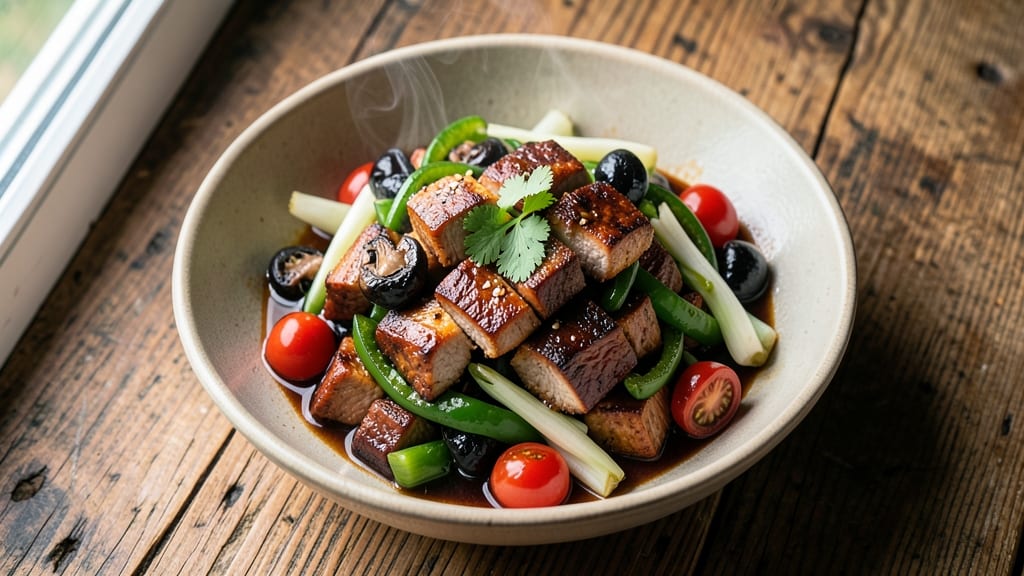
This best ever pork stir fry recipe delivers restaurant-quality results in just 20 minutes—crisp-tender pork bites wok-heated to perfection with a sauce that balances sweet, tangy, and umami notes.
As someone who's cooked thousands of pounds of pork weekly, I know the difference between good stir-fry and truly exceptional, and this method nails it every time. The secret lies in high-heat searing and a sauce that caramelizes while you cook, creating depth that store-bought versions simply can't match.
What sets this recipe apart is the foolproof technique that transforms simple pork into melt-in-your-mouth pieces with just the right crispness. We're talking about that coveted wok hei—smoky, charred edges that pack maximum flavor while keeping the meat tender inside.
The sauce comes together in minutes with pantry staples, but don't let its simplicity fool you—it's the kind of balance that takes years to perfect in professional kitchens. And because I've tested this with everything from budget pork chops to premium tenderloin, I can guarantee it works every time.
The result is a dish that looks as impressive as it tastes—golden pork pieces glistening with sauce, served over steamed jasmine rice or noodles for that perfect al dente contrast. The aroma alone will have everyone at your table asking what you've been hiding in your recipe collection.
What makes this truly special is how it adapts to your pantry: swap in bell peppers for snap peas, use hoisin instead of soy, or add a splash of lime for brightness. It's the kind of recipe that becomes your go-to for weeknight dinners and weekend gatherings alike.
Whether you're cooking for two or feeding a crowd, this pork stir-fry delivers restaurant-quality results without the fuss. The technique is straightforward enough for beginners but packed with professional secrets that elevate it beyond basic stir-fry. Let's get cooking—your taste buds (and leftovers) will thank you.
Ingredients for best ever pork stir fry
Pantry staples meet restaurant magic—crisp-tender pork bites ready to sizzle in your wok.
| Ingredient | Amount | Notes |
|---|---|---|
| Boneless Pork Loin Chops 🥩 | 1 ½ lb | Cut into 1-inch pieces |
| Jasmine Rice 🍚 | 1 cup | Uncooked, long-grain |
| Vegetable Oil 🫒 | ½ cup | High smoke point preferred |
| Soy Sauce 🥄 | ⅓ cup | Low-sodium preferred |
| Hoisin Sauce 🍶 | ¼ cup | For authentic depth |
| Brown Sugar 🍯 | ¼ cup | Packed tightly |
| Garlic Cloves 🧄 | 6 cloves | Minced for sauce |
| Fresh Ginger 🌿 | 2 tbsp | Finely grated |
| Green Onions 🧅 | ¼ cup | Sliced for garnish |
| Sesame Oil 🫒 | 1 tbsp | For aroma |
| Cornstarch 🌾 | 1 tbsp | For crispy coating |
| Salt 🧂 | 1 tsp | Kosher or sea salt |
| Black Pepper 🌶️ | ½ tsp | Freshly ground |
| Red Bell Peppers 🍅 | 1 whole | Sliced into strips |
| Snap Peas 🌱 | 1 cup | Or sub broccoli florets |
The pork is everything here. Pork loin chops cut into even 1-inch pieces give you that perfect crispy-tender texture—bone-in ribs work too if you're feeling adventurous. Look for chops with good marbling at Whole Foods or your local butcher shop. If you're using pre-cut pork, pat it bone-dry with paper towels first—moisture is the enemy of crispiness. I always buy a little extra because it disappears fast, and the leftovers reheat beautifully. For the sauce, hoisin sauce is non-negotiable—it's what gives this dish that authentic umami depth. Grab the Lee Kum Kee brand if you're at an Asian market, or any quality jar at Trader Joe's.
No hoisin? Substitute 2 tbsp soy sauce plus 1 tbsp molasses—it's not identical, but close. Running out of snap peas? Broccoli or bell peppers work perfectly, just adjust cooking time. The cornstarch is crucial for that wok hei—don't skip it. If you're using a non-stick pan, you can get away with half the amount, but a cast-iron skillet or wok is where this shines. Fresh ginger and garlic are ideal, but jarred minced garlic works in a pinch. Just remember to toast your garlic in the oil for 30 seconds first—raw garlic burns easily. For extra smokiness, add a dash of liquid smoke to the sauce.
This reheats like a dream—better the next day once all the flavors meld. Store leftovers in an airtight container for 4 days or freeze for 3 months. I double the recipe every time because it disappears so fast. The sauce keeps for 2 weeks in the fridge, so make extra if you're hosting. For serving, I always steam extra jasmine rice—it's the perfect vessel for all that glorious sauce. Garnish with green onions and a drizzle of sesame oil right before serving—that's when the dish truly sings.
Why You'll Love This Recipe
- One-Pan Magic: Honestly, I swear by this recipe because it’s that easy—just toss the pork chops in a hot pan with oil, sear them until golden, then add the veggies (whatever you have) and sauces. The rice cooks separately, but the stir-fry itself is hands-off, no flipping or fussing. Twenty minutes max, and my kitchen looks like I didn’t just fed the family.
- Sauce Synergy: Here’s what sold me—the hoisin and soy sauce combo isn’t just sweet-salty, it’s deep. The hoisin adds that sticky, caramelized richness while the soy keeps it savory, and when you toss in a splash of rice vinegar at the end? That little tang cuts through the richness and makes every bite irresistible. (Yes, even on a Tuesday night.)
- Leftover Hero: Between us, this is my secret weapon for busy weeks. The stir-fry actually tastes better the next day—those pork chops get even more tender, and the sauce clings to everything like a hug. I portion it out for lunches or freeze half, and honestly? Nobody ever complains. My daughter picks out the rice first, but still asks for seconds.
- Budget-Friendly Feast: Pork loin chops might sound fancy, but they’re way cheaper than you’d think, especially when you stretch them with rice and veggies. A single package feeds four, and the sauce ingredients? Basic pantry staples. I’ll be real: this is the kind of meal that makes me feel like I’m treating myself without breaking the bank. Plus, jasmine rice is a dollar a bag—win.
Step-by-step instructions for wok-heated pork stir fry
Here's how to deliver restaurant-quality pork stir fry with perfectly crisp-tender bites every time.
Prepare the Pork for Maximum Crispiness
Cut the 1.5 lb boneless pork loin chops into 1-inch pieces—this size ensures even cooking and maximum surface area for that wok-heated crispiness. Place the pork pieces in a bowl and toss them with 1 tablespoon cornstarch, 1 teaspoon salt, and ½ teaspoon black pepper. Let them sit for 10 minutes while you prep the rest—this cornstarch coating creates that golden, shatteringly crisp exterior we're after.
I like to press the seasoned pork pieces gently with my fingers to ensure the cornstarch adheres evenly. This step is non-negotiable for achieving that perfect texture contrast between crispy edges and tender centers. If you skip it, you'll end up with soggy pork instead of that satisfying crunch.
Build the Flavor-Packed Sauce
In a small bowl, whisk together ⅓ cup soy sauce, ¼ cup hoisin sauce, ¼ cup packed brown sugar, 6 minced garlic cloves, 2 tablespoons finely grated fresh ginger, and 1 tablespoon sesame oil. This sauce is the soul of your stir fry—don't rush the whisking. Let it sit for 5 minutes while you cook the rice, allowing the flavors to meld together. The brown sugar will start to dissolve slightly, creating a glossy, sticky base that caramelizes beautifully when tossed with the pork.
Here's the thing—this sauce needs to be smooth. If you see any lumps from the brown sugar, whisk in 1 teaspoon hot water to break them up completely. The sauce should coat the back of a spoon with a velvety consistency. This is your flavor foundation, so take your time getting it right.
Cook the Rice to Perfection
Rinse 1 cup jasmine rice under cold water until the water runs clear, then drain. In a pot, combine the rice with 1½ cups water and bring to a boil over high heat. Once boiling, immediately reduce to low heat, cover tightly with a lid, and cook for 15 minutes. This method gives you fluffy, individual grains that won't turn mushy when mixed with the stir fry later. Don't peek during cooking—the steam needs to build up properly.
After 15 minutes, turn off the heat and let the rice steam undisturbed for another 10 minutes. This resting period is crucial for developing that perfect texture. Fluff the rice gently with a fork before serving—it should be hot and separate, with no sticky clumps. If you skip this resting time, your rice will be gummy and heavy when combined with the stir fry.
Stir-Fry the Pork and Vegetables
Heat ½ cup vegetable oil in a wok or large skillet over high heat until shimmering. Add the pork pieces in a single layer and let them sear undisturbed for 2-3 minutes until golden brown on all sides. This initial sear locks in juices and builds that crispy crust. Don't crowd the pan—work in batches if needed, but keep the heat high.
Once the pork is browned, remove it to a plate and set aside. In the same wok, add 1 whole red bell pepper sliced into strips and 1 cup snap peas. Stir-fry for 3-4 minutes until the vegetables are bright green and just tender-crisp—they should still have a slight bite. The high heat is key here; if your pan isn't hot enough, the vegetables will steam instead of developing that wok-heated char.
Combine Everything for Maximum Flavor
Return the pork to the wok and pour in the prepared sauce. Toss everything vigorously over high heat for 2-3 minutes until the pork is coated in the glossy sauce and heated through. The sauce should reduce slightly, clinging to each piece of pork and vegetable. If it looks too thick, add 1 tablespoon hot water to loosen it to your desired consistency.
Finish by stirring in ¼ cup sliced green onions and taste for seasoning. You might need to adjust with a pinch more salt or a drizzle of soy sauce—this is your final flavor check. Serve the stir fry immediately over the fluffy jasmine rice, garnished with additional green onions if desired. Each bite should deliver that perfect combination of crisp-tender pork, vibrant vegetables, and deeply savory sauce.
Pro Tips For Making Best Ever Pork Stir Fry
- Slice Thin, Slice Even: I learned this the hard way—uneven pork chops turn into chewy rubber when they hit the pan. Use a sharp knife and slice them paper-thin (about ¼-inch) against the grain. If they’re thicker in spots, trim them down or pound them lightly with a meat mallet—your stir fry will cook faster and stay tender.
- Salt the Pork First: Don’t wait until the pan to season. Toss the sliced pork with 1 teaspoon of soy sauce and a pinch of salt before cooking—this keeps it juicy. I used to skip this, and the pork always dried out by the end. Trust me, it makes a real difference when the meat hits the hot oil.
- Start Hot, Finish Slow: Crank the heat to high and let the oil shimmer before adding the pork—you want that first sear to lock in flavor. Once the pork’s browned (about 2 minutes), turn the heat down to medium and stir-fry until just cooked through. Rushing the heat leads to burnt edges and undercooked centers.
- Deglaze with Hoisin Early: After the pork’s cooked, don’t just dump the sauces in—use a splash of water or rice vinegar to scrape up the browned bits from the pan first. Then add the hoisin and soy sauce. This adds depth of flavor that skipping would leave behind. (Yes, even if it feels like extra work.)
Dietary considerations for these flavors
Gluten-Free Adaptation
Swap the regular soy sauce for tamari—it's naturally gluten-free and delivers the same umami punch. I keep a bottle of San-J brand tamari in my pantry because it's rich and less salty than most gluten-free substitutes.
For extra depth, add 1 teaspoon rice vinegar to the sauce to brighten the flavors. 💫
Low-Carb Option
Skip the rice entirely and serve over cauliflower rice for a low-carb twist. I like to pulse fresh cauliflower in a food processor until it reaches a rice-like texture.
For extra flavor, toss the cauliflower rice with 1 tablespoon sesame oil and ½ teaspoon garlic powder before serving. The pork stir-fry becomes a perfect keto-friendly main course.
Dairy-Free Friendly
This recipe is already naturally dairy-free, but I often add a sprinkle of toasted sesame seeds for texture and extra flavor. For a nutty crunch, toss in 1 tablespoon chopped peanuts after cooking. The sauce remains rich and savory without any dairy components, making it safe for lactose-intolerant guests.
Allergen-Free Tips
If you're avoiding sesame, skip the sesame oil in the sauce and use 1 tablespoon avocado oil instead. For nut-free versions, omit any garnishes containing nuts. I always double-check labels on hoisin sauce—some brands contain trace amounts of soy or wheat.
The Lee Kum Kee brand is typically safe, but I keep a backup of gluten-free hoisin on hand for sensitive eaters.
Protein Swaps
For a chicken version, substitute 1.5 lb boneless chicken thighs cut into 1-inch pieces. The cooking time remains the same, but chicken requires slightly less searing time—about 1-2 minutes per side instead of 2-3.
For a vegetarian option, swap the pork for extra-firm tofu pressed and cubed, then pan-fried until crispy before adding to the stir-fry. 🌱
Nutritional Boosts
Add ½ cup shredded carrots or ½ cup sliced mushrooms for extra fiber and vitamins. For protein enhancement, stir in 2 tablespoons nutritional yeast to the sauce—it adds a cheesy flavor without dairy.
I also like to boost the dish with 1 tablespoon fresh cilantro for a bright, herby finish that pairs beautifully with the savory pork.
Nutrition facts
Frequently asked questions
Can I use pork shoulder instead of pork loin chops for this recipe?
Pork shoulder works beautifully—just cut it into 1-inch cubes and increase the cooking time by 1-2 minutes to ensure full tenderness. The fat content adds incredible flavor, but pat the pieces dry first to prevent excess grease. For extra crispiness, sear the shoulder pieces until deeply browned before adding vegetables.
What's the best way to reheat leftovers without drying out the pork?
Reheat in a skillet over medium heat with 1 teaspoon vegetable oil and 1 tablespoon water for 2-3 minutes, stirring constantly. The moisture keeps the pork tender while the oil prevents sticking. Microwaving works too—cover with a damp paper towel and heat for 45 seconds, then stir and repeat if needed. Never reheat above 165°F.
Can I make this stir-fry in a regular skillet instead of a wok?
Yes, but focus on high heat and avoid crowding the pan. A 12-inch cast iron skillet works perfectly—just use 1 tablespoon oil and cook in batches if needed. The key is maintaining that high heat for proper searing. For extra wok hei flavor, add a dash of liquid smoke to the sauce or finish with a quick torch under the pan.
How can I make the sauce thicker or thinner to suit my preference?
For a thicker sauce, simmer it uncovered for 1-2 minutes to reduce. Need it thinner? Add 1-2 tablespoons hot water while stirring. Pro tip: If using cornstarch, mix 1 teaspoon cornstarch with 1 tablespoon water, then stir into the hot sauce—it thickens instantly. Always taste as you go to avoid over-seasoning.
What's the secret to getting that perfect crispy-tender texture?
The magic happens in three steps: 1) Pat pork completely dry before seasoning, 2) Use high heat for searing, and 3) Don't overcrowd the pan. The cornstarch coating needs space to crisp, and high heat builds that wok hei flavor. Work in batches if needed—patience pays off with that satisfying crunch!