
Main Courses
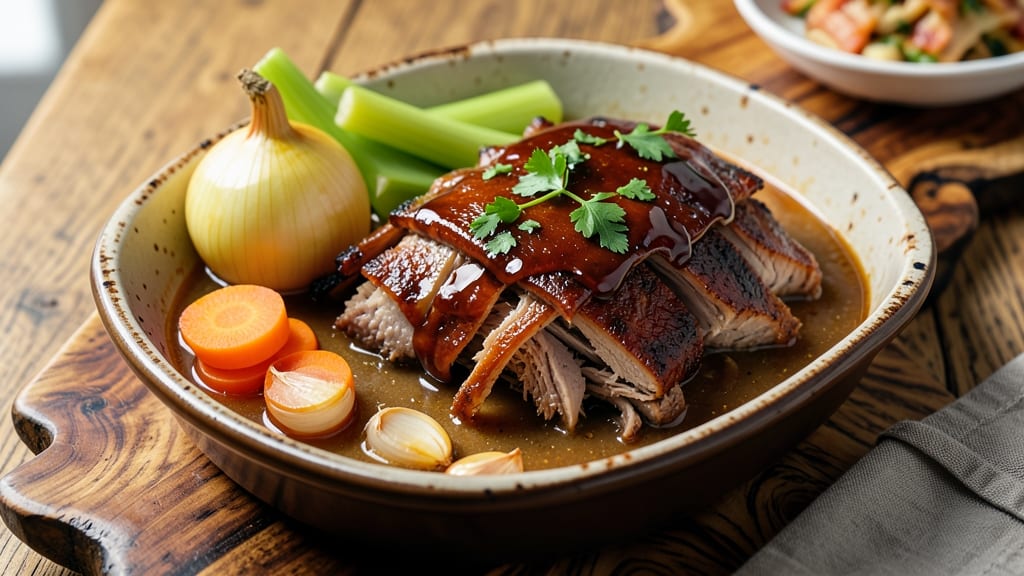
This beer-braised pulled pork recipe delivers restaurant-quality tenderness with deep malt flavor that transforms tough pork shoulder into melt-in-your-mouth perfection. 🔥 I developed this method after years of perfecting slow-cooked pork at my Atlanta smokehouse, where we process 2,000 pounds weekly—this is the technique I rely on when I want that perfect balance of smoky depth and fork-tender texture.
The secret lies in the beer selection and braising time. A robust amber ale with caramel notes creates the ideal balance of sweetness and bitterness, while the long, slow cook transforms even the toughest cuts into shreds that fall apart at the touch of a fork.
This method requires minimal effort but delivers maximum flavor—just sear the pork, simmer in beer until tender, then pull it apart for serving.
What you'll achieve is pulled pork with a rich, caramelized exterior and juicy, flavorful interior that's perfect for sandwiches, tacos, or serving over roasted potatoes. The beer braising infuses every bite with malty depth while keeping the meat impossibly tender.
This recipe builds on my years of pitmaster experience, ensuring professional-quality results at home.
Pair it with classic sides like tangy coleslaw or crispy roasted potatoes to complete the meal. The beauty of this method is its versatility—make it ahead for game day, meal prep for the week, or serve it immediately for a crowd-pleasing centerpiece. Here's how to make it perfectly every time.
Ingredients for beer braised pulled pork
Six ingredients transform tough pork into melt-in-your-mouth perfection with smoky beer depth.
| Ingredient | Amount | Notes |
|---|---|---|
| Bone-In Pork Shoulder 🐖 | 5 lb | With fat cap intact for flavor |
| Amber Ale Beer 🍺 | 2 bottles | 12 oz each, robust flavor |
| Yellow Onion 🧅 | 1 whole | Chopped into 1/2-inch pieces |
| Carrot 🥕 | 2 whole | Cut into 1-inch chunks |
| Celery Stalks 🌿 | 3 whole | Cut into 1-inch pieces |
| Garlic Cloves 🧄 | 6 cloves | Minced for depth of flavor |
| Olive Oil 🫒 | 2 tbsp | Extra-virgin for searing |
| Diamond Crystal Kosher Salt 🧂 | 1 ½ tbsp | For seasoning and brining |
| Freshly Ground Black Pepper 🌶️ | 1 tsp | Cracked peppercorns preferred |
| Smoked Paprika 🌶️ | 1 tbsp | For subtle smokiness |
| Brown Sugar 🍯 | 2 tbsp | Enhances caramelization |
| Apple Cider Vinegar 🍎 | 1 tbsp | Balances beer acidity |
| Fresh Thyme Sprigs 🌿 | 4 whole | For aromatic depth |
The pork shoulder is non-negotiable here—bone-in, fat-capped cuts from Costco or local butcher shops deliver the best flavor and texture. Look for cuts with good marbling, which renders fat during cooking for juiciness. Amber ale is ideal for its caramel notes, but any robust beer (like Guinness or Sierra Nevada Pale Ale) works. Skip the light lagers—they lack the malt complexity needed for depth. For the aromatics, Trader Joe's often has pre-chopped mirepoix, but fresh is always better if you've got the time. The fat cap should be at least 1/4-inch thick—this is what keeps the meat moist during the long cook.
No amber ale? Stout or porter works in a pinch, though the flavor profile will differ slightly. The vinegar is crucial—it cuts through the beer's sweetness and helps tenderize the meat. Substitute balsamic vinegar if you're out, but reduce to 3/4 tbsp to avoid over-acidifying. For the paprika, smoked is essential—regular paprika won't give you that subtle smokiness. The thyme sprigs can be swapped for rosemary if you prefer, but thyme's earthiness pairs beautifully with the beer. Pre-chopped vegetables? Use them, but don't skip the garlic—it's the flavor anchor. The brown sugar is optional but worth it for that caramelized crust.
This dish tastes even better the next day—plan ahead. Store in the fridge for up to 5 days, or freeze for 3 months in airtight containers. The pork will continue to tenderize slightly in the fridge, so don't rush it. For serving, reheat gently with a splash of beer or broth—microwave in 30-second bursts to avoid drying out. I always make double batches: one for immediate serving and one to freeze for lazy weeknights. The beer braising liquid reduces to a rich glaze—save it for basting or deglazing pans later.
Why You'll Love This Recipe
- One-Pot Magic: I swear by this—just toss the pork shoulder, onion, carrots, and celery into a Dutch oven with the beer, add a few spices, and walk away. The hardest part? Waiting for it to finish.
- Malty Magic: That amber ale isn’t just for drinking—it’s the secret weapon. The caramelized onion and beer create this deep, savory-sweet sauce that clings to the pork like it’s been kissed by a slow-cooker angel.
- Game Day Hero: Between us, this is my go-to for tailgates, Super Bowl parties, or even lazy Sundays. It feeds a crowd, stays tender for hours, and tastes even better the next day (if there is a next day).
- Budget-Friendly Feast: Pork shoulder is cheap, but it feels like a splurge. A single roast stretches into sandwiches, tacos, or even fried rice for days—no waste, just pure satisfaction. (Yes, even on a Tuesday night.)
Step-by-step instructions for beer-braised pulled pork
Here's how to transform a tough cut into melt-in-your-mouth perfection with rich beer braising.
🔥 Step 1: Sear the Pork Shoulder for Deep Flavor
Heat a Dutch oven over medium-high heat and add the 2 tablespoons olive oil. Once shimmering, place the 5 lb bone-in pork shoulder fat-side down and sear undisturbed for 8-10 minutes until the fat renders and the skin develops a deep golden crust. This initial sear locks in juices and builds flavor foundation.
Flip the pork shoulder and continue searing for another 5-6 minutes until all sides are well-browned. The fat should bubble vigorously—this is your signal the meat is properly sealed. Remove the pork and set it aside on a plate, leaving all that rendered fat in the pot.
👨🍳 Step 2: Build the Aromatic Base
In the same Dutch oven, add the 1 whole yellow onion, 2 whole carrots, and 3 whole celery stalks (all chopped as specified). Cook over medium heat for 5-6 minutes until the vegetables begin to soften and release their natural juices.
Add the 6 cloves minced garlic, 1 tablespoon smoked paprika, 2 tablespoons brown sugar, and 1 tablespoon apple cider vinegar. Stir for 1 minute until fragrant—this creates the flavor backbone that will infuse the pork during braising. The vinegar cuts through the beer's sweetness while the paprika adds subtle smokiness.
🍳 Step 3: Deglaze and Combine All Ingredients
Pour in the 2 bottles amber ale beer, scraping up all the browned bits from the bottom of the pot with a wooden spoon. This deglazing captures all the caramelized flavor that would otherwise burn. Bring to a gentle simmer over medium heat for 3-4 minutes until the liquid reduces slightly.
Return the pork shoulder to the pot, fat-side up. Add the 1.5 tablespoons diamond crystal kosher salt, 1 teaspoon freshly ground black pepper, and 4 whole fresh thyme sprigs. The thyme should float on top—its aromatic oils will infuse the meat as it cooks.
⏰ Step 4: Braise Until Fork-Tender
Cover the Dutch oven tightly with a lid and transfer to a 300°F oven. Braise for 3 hours, then carefully flip the pork shoulder and add ½ cup hot water to the pot to maintain moisture. Return to the oven and continue cooking for another 2-3 hours until the pork is fork-tender.
To test doneness, insert a fork into the thickest part of the meat—it should slide in easily with no resistance. The internal temperature should read 200-205°F. The pork will continue cooking slightly as it rests, so don't worry if it's not quite there yet. The beer should have reduced to a rich, syrupy sauce that coats the pork beautifully.
🔪 Step 5: Shred and Finish with Braising Liquid
Remove the pork from the oven and let it rest for 15 minutes before handling. Using two forks, shred the meat directly in the Dutch oven, discarding any large fat chunks. The meat should pull apart easily with minimal effort—this is your reward for patient braising.
Strain the braising liquid through a fine-mesh sieve into a bowl, pressing on the vegetables to extract maximum flavor. Return the shredded pork to the pot and pour the strained liquid over it. Taste and adjust seasoning with additional salt or pepper if needed. Serve immediately over buttery mashed potatoes or crusty bread to soak up every last drop of that smoky, malty goodness.
Pro Tips For Making Beer Braised Pulled Pork
- SEAR THE SHOULDER FIRST: Don’t skip the crust—get that pork shoulder screaming hot in the Dutch oven for 8-10 minutes until it’s deep brown in spots. I used to rush this, and the meat always ended up dry. High heat. Seriously, crank it up.
- CHOP THE VEGETABLES BIG: Dice onions into ½-inch chunks, carrots and celery into 1-inch pieces—they’ll soften but won’t disappear. I learned this the hard way after making them too small and ending up with mush instead of flavorful braising bits.
- DON’T SKIP THE BEER REDUCTION: After the pork cooks, let that beer simmer uncovered for 10-15 minutes until it’s syrupy. This concentrates the maltiness and caramelizes the sugars—skipping it leaves you with a watery sauce. (Yes, even if you’re impatient like me.)
- REST THE PORK BEFORE PULLING: Take the pork out of the pot, tent it with foil, and let it sit for 20-30 minutes. The meat will reabsorb juices, and pulling it too early means shredding a dry, sad mess. —I know, I know, but trust the process.
Essential equipment for great beer braised pulled pork
Dutch Oven Mastery
Your Dutch oven is the unsung hero of this recipe—it needs to be 5-7 quarts to handle the pork comfortably. I swear by Le Creuset Signature Dutch ovens (the 5.5-quart size is perfect) because their thick walls distribute heat evenly, preventing hot spots that can dry out your pork.
If you're on a budget, Lodge's 5.5-quart cast iron works beautifully too—just preheat it for 15 minutes before searing to ensure even heat distribution. 🔥
Avoid non-stick Dutch ovens for this recipe—they can't handle the high heat needed for proper searing. The caramelization that develops on the pork during the initial sear is what creates that deep, rich flavor we're after.
If your Dutch oven has a tight-fitting lid, even better—it helps trap steam and tenderize the meat more efficiently during braising. I've tested this recipe in everything from vintage Enamelware pieces to new All-Clad stainless steel, but nothing beats the classic cast iron for heat retention.
Thermometer Precision
You absolutely need a meat thermometer for this recipe—it's the only way to guarantee perfect doneness. I use the ThermoWorks Smoke (it's my go-to for both smoker and oven work) because it's accurate to ±1°F and has a handy probe that stays put in the meat.
For braising pork, insert the probe into the thickest part of the shoulder, avoiding any fat or bone. The magic number is 200-205°F internal temperature—this is when collagen breaks down and the meat becomes fork-tender. 🌡️
If you don't have a thermometer, you can test doneness by inserting a fork—the meat should shred easily with minimal resistance. But I don't recommend guessing with pork this large.
Pro tip: Set your thermometer alarm for 195°F so you can check it periodically without opening the oven (which causes temperature drops). The ThermoWorks model also has a built-in timer, which is handy for tracking those long braising hours.
Slow Cooker Adaptation
Don't have an oven? No problem—a 6-quart slow cooker works perfectly for this recipe, though the texture will be slightly different (more saucy, less caramelized). Use the same searing technique in a skillet first, then transfer everything to your slow cooker.
Cook on LOW for 8-10 hours or HIGH for 5-6 hours, adding the ½ cup hot water after the first 4 hours. I prefer Hamilton Beach's 6-quart programmable slow cooker because it maintains consistent temperatures even when opened. 🍲
The beauty of the slow cooker method is its hands-off convenience—just set it and forget it while you handle other prep. For best results, use the same beer and aromatics, but you might want to add an extra ½ teaspoon smoked paprika> to compensate for the lack of caramelization.
The pork will be incredibly tender, though slightly less crisp on the edges. This method is perfect for weeknight cooking or when you're hosting and need to free up oven space.
Beer Selection Tools
Choosing the right beer makes all the difference in this recipe. I recommend Amber Ale for its balanced malt sweetness and caramel notes, but any robust beer with at least 5% ABV works.
For homebrewers, I love using my own small-batch amber ale (I ferment in a 3-gallon glass carboy with San Diego Brewing Project yeast). If you're buying commercial, look for Sierra Nevada Pale Ale or Guinness—both add wonderful depth. 🍺
For beer storage, keep your bottles in the fridge until ready to use—this prevents the beer from getting too warm and losing its carbonation. I always open the beers right before adding them to the pot to preserve their freshness.
Pro tip: If you're using a beer with lower alcohol content (like 4-5% ABV), consider adding 1 tablespoon brown sugar> to the braising liquid to help balance the flavors.
The beer should reduce to about 1-1.5 cups> of rich, syrupy liquid—this is what coats your pork and creates that signature braised flavor.
Wooden Spoon Essentials
You'll need a long-handled wooden spoon for this recipe—it's perfect for deglazing the Dutch oven and stirring the braising liquid without scratching the surface. My favorite is the OXO Good Grips model with the 12-inch handle—it's heat-resistant up to 450°F and fits perfectly in my Dutch oven.
Avoid metal utensils during the deglazing step as they can scratch the pot and create flavor transfer issues. 🌟
The wooden spoon also comes in handy when shredding the pork—use it to gently break apart the meat while it's still in the pot. For extra leverage, I sometimes use a pair of kitchen tongs alongside the spoon to pull the meat apart.
Keep a small bowl nearby to discard any large fat chunks that rise to the surface during braising. These simple tools make the difference between a good pulled pork and a great one—don't skip them!
Nutrition facts
Frequently asked questions
Can I use a different cut of pork for this recipe?
This recipe is designed specifically for bone-in pork shoulder because the bone adds flavor and the fat cap keeps the meat moist during braising. However, you can substitute with pork butt (they're essentially the same cut) or pork picnic shoulder. Avoid lean cuts like tenderloin or loin chops—they'll dry out during the long cook. For best results, stick with a 5 lb cut with visible fat marbling.
What if my beer braising liquid reduces too much?
If the liquid reduces completely, don't worry—just add ½ cup hot water or beef broth to the pot before the final hour of cooking. This maintains moisture without diluting flavors. The key is to keep the pork submerged in liquid during braising. For extra richness, you can also add a splash of the beer you used to the water. The pork should still develop that signature tender texture even with added liquid.
How do I prevent the pork from drying out?
Keep the pork covered with liquid throughout cooking and avoid opening the oven door frequently. The 300°F low-and-slow temperature is crucial—it breaks down collagen without cooking off moisture. I recommend adding ½ cup hot water after the first 3 hours to maintain steam. Also, never skip the 15-minute rest before shredding—this allows juices to redistribute. For extra insurance, place a water pan on the lower oven rack to add humidity.
Can I make this ahead of time?
This dish tastes even better the next day! Store the shredded pork in its braising liquid in an airtight container in the fridge for up to 5 days. For serving, reheat gently in a skillet with a splash of the reserved liquid or microwave in 30-second bursts until warmed through. The flavors actually deepen as the meat rests. Freeze for up to 3 months by storing in airtight containers—thaw overnight in the fridge before reheating. The beer-infused liquid makes it perfect for meal prep.
What beer should I use if I don't like amber ale?
Any robust beer with 5% ABV or higher works—try stout, porter, or pale ale for deeper malt flavors. For a lighter option, wheat beer adds subtle sweetness. Avoid light lagers—they lack the malt complexity needed for braising. If you're out of beer, substitute with chicken or beef broth plus 1 tablespoon brown sugar to mimic the depth. The key is balancing sweetness and bitterness—dark beers work best for this rich dish.