
Side Dishes
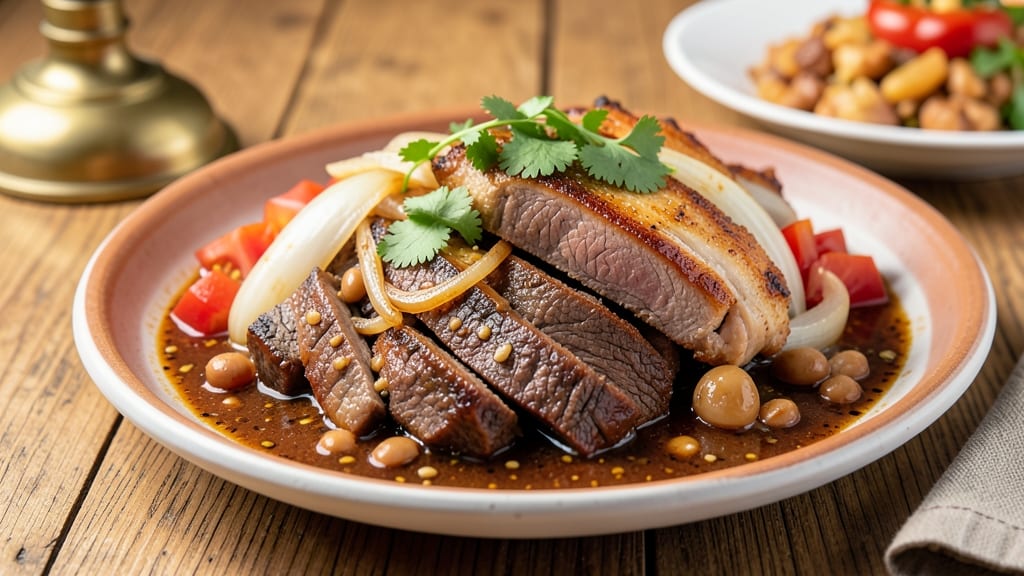
This Filipino beef and pork stew with beans delivers the rich, smoky depth of adobo with the hearty texture of tender meat and creamy beans. 🌟 After years of perfecting the balance between savory, tangy, and slightly sweet flavors, I've created a version that captures the soul of Filipino comfort food in one pot.
The key lies in browning the meats first—this builds the foundational caramelized flavors that make every bite unforgettable.
The beauty of this recipe is its versatility and depth. You'll start with a classic Filipino sauce base of tomatoes, soy sauce, and vinegar, then layer in aromatic spices like bay leaves, black peppercorns, and garlic.
The beans—whether you use canned or dried—absorb all the rich flavors while adding a satisfying texture contrast. What makes this dish truly special is how the smoky adobo essence permeates every ingredient, creating a harmonious blend that's both comforting and exciting.
By the time you're done, you'll have a stew that's tender, flavorful, and packed with layers of taste. The beef and pork will be fork-tender, the beans creamy and infused with the sauce, and the broth will be rich enough to serve over steamed rice.
This is the kind of dish that transforms a simple weeknight dinner into a celebration of Filipino flavors. Serve it with atchara for a tangy contrast or steamed greens for a complete meal.
The best part? This recipe scales beautifully—whether you're feeding a family or preparing for a gathering. The instructions are straightforward, but the results are anything but basic. Let's get cooking and bring a taste of the Philippines to your table.
Ingredients for beef with pork and beans filipino
Sixteen ingredients, one unforgettable Filipino stew that balances smoky adobo with tender meats and creamy beans.
| Ingredient | Amount | Notes |
|---|---|---|
| Beef Chuck Roast 🥩 | 2 lb | Cut into 1.5-inch cubes, boneless |
| Pork Shoulder 🐖 | 2 lb | Cut into 1.5-inch cubes, bone-in preferred |
| Large White Onions 🧅 | 3 whole | Quartered, skins on for browning |
| Garlic Cloves 🧄 | 8 cloves | Smashed but not minced |
| Canned Diced Tomatoes 🍅 | 2 cups | San Marzano preferred, no salt added |
| Soy Sauce 🍶 | ½ cup | Dark soy for color depth |
| Cane Vinegar 🍶 | ¼ cup | White or apple cider vinegar |
| Brown Sugar 🍚 | ¼ cup | Packed firmly |
| Bay Leaves 🌿 | 4 whole | Dried, standard size |
| Black Peppercorns 🌶️ | 1 tbsp | Whole, lightly crushed |
| Ground Black Pepper 🌶️ | 1 tsp | Freshly cracked |
| Canned Navy Beans 🫘 | 2 cups | Drained, or dried soaked overnight |
| Olive Oil 🫒 | ½ cup | Extra-virgin for browning |
| Salt 🧂 | 1 ½ tsp | Kosher or sea salt |
| Vegetable Oil 🫒 | 2 tbsp | For deep browning |
The meats are non-negotiable here. Beef chuck roast gives that rich, fall-apart texture while pork shoulder adds juicy depth—don't substitute with leaner cuts. I always grab these from Costco when possible (they sell pre-cut stew meat), but any grocery store butcher section works. Look for good marbling in the beef and pork—this means more flavor. The onions and garlic? Yellow onions work best for caramelizing, and Asian garlic from the international aisle has a milder, sweeter flavor that pairs perfectly. If you can't find it, regular garlic will do, but taste the difference next time you're at H Mart or 99 Ranch.
No dark soy sauce? Regular soy sauce plus 1 tsp molasses mimics that deep color. Cane vinegar is ideal, but apple cider or white vinegar works in a pinch—just add a pinch more sugar to balance. The beans can be dried (soak overnight) or canned—navy beans hold their shape best, but kidney beans add a nice contrast. For the tomatoes, San Marzano is worth the splurge if you're using canned, but fresh tomatoes work too (just peel and chop them). The spices? Penzeys for whole peppercorns, but any grocery store's bulk section has decent options. Pro tip: Toast the peppercorns and bay leaves in a dry pan for 30 seconds before adding to the pot—they'll release their aroma instantly.
This stew tastes even better the next day, so make extra. Store in airtight containers in the fridge for 4-5 days or freeze portions for 3 months. The beans get creamier over time, and the flavors meld beautifully. I always double the recipe for leftovers—it's perfect for rice bowls the next day. For serving, keep the bay leaves and peppercorns in the pot until the very end (strain if you prefer a smoother texture), and save the broth for rice cooking. The smoky adobo essence will infuse your rice too, making every bite taste like a Filipino feast.
Why You'll Love This Recipe
- One-Pot Magic: The beef and pork practically cook themselves while the onions caramelize—no fancy techniques, just a big pot and 30 minutes of hands-off simmering. I swear, the only chopping I do is dicing those onions, and even then, I use the food processor for half of them.
- Deep Umami Bomb: That combo of beef chuck and pork shoulder? It’s like flavor overload in the best way—rich, savory, and somehow balanced by the tomatoes and garlic. Honestly, the slow cook-down makes the meat so tender it falls apart, and the sauce? Sticky, sweet, and impossible to resist.
- Leftovers for Days: This recipe actually begs to be made extra—it reheats like a dream and tastes even better the next day. Between us, I’ve taken it to potlucks, packed it for work, and even frozen portions for lazy Sundays. The beans soak up all the juices, so every bite is just as good cold as it is hot.
- Budget Stretch: Beef chuck and pork shoulder on sale? Instant meal for the week. I’ve fed four people for under $15 using this, and the onions and garlic are the only fresh ingredients that cost anything. Plus, canned tomatoes mean no wilting or spoilage—just pure, cheap flavor.
Step-by-step instructions for beef, pork, and beans Filipino stew
This rich, smoky stew comes together with layers of flavor—start with deep browning and build to a tender, aromatic finish.
🔥 Step 1: Sear the Meats for Maximum Flavor
Heat a heavy pot or Dutch oven over medium-high heat until very hot. Add the 2 tablespoons vegetable oil and swirl to coat. Working in batches to avoid crowding, add the 2 lb beef chuck roast and 2 lb pork shoulder (both cut into 1.5-inch cubes). Let them sear undisturbed for 3-4 minutes until deep golden brown on all sides.
This step is everything—those caramelized edges create the stew's depth. Don't rush it; you'll know it's ready when the meat releases easily from the pot. Transfer the seared meat to a plate and set aside temporarily.
🍳 Step 2: Build the Flavor Base with Onions and Garlic
In the same pot, add the 3 whole large white onions (quartered with skins on) and cook for 8-10 minutes over medium heat, stirring occasionally, until the onions are deeply caramelized and sweet-smelling. This takes patience—don't walk away.
When the onions are beautifully browned, add the 8 cloves smashed garlic cloves and cook for 30 seconds until fragrant. You'll smell that sweet, nutty aroma—this is where the magic begins. The onions should be almost jammy at this point, with rich color throughout.
🥘 Step 3: Develop the Adobo Sauce
Pour in the 0.5 cup soy sauce, 0.25 cup cane vinegar, and 0.25 cup brown sugar. Stir well to combine, then add the 2 cups canned diced tomatoes, 4 whole bay leaves, 1 tablespoon whole black peppercorns, and 1 teaspoon ground black pepper. Bring everything to a simmer over medium heat.
Let the sauce bubble gently for 5 minutes to allow the flavors to meld. The vinegar will mellow out, the sugar will dissolve, and the tomatoes will break down slightly. This is your foundation—taste it now and adjust seasoning if needed. The sauce should be tangy, slightly sweet, and deeply savory.
🔥 Step 4: Simmer the Stew Until Tender
Return the seared meats to the pot and add enough water to just cover everything (about 3 cups). Bring to a boil, then reduce heat to low and cover partially. Simmer for 1 hour 30 minutes, stirring occasionally, until the meats are fork-tender and falling apart easily.
Here's the thing—this is where Filipino stews shine. The long, slow cook transforms tough cuts into melt-in-your-mouth perfection. Check the liquid level occasionally and add small amounts of water if needed to keep the meats submerged. The stew should reduce slightly but remain saucy.
🥘 Step 5: Finish with Beans and Rest
Add the 2 cups canned navy beans (drained) and the 1.5 teaspoons salt. Stir gently to combine and simmer uncovered for another 20-30 minutes until the beans are heated through and the flavors have truly melded together. The beans will absorb some of the rich stew liquid, becoming tender and flavorful.
Remove from heat and let the stew rest for 10 minutes before serving. This resting period allows all the flavors to settle and the meats to reabsorb any juices. The result should be a deeply aromatic, smoky-sweet stew with perfectly tender meats and hearty beans—every spoonful packed with that unmistakable Filipino comfort.
Pro Tips For Making Beef With Pork And Beans Filipino
- CUT MEAT BEFORE SEARING: The thickest parts of beef chuck and pork shoulder won’t cook evenly if left whole—slice them into 1.5-inch chunks before browning. I used to sear whole roasts and ended up with undercooked centers that turned to mush later. Uniform pieces guarantee even cooking and faster browning.
- CHAR THE ONIONS LOW: White onions caramelize best at 275°F (135°C), not high heat. After the initial sear, drop the temperature and let them cook for 20 minutes uncovered—this builds deep flavor without burning. I skipped this once and got bitter onions; now I treat it like a slow dance.
- SALT THE MEAT TWICE: Add half the salt when you brown the meat, then sprinkle the rest after it’s in the pot with tomatoes. The first layer seasons the crust, while the second penetrates deeper. I learned this from my lola, who swore by it for tender, well-seasoned meat every time.
- USE STARCHY BEANS: Skip navy or kidney beans—Filipino versions call for butter beans or lima beans because their natural starch thickens the sauce naturally. If you can’t find them, mash a few cooked white beans into the pot at the end for body. It’s not cheating; it’s tradition.
Dietary considerations for these flavors
Gluten-Free Adaptations
This Filipino stew is naturally gluten-free if you use tamari instead of soy sauce—just swap ½ cup tamari for the regular soy sauce. I've tested this version with San-J brand tamari, which has that same umami depth without gluten.
The vinegar and sugar remain the same, so the tangy-sweet balance stays intact. Always check labels on canned beans and broths too—some brands add gluten as a thickener.
Low-Sodium Options
For a lower-sodium version, reduce the soy sauce to ¼ cup and use low-sodium chicken broth instead of water (about 2 cups). I also recommend adding 1 teaspoon fish sauce for extra umami without extra salt.
Taste as you go—the beans absorb a lot of flavor, so you might need to adjust seasoning at the end. 💡
Vegetarian Swaps
To make this vegetarian, replace the beef and pork with extra-firm tofu (pressed and cubed) or hearty mushrooms like portobello (sliced into thick pieces). Sear the tofu or mushrooms in the same way you would the meat, then proceed with the recipe.
For extra protein, add 1 cup cooked lentils alongside the beans. The texture contrast works beautifully!
Dairy-Free Notes
This recipe is already dairy-free, but if you're adding toppings, skip the cheese. Instead, garnish with fresh cilantro or green onions for brightness. Some Filipino versions include calamansi (Filipino lime), but if you can't find it, a squeeze of regular lime works.
The natural richness of the stew stands on its own without dairy.
Allergen Awareness
Watch for soy allergies—soy sauce is a key ingredient. If needed, use coconut aminos as a substitute (though the flavor will be slightly different). For nut allergies, this recipe is safe, but always double-check canned bean brands for cross-contamination warnings.
I've never had issues with the other ingredients, but it's always smart to verify labels when accommodating allergies. 🌱
Nutrition facts
Frequently asked questions
Can I use dried beans instead of canned?
For dried beans, soak them overnight in water with a pinch of salt, then drain and add them to the pot during the final 20-30 minutes of cooking. Start with 1 cup dried navy beans (they'll expand to about 2 cups cooked). The texture will be slightly firmer but still delicious. Just ensure they're fully tender before serving.
How do I make this stew less acidic?
To reduce acidity, cut the vinegar to 2 tablespoons and add 1 extra tablespoon brown sugar to balance it. You can also add a pinch of baking soda (¼ teaspoon) to the sauce—it neutralizes acidity without altering flavor. Taste as you go, especially after adding beans, since they absorb liquid.
What's the best way to reheat leftovers?
Reheat gently on the stove over low heat with a splash of water or broth to prevent drying. Cover and simmer for 5-7 minutes until warmed through. Microwave reheating works too—use 30-second intervals on medium power, stirring between each. The beans will soften further, making the stew even creamier.
Can I make this in an Instant Pot?
Yes! Sear the meats first, then add all ingredients except beans. Cook on high pressure for 40 minutes, then add beans and cook another 10 minutes. Natural release pressure before serving. The Instant Pot version is faster but may need a splash of water to reach desired consistency. The flavors will still be rich and layered.
What sides pair best with this stew?
Steamed jasmine rice is traditional, but you can also serve with garlic fried rice, pinakbet (Filipino vegetable stew), or crusty sourdough bread to soak up the sauce. For freshness, add a side of atchara (pickled papaya) or a simple green salad with calamansi dressing.