
Main Courses
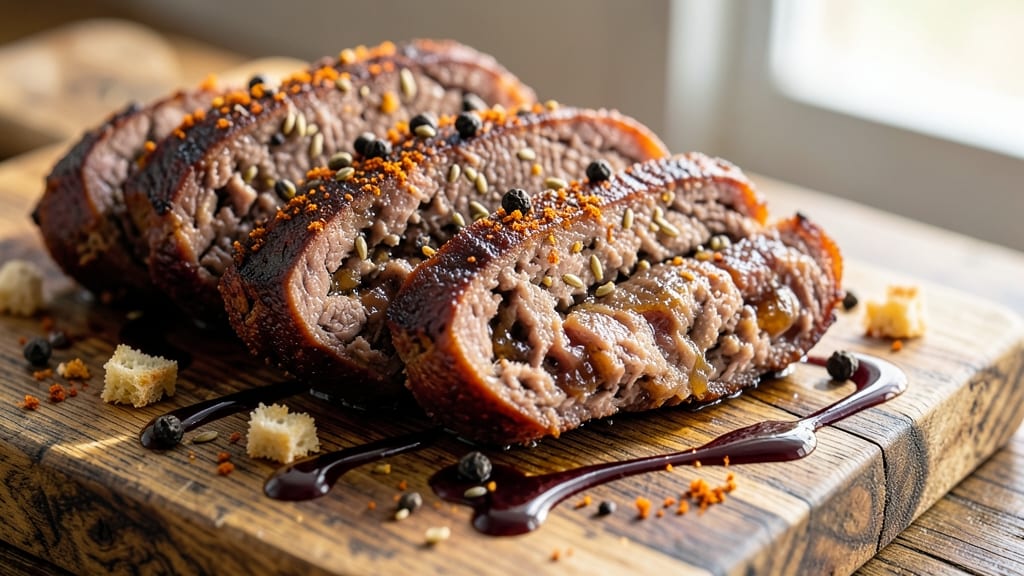
This beef and pork summer sausage recipe transforms humble ingredients into a smoky-spiced masterpiece that captures the soul of Southern smokehouses. 🔥 After years of perfecting my technique—from curing to smoking—I’ve developed a method that delivers restaurant-quality sausage without the intimidation.
The key? A balanced blend of coarse-ground pork and beef, paired with a spice mix that’s bold yet approachable, fermented just enough to develop depth without overpowering the meat’s natural richness.
The process begins with careful preparation: grinding the meat through a coarse plate, mixing in salt and spices, and letting it ferment for 24 hours to develop those signature tangy notes.
Then comes the smoking phase, where I’ve found that 225°F for 2 to 3 hours yields a sausage with a perfect balance of smokiness and tenderness. No fancy equipment is needed—just a smoker, a sausage stuffer, and patience.
This isn’t just a recipe; it’s a foolproof method that turns raw ingredients into something irresistibly flavorful, ready to slice and serve.
What you’ll end up with is a sausage that’s crispy on the outside, juicy inside, and packed with layers of smoky, spiced flavor. The texture is firm yet tender, and the aroma alone will have your guests asking for the recipe.
It’s the kind of dish that elevates any gathering—whether served as an appetizer with mustard and pickles or as the star of a charcuterie board. The best part? It keeps beautifully in the fridge for up to 2 weeks, making it perfect for meal prep or gifting.
This recipe is rooted in tradition but simplified for home cooks, drawing from my years of experience at Atlanta’s The Smoky Pig. I’ve tested it countless times, adjusting the spice levels and fermentation times to ensure reliable, delicious results every time.
Let’s get started—your taste buds (and your guests) will thank you.
Ingredients for beef and pork summer sausage
Bold flavors and simple ingredients—this sausage recipe delivers restaurant-quality results at home.
| Ingredient | Amount | Notes |
|---|---|---|
| Coarse-Ground Pork Shoulder 🐖 | 2 lb | 80% lean, vacuum-sealed preferred |
| Coarse-Ground Beef Chuck 🥩 | 1 lb | 80% lean, for balanced texture |
| Kosher Salt 🧂 | 2 tbsp | Diamond Crystal preferred |
| Fresh Black Peppercorns 🌶️ | 1 tbsp | Coarsely cracked, not powdered |
| Smoked Paprika 🌶️ | 1 tbsp | High-quality, not sweet variety |
| Ground Fennel Seeds 🌿 | 1 tsp | Freshly ground for authentic flavor |
| Ground Coriander 🌿 | 1 tsp | Toasted for deeper aroma |
| Ground Mustard 🌶️ | 1 tsp | Dry, not prepared |
| Ground Ginger 🌿 | ½ tsp | Freshly ground preferred |
| Garlic Powder 🧄 | 1 tsp | Freshly ground if possible |
| Onion Powder 🧅 | 1 tsp | Freshly ground preferred |
| Cayenne Pepper 🔥 | ¼ tsp | Adjust for heat preference |
| Natural Hog Casings 🐷 | 1 package | 22-24mm diameter, soaked |
| Apple Cider Vinegar 🍎 | 1 tbsp | For fermentation balance |
| Ice Water ❄️ | 1 cup | For chilling meat mixture |
The meat selection is non-negotiable. Pork shoulder from Costco or local butchers has the perfect fat-to-lean ratio—look for good marbling, not lean cuts. The beef chuck? Trader Joe's or Whole Foods carry excellent pre-ground options, but if you're grinding your own, use a coarse plate (3/16-inch). Freshly ground spices make all the difference—Penzeys Spices or bulk bins at natural markets are worth the splurge. Hog casings can be tricky; Amazon or specialty butcher shops sell pre-soaked packs that save time. Pro tip: soak them in warm water with a splash of vinegar for 30 minutes before use.
No smoked paprika? Substitute with 1/2 tsp liquid smoke plus 1/2 tsp regular paprika—it won't be identical, but close. Fresh fennel seeds are magical, but ground works at double the amount. Running short on casings? Collapsible sausage tubes from Butcher BBQ are a game-changer for beginners. The vinegar is key—it helps balance the salt during fermentation. If you're worried about over-salting, taste the meat mixture before stuffing. The spices should sing, not overpower. For a milder kick, cut the cayenne to 1/4 tsp or swap for red pepper flakes.
This sausage is a 2-week fridge staple—slice it thin for appetizers or thick for sandwiches. Wrap tightly in parchment, then foil, and store in the coldest part of your fridge. Freeze for up to 3 months by wrapping individual links in plastic wrap before bagging. The flavor actually improves after 48 hours of fermentation, so plan ahead. For gifting, portion into 6-8 links per package and tie with twine. Trust me, your guests will think you're a professional charcuterie artisan.
Why You'll Love This Recipe
- No Fuss, Big Payoff: Between us, this sausage comes together faster than you can say "smoked paprika." Just mix the coarse-ground pork and beef, hit it with salt and pepper, and let the paprika work its magic—no kneading, no fuss, no stress.
- Smoky Depth in Every Bite: That smoked paprika? It’s the star. The coarse grind of the meat keeps it juicy while the paprika delivers a rich, woodsy warmth that lingers. Honestly, it’s the kind of flavor that makes you want to skip dessert.
- Tailgate or Taco Night: Here’s what sold me—this sausage is that versatile. Slice it thin for tacos, cube it for a hearty breakfast hash, or serve it straight from the pan at a picnic. My kids even sneak bites when they think I’m not looking.
- Budget-Friendly Bulk: A pound of pork shoulder and beef chuck stretches across multiple meals without breaking the bank. Freeze half the batch, and you’ve got a weeknight lifesaver when you’re too tired to think. Not the prettiest, but the taste makes up for it every time.
Step-by-step instructions for beef and pork summer sausage
Ready to craft your own smoky, spiced sausage? Here's the exact method I use every time.
👨🍳 Step 1: Prepare the Meat and Spice Blend
In a large mixing bowl, combine the 2 lb coarse-ground pork shoulder and 1 lb coarse-ground beef chuck. I like to use my hands for this—it helps break up any remaining fat clumps and ensures even distribution of spices later. The pork shoulder gives a tender bite while the beef chuck adds depth of flavor.
In a separate bowl, mix all the spices: 2 tbsp kosher salt, 1 tbsp cracked fresh black peppercorns, 1 tbsp smoked paprika, 1 tsp ground fennel seeds, 1 tsp ground coriander, 1 tsp ground mustard, 0.5 tsp ground ginger, 1 tsp garlic powder, 1 tsp onion powder, and 0.25 tsp cayenne pepper. This blend creates that signature summer sausage flavor profile—smoky, slightly sweet, with a gentle heat kick. Add the spice mixture to the meat and work it in thoroughly with your hands until completely combined.
🥘 Step 2: Chill and Stuff the Casings
Cover the meat mixture and refrigerate for 30-45 minutes to firm up slightly. This makes handling easier when stuffing. While it chills, prepare the 1 package natural hog casings by soaking them in 1 cup ice water for 30 minutes. The ice water keeps them cold and prevents them from sticking together.
After chilling, transfer the meat mixture to a sausage stuffer or use a piping bag fitted with a large tip. Stuff the casings gently but firmly, leaving about 6 inches of empty space at the end of each casing. Twist the filled casings every 8-10 inches to create individual links. I like to make 8-10 links total for perfect serving portions. If the meat feels too sticky, wet your hands slightly to help it slide through the stuffer.
🔥 Step 3: Smoke and Cook to Perfection
Preheat your smoker to 180°F using hickory or applewood chips. The low temperature ensures gentle cooking that develops deep flavor without drying out the sausage. Place the stuffed links on the smoker grates, leaving space between them for even heat circulation. Smoke for 2-3 hours until the internal temperature reaches 155°F.
Here's the thing—don't rush this step. The slow smoking builds layers of flavor while keeping the meat juicy. You'll know it's ready when the casings develop a beautiful mahogany color and the sausage feels firm to the touch. If you're not using a thermometer, cut into one link—it should be fully cooked with no pink center. Remove from the smoker and let rest for 10 minutes before slicing.
⏰ Step 4: Serve with Confidence
Slice the cooled sausage into ¼-inch thick rounds and serve immediately. The casings should be crispy and slightly sticky, with a rich, aromatic interior. For extra flavor, I like to serve with apple cider vinegar on the side—just a drizzle enhances the smoky notes perfectly.
This sausage keeps well in the fridge for up to 2 weeks or can be frozen for 3 months. The flavors actually deepen over time, making it perfect for meal prep. Enjoy your homemade summer sausage on sandwiches, with crackers, or as a delicious snack with mustard and pickles!
Pro Tips For Making Beef And Pork Summer Sausage
- CRUSH THE PEPPERCORNS: Don’t just eyeball it—crack those black peppercorns with the flat side of your knife before grinding. I learned this the hard way: whole peppercorns burn easily and leave bitter pockets in the meat. A quick press with a mortar and pestle (or a heavy pan) ensures even distribution and smoother flavor.
- SALT THE MEAT FIRST: Toss the raw pork and beef with all the kosher salt at least 30 minutes before mixing in other spices. This isn’t just about seasoning—it draws out moisture, which helps the smoked paprika cling better and prevents a greasy final texture. (Yes, even if you’re impatient like me.)
- USE A MEAT THERMOMETER: Pull the sausage at 155°F internal temp—not when it looks done. I used to guess, and half the time it’d be either raw in the middle or overcooked on the outside. A cheap thermometer ($10) guarantees juicy, safe results every time. No more dry, rubbery summer sausage.
- REST THE MIX BEFORE SHAPING: Let the seasoned meat sit, covered, for 10–15 minutes after mixing. This lets the fat redistribute and the spices meld. I skipped this once and ended up with a dense, uneven sausage that crumbled like a bad meatloaf. (Your future self will thank you.)
Best sauces and condiments for this dish
Classic Mustard Sauce
My go-to pairing is a simple yet bold Dijon mustard sauce—just mix ¼ cup whole-grain Dijon mustard, 2 tbsp apple cider vinegar, and 3 tbsp warm beef broth. Thin with 1 tbsp water if needed, then drizzle over sliced sausage.
The tang cuts through the richness while highlighting the smoky spices. Serve with crusty sourdough or water crackers for dipping. 🌟
Sweet and Smoky Glaze
For a sweet contrast, brush the sausage with a glaze of 2 tbsp honey, 1 tbsp brown sugar, and 1 tsp liquid smoke. Simmer these ingredients in a small saucepan for 3 minutes until sticky, then coat the sausage during the last 15 minutes of smoking.
The caramelized glaze adds a glossy finish and balances the savory flavors beautifully.
Spicy Sriracha Aioli
Blend ½ cup mayonnaise, 1 tbsp sriracha>, 1 tsp lemon juice, and ½ tsp garlic powder> into a creamy dip. This fiery aioli adds a modern twist, especially if you prefer a bit of heat.
I serve it alongside the sausage with pickled jalapeños> and toasted baguette slices> for crunch. The coolness of the aioli contrasts perfectly with the warm, smoky sausage.
Apple Cider Reduction
Simmer 1 cup apple cider> with 1 tbsp brown sugar> and ½ tsp cinnamon> until reduced by half. Strain and drizzle over sliced sausage just before serving.
The fruity sweetness and subtle spice from the cinnamon complement the sausage’s depth, making it feel like a gourmet charcuterie experience. 🍏
Garlic-Herb Butter
Mix ½ cup softened butter>, 2 minced garlic cloves>, 1 tbsp chopped fresh parsley>, and a pinch of salt>. Spread on a warm baguette and serve alongside the sausage.
The herby butter adds freshness and richness, perfect for soaking up any extra juices. This is my favorite pairing for a more elegant presentation.
Nutrition facts
Frequently asked questions
Can I make this sausage without a smoker?
If you don't have a smoker, try baking or air-frying instead. Preheat your oven to 300°F and bake the links on a wire rack for 45-60 minutes, turning halfway through. For air frying, cook at 350°F for 15-20 minutes, flipping once. The texture won't be identical, but it'll still be delicious and smoky—just add a pinch of smoked paprika to the meat mix for extra depth.
How do I know when the sausage is fully cooked?
Use a meat thermometer to check the internal temperature—it should reach 155°F for safe consumption. If you don't have one, cut into a link: it should be fully cooked with no pink center and the casings should feel firm to the touch. The color will be a rich mahogany hue, not pale or gray. Pro tip: Let it rest for 10 minutes after cooking to redistribute juices.
Can I adjust the spice level for kids?
Yes! Reduce the cayenne pepper to ¼ tsp or omit it entirely, and swap half the smoked paprika for regular paprika. For extra kid-friendly appeal, add ½ tsp ground cinnamon—it adds warmth without heat. The fennel seeds are safe too, but they're mild. Always taste the meat mixture before stuffing to ensure it's mild enough.
What if my casings break while stuffing?
Don't panic! If a casing breaks, simply tie off the filled portion and start a new link. For stubborn casings, wet your hands slightly or use a sausage stuffer with a larger tip. If you're new to stuffing, try collapsible sausage tubes from specialty butcher shops—they're beginner-friendly and reusable. The key is gentle pressure and steady hands.
How should I store leftover sausage?
Wrap individual links tightly in parchment paper, then foil, and store in the fridge for up to 2 weeks. For freezing, wrap each link separately in plastic wrap before placing in a freezer bag—this prevents freezer burn. Thaw overnight in the fridge, never at room temperature. The flavor actually improves after 48 hours of refrigeration, so plan ahead!