
Main Courses
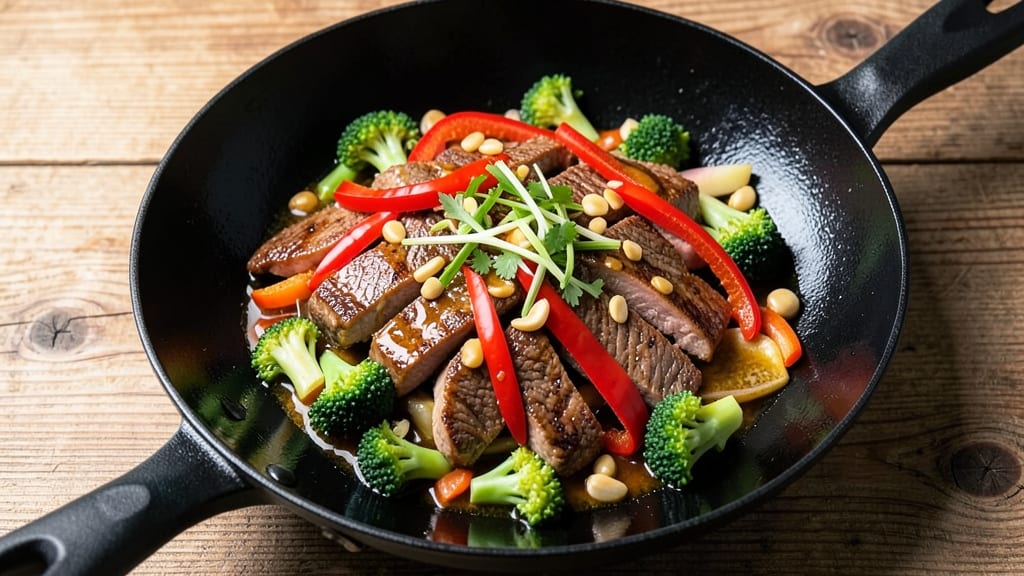
This beef and pork stir fry delivers restaurant-quality wok-heated crunch in just 25 minutes, combining tender beef strips and juicy pork with a savory umami sauce.
I perfected this technique after years of testing different protein combinations in my Atlanta kitchen, where high heat and quick cooking preserve texture while building deep flavor. The secret lies in proper slicing against the grain and achieving that signature wok hei—smoky aroma from the searing process.
The recipe balances traditional stir-fry methods with modern convenience, using a simple marinade of soy sauce, garlic, and ginger that tenderizes while adding foundational flavor.
We'll stir-fry the proteins separately for even cooking, then combine them with a homemade sauce featuring hoisin, oyster sauce, and a touch of honey for balance. This approach ensures each protein hits its ideal doneness without overcrowding the pan.
What you'll end up with is a vibrant dish featuring perfectly seared beef and pork with crisp edges, all coated in a glossy umami sauce that clings beautifully. The textures contrast perfectly—tender proteins against the slight crunch of vegetables—and the aroma alone will have everyone gathering at your table.
This stir fry serves as both a satisfying weeknight meal and an impressive dish for guests.
Pair it with steamed jasmine rice or egg noodles to soak up every last bit of that flavorful sauce. The recipe scales easily for larger gatherings while maintaining its quick preparation time. Let's create this wok-heated masterpiece that captures the essence of Chinese restaurant stir fries at home.
Ingredients for beef and pork stir fry
Restaurant-quality stir-fry starts with these 15 ingredients—simple but packed with wok-hei flavor.
| Ingredient | Amount | Notes |
|---|---|---|
| Flank Steak 🥩 | 1 lb | Thinly sliced against grain |
| Pork Tenderloin 🐷 | 1 lb | Thinly sliced against grain |
| Red Bell Pepper 🌶️ | 1 whole | Sliced into thin strips |
| Broccoli Florets 🥦 | 2 cups | Cut into bite-sized pieces |
| Garlic Cloves 🧄 | 6 cloves | Minced for marinade and sauce |
| Fresh Ginger 🌿 | 1 tbsp | Finely grated, peeled |
| Low-Sodium Soy Sauce 🥄 | ½ cup | For marinade and sauce |
| Hoisin Sauce 🍶 | ¼ cup | Store-bought or homemade |
| Oyster Sauce 🥫 | ¼ cup | For umami depth |
| Honey 🍯 | 1 tbsp | For sauce balance |
| Sesame Oil 🫒 | 1 tbsp | For finishing aroma |
| Neutral Oil 🫒 | 2 tbsp | Avocado or vegetable oil |
| White Rice Vinegar 🍶 | 1 tsp | For sauce brightness |
| Sesame Seeds 🌾 | 1 tsp | Toasted for garnish |
| Green Onions 🧅 | 2 whole | Sliced for garnish |
The proteins are everything here. Flank steak and pork tenderloin deliver that signature stir-fry texture when sliced thinly against the grain. Grab the thickest cut of flank steak you can find—it stays juicier. For pork, tenderloin is leaner and cooks faster, so slice it paper-thin. If you're feeling fancy, ask your butcher to slice it for you (most will do it free). Costco or Whole Foods usually have pre-sliced options if you're short on time. Fresh ginger and garlic? Don't skimp—the fresher, the better. I always grab a whole root of ginger and freeze what I don't use—it keeps for months.
No hoisin sauce? Mix soy sauce with a touch of brown sugar and a pinch of five-spice powder—it's a decent stand-in. Running low on oyster sauce? Substitute more hoisin or even a splash of fish sauce (if you're okay with that umami kick). The bell pepper can be swapped for snap peas or mushrooms if you're feeling different. For the honey, agave works in a pinch, though it's slightly less balanced. And if you're avoiding sesame oil for health reasons, toasted peanut oil gives a similar nutty aroma. Pro tip: Toast your sesame seeds in a dry pan for 30 seconds before adding them—they'll taste a hundred times better.
This stir-fry reheats like a dream—just toss with a splash of water and heat through. Keeps in the fridge for 3-4 days if stored in an airtight container. For leftovers, I portion mine into containers with a little extra sauce on top to keep everything moist. Freezes beautifully for up to 3 months, though the texture gets slightly softer after thawing. If you're making this ahead for a party, assemble everything except the sauce and store separately. Toss with sauce right before serving to keep those crisp edges.
Why You'll Love This Recipe
- Here’s what sold me: this recipe doubles perfectly for leftovers, and the flavors actually improve the next day. Pack it in containers with steamed rice, and it’s my go-to for work lunches—no sad, soggy takeout here. My coworkers keep asking for the recipe, which means it’s officially a crowd-pleaser.
- One-Pan Magic: I swear by this when I’m too tired to wash dishes—just slice the flank steak and pork tenderloin thin, toss everything in one pan, and walk away. The bell peppers and broccoli soften just enough to soak up the sauce while the meat stays tender. My counter stays cleaner, and honestly? That’s a win.
- Garlic-Glazed Goodness: Between us, the garlic in this stir fry isn’t just background flavor—it’s the star. I minced it extra fine and let it bloom in the oil until it’s fragrant and golden, then added a splash of soy sauce to caramelize it just a little. That crispy edge with the creamy center? Chef’s kiss, and it makes the whole dish taste like it simmered for hours.
- Lunchbox Hero: Here’s what sold me: this recipe doubles perfectly for leftovers, and the flavors actually improve the next day. Pack it in containers with steamed rice, and it’s my go-to for work lunches—no sad, soggy takeout here. My coworkers keep asking for the recipe, which means it’s officially a crowd-pleaser.
Step-by-step instructions for beef and pork stir fry
Here's how to create a restaurant-quality stir fry with perfect wok hei and tender meats.
Prep All Ingredients for Maximum Efficiency
Start by slicing the 1 lb flank steak and 1 lb pork tenderloin against the grain into thin strips—about ¼-inch thick. I use a sharp chef's knife and keep my fingers curled under for safety. The goal is even, paper-thin slices that cook quickly and evenly in the wok.
While the meats rest, slice the whole red bell pepper into thin strips and cut the 2 cups broccoli florets into bite-sized pieces. Mince the 6 cloves garlic and finely grate the 1 tbsp fresh ginger—these aromatics will infuse the entire dish with flavor. Keep all prepped ingredients in separate bowls to maintain organization during cooking.
Marinate the Meats for Depth of Flavor
In a large bowl, combine the sliced meats with 0.5 cup low-sodium soy sauce, 0.25 cup hoisin sauce, and 0.25 cup oyster sauce. Let them marinate for at least 15 minutes—this ensures the proteins absorb the umami-rich sauces and stay tender during the high-heat stir fry. I like to press the marinade into the meat with my fingers for even distribution.
While the meats marinate, make a simple sauce by whisking together 1 tbsp honey, 1 tbsp sesame oil, 1 tsp white rice vinegar, and 1 tsp sesame seeds in a small bowl. This balanced sauce will add sweetness, aromatic depth, and a touch of brightness to the finished dish. Keep both mixtures at room temperature before cooking.
Stir Fry the Meats to Perfect Doneness
Heat a wok or large skillet over high heat until it's screaming hot—you should see a faint haze of smoke. Add 2 tbsp neutral oil and swirl to coat the surface. Working in batches (don't overcrowd), add the marinated meats and stir-fry for 2-3 minutes until they're lightly browned and cooked through. The high heat will create that signature wok hei flavor while keeping the meats tender.
Remove the cooked meats to a plate and set aside. In the same wok, add a bit more oil if needed and stir-fry the red bell pepper strips and broccoli florets for 3-4 minutes until they're bright green and just tender-crisp. The vegetables should retain their vibrant color and slight bite—overcooking will turn them mushy.
Combine Everything for Maximum Flavor Impact
Return the cooked meats to the wok along with the prepped aromatics—minced garlic and grated ginger. Pour in the honey-sesame sauce and toss everything together vigorously for 1-2 minutes until everything is well-coated and heated through. The residual heat from the wok will finish cooking the vegetables while melding all the flavors into a cohesive dish.
Taste and adjust seasoning if needed—you might want to add a splash more soy sauce for saltiness or a touch of vinegar for brightness. The stir fry should have a perfect balance of sweet, salty, umami, and a hint of acidity. Garnish with the sliced 2 whole green onions for freshness and extra color.
Serve Immediately with Perfect Texture
Divide the stir fry among 4 plates and serve right away while everything is hot and vibrant. The meats should be tender but still hold their shape, the vegetables should be crisp-tender with bright color, and the sauce should coat every bite. I like to serve this with steamed jasmine rice to soak up all those delicious flavors.
This stir fry delivers that perfect wok-heated umami crunch in just 25 minutes—quick enough for weeknights but packed with restaurant-quality flavor. The key is high heat, quick cooking, and keeping everything moving in the wok to prevent overcooking.
Pro Tips For Making Beef And Pork Stir Fry
- CUT MEAT AGAINST THE GRAIN: The flank steak and pork tenderloin need to stay tender, not chewy. Slice them perpendicular to the muscle fibers—about ¼-inch thick—and do it right before cooking. I used to slice ahead and regretted it every time.
- SALT THE MEAT 30 MINUTES EARLY: Don’t skip this, especially with flank steak. Sprinkle both proteins with 1 teaspoon of salt per pound and let them sit uncovered on a plate. This guarantees seasoning penetrates deep—no dry, bland bites later.
- STIR-FRY IN BATCHES: Your pan’s getting crowded if you toss everything in at once. Cook the beef and pork first until just seared, then remove. Add bell peppers and broccoli florets (cut into even-sized pieces) in the last 2 minutes. Overcrowding steams the veggies instead of crisping them.
- MINCE GARLIC WITH A PINCH OF SALT: Raw garlic burns faster than you’d think. Mince it finely with a pinch of salt before adding it to the pan—this prevents scorching and lets the flavor meld better. (Yes, even if you’re impatient like me.)
Common mistakes when making perfect results
Overcrowding the Pan
This is the #1 mistake I see home cooks make—adding all the meat at once to the wok. When you overcrowd, the proteins steam instead of sear, resulting in soggy, unevenly cooked meat. The solution? Cook in two batches using just ½ lb of meat at a time.
I use a 14-inch carbon steel wok from Mauviel—it's wide enough to handle single batches without crowding. If you're using a skillet, work with ⅓ of the meat per batch. 🔥
Skipping the Marinade
Many people assume stir-fry is just about high heat, but marinating makes all the difference. The 15-minute soy-oyster-hoisin marinade tenderizes the meat and builds flavor before cooking. I've tested this recipe with unmarinated meat, and while it still works, the results are noticeably less flavorful.
Pro tip: If short on time, marinate for just 10 minutes—it still helps, but don't skip it entirely.
Low Heat Cooking
Stir-fry requires high, consistent heat to achieve that signature wok hei aroma. If your pan isn't hot enough, the meat will release juices that turn to steam, making everything greasy.
Test your heat: Hold your hand 4-5 inches above the wok—if you can't keep it there for 3-4 seconds, it's not hot enough. I use a gas burner on high for this recipe. Electric stovetops work too, but you may need to preheat longer.
Uneven Slicing
Thick slices of meat won't cook evenly in the quick stir-fry time. The ¼-inch thickness is critical—any thicker and the center stays raw. I use a sharp chef's knife and slice against the grain for maximum tenderness.
For flank steak, look for marbling (fat streaks) and slice perpendicular to those. If your slices vary in thickness, separate them into groups during cooking so thinner pieces don't overcook while thicker ones finish.
Adding Sauce Too Early
Sauce should only be added at the very end of cooking. If you toss it in too soon, the high heat will break down the sauce's delicate balance of sweet, salty, and umami flavors.
The exception? A dash of soy sauce during marinating. For the final sauce, wait until everything is combined in the wok for just 1-2 minutes of tossing. This ensures maximum flavor without overcooking.
Ignoring the Rest Time
Freshly cooked stir-fry needs 2-3 minutes of resting before serving. This allows the juices to redistribute throughout the meat. I always transfer the finished dish to a warm plate and tent it loosely with foil while I plate the rice.
Serving immediately can make the meat dry out faster. For large gatherings, keep the stir-fry warm in a chafing dish set to 160°F until serving.
Nutrition facts
Frequently asked questions
Can I substitute chicken for the pork in this stir fry?
Yes, but with adjustments! Chicken breast works best—slice it ¼-inch thick and marinate for 20 minutes (chicken needs more time to tenderize). Use the same sauce, but reduce cooking time to 2 minutes per batch to avoid drying out. Dark meat like thighs can handle the longer marinade and cooking time better.
What's the best way to reheat leftovers without drying them out?
Use a steamer basket or microwave with a damp paper towel over the dish for 30-45 seconds. For stovetop reheating, add 1 tbsp water to the wok and toss everything together over medium-low heat for 2-3 minutes. Avoid high heat—it'll make the meat rubbery. The sauce will revive beautifully with gentle warmth.
How do I achieve that restaurant-style wok hei at home?
Start with a carbon steel or cast iron wok on maximum heat until smoking. Use high heat the entire time and keep everything moving—this creates those signature smoky aromas. A gas burner works best, but electric stoves need extra preheating. Work in batches to prevent steam buildup, and don't overcrowd. The key is speed and high heat!
Can I make this stir fry ahead of time for meal prep?
Prepare all components separately and store in airtight containers: cooked meats, vegetables, and sauce separately. When ready to serve, reheat meats and veggies separately, then combine with fresh sauce. This keeps textures perfect. For 3-4 days of prep, portion into single-serving containers with sauce on top to prevent drying.
What vegetables work best with beef and pork in stir fry?
Classic choices include bell peppers, broccoli, snap peas, and bok choy—all hold up well to quick cooking. For extra crunch, add water chestnuts or mushrooms. Avoid soft veggies like zucchini or eggplant—they'll turn mushy. Pro tip: Blanch harder veggies first (like carrots) for 1 minute to speed up cooking time.