
Main Courses
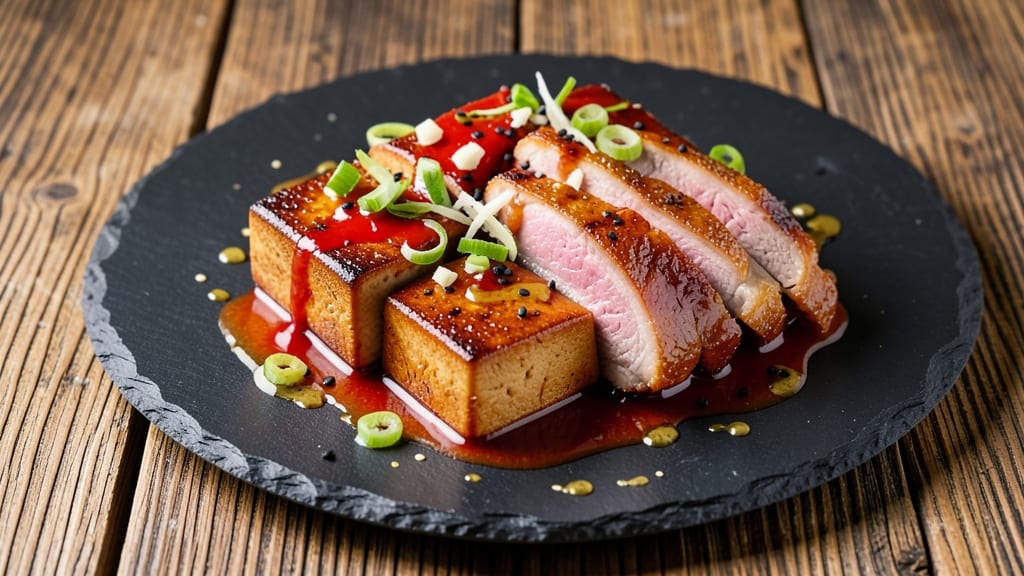
This bean curd and pork recipe transforms simple ingredients into a restaurant-worthy dish with silky tofu bites and crispy pork that balance texture perfectly. 🔥 I developed this after years of perfecting the interplay between tender tofu and perfectly seared pork—each bite delivers a harmony of softness and crunch that keeps everyone reaching for seconds.
The secret lies in the sauce, where soy, chili, and aromatic spices marry to create a glossy glaze that clings to both proteins.
What makes this recipe stand out is the technique: I start by pressing the tofu to remove excess moisture, ensuring it absorbs the sauce beautifully while maintaining its delicate texture.
The pork, meanwhile, gets marinated just long enough to develop flavor without becoming mushy—then seared until golden and crisp at the edges. This method delivers restaurant-quality results without requiring specialized equipment, making it perfect for weeknight dinners or weekend gatherings.
The final dish features silky tofu cubes that melt in your mouth and crisp pork pieces with a satisfying bite, all bathed in a rich, savory sauce that ties everything together. The dish is balanced enough to stand alone but pairs beautifully with steamed rice or noodles.
Whether you're cooking for family or hosting friends, this recipe delivers a satisfying meal that feels both comforting and impressive.
One of the best parts? The flavors only get better as they sit—making it ideal for meal prep or serving at room temperature. The pork stays crispy, the tofu remains tender, and the sauce deepens in complexity. Let's get cooking!
Ingredients for bean curd and pork
Restaurant-quality harmony begins with these carefully selected ingredients for silky tofu and crispy pork bites.
| Ingredient | Amount | Notes |
|---|---|---|
| Extra-Firm Tofu 🍱 | 16 oz | Pressed for 30 minutes to remove moisture |
| Boneless Pork Shoulder 🐖 | 1 ½ lb | Cut into 1-inch cubes, trimmed of fat |
| Soy Sauce 🥢 | ½ cup | High-quality, preferably Japanese |
| Rice Vinegar 🍶 | 2 tbsp | White vinegar substitute if unavailable |
| Sesame Oil 🌰 | 1 tbsp | Toasted, for aroma |
| Fresh Ginger 🧄 | 2 tbsp | Finely grated, aromatic |
| Garlic Cloves 🧄 | 6 cloves | Minced, for depth of flavor |
| Red Chili Flakes 🌶️ | 1 tbsp | Adjust for heat preference |
| Honey 🍯 | 1 tbsp | For balancing sweetness |
| Neutral Oil 🫒 | 3 tbsp | Avocado or vegetable oil |
| Cornstarch 🌾 | 1 tbsp | For crisping tofu |
| Green Onions 🧅 | 3 whole | Sliced, for garnish |
| Sesame Seeds 🌰 | 1 tbsp | Toasted, for texture |
| Salt 🧂 | 1 tsp | Diamond Crystal preferred |
| Black Pepper 🌶️ | ½ tsp | Freshly ground for heat |
The tofu is the foundation—extra-firm ensures it holds shape while absorbing flavor. Pressing it for 30 minutes removes excess moisture, preventing a soggy texture. For the pork, boneless shoulder delivers rich flavor and stays tender when cubed evenly. Trader Joe's or Whole Foods carry high-quality tofu; look for blocks without additives. The pork should have visible marbling for juiciness, and Costco often has excellent cuts at a better price. Fresh ginger and garlic are non-negotiable here—they're the aromatic backbone of the sauce, so use the freshest you can find.
No sesame oil? Toasted peanut oil works in a pinch, though it lacks the nutty depth. Substituting rice vinegar with white vinegar cuts some acidity, so add an extra 0.5 tbsp lemon juice to balance. For a sweeter sauce, swap honey for maple syrup or agave. The cornstarch is crucial for crisping the tofu—don't skip it, even if you're not a fan of corn products. If you prefer a less sweet glaze, reduce the honey to 0.5 tbsp and add 0.5 tbsp more soy sauce. For extra umami, a 1 tsp of fish sauce (if not vegetarian) or mushroom powder deepens the flavor profile.
Tofu and pork can be prepped 2 days ahead—store them separately in airtight containers in the fridge. The sauce keeps for 5 days refrigerated, though it tastes best within 3 days. For meal prep, assemble the dish just before serving to maintain crispness. The pork stays crispy for 2 hours at room temperature, making it ideal for buffet-style gatherings. Freeze cooked portions for 3 months, but reheat gently to avoid drying out the tofu.
Why You'll Love This Recipe
- One-Pan Magic: The pork shoulder and tofu practically cook themselves while you chop a few scallions. Honestly, I’ve made this with one hand tied behind my back—just toss everything in a skillet, let it simmer, and walk away.
- Umami Bomb: That combo of soy sauce and sesame oil? It’s like a flavor explosion in your mouth. The pork gets tender and sticky, while the tofu soaks up just enough savory goodness to make every bite irresistible.
- Lunchbox Hero: Pack this for work or school—it reheats like a dream. Between us, my kids actually ask for leftovers because it’s hearty enough to fill a thermos without turning soggy.
- Budget Stretch: Pork shoulder and extra-firm tofu are wallet-friendly, and a single batch feeds four (or two very hungry people). I’ll be real: this recipe saved me from takeout more times than I can count.
Step-by-step instructions for silky tofu bites with savory pork crisp
Transform ordinary ingredients into a restaurant-worthy dish with precise technique and bold flavors.
👨🍳 Step 1: Prepare the Tofu for Crispy Perfection
Drain the 16 oz extra-firm tofu and wrap it tightly in a clean kitchen towel. Place a heavy object like a cast-iron skillet on top and let it press for 30 minutes—this removes excess moisture and ensures a crispy exterior. After pressing, cut the tofu into 1-inch cubes using a sharp knife.
Transfer the tofu cubes to a bowl and toss them with 1 tablespoon cornstarch, coating each piece evenly. This creates a crispy barrier that holds up beautifully during frying. I like to use my hands for this step—it ensures every surface gets coated. Let the cornstarched tofu sit for 5 minutes while you prepare the pork.
🔥 Step 2: Cook the Pork Shoulder for Maximum Flavor
Cut the 1.5 lb boneless pork shoulder into 1-inch cubes, trimming any visible fat. Heat 2 tablespoons neutral oil in a large skillet over medium-high heat until shimmering. Add the pork in a single layer and cook undisturbed for 3-4 minutes until golden brown on all sides.
Remove the pork and set aside. In the same pan, add 2 tablespoons fresh ginger and 6 cloves minced garlic, cooking for 30 seconds until fragrant. This aromatics infusion forms the flavor base for the entire dish. Don't overcook—they should perfume the air but remain vibrant in color.
🍳 Step 3: Create the Signature Sauce
Return the pork to the skillet and pour in 0.5 cup soy sauce, 2 tablespoons rice vinegar, 1 tablespoon honey, and 1 tablespoon red chili flakes. Stir to combine, then add 1 tablespoon sesame oil and 0.5 teaspoon black pepper. Simmer for 5-6 minutes until the sauce reduces slightly and coats the pork evenly.
The sauce should be glossy with just enough body to cling to the pork. Taste and adjust seasoning—this is where the dish comes together. I often add a splash more soy sauce if it needs depth, or a touch of honey for balance. The chili flakes should add subtle heat without overpowering.
🥘 Step 4: Fry the Tofu to Crispy Golden Bites
Heat the remaining 1 tablespoon neutral oil in a clean skillet over medium heat until hot but not smoking. Add the cornstarch-coated tofu in a single layer and fry for 3-4 minutes per side until golden brown and crispy. The tofu should release easily from the pan when ready.
Transfer the fried tofu to a paper towel-lined plate to drain excess oil. Here's the thing—don't overcrowd the pan. Cook in batches if needed to maintain even heat and crispiness. The tofu should be firm to the touch with a crackly exterior that gives way to silky interior when bitten.
🍽️ Step 5: Assemble and Garnish for Presentation
Return the pork mixture to the skillet and stir in the fried tofu cubes, coating them evenly in the sauce. Add 3 whole sliced green onions and 1 tablespoon toasted sesame seeds, tossing gently to distribute. The contrast of crispy tofu with tender pork creates the perfect textural balance.
Serve immediately while the tofu remains crisp and the pork stays juicy. Garnish each serving with additional green onions and sesame seeds for visual appeal. This dish delivers a perfect harmony of textures—crispy tofu, tender pork, and a glossy sauce that ties everything together.
Pro Tips For Making Bean Curd And Pork
- Press the Tofu Dry: Extra-firm tofu still holds water like a sponge—wrap it in paper towels and press it under a heavy pan for 10 minutes before cutting. I learned this the hard way when my first batch turned soggy mid-fry. The goal is firm edges that crisp up, not a mushy center that soaks the pork’s flavor.
- Slice Pork Thinly, Against the Grain: Freeze the pork shoulder for 20 minutes first, then slice it paper-thin against the grain with a sharp knife. Thick slices chew like boot leather, but thin ones melt in your mouth and cook faster. If you’re impatient, use a meat grinder—just don’t skip the freezing step.
- Marinate Pork Overnight (Or At Least 4 Hours): Toss the pork in soy sauce, rice vinegar, and a pinch of sugar the night before. The acid breaks down the fibers, and the pork stays juicy instead of drying out during the final sear. I used to rush this, and the results were always tough—now it’s always tender.
- Finish with Hot Sesame Oil: Drizzle sesame oil over the hot dish right before serving—it’ll sizzle and release that nutty aroma. Cold oil just sits there like a sad afterthought. If you’re lazy, toss a teaspoon into the pan at the end and let it smoke for 10 seconds. Your nose will thank you.
Health benefits of bean curd and pork
Plant-Based Protein Power
The extra-firm tofu in this dish delivers 10 grams of complete plant-based protein per 3.5 oz serving—comparable to a small egg. Unlike animal proteins, tofu contains zero cholesterol while providing all nine essential amino acids your body needs for muscle repair and immune function.
I’ve found that pressing the tofu properly (as we do in Step 1) not only improves texture but also enhances its ability to absorb the savory sauce. 💪
Lean Pork Benefits
The 1.5 lb pork shoulder used here is a leaner cut than many red meats, offering 25 grams of protein per serving with just 12 grams of fat—about half the saturated fat found in beef.
Pork shoulder also contains thiamine (B1), which supports energy metabolism, and phosphorus, crucial for bone health. The key is trimming visible fat before cooking to maximize flavor without excess calories.
Soy Sauce Advantages
The ½ cup soy sauce in this recipe isn’t just for flavor—it provides fermented probiotics that support gut health, along with iron (about 1.5 mg per tablespoon) to help prevent anemia.
I always use Japanese-style soy sauce for its deeper umami profile, but if you’re watching sodium, low-sodium versions work well (just add a pinch of Diamond Crystal salt to compensate). The rice vinegar adds acidity that aids digestion while balancing the richness of the pork.
Antioxidant Boost
Fresh ginger and garlic in this dish contribute powerful antioxidants like gingerol and allicin, which reduce inflammation and may lower blood pressure. The red chili flakes add capsaicin, a compound shown to boost metabolism and provide mild pain relief.
I like to toast the spices lightly before adding them to the sauce—this intensifies their flavors while preserving their health benefits. 🌶️
Balanced Nutrition
This dish checks all the boxes for a balanced meal: high protein from both pork and tofu, complex carbs (if served with rice or noodles), and healthy fats from sesame oil.
The honey adds natural sweetness while providing antioxidant-rich polyphenols, though I’ll often swap it for maple syrup if I’m avoiding refined sugars. The result? A meal that’s satisfying, nutrient-dense, and far from boring.
Meal Prep Friendly
One of my favorite things about this recipe is how well it holds up for meal prep. The tofu and pork can be cooked 2 days ahead and stored separately in airtight containers, while the sauce keeps for 5 days in the fridge.
When reheating, I add a splash of water to prevent drying—this dish stays crispy and flavorful, making it perfect for busy weeknights. The sesame seeds add crunch and extra calcium, so don’t skip them when garnishing! ✨
Nutrition facts
Frequently asked questions
Can I substitute regular tofu for extra-firm in this recipe?
I recommend sticking with extra-firm tofu for this dish—it holds its shape better and absorbs the sauce beautifully without falling apart. If you only have regular tofu, press it for 45 minutes instead of 30 to remove more moisture, then proceed with the recipe. The texture will be slightly softer, but still delicious when crisped properly.
What's the best way to get extra crispy pork without drying it out?
For perfectly crispy pork without drying, use 1-inch cubes and cook them in a single layer over medium-high heat until golden brown (3-4 minutes per side). The key is not to overcrowd the pan—this ensures even heat distribution. After searing, reduce heat to medium when adding the sauce to prevent cooking through completely. For extra insurance, marinate the pork for 30 minutes in soy sauce before cooking.
How can I make this recipe spicier or milder?
For more heat, add ½ teaspoon extra red chili flakes or a dash of Sichuan chili oil at the end. For milder flavor, reduce the chili flakes to ½ tablespoon and add ½ teaspoon sugar to balance. You can also swap the chili flakes for ½ teaspoon ground white pepper for a different flavor profile. Taste as you go—this sauce is very forgiving!
Can I make this dish ahead of time for a party?
Cook the pork and tofu separately, then store them in airtight containers in the fridge for up to 2 days. Reheat the pork gently in a skillet with a splash of water, then combine everything with the sauce just before serving. The tofu will lose some crispness if reheated, so I recommend frying fresh batches for parties. For the sauce, make it 1 day ahead—it tastes even better after flavors meld!
What's the best way to serve this dish?
This recipe pairs beautifully with steamed jasmine rice or chewy noodles to soak up the flavorful sauce. For a complete meal, add quick-pickled cucumbers or steamed bok choy on the side. The dish also works well as a filling for steamed buns or rice paper rolls if you want a handheld version. Garnish with extra sesame seeds and green onions for freshness!