
Sauces & Condiments
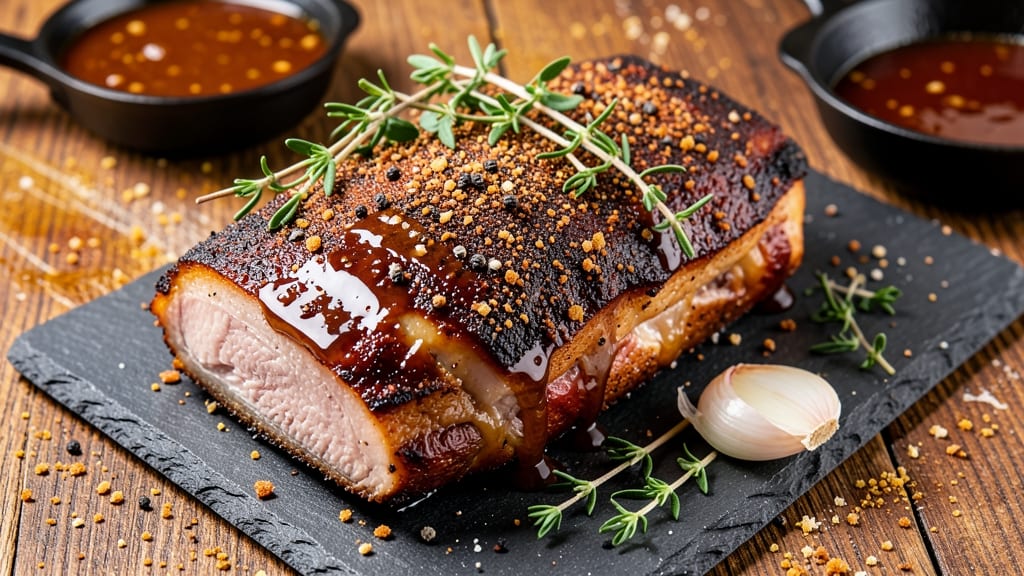
This BBQ rub recipe for pork shoulder transforms simple meat into a masterpiece of smoky-sweet depth that lingers long after the first bite. 🔥 As a pitmaster who grew up with ribs slow-cooked over hickory, I know the secret lies in balancing bold spices with just enough sweetness to caramelize beautifully during cooking. The blend creates a flavorful bark while keeping the meat tender—exactly what you need for pulled pork that falls apart at the touch.
The magic happens in the precise ratio of spices and brown sugar, which develops a rich crust without overpowering the natural flavor of the pork. I've perfected this mix over years of competitions, where judges consistently praised the depth and complexity it brings to even the toughest cuts.
What makes it special is how the spices penetrate deeply during the cooking process, infusing every fiber with that signature smoky-sweet profile.
This isn't just another dry rub—it's a game-changer for anyone serious about BBQ. The combination of paprika, garlic powder, and brown sugar creates layers of flavor that build as the pork cooks. Whether you're smoking, grilling, or slow-roasting, this rub delivers restaurant-quality results with minimal effort.
The key is applying it generously before cooking, letting the spices work their magic while you focus on the technique.
Once you try this blend, you'll never settle for store-bought seasoning again. The perfect balance of heat, sweetness, and smokiness makes it versatile enough for ribs, brisket, or even chicken wings.
Store it in an airtight container for up to six months, ready to elevate your next cookout. Let's get started on creating your signature flavor profile.
Ingredients for bbq rub recipe for pork shoulder
Nine spices and one sugar. That's all you need for competition-worthy pork shoulder flavor.
| Ingredient | Amount | Notes |
|---|---|---|
| Smoked Paprika 🌶️ | 3 tbsp | Smoked for authentic BBQ depth |
| Brown Sugar 🍚 | 2 tbsp | Light or dark for caramelization |
| Garlic Powder 🧄 | 1 ½ tbsp | Freshly ground preferred |
| Ground Black Pepper 🌶️ | 1 tbsp | Freshly cracked for bite |
| Onion Powder 🧅 | 1 tbsp | For sweet undertones |
| Dried Thyme 🌿 | 1 tsp | Or fresh thyme at 1/3 amount |
| Ground Cumin 🌿 | 1 tsp | Toasted for deeper flavor |
| Kosher Salt 🧂 | 1 ½ tsp | Diamond Crystal preferred |
| Cayenne Pepper 🔥 | ½ tsp | Adjust for heat preference |
| Mustard Powder 🌶️ | ½ tsp | For tangy complexity |
The smoked paprika is non-negotiable here—it's what gives that signature BBQ bark. Penzeys or bulk bins at natural food stores have the best quality, but honestly, any brand works as long as it's labeled 'smoked' (not sweet). Brown sugar is key for caramelization, so don't skimp on the amount. I always grab Domino Light Brown Sugar from the bulk section—it's consistent and affordable. The garlic powder and onion powder work together to build sweetness without overpowering, while the thyme and cumin add that earthy depth that makes this rub special. If you're feeling fancy, toast your spices in a dry pan for 30 seconds before mixing—they'll be even more aromatic.
No smoked paprika? Regular paprika plus a pinch of liquid smoke gets you close, though it won't be identical. Running low on brown sugar? White sugar works in a pinch, but the color will be lighter. Fresh thyme is ideal, but dried at one-third the amount works fine—just make sure it's labeled 'culinary' (not 'perfume' grade). The cayenne is where you can play—skip it for a milder rub or double it if you want serious heat. Mustard powder might sound weird, but trust me, it adds a tangy complexity that makes the whole blend pop. For a deeper smoky flavor, add a pinch of ground chipotle (about 1/4 tsp), but don't overdo it—it's potent stuff.
This rub keeps beautifully in an airtight container for up to 6 months—I usually make a triple batch so I always have some on hand. Store it in a cool, dark place, and give it a quick stir before each use to keep the spices fresh. Once you've applied it to your pork shoulder, the magic happens during cooking. The sugar caramelizes into a glossy bark while the spices penetrate deep into the meat, creating layers of flavor that'll have your guests begging for the recipe. And if you've got leftovers? This stuff works great on ribs, brisket, or even chicken wings—just adjust the cooking time accordingly.
Why You'll Love This Recipe
- Five-Minute Mix: I keep a jar of this in my pantry because it’s that easy—just shake those five ingredients together. No measuring cups, no messy bowls, just dump-and-stir while you prep the rest of dinner.
- Smoky-Sweet Magic: That smoked paprika and brown sugar combo? It turns plain pork shoulder into something dangerously addictive. The garlic powder sneaks in warmth, while the black pepper adds a little kick—like a hug for your taste buds.
- Tailgate or Tuesday: Slap this on a pork shoulder for a crowd at a picnic, or slow-cook it for a lazy Sunday supper. Honestly, I’ve used it for pulled pork sandwiches, tacos, and even crumbled it into eggs—it’s my secret weapon for any meal.
- Leftovers That Don’t Suck: This rub keeps pork tender and flavorful for days, so you’re not stuck reheating sad, dry meat. I’ll make a big batch, portion it out, and freeze half—because nobody wants to cook twice in one week.
Step-by-step instructions for BBQ rub for pork shoulder
Here's how to blend this smoky-sweet rub that'll make your pork shoulder unforgettable.
👨🍳 Step 1: Measure All Ingredients Precisely
Gather all your ingredients and measure them carefully using the exact amounts from the recipe. I like to use a small bowl for this step to keep everything organized. The 3 tbsp smoked paprika gives that authentic BBQ depth, so don't skimp here—it's the star of the show. For the 2 tbsp brown sugar, I prefer light brown sugar because it adds just the right amount of caramelization without overpowering the smoky flavors.
When measuring spices, I always use the spoon-and-level method to avoid packing the measuring spoon. This ensures consistent results every time. The 1.5 tbsp garlic powder and 1 tbsp onion powder provide that savory base that makes the rub work so well on pork shoulder. Don't worry if your kitchen smells amazing already—this is where the magic begins.
🥘 Step 2: Combine Dry Ingredients in a Bowl
In a medium bowl, add all the measured ingredients together. Start with the larger quantities first—the 3 tbsp smoked paprika and 2 tbsp brown sugar—then add the 1.5 tbsp garlic powder, 1 tbsp ground black pepper, and 1 tbsp onion powder. I like to use a whisk for this step because it helps break up any clumps in the spices and ensures everything gets evenly distributed.
Next, add the smaller quantities: the 1 tsp dried thyme, 1 tsp ground cumin, 1.5 tsp kosher salt, 0.5 tsp cayenne pepper, and 0.5 tsp mustard powder. The mustard powder might seem like a small amount, but it adds that subtle tang that balances all the other flavors beautifully. Give everything a quick stir with a fork or spoon to start breaking up any larger clumps.
🍳 Step 3: Whisk Until Uniform and Fragrant
Now grab your whisk and really work the ingredients together. You're looking to create a fine, uniform powder where you can't see any distinct clumps of individual spices. This might take 1-2 minutes of vigorous whisking—don't rush it. The mixture should smell incredible at this point, with that perfect balance of smoky, sweet, and savory aromas.
Here's the thing—I always give the rub a taste at this stage. You should notice the heat from the cayenne, the sweetness from the brown sugar, and that deep, earthy flavor from the smoked paprika. If it needs more salt, add a pinch of the 1.5 tsp kosher salt you've measured out. The rub should be flavorful but not overwhelming—it's meant to enhance the natural taste of the pork shoulder, not mask it.
⏰ Step 4: Store Properly for Maximum Freshness
Transfer your finished rub to an airtight container. I prefer glass jars with tight-sealing lids because they keep the spices fresh longer and make it easy to store in your pantry. The rub will keep for up to 6 months in a cool, dark place, though I usually go through mine much faster than that. Before using, give the jar a good shake to redistribute any settled spices.
When you're ready to use it, apply a generous amount to your pork shoulder—about 1-2 tablespoons per pound of meat. I like to press the rub firmly into the meat so it adheres well and penetrates the surface. This step is what transforms a simple pork shoulder into a showstopping centerpiece for your BBQ spread. The rub will develop even more complex flavors as it sits on the meat, especially during that long, slow cook.
Pro Tips For Making Bbq Rub Recipe For Pork Shoulder
- Pat the Rub In: Don’t just sprinkle and walk away—press the rub into every crevice of the pork shoulder, especially the thickest parts. I used to skip this, and half the seasoning would just fall off during cooking. A damp paper towel helps it stick better if your rub’s too dry.
- Sift the Brown Sugar: If your brown sugar is lumpy (and let’s be honest, most store-bought is), sift it before mixing. Unsifted sugar clumps create uneven coverage, leaving some spots under-seasoned while others turn bitter. Takes 30 seconds but makes a real difference in the final bite.
- Skip the Crowding: Let that pork shoulder breathe during the first hour of cooking—no foil, no trays. Crowding traps steam and turns your crust into sad, soggy paprika paste. High heat first, then you can wrap it up later when it’s ready.
- Toast the Spices: Lightly toast the smoked paprika and garlic powder in a dry pan for 30 seconds before mixing. It deepens their flavor and cuts the raw, dusty taste. I was skeptical until I tried it—now I can’t imagine skipping it. Just don’t walk away; watch for smoke.
Wine and beer pairings for these flavors
Red Wine Pairings
For this smoky-sweet rub, I reach for a Zinfandel from California—its bold berry notes and subtle spice complement the rub's complexity beautifully. A Cabernet Sauvignon with its dark fruit and earthy undertones also works wonderfully, especially if you prefer a more structured wine.
The key is finding a wine with enough body to stand up to the rich, caramelized flavors developed during cooking. 🍷
Light Beer Options
A crisp American pale ale with citrusy hops cuts through the sweetness of the rub while enhancing its smoky depth. I love Fat Tire Amber Ale for its malty balance—it's light enough to not overpower but robust enough to complement the pork's rich flavors.
For a local favorite, try a German Helles Lager—its clean, slightly sweet profile provides a refreshing contrast.
Bold Beer Choices
If you prefer something stronger, a Belgian-style Dubbel with its caramel and dark fruit notes pairs brilliantly with the rub's sweet and spicy profile. For a smoky twist, try a bourbon barrel-aged stout—the vanilla and oak notes mirror the rub's caramelization beautifully.
These beers add depth to the meal, making each bite even more memorable.
Non-Alcoholic Pairings
Don't overlook non-alcoholic options! A sparkling hibiscus tea with a touch of honey provides a refreshing, slightly tart contrast to the rub's richness. For something more substantial, try ginger beer—its spicy kick complements the cayenne in the rub while cleansing the palate.
These options prove you don't need alcohol to elevate your BBQ experience. 🌿
Regional BBQ Pairings
In the Carolinas, where BBQ is all about vinegar-based sauces, I pair this rub with a dry Riesling—its acidity cuts through the pork's richness beautifully. For Kansas City-style smoky meats, a Merlot with its soft tannins and plum notes enhances the rub's depth without competing.
Each region's traditional pairings reflect its unique BBQ culture and flavor profile. 🗺️
Pro Tips for Pairing
Let your wine or beer breathe alongside the meat before serving—about 15-20 minutes in a cool, dark place enhances their flavors. I always chill red wines slightly for BBQ pairings (around 60-65°F) to balance the meal's richness.
For beers, serve at the temperature listed on the label—cold beer dulls the flavors you're trying to highlight. Trust me, these small details make a big difference! ✨
Nutrition facts
Frequently asked questions
Can I use this rub on other meats besides pork shoulder?
This smoky-sweet blend works beautifully on ribs, brisket, and even chicken wings. The key is adjusting the cooking time—tougher cuts like brisket need longer to develop that perfect bark, while chicken cooks much faster. For wings, reduce the cayenne to 0.25 tsp to avoid overpowering the flavor.
How much rub should I use per pound of pork shoulder?
Apply 1-2 tablespoons of rub per pound of meat, pressing it firmly into the surface. For a thicker bark, use the higher end of the range. Pro tip: Pat the meat dry first—moisture prevents the rub from sticking properly, which means less flavor penetration.
What if I don't have smoked paprika?
Mix 2 tbsp regular paprika with 1 tsp liquid smoke> for a close substitute. The flavor won't be identical, but it'll still give you that smoky depth. For best results, toast the paprika in a dry pan for 1-2 minutes to enhance its aroma before mixing.
Can I make this rub spicier?
Yes! Double the cayenne to 1 tsp> for noticeable heat, or add 0.5 tsp crushed red pepper flakes>. For extra smoky heat, include 0.25 tsp chipotle powder>. Always taste as you go—start conservative and adjust gradually.
How long should I let the rub sit on the pork before cooking?
For best results, apply the rub 4-12 hours> before cooking. This allows the spices to penetrate the meat's surface, creating deeper flavor. If you're short on time, at least 30 minutes> will help develop some crust. Just don't skip this step—rushing means missing out on that signature bark!