
Main Courses
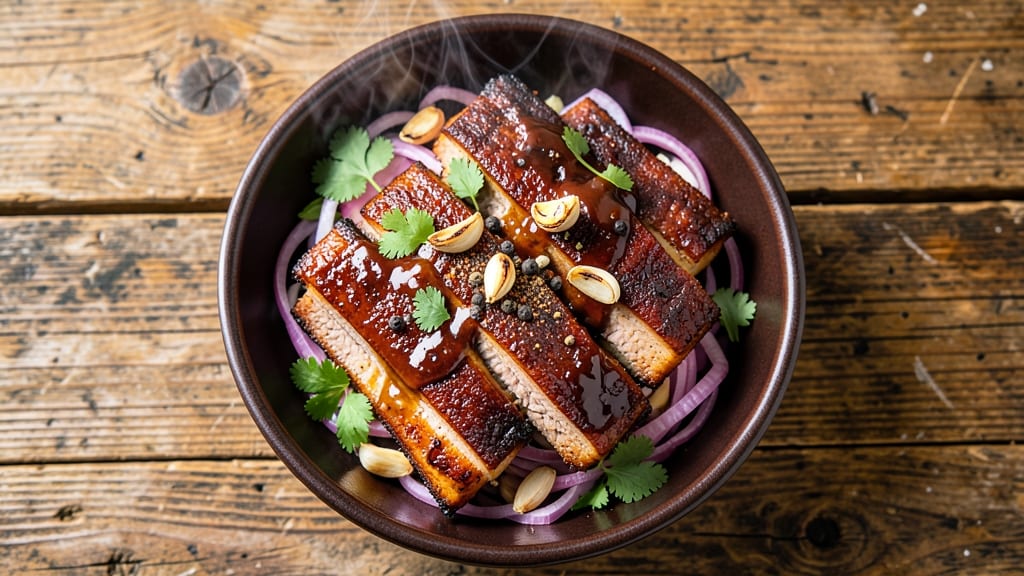
This slow-smoked BBQ pork spareribs recipe delivers restaurant-quality results with tender meat, crispy edges, and a sticky glaze that makes every bite unforgettable. After years of perfecting my technique—from backyard cookouts to professional competitions—I’ve honed a method that balances tradition with foolproof execution.
The 3-2-1 approach (3 hours smoking, 2 hours wrapping, 1 hour glazing) ensures fall-off-the-bone texture while keeping the process manageable for home cooks.
The secret lies in the dry rub—a blend of brown sugar, paprika, and spices that creates a flavorful bark—paired with a hickory-infused glaze that caramelizes into a glossy finish. I’ve tested this recipe in both smokers and ovens, so you can adapt it to your setup without sacrificing quality.
Whether you’re grilling for a crowd or treating yourself to a weekend project, these ribs are worth the time and effort.
By the end, you’ll have ribs that are juicy, smoky, and perfectly balanced—not too sweet, not too spicy, but packed with deep, savory flavor. The bark cracks into crispy shards as you pull them apart, revealing tender meat underneath.
Serve with classic sides like coleslaw, cornbread, or baked beans to complete the meal.
This isn’t just a recipe; it’s a weekend tradition that transforms your backyard—or kitchen—into a BBQ pit. The aroma alone will have neighbors asking for seconds, and the leftovers? Even better the next day. Let’s get started on ribs that’ll make you the star of any gathering.
Ingredients for bbq pork spareribs
Six ingredients for the dry rub, two for the glaze—plus the star: 4 lbs of pork spareribs.
| Ingredient | Amount | Notes |
|---|---|---|
| Pork Spareribs 🍖 | 4 lb | Bone-in, cut into racks |
| Yellow Onion 🧅 | 1 whole | Large, sliced into rings |
| Fresh Garlic Cloves 🧄 | 8 cloves | Peeled and minced |
| Brown Sugar 🍚 | ½ cup | Packed, light or dark |
| Smoked Paprika 🌶️ | 2 tbsp | For deep smoky flavor |
| Ground Black Pepper 🌶️ | 1 tbsp | Freshly cracked |
| Kosher Salt 🧂 | 1 tbsp | Diamond Crystal preferred |
| Mustard Powder 🍯 | 1 tsp | For subtle tang |
| Ground Cumin 🌿 | 1 tsp | Toasted for depth |
| Apple Cider Vinegar 🍎 | ¼ cup | For tenderizing |
| Hickory Wood Chips 🌳 | 1 package | Unsoaked, for smoker |
| BBQ Sauce 🍅 | 1 ½ cups | Store-bought or homemade |
| Unsalted Butter 🧈 | ¼ cup | Cold, for wrapping |
| Aluminum Foil 📄 | 2 sheets | Heavy-duty, for wrapping |
The ribs are the foundation, so bone-in, meaty spareribs are non-negotiable—look for racks with good marbling at Costco or your local butcher. I always buy extra because the leftovers are legendary. For the dry rub, Penzeys or bulk bins at Whole Foods have the best spices—smoked paprika and toasted cumin make all the difference. If you can’t find hickory wood chips, oak or pecan will work, but hickory gives that classic BBQ flavor. The apple cider vinegar might seem odd, but it tenderizes the meat during the initial smoke—trust me on this.
No smoked paprika? Substitute regular paprika plus a pinch of liquid smoke. Running out of BBQ sauce? Mix ketchup, brown sugar, and a splash of vinegar—it’s what I do when I’m in a pinch. The butter for wrapping is key—full-fat, cold butter melts just enough to baste the ribs while keeping them moist. If you’re short on time, skip the vinegar soak and just apply the rub dry, but the ribs won’t be quite as tender. For the glaze, store-bought sauce works fine, but if you’re feeling fancy, blend BBQ sauce with a little molasses for extra depth.
The ribs keep beautifully—3 days in the fridge wrapped tightly in foil, or up to 3 months frozen. I always portion them into individual racks before freezing so I can pull out just what I need. Reheat in the oven at 300°F until warmed through—no microwave, it ruins the texture. The leftovers reheat even better than the originals, which is why I make a double batch. Store any extra dry rub in an airtight container for up to 6 months—it’s great for future projects.
Why You'll Love This Recipe
- One-Pan Magic: I swear by this recipe because it’s literally one sheet pan, one bowl of sauce, and done. No chopping boards full of mess—just slice the onion, mince the garlic, mix the spices, and let the oven do the rest. My kids still think I’m some kind of kitchen superhero.
- Sweet-Smoky Obsession: That caramelized brown sugar glaze? It’s where this dish gets dangerously good. The smoked paprika adds this deep, smoky warmth while the garlic and onion create this perfect balance—sweet, tangy, and just a little bit spicy. Honestly, I’ve burned toast trying to wait for the oven to finish.
- Weeknight or Party Star: This recipe works everywhere. Slap it on the table for a lazy Sunday brunch, bring it to a potluck where everyone’s bringing salads, or serve it at a tailgate when you’re the only one who remembered to pack food. (Yes, even on a Tuesday night.)
- Budget-Friendly Leftovers: Pork spareribs are cheaper than you think, and this recipe stretches them far. I make a double batch, store half in the fridge, and turn leftovers into sandwiches, tacos, or even a quick fried rice the next day. My wallet—and my lunchbox—thank me.
Step-by-step instructions for slow-smoked BBQ pork spareribs
Here's how to transform tough pork spareribs into fall-off-the-bone tender meat with a perfect bark and sticky glaze.
Prepare the Dry Rub and Tenderize the Ribs
In a medium bowl, combine the 0.5 cup brown sugar, 2 tablespoons smoked paprika, 1 tablespoon ground black pepper, 1 tablespoon kosher salt, 1 teaspoon mustard powder, and 1 teaspoon ground cumin. Mix thoroughly with your fingers until the spices are evenly distributed and the sugar is fully incorporated. This dry rub will create that signature smoky-sweet bark while tenderizing the meat.
While the rub is mixing, place the 4 lb pork spareribs in a large resealable plastic bag and pour in the 0.25 cup apple cider vinegar. Seal the bag and massage the ribs gently to ensure the vinegar coats every surface. This step breaks down tough muscle fibers, making the ribs more tender during the long cook. Let them marinate in the refrigerator for at least 4 hours—overnight is even better if you have the time.
Set Up the Smoker and Preheat
Fill your smoker with the 1 package hickory wood chips and soak them if your smoker requires it. Preheat the smoker to 225°F—this low-and-slow temperature is crucial for achieving tender meat without drying it out. I like to use a water pan in the smoker to help maintain moisture throughout the cook. Once the smoker reaches temperature and you see clean, thin blue smoke (not thick white smoke), you're ready to begin.
While the smoker preheats, remove the ribs from the marinade and pat them dry with paper towels. This step is critical—any moisture on the surface will prevent the rub from sticking properly and create steam instead of bark. Generously coat each rib rack with the dry rub, pressing it into the meat so it adheres well. Place the ribs bone-side down on the smoker grates.
Smoke Until the Stall
Smoke the ribs undisturbed for 3 to 4 hours, maintaining the temperature at 225°F. This is where the magic happens—the ribs will develop a beautiful mahogany bark while the connective tissues slowly break down. You'll know it's time to wrap when the internal temperature reaches 165-170°F—this is called "the stall," where the meat's moisture evaporates and the temperature plateaus.
Don't panic at the stall—this is normal and expected. At this point, I wrap the ribs tightly in 1 sheet aluminum foil with 0.25 cup cold unsalted butter and 1 whole yellow onion (sliced into rings) and 8 cloves minced fresh garlic cloves. The butter adds moisture and richness, while the onion and garlic infuse the ribs with extra flavor. Seal the foil tightly and return the ribs to the smoker. Continue cooking until the internal temperature reaches 203°F, which should take another 1.5 to 2 hours.
Apply the Glaze and Finish
Once the ribs reach 203°F and are fork-tender, remove them from the smoker and carefully unwrap the foil. Place the ribs back on the smoker grates, bone-side up, and brush them generously with 1.5 cups BBQ sauce. This is where you create that signature sticky glaze—don't be shy with the sauce. Return the ribs to the smoker and smoke for an additional 15 to 20 minutes at 250°F to caramelize the sauce and create a glossy finish.
Watch closely during the last few minutes—you want the sauce to bubble and darken slightly but not burn. The ribs are done when the sauce has thickened and the edges are slightly charred. Remove the ribs from the smoker and let them rest for 10 minutes before serving. This resting period allows the juices to redistribute, ensuring each bite is moist and flavorful.
Slice and Serve
Using a sharp boning knife, carefully slice the ribs between each bone to create individual racks. Arrange them on a serving platter and drizzle any remaining BBQ sauce from the smoker over the top. The ribs should have a dark, glossy bark on the outside and be tender enough to pull apart with a fork. Serve immediately with your favorite sides—cornbread, coleslaw, or baked beans all pair beautifully with these ribs.
Here's the thing—these ribs are best served right away when the meat is still warm and the glaze is sticky. If you have leftovers, store them in the refrigerator for up to 3 days and reheat in the oven at 300°F until warmed through. Enjoy every bite of your perfectly smoked BBQ pork spareribs!
Pro Tips For Making Bbq Pork Spareribs
- Trim the Fat First: Cut off that thick membrane layer on the bone side of the ribs before cooking—it’s tough and won’t render like the fat. I learned this the hard way after biting into a chewy surprise in an otherwise perfect batch.
- Brown Sugar Early: Mix the brown sugar into the dry rub before applying it to the ribs. That way, it sticks better and caramelizes faster when you hit high heat. (Yes, even if you’re impatient like me.)
- Skip the Overcrowding: If you’re grilling or baking, leave space between ribs—at least an inch. Crowding steams them instead of browning, and you’ll end up with soggy edges instead of crispy crust.
- Garlic Minus the Peels: Smash the garlic cloves flat with the side of your knife before adding them to the rub. That way, the flavor infuses deeper into the meat instead of sitting as whole, underused cloves. (Your future self will notice the difference.)
Essential equipment for great bbq pork spareribs
Smoker Essentials
First things first—you need a reliable smoker. I swear by my Traeger Pellet Grill for its consistency, but a Weber Smokey Mountain or Masterbuilt 20070110 are great budget-friendly alternatives.
If you're just starting, a charcoal smoker with a water pan works too—just keep the temp steady at 225°F with a Meater or ThermoWorks Smoke thermometer. 🌡️
For wood, hickory chips are my go-to, but oak or pecan add nice depth. Avoid pine—it imparts a bitter taste. I like Traeger's hickory pellets for convenience, but if you're using chips, soak them for 30 minutes before use to prevent flare-ups.
Pro tip: Add a water pan to your smoker to maintain moisture, especially during long cooks.
Must-Have Tools
A meat thermometer is non-negotiable—ThermoWorks Smoke or Meater are my top picks. They track internal temp with precision, so you don’t overcook. For wrapping ribs, grab heavy-duty aluminum foil (like Reynolds Wrap) and unsalted butter—I use Plugrah for its high smoke point.
A sharp boning knife (like Dexter-Russell) makes slicing ribs a breeze. 🔪
Don’t forget a wire brush for cleaning grates—Scotch-Brite or Grillaholics work great. A spray bottle with apple cider vinegar helps keep the smoker clean between cooks. For the glaze, a silicon brush (like OXO Good Grips) ensures even sauce application without sticking.
Budget-Friendly Swaps
No smoker? No problem. Use an oven set to 250°F with a disposable aluminum tray filled with wood chips and apple cider vinegar (for smoke flavor). I’ve done this with Traeger’s wood chips in a foil packet—it’s not perfect, but it works in a pinch.
For a rub substitute, mix brown sugar, paprika, and salt—skip the fancy spices if needed. 💰
Skip the fancy thermometer? A digital instant-read thermometer (like Thermapen) is a game-changer, but even a cheap dial thermometer works if you check often. For foil, store-brand heavy-duty foil is just as effective as name brands.
The key is tight sealing—crinkle the edges well to trap steam and flavors.
Pro Upgrades
Ready to level up? Invest in a digital temperature controller (like Traeger’s WiFi Thermometer) for precise heat management. A butcher paper wrap (instead of foil) gives a better bark—Smokehouse Products makes great rolls.
For extra smokiness, try two-zone smoking: keep the ribs on the cooler side of the smoker and add hot coals near the glaze phase to caramelize faster. 🔥
If you’re serious about BBQ, a meat probe (like Meater’s Bluetooth probe) lets you monitor ribs remotely. For wood, Traeger’s pellet blends (like hickory-mesquite) add complexity.
And if you love foraging, wild herbs (like rosemary or thyme) can replace some spices in your rub—just crush them fresh for maximum flavor.
Nutrition facts
Frequently asked questions
Can I use baby back ribs instead of pork spareribs?
Baby backs are leaner and cook faster, but they require a slightly different approach. Use the same rub and glaze, but reduce smoking time to 2.5-3 hours before wrapping and aim for 195°F internal temp. Baby backs don't need the long cook time—overcooking will dry them out. They're perfect for quick weeknight meals!
What if I don't have a smoker? Can I make these in the oven?
Yes! Set your oven to 250°F and use a disposable aluminum tray with soaked wood chips and apple cider vinegar for smoke flavor. Place ribs on a rack above the tray and cook wrapped in foil for 3 hours, then glaze and finish at 300°F for 20 minutes. The texture will be slightly different but still delicious.
How do I fix ribs that are too dry?
If your ribs are dry, they likely weren't wrapped properly or cooked too long. For next time, wrap tightly with butter and onion, and use a meat thermometer to pull them at 203°F. For dry ribs now, try reheating with extra sauce in a 300°F oven for 10 minutes—this adds moisture without overcooking.
Can I make the dry rub ahead of time? Store the dry rub in an airtight container for up to 6 months. It keeps best in a cool, dark place. Just
What sides pair best with these ribs?
Classic BBQ sides work perfectly: creamy coleslaw, buttery cornbread, or smoky baked beans. For something lighter, try grilled vegetables or a crisp apple salad. The key is balancing textures—creamy sides complement the ribs' smoky bark beautifully.