
Main Courses
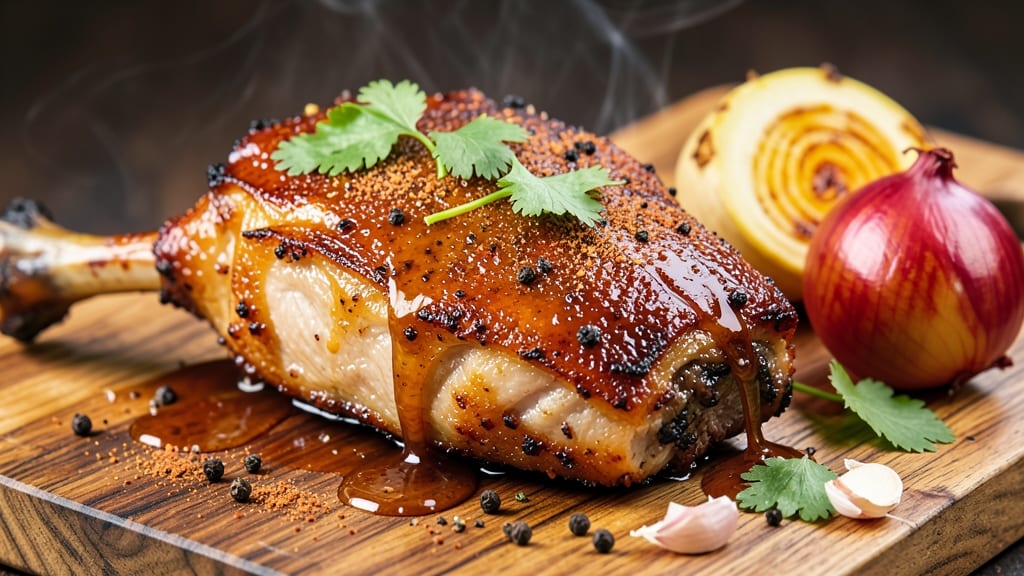
This BBQ pork leg recipe delivers the perfect balance of smoky bark and juicy pink centers—no guesswork required. 🔥 As a pitmaster trained in French techniques, I've perfected a method that transforms a simple cut into a showstopping centerpiece with minimal effort.
The secret lies in the rub and slow cooking, which breaks down collagen for melt-in-your-mouth tenderness while creating that coveted crispy exterior.
The process starts with a dry rub that blends sweet and smoky spices, then moves to low-and-slow cooking—whether you're smoking, roasting, or grilling. I recommend aiming for an internal temperature of 195°F, where the meat becomes effortlessly tender and ready to pull apart.
The key is patience; this isn't a rush job, but the results are worth every minute of waiting.
What you'll end up with is a pork leg that's juicy at the core, with a deep, caramelized bark that crackles when you cut into it.
The aroma alone will have your guests gathering at the table, and the first bite delivers that perfect harmony of smoky, sweet, and savory flavors. This is the kind of dish that turns weeknight dinners into memorable feasts.
Serve it with classic BBQ sides like coleslaw and cornbread, or let the pork leg shine as the star of your meal. The leftovers are just as delicious the next day, making this a perfect recipe for feeding a crowd or meal prepping for the week.
Let's get started on creating your perfect pork leg.
Ingredients for bbq pork leg
Six ingredients transform a simple pork leg into a showstopping masterpiece—smoky, sweet, and juicy perfection.
| Ingredient | Amount | Notes |
|---|---|---|
| Pork Leg (Bone-In) 🐷 | 8 lb | Center-cut for best flavor |
| Yellow Onion 🧅 | 1 whole | Quartered, skin on |
| Garlic Cloves 🧄 | 8 cloves | Smashed, not minced |
| Brown Sugar 🍯 | ½ cup | Light or dark, packed |
| Smoked Paprika 🌶️ | 2 tbsp | High-quality for smokiness |
| Ground Black Pepper 🌶️ | 1 ½ tbsp | Freshly cracked |
| Kosher Salt 🧂 | 2 tbsp | Diamond Crystal preferred |
| Ground Cumin 🌿 | 1 tbsp | Toasted for depth |
| Mustard Powder 🍯 | 1 tsp | For subtle tang |
| Apple Cider Vinegar 🍎 | ¼ cup | For acid balance |
| Olive Oil 🫒 | ¼ cup | Extra-virgin for richness |
| Honey 🍯 | ¼ cup | Wildflower preferred |
| Beef Broth 🍲 | 1 cup | Low-sodium preferred |
The pork leg is your star here—bone-in, center-cut for maximum flavor and juiciness. Costco or local butchers usually have the best cuts, but any grocery store with a meat counter will work. Look for good marbling—those little white fat streaks are what make it tender. If you're cooking for a crowd, grab a 10-12 lb leg—it'll feed 8-10 people and leave leftovers. The rub is where the magic happens, so don't skimp on the spices. Penzeys or bulk bins have the best quality, but the regular grocery store stuff works fine if it's fresh. Smoked paprika is non-negotiable for that authentic BBQ flavor—trust me, it's worth hunting down if your store only carries sweet paprika.
No smoked paprika? Substitute half with chipotle powder for heat and smoke. Running low on honey? Maple syrup works perfectly—just reduce the vinegar by a teaspoon to balance. The beef broth can be swapped for chicken broth if you're vegetarian-adjacent, though purists will notice the difference. For the onions, yellow or red both work, but yellow has a slightly sweeter flavor that pairs better. The garlic? Smashed cloves release more flavor than minced—just press them with the flat side of your knife. If you're prepping ahead, mix the dry rub ingredients in a bowl and store in an airtight container for up to 3 months.
This isn't a rush job—plan for 3-4 hours of cooking time. The pork leg reheats beautifully, so make extra if you can. Wrap leftovers tightly in foil and store in the fridge for 4-5 days or freeze for up to 3 months. For serving, let it rest 15-20 minutes before slicing—this keeps all that juicy goodness inside. The bark gets crispy as it cools, so if you're impatient, just slice through it. And save the juices! They're perfect for making gravy or drizzling over the slices. This dish tastes even better the next day as the flavors meld together.
Why You'll Love This Recipe
- One-Pan Magic: I swear by this—just toss the pork, onions, and garlic on a tray, then let the oven do the work. No flipping, no fussing, and that bone-in magic renders all the juices right into the meat.
- Smoky-Sweet Obsession: The smoked paprika and brown sugar caramelize into a sticky, smoky crust that’ll have you licking your fingers. That crispy exterior with tender, juicy pork inside? It’s the kind of dish that disappears fast.
- Leftovers That Shine: Between us, the second day is often better. Slice it thin for sandwiches, cube it for fried rice, or just reheat it straight up—it’s always delicious. Honestly, I make this on purpose just to have leftovers.
- Budget Crowd-Pleaser: A whole pork leg feeds six for under $15, and everyone loses their minds over it. It’s my go-to for game days, potlucks, or when I’m tired of takeout. The best part? The bones make stock later—zero waste.
Step-by-step instructions for smoky BBQ pork leg
Here's how to transform that pork leg into melt-in-your-mouth perfection with irresistible bark.
🔥 Step 1: Prep the Pork for Maximum Flavor
Start by removing the pork leg from the fridge and letting it sit at room temperature for 1 hour. This ensures even cooking. Pat it completely dry with paper towels—moisture is the enemy of crispy bark. I press down firmly, especially around the fat cap, to remove all traces of moisture.
Next, rub the pork leg with 0.25 cup olive oil to help the rub cling and create a beautiful crust. In a small bowl, mix together 2 tbsp kosher salt, 1.5 tbsp ground black pepper, 2 tbsp smoked paprika, 1 tbsp ground cumin, and 1 tsp mustard powder. Press this mixture firmly into every inch of the pork, including the cavity. The key is to work it into the meat so it doesn't just sit on top.
🍳 Step 2: Build the Flavor Base in the Pan
Heat a large Dutch oven or heavy pot over medium heat. Add the 1 whole yellow onion (quartered with skin on) and the 8 smashed garlic cloves. Cook for 5-6 minutes until the onion begins to caramelize and the garlic turns golden brown. This sweet, nutty base is what makes the difference between good and extraordinary.
Remove the onion and garlic from the pot and set aside. In the same pot, add 0.25 cup apple cider vinegar and scrape up all those beautiful browned bits from the bottom. Let it simmer for 2 minutes until the vinegar reduces slightly and intensifies in flavor. This acidity will tenderize the pork beautifully.
🥘 Step 3: Slow Cook Until Probe-Tender
Place the seasoned pork leg fat-side up in the Dutch oven. Pour in 1 cup beef broth and add the caramelized onions and garlic back into the pot. Cover tightly with a lid and transfer to a preheated 275°F oven. This low temperature is crucial—it breaks down the collagen slowly for maximum tenderness.
Cook for 4-5 hours until the internal temperature reaches 195-200°F and a meat thermometer inserted into the thickest part slides in like butter. Real talk: don't peek or open the lid during cooking. Every time you do, you lose heat and moisture, adding 30-45 minutes to your cook time. Trust the process and let that pork work its magic.
🔥 Step 4: Create the Perfect Glaze
Once the pork is tender, remove it from the pot and place it on a cutting board. Tent loosely with foil. In the same pot, increase heat to medium-high and add 0.5 cup brown sugar and 0.25 cup honey. Stir to combine with the reduced vinegar and beef broth, scraping up any browned bits from the bottom of the pot.
Let the glaze simmer for 3-4 minutes until it thickens slightly and becomes syrupy. The color should be deep amber with a glossy sheen. Here's the thing—don't rush this step. You want a balance of sweet and smoky flavors that'll make your guests swoon. If it starts to burn, reduce the heat immediately.
🍽️ Step 5: Glaze and Rest for Juicy Perfection
Brush the glaze generously over the pork leg, coating it completely. Return the pork to the pot and cover again. Let it cook for another 15-20 minutes at 350°F to set the glaze and develop that beautiful bark. Watch closely during the last 5 minutes—you want the surface to be deep mahogany with a glossy finish.
Transfer the pork to a cutting board and let it rest for 20-30 minutes before slicing. This resting period is non-negotiable—it allows the juices to redistribute throughout the meat. When you're ready to serve, slice against the grain into ½-inch thick slices. Each bite should be juicy, tender, and packed with that perfect balance of smoky, sweet, and tangy flavors.
Pro Tips For Making Bbq Pork Leg
- CRANK THE HEAT FIRST: Start your pork leg on the hottest part of your grill or oven—no joke, we’re talking 450°F (230°C) for the first 30 minutes. This sears the exterior fast, locks in juices, and builds that caramelized crust before you even think about adding the brown sugar. I used to baby it with medium heat, and the meat ended up dry by the time it hit 160°F internally. Don’t be shy—this isn’t a delicate fillet.
- SLICE THE ONION THIN: Chop those yellow onions into ⅛-inch slices, not chunks. Thin layers caramelize faster and won’t turn to mush when they hit the pork leg’s surface. I learned this after one disastrous batch where the onions stayed raw and watery—like someone dumped a sad salad on my BBQ. If you’re lazy, pulse them in a food processor, but don’t skip this step entirely.
- DON’T RUSH THE REST: Pull the pork leg off the heat at 150°F internal temp (yes, before it’s “done”), wrap it tightly in foil, and let it sit for 20–30 minutes. The bone-in meat will climb another 10–15°F while resting—trust the thermometer, not your guesswork. I’ve seen people cut into it too soon, and the juices just pool on the plate. Patience here makes the difference between fork-tender and chewy.
- UPGRADE THE RUB TIME: Rub the pork leg and the cut sides of the onions and garlic cloves with the smoked paprika and brown sugar mix. The extra surface area means more flavor infusion and less wasted seasoning. I was skeptical until I tried it—I now use about 20% more of the spice blend this way, and the onions actually taste like part of the dish, not an afterthought. (Pro move: Toss the garlic cloves in the rub too.)
Troubleshooting this recipe
Bark Not Forming?
If your pork leg isn't developing that coveted crispy bark, it's likely due to moisture. Double-check that you've patted the pork completely dry before applying the rub. I can't stress this enough—even a little moisture will prevent that beautiful crust from forming.
Also, ensure your oven isn't too humid. If you notice condensation on the lid, open it for 5-10 minutes during cooking to let excess moisture escape. 🔥
Meat Too Dry?
Overcooking is the most common reason for dry pork leg. Use a meat thermometer and remove it from the oven when it hits 195°F—no higher! If you're worried about drying out, try adding ¼ cup apple cider vinegar to the cooking liquid.
The acidity helps tenderize the meat while keeping it moist. I've also had success with a 2-hour rest at room temperature before cooking to ensure even cooking.
Uneven Cooking?
Uneven cooking often happens when the fat cap isn't properly positioned. Place the pork leg fat-side up in the pan to protect the meat from direct heat. If you notice one side cooking faster, rotate the pan halfway through cooking.
Also, make sure your Dutch oven is heavy enough to distribute heat evenly—I recommend a 6-8 quart model like the Lodge 5.5 Qt. For extra insurance, use an oven thermometer to verify your oven's actual temperature.
Glaze Too Thin?
A runny glaze usually means it didn't reduce enough. Simmer the glaze ingredients for 5-7 minutes until it coats the back of a spoon. If it's still too thin, remove the pork and continue reducing the glaze uncovered over medium-low heat until it thickens.
For a quicker fix, mix 1 tbsp cornstarch with 1 tbsp water and stir it into the glaze to thicken it instantly. Just be careful not to over-stir or it'll get grainy.
Pork Too Tough?
Tough pork usually means it didn't cook long enough or the temperature was too high. For best results, maintain a steady 275°F throughout the cooking process.
If you're short on time, try the braise method: Cook the pork in liquid at 300°F for 2-2.5 hours instead of the traditional low-and-slow approach. Also, make sure your pork leg has good marbling—those fat streaks are what keep it tender during long cooking times.
Smoke Flavor Missing?
If your pork lacks that essential smoky flavor, it's likely because you're cooking in an oven rather than a smoker. For authentic smoke flavor, transfer the Dutch oven to a grill or smoker for the final 30-45 minutes of cooking.
If you don't have a smoker, add 1-2 wood chips (like hickory or apple) to your Dutch oven for the last hour of cooking. For extra smoke, try adding ½ tsp liquid smoke to your glaze—just a pinch goes a long way! 🌿
Nutrition facts
Frequently asked questions
Can I use a pork shoulder instead of a pork leg?
Pork shoulder works beautifully for this recipe, though it'll have a slightly different texture. Use the same rub and cooking method, but expect a longer cook time (5-6 hours) since shoulder is a tougher cut. The result will be incredibly tender, shreddable meat perfect for tacos or sandwiches. Just watch for 205°F internal temp for perfect tenderness.
How do I store leftovers without drying them out?
Wrap slices tightly in plastic wrap or foil, then store in an airtight container. Reheat in a 350°F oven with a splash of beef broth for 10-15 minutes to restore moisture. Leftovers keep well for 4-5 days in the fridge or 3 months in the freezer. For extra protection, store with a slice of apple or onion to absorb odors.
What's the best way to serve this pork leg?
Slice against the grain into ½-inch thick pieces for maximum tenderness. Serve with classic sides like creamy coleslaw, cornbread, and roasted potatoes. For presentation, arrange slices on a platter with the glaze drizzled over the top. The juices from the pork make an excellent gravy—simply reduce them with a splash of vinegar for a quick pan sauce.
Can I make this in a slow cooker?
Yes, but with adjustments! Place the pork leg in the slow cooker with the onions, garlic, and broth. Cook on low for 8 hours or high for 5 hours until tender. For bark, transfer to a baking sheet and broil for 5-7 minutes while brushing with the glaze. The slow cooker method works best for shoulder rather than leg due to the smaller size of most slow cookers.
Why is my pork leg still pink inside?
Pork can safely remain pink even when fully cooked due to its natural pigments. The 195°F internal temp ensures perfect doneness—use a meat thermometer to verify. For extra confidence, check that the juices run clear when pricked with a knife. The pink color is especially common in younger pork or when cooked with acid (like vinegar in this recipe).