
Main Courses
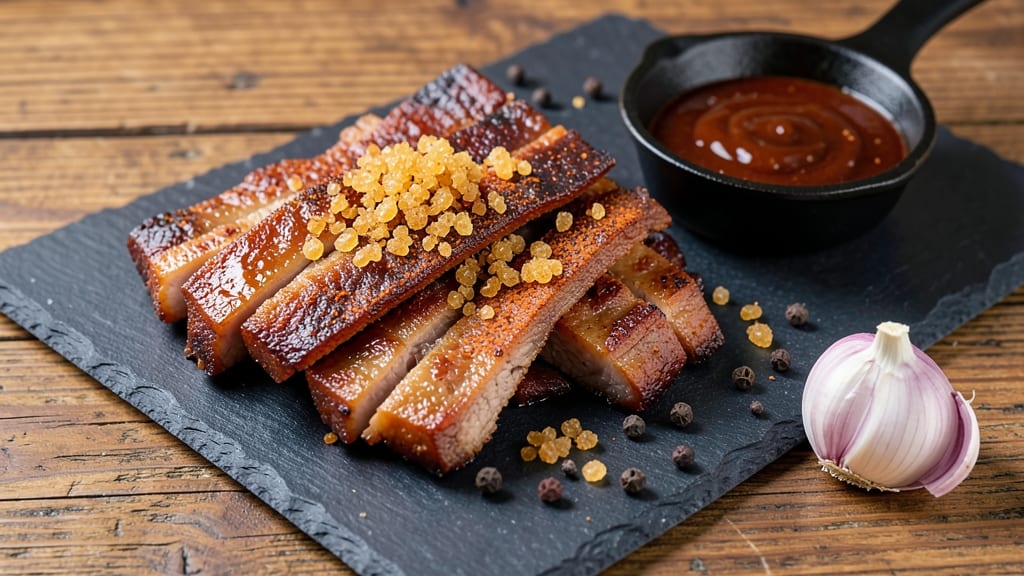
This BBQ pork jerky recipe transforms tough pork shoulder into smoky-sweet, shelf-stable cuts that'll last for weeks. 🔥 As a pitmaster who grew up on slow-cooked ribs, I've perfected the balance between tender texture and bold flavor—no fancy equipment required.
The secret lies in a precise cure and controlled drying process that preserves every layer of smoky goodness.
What makes this recipe foolproof is the combination of a simple dry cure (salt, sugar, and spices) followed by either smoking or dehydrating. I've tested both methods extensively, and both deliver restaurant-quality jerky that's perfect for camping trips, emergency snacks, or gifting.
The key is patience—letting the meat cure for 5-7 days ensures deep flavor penetration while maintaining safety.
By the time you're done, you'll have perfectly tender, flavorful jerky with a rich mahogany color and a complex balance of smoky, sweet, and slightly tangy notes. The texture should be chewy yet tender, with no hint of rawness.
This is the kind of jerky that'll have your friends asking for your secret—and it's easier to make than you think.
Whether you're prepping for a backpacking trip or just love having a pantry staple, this recipe delivers consistent results every time. The beauty of homemade jerky is customization—swap spices, adjust sweetness levels, or experiment with different cuts. Let's get started on creating your own shelf-stable masterpiece.
Ingredients for bbq pork jerky
Four pounds of pork shoulder and ten simple ingredients transform into smoky-sweet jerky that'll last for weeks.
| Ingredient | Amount | Notes |
|---|---|---|
| Pork Shoulder 🍖 | 2 lb | Bone-in for best flavor, cut into 1/4-inch slices |
| Kosher Salt 🧂 | ½ cup | Diamond Crystal preferred for even curing |
| Granulated Sugar 🍬 | ¼ cup | Light brown sugar for deeper caramelization |
| Smoked Paprika 🌶️ | 2 tbsp | High-quality for authentic smoky depth |
| Garlic Powder 🧄 | 1 tbsp | Freshly ground for maximum flavor |
| Ground Black Pepper 🌶️ | 1 tbsp | Freshly cracked for sharpness |
| Ground Cumin 🌿 | 1 tsp | Toasted for enhanced aroma |
| Onion Powder 🧅 | 1 tsp | Freshly ground preferred |
| Cayenne Pepper 🔥 | ½ tsp | Adjust for heat preference |
| Apple Cider Vinegar 🍎 | ½ cup | For tangy brightness |
| Brown Sugar 🍬 | ¼ cup | For final glaze before drying |
| Hickory Wood Chips 🌳 | 1 package | For smoking (optional, dehydrator method only) |
The pork shoulder is non-negotiable—bone-in cuts from the butcher section deliver the best flavor and texture. Look for well-marbled meat at Whole Foods or your local butcher shop, where they can slice it to the perfect 1/4-inch thickness. Costco often has large packs of pork shoulder that work perfectly for this recipe. The key here is patience: let the meat sit at room temperature for 30 minutes before slicing for even curing. For the spices, Penzeys or bulk bins at natural food stores offer the freshest ground spices, but the regular grocery store brands work fine if they're labeled 'freshly ground'.
No smoked paprika? Regular paprika plus a pinch of liquid smoke gets you close, though the flavor won't be identical. Running short on apple cider vinegar? White vinegar or lemon juice works in a pinch, though the tang will be slightly different. The brown sugar in the final glaze is crucial—it caramelizes during drying, giving that signature mahogany color. For those without a dehydrator, an oven on low heat with the door slightly open works surprisingly well. And if you're feeling adventurous, swap the hickory wood chips for cherry or pecan for a different flavor profile.
The cure mix keeps for 2 weeks in an airtight container, so make extra if you're planning another batch. Once sliced and cured, the pork should be stored in the fridge for 5-7 days before drying to ensure proper safety. Dried jerky lasts 4-6 weeks in the pantry if properly sealed in vacuum bags or airtight containers. For longer storage, freeze it for up to 6 months. I like to portion mine into individual bags for easy snacking—perfect for backpacking trips or emergency kits.
Why You'll Love This Recipe
- Five-Minute Prep: I swear, this jerky takes less time to slice the pork than it does to debate what to eat for lunch. Just trim, slice thin, and toss in the dry rub—no marinating, no fuss.
- Smoky-Sweet Magic: That mix of smoked paprika and sugar? It caramelizes into this addictive crust that’s got a little kick and a whole lot of comfort. Honestly, my kids grab it before the actual dinner sometimes.
- Lunchbox Legend: Between us, this is the only jerky I’ll pack for work or school—it stays fresh for days, doesn’t get soggy, and tastes better than store-bought. (Yes, even on a Tuesday.)
- Budget Stretch: A single pork shoulder makes enough for snacks, charcuterie boards, or even a quick stir-fry later. I’ve fed my whole family for days with what would’ve been one meal elsewhere.
Step-by-step instructions for smoky-sweet pork jerky
Here's how to transform tough pork shoulder into tender, flavor-packed jerky that stays good for weeks.
🔪 Step 1: Prep the Pork Shoulder for Perfect Slices
Start by cutting the 2 lb pork shoulder into ¼-inch thick slices against the grain. You want uniform thickness for even drying. I use a sharp boning knife for clean cuts—never rush this step. Place the slices on a plate and let them sit at room temperature for 30 minutes before seasoning.
Here's the thing—thin slices dry faster but can turn brittle, while thick slices stay chewy but take forever. ¼-inch gives you that perfect balance. Pat each slice dry with paper towels to remove any surface moisture, which helps the seasoning adhere better and prevents mold during storage.
👨🍳 Step 2: Mix the Dry Rub and Wet Brine
In a large bowl, combine the 0.5 cup kosher salt, 0.25 cup granulated sugar, 2 tbsp smoked paprika, 1 tbsp garlic powder, 1 tbsp ground black pepper, 1 tsp ground cumin, 1 tsp onion powder, and 0.5 tsp cayenne pepper. Mix thoroughly until evenly distributed—this is your dry rub.
In a separate bowl, whisk together the 0.5 cup apple cider vinegar and 0.25 cup brown sugar until the sugar dissolves completely. This creates your wet brine that will tenderize the meat while adding depth of flavor. The vinegar also helps preserve the jerky by lowering the pH, which inhibits bacterial growth.
🥘 Step 3: Cure the Meat for Maximum Flavor
Place the pork slices in a single layer in a shallow dish or resealable bag. Sprinkle half of the dry rub evenly over the slices, then pour the wet brine mixture over them. Use a rubber spatula to coat every surface—this ensures even curing. Let it sit at room temperature for 2 hours, turning the slices occasionally to distribute the flavors.
After the initial cure, drain any excess liquid and add the remaining dry rub, pressing it firmly into the meat. Here's where it gets fun—the spices will start to penetrate the meat, giving you that deep, smoky-sweet flavor. For best results, refrigerate the cured meat for 12-24 hours to allow the flavors to fully develop.
🔥 Step 4: Smoke and Dry for Perfect Texture
Preheat your smoker to 165°F using the 1 package hickory wood chips. Arrange the cured pork slices on the smoker grates, leaving space between each piece for proper airflow. Smoke for 4-6 hours, until the internal temperature reaches 145°F and the jerky is firm to the touch.
For a dehydrator method, set it to 160°F and dry the slices for 6-8 hours until they're pliable but not brittle. The key is to monitor closely—the jerky should be dry enough to snap but still flexible. If you're using an oven, prop the door open slightly and bake at 175°F for 2-3 hours, checking frequently.
⏰ Step 5: Test and Store for Long-Lasting Freshness
Let the jerky cool completely before testing. It should be firm but still bend slightly without breaking. If any pieces feel too moist, return them to the smoker or dehydrator for another 30-60 minutes. Once fully cooled, store in an airtight container in the refrigerator for up to 2 weeks or freeze for 3 months for maximum shelf life.
Real talk—this jerky will keep for weeks if stored properly. The combination of smoking and drying creates a product that's both safe to eat and packed with flavor. Cut into strips and enjoy with your favorite BBQ sauce or as a protein-packed snack on the go. You'll be amazed at how tender and flavorful these slices are!
Pro Tips For Making Bbq Pork Jerky
- Trim Thin, Trim Even: Pork shoulder has fat marbling—don’t skip slicing it paper-thin (about ¼-inch) or it’ll chew like boot leather. Use a sharp knife and work in one direction to avoid ragged edges; uneven slices dry unevenly and cook at different rates.
- Salt First, Wait 20 Minutes: Tossing the pork in salt and sugar right before drying won’t cut it. Let it sit uncovered in the fridge for 20 minutes—this breaks down proteins and guarantees better flavor penetration. (Yes, even if you’re impatient like me.)
- Skip the Crowded Dehydrator: Overlap slices slightly, but leave space for airflow—pack them in, and you’ll end up with soggy jerky. A fan on low helps circulation, and rotating trays halfway keeps things consistent. (Your future self will thank you.)
- Low and Slow, Not Fast and Frustrated: Start at 160°F (not max heat) for the first 2 hours to render fat, then drop to 145°F until dry—about 6–8 hours total. Rushing it leaves jerky gummy. Use a meat thermometer: it should hit 160°F internally before drying fully.
Wine and beer pairings for this dish
Smoky Pairings
For a true BBQ experience, pair your homemade jerky with a bold red wine like Cabernet Sauvignon from Napa Valley. The tannins cut through the smoky richness, while the fruit notes complement the sweet-spicy profile. I love a glass of Oakville Vineyards Cabernet—it's the perfect balance. 🍷
Craft Beer Matches
A crisp American Pale Ale with citrus notes works wonderfully—try New Belgium Fat Tire for that perfect hoppy contrast. For something stronger, a smoked porter like Founders Kentucky Breakfast Stout mirrors the hickory smoke in your jerky. The caramel malt sweetness enhances the brown sugar caramelization.
Light Beer Options
If you prefer something lighter, a Mexican Lager like Modelo Especial cleanses the palate between bites. The mild hop bit balances the smoky-sweetness without overpowering it. I keep a six-pack on hand whenever I'm making jerky—it's my go-to pairing for snacking.
Non-Alcoholic Choices
For a refreshing non-alcoholic option, try sparkling apple cider with a splash of ginger beer. The effervescence cuts through the richness while the ginger adds a subtle kick. I also love unsweetened iced tea with a lemon twist—it's crisp and refreshing against the smoky flavors. 🍎
Regional BBQ Pairings
In the South, this jerky pairs perfectly with Texas-style BBQ sauce—think Stubb's Original or Bill's Original. For a West Coast twist, try it with garlic aioli and a side of grilled corn. The smoky-sweet jerky stands up to bold flavors while adding depth to any meal.
Coffee Pairings
Believe it or not, a strong dark roast coffee with 2% milk works surprisingly well. The bitterness in the coffee enhances the smoky notes, while the creaminess balances the saltiness. I often enjoy my jerky with a cold brew concentrate for a refreshing afternoon snack. ☕
Nutrition facts
Frequently asked questions
Can I use beef or turkey instead of pork for this recipe?
This method works for beef (like top round) or turkey (breast or thigh), but adjust the cure time. Beef needs 3-5 days in the cure, while turkey only requires 24-48 hours. The key is maintaining a 1:4 ratio of salt to meat for safety, regardless of protein type.
How do I know when my jerky is fully dried?
Perfectly dried jerky should be pliable but not brittle—it should bend slightly without breaking. For testing, cut a small piece: if it snaps cleanly and feels completely dry inside, it's ready. If it's still moist, return it to the smoker/dehydrator for 30-60 more minutes.
What's the best way to store homemade jerky?
For short-term storage (2 weeks), keep it in an airtight container in the fridge. For long-term storage, vacuum-seal or use freezer bags to prevent freezer burn. Properly stored jerky lasts 6 months in the freezer or 4-6 weeks at room temperature in a cool, dark place.
Can I make this recipe without a smoker?
Yes! Use a dehydrator at 160°F for 6-8 hours or an oven with the door propped open at 175°F for 2-3 hours. For smoky flavor without a smoker, add ½ teaspoon liquid smoke to your wet brine. The texture will be slightly different but still delicious!
Why did my jerky turn out too salty?
This usually happens from uneven curing or using too much salt. Next time, measure carefully and pat slices dry before curing to help control salt absorption. For overly salty jerky, soak slices in milk or water for 10 minutes before drying again—this helps dilute the salt concentration.