
Main Courses
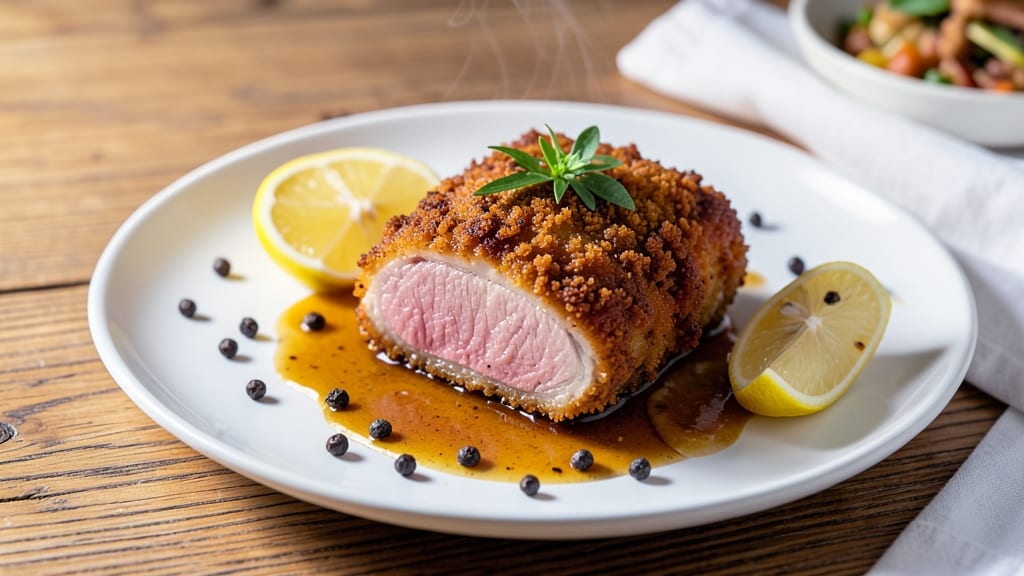
This battered pork tenderloin recipe delivers the perfect balance of crispy gold crust and tender, juicy meat—just like my grandmother used to make. The secret lies in a light, airy batter that locks in moisture while creating that irresistible crunch.
I've perfected this technique over years of cooking for crowds at my restaurant, where it's become a customer favorite.
The process starts with a simple but effective batter made with all-purpose flour, cornstarch, and a touch of baking powder for that signature lightness. The key is keeping the pork tenderloin chilled until the last minute—this ensures it stays juicy while the batter gets perfectly crispy.
We'll fry it in small batches to maintain an even temperature, which is crucial for achieving that golden-brown exterior without overcooking the inside.
What you'll end up with is a restaurant-quality dish that's crispy on the outside and tender all the way through. The batter creates a delicate, lacy crust that shatters with every bite, revealing succulent pork underneath.
This recipe serves four and takes less than an hour from start to finish, making it perfect for weeknight dinners or special occasions.
Serve with classic sides like roasted potatoes or a fresh coleslaw to complete the meal. The crispy pork pairs beautifully with tangy sauces or a simple honey mustard dip. Let's get cooking—you'll want to make this again and again!
Ingredients for battered pork tenderloin
The secret to restaurant-style crispiness lies in these simple, quality ingredients.
| Ingredient | Amount | Notes |
|---|---|---|
| Pork Tenderloin 🍖 | 1 ½ lb | Center-cut, trimmed of fat |
| All-Purpose Flour 🌾 | 1 ½ cups | Light, sifted for smooth batter |
| Cornstarch 🌾 | ½ cup | For extra crispiness |
| Baking Powder 🧂 | 1 ½ tsp | For light, airy texture |
| Salt 🧂 | 1 tsp | Kosher or sea salt |
| Black Pepper 🌶️ | ½ tsp | Freshly ground preferred |
| Large Eggs 🥚 | 2 whole | Room temperature for best batter |
| Vegetable Oil 🫒 | 3 cups | High smoke point for frying |
| Ice Cubes ❄️ | 1 cup | For keeping pork chilled |
| Lemon Wedges 🍋 | 4 whole | For serving, optional |
| Fresh Parsley 🌿 | ¼ cup | Chopped, for garnish |
The pork tenderloin is the star here—center-cut and trimmed for even cooking. Costco or local butchers usually carry the best quality, but any grocery store will have it. Look for pieces that are firm and have a nice pink color, not grayish or slimy. The flour and cornstarch combo gives that signature crispy texture, so don't skip the cornstarch—it's what makes the difference between good and restaurant-quality. I always use King Arthur flour if I'm feeling fancy, but regular store-brand works perfectly fine. Keep everything chilled until you're ready to fry—this is non-negotiable for juicy meat.
No cornstarch? Extra flour works in a pinch, but the batter won't be quite as crispy. Short on baking powder? Baking soda at half the amount can substitute, but add a splash of vinegar to the batter to keep it light. Eggs not room temperature? Microwave them 20 seconds to just warm them up—this makes a world of difference in the batter's consistency. For the oil, vegetable or canola oil are best since they have high smoke points. If you're worried about waste, use the same oil for multiple batches as long as it's still clear and smells good. The lemon wedges and parsley are just for serving—skip them if you're in a hurry, but they really make the dish feel special.
This recipe reheats surprisingly well—just pop it in the oven at 350°F for 10 minutes to get that crispy texture back. Store leftovers in the fridge for up to 3 days, but honestly, it's so good you'll probably eat it all the first night. For freezing, coat the cooked pork in a little more batter and freeze it on a tray before transferring to a bag. It keeps for 2 months and reheats beautifully. I always make extra because it disappears so fast—great for meal prep or entertaining.
Why You'll Love This Recipe
- Same recipe, different vibes: toss it on the grill for summer BBQs or pan-fry it for a quick weeknight dinner. Between us, I’ve served this to skeptical in-laws and my kids’ soccer team—no one ever asks for seconds just once.
- Crispy in Minutes: The cornstarch and baking powder combo gives you that golden, shatteringly crisp batter in under 15 minutes of frying—no waiting for breadcrumbs to toast or batter to set. Honestly, I’ve tried other pork batters, but this one stays crispy without turning greasy, even when reheated.
- Two-Ingredient Magic: Salt and flour might sound basic, but the baking powder lifts the batter just enough to make every bite feel special. That tenderloin stays juicy inside while the outside gets that addictive crunch—like a cross between fried chicken and schnitzel, but better.
- Weeknight or Dinner Party: Same recipe, different vibes: toss it on the grill for summer BBQs or pan-fry it for a quick weeknight dinner. Between us, I’ve served this to skeptical in-laws and my kids’ soccer team—no one ever asks for seconds just once.
Step-by-step instructions for crispy battered pork tenderloin
Here's how to achieve that perfect golden crunch while keeping the inside juicy and tender.
Prepare the Pork and Chill Thoroughly
Pat the 1.5 lb pork tenderloin completely dry with paper towels—this is crucial for crispiness. Trim any remaining fat if needed, then place the pork in a shallow dish. Add the 1 cup ice cubes around the pork, making sure it's completely submerged. This keeps the meat cold while you prepare the batter.
Refrigerate for 30 minutes to ensure the pork stays chilled throughout the battering process. Cold meat creates a better barrier between the meat and hot oil, preventing premature cooking in the batter. You'll know it's ready when the pork feels solid to the touch and the ice has melted completely.
Make the Light, Airy Batter
In a large bowl, whisk together the 1.5 cups all-purpose flour, 0.5 cup cornstarch, 1.5 tsp baking powder, 1 tsp salt, and 0.5 tsp black pepper. Sifting the flour first helps prevent lumps in your batter. Give it a quick stir to combine all the dry ingredients thoroughly.
In a separate bowl, beat the 2 whole large eggs until frothy but not fully mixed. Then, gently fold the eggs into the dry ingredients using a silicone spatula, mixing just until combined. You want a smooth, pourable batter—overmixing develops gluten and makes the coating tough. The batter should be thick but still flow easily when stirred.
Coat the Pork in Batter
Remove the pork from the ice bath and pat it dry one final time. Working quickly, dip the pork into the batter, coating it evenly on all sides. Let any excess batter drip off for about 10 seconds before carefully placing it back in the ice bath. This second chilling step helps the batter set slightly before frying.
Repeat this process until all sides are evenly coated. The batter should cling smoothly to the pork without clumping. If it's too thick, add 1 tablespoon of water to loosen it slightly. The goal is a thin, even layer that will create that perfect crispy texture when fried.
Fry to Golden Perfection
Heat 3 cups vegetable oil in a deep skillet or Dutch oven over medium-high heat until it reaches 350°F. You'll know it's ready when a small piece of batter dropped in sizzles immediately and floats to the surface. This temperature is critical—too low and the pork will absorb too much oil, too high and it'll burn before cooking through.
Carefully add the battered pork to the hot oil, being gentle to avoid splashing. Fry for 4-5 minutes per side, turning only once, until the batter is deep golden brown and crispy. The pork should register 145°F internally when checked with a meat thermometer. Don't overcrowd the pan—fry in batches if needed to maintain oil temperature.
Rest and Serve
Transfer the fried pork to a wire rack set over a paper towel-lined plate. Let it rest for 5 minutes to allow the juices to redistribute. This resting period is crucial—it prevents the juices from spilling out when you cut into the pork, keeping it tender and moist.
Garnish with 4 whole lemon wedges and 0.25 cup chopped fresh parsley just before serving. The bright citrus cuts through the richness of the fried pork, while the parsley adds a fresh finish. Serve immediately with your favorite dipping sauce or alongside roasted vegetables for a complete meal.
Pro Tips For Making Battered Pork Tenderloin
- Pat the pork dry: I learned this the hard way—wet pork won’t crisp. Grab paper towels and really press into those seams, especially if your tenderloin feels slick from the butcher’s wrap. A dry surface = a golden, shatterable crust.
- Mix cornstarch last: After burning three batches, I finally figured out the order matters. Whisk your flour, baking powder, and salt first, then fold in the cornstarch right before dredging. Mixing it early gums up the batter, and you’ll end up with a sad, gluey coating instead of that perfect crunch.
- Start hot, finish low: High heat for the first 2 minutes sears the batter into a crust, but drop the temp to medium after flipping. I used to keep it screaming hot, and the outside burned before the inside cooked—now my pork is juicy all the way through.
- Rest the meat before cutting: Yes, even if you’re impatient like me. Let the pork sit under foil for 5 minutes after coming out of the pan. Slicing into it too soon sends juices pooling on the cutting board instead of staying where they belong—in the meat.
Essential equipment for this dish
Deep Fryer Essentials
For restaurant-quality results at home, I recommend a deep fryer with temperature control like the Presto 07800 6-Quart. This model maintains 350°F consistently, which is perfect for our battered pork.
If you don’t have one, a heavy-duty Dutch oven (like Lodge 5.5 Quart) works just as well—just use a deep-fry thermometer to monitor the oil temperature. 🌡️
Skillet & Oil
You’ll need a 10-12 inch cast-iron skillet (my go-to is Lodge 10.25-inch) or a stainless steel deep skillet for even heat distribution. Use 3 cups of vegetable or canola oil—never reuse oil that’s been used for other foods, especially if it’s been fried before.
High smoke-point oils are a must to avoid burning the batter.
Cooling Tools
Keep your pork chilled with a shallow glass or stainless steel dish (like a CorningWare baking dish) and ice cubes—no fancy equipment needed. A wire cooling rack (I use OXO Good Grips) is essential for resting the pork after frying.
It allows air to circulate, keeping the crust crispy while the meat stays juicy.
Batter Prep Gear
For the batter, grab a large mixing bowl (at least 3-quart capacity) and a silicone spatula (like OXO Good Grips) to avoid overmixing. A fine-mesh sieve helps sift the flour and cornstarch for a smoother batter. Don’t skip this step—it makes all the difference in texture! 💡
Safety First
Always fry near a fire extinguisher (I keep a kidde 2-A:10-B:C under the counter). Use heat-resistant gloves (like Weck brand) when handling hot oil or skillets. A meat thermometer (I swear by ThermoWorks Smoke) ensures the pork reaches 145°F safely without overcooking.
Nutrition facts
Frequently asked questions
Can I use a different cut of pork instead of tenderloin?
Pork tenderloin is ideal because it's lean and cooks quickly, but you can use pork chops or pork cutlets (about 1/2-inch thick) instead. For thicker cuts like chops, reduce frying time to 3-4 minutes per side to avoid overcooking. Bone-in cuts will take slightly longer—aim for 145°F internally.
What if my batter is too thick or too thin?
If the batter is too thick, add 1 tablespoon of water at a time until it reaches a smooth, pourable consistency. Too thin? Mix in 1 tablespoon of flour or 1/2 teaspoon of cornstarch to thicken. The perfect batter should cling to the pork without dripping excessively—like heavy cream.
How do I keep the pork from getting soggy?
Never skip the 5-minute rest after frying—this lets juices redistribute. Also, fry in small batches to maintain oil temperature, and use a wire rack (not a plate) to drain excess oil. For leftovers, reheat in a 400°F oven for 10 minutes to restore crispiness.
Can I bake this instead of frying?
Yes! Brush the battered pork with 1 tablespoon of oil, then bake at 425°F for 20-25 minutes on a wire rack over a baking sheet. The texture will be lighter (not as crispy), but it's a great healthier alternative. For extra crunch, broil for 2-3 minutes at the end.
What's the best way to store leftovers?
Let the pork cool completely, then store in an airtight container for up to 3 days in the fridge. For longer storage, freeze for 2 months. Reheat in a 350°F oven for 10-12 minutes to revive the crispy crust. Avoid microwaving—it makes the coating soggy.