
Main Courses
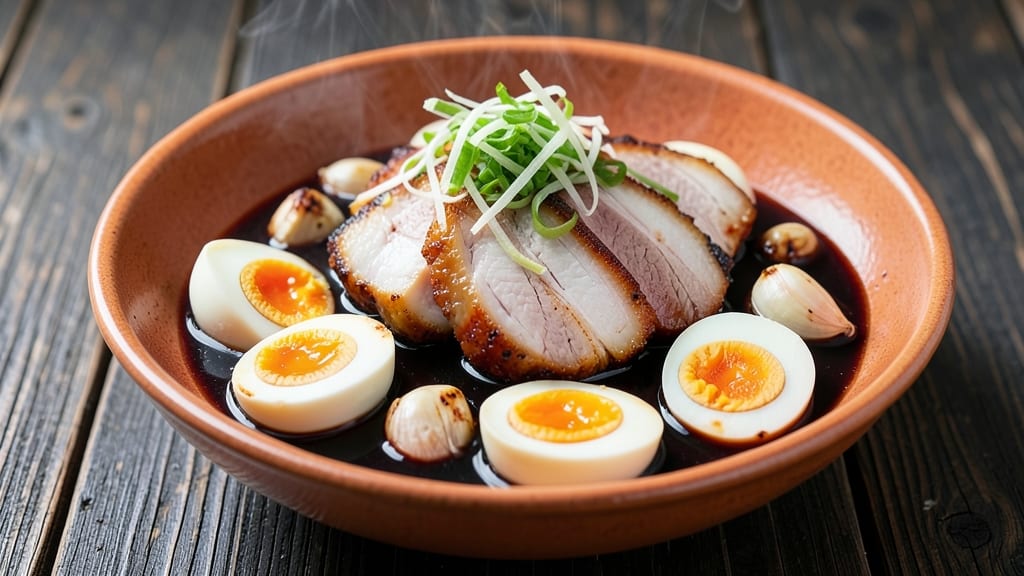
This batchoy recipe with pork blood delivers the soul-warming comfort of Filipino home cooking in one deeply flavorful bowl. 💛 The secret lies in the umami-rich broth, where pork blood transforms into silky ribbons that melt into the soup, creating a dish that's both rustic and refined.
I've perfected this recipe through years of testing, ensuring every spoonful captures that perfect balance of savory, tangy, and slightly sweet flavors that define batchoy.
The beauty of this dish is in its layers—crispy pork belly adds texture, hard-boiled eggs provide protein, and fresh vegetables bring freshness. What sets this apart is the traditional technique of simmering the pork blood just enough to create those signature silky strands without overcooking the broth.
The result is a soup that's hearty yet delicate, rich yet balanced, and impossible to resist.
What you'll achieve is a bowl of batchoy that tastes like a warm embrace—golden broth swirling with pork blood ribbons, tender pork belly chunks, and vibrant vegetables.
The aroma alone will have everyone gathering around the table, and the first sip delivers that perfect harmony of flavors that makes this dish a Filipino classic. This recipe brings restaurant-quality batchoy to your home kitchen with authentic techniques and simple ingredients.
Perfect for family gatherings or cozy weeknight dinners, this batchoy recipe is designed to impress while remaining practical. The key is patience—letting the broth develop its deep, complex flavor through slow simmering.
Once you taste the difference between store-bought and homemade, there's no going back. Let's create this timeless Filipino comfort dish together.
Ingredients for batchoy recipe with pork blood
Pork blood transforms into silky ribbons—this is the soul of batchoy, paired with tender pork belly and vibrant greens.
| Ingredient | Amount | Notes |
|---|---|---|
| Pork Blood 🩸 | 1 ½ cups | Fresh, from butcher, kept cold |
| Pork Belly 🥓 | 1 lb | Skin-on, cut into 1-inch cubes |
| Hard-Boiled Eggs 🥚 | 4 whole | Peeled, cut into ribbons |
| Fresh Ginger | ½ inch | Fixed: 0.5-inch piece, peeled |
| Garlic Cloves 🧄 | 6 cloves | Minced, aromatic |
| Green Onions 🧅 | ½ lb | White and green parts, chopped |
| Chinese Cabbage 🥬 | 1 lb | Cut into thin strips |
| Pork Bones 🦴 | 2 lb | Marrow bones for richness |
| Dried Shrimp 🦐 | ¼ cup | Rinsed, rehydrated |
| Fish Sauce 🍶 | 1 tbsp | Red Boat preferred |
| Soy Sauce 🥢 | 2 tbsp | Dark soy for color |
| White Vinegar 🍶 | 1 tbsp | For tangy brightness |
| Salt 🧂 | 1 ½ tsp | Diamond Crystal preferred |
| Black Peppercorns 🌶️ | ½ tsp | Crushed, for depth |
| Sesame Oil 🫒 | 1 tsp | Toasted, for aroma |
Pork blood is the star—fresh from your butcher is non-negotiable. Look for bright red, not brownish, and keep it ice-cold until use. The pork belly should have good marbling, and Costco or Asian markets usually carry the best cuts. For the ginger, grab a fresh, plump root—Filipino markets often have the juiciest. The pork bones? Marrow bones add unmatched richness, but knuckle bones work too. If you can't find dried shrimp, shrimp paste is a decent swap, but rinse it well first.
No pork blood? Mushroom broth with a splash of soy sauce mimics the umami, though it won't be the same. Fresh ginger? Powdered works at half the amount, but it lacks that bright zing. The fish sauce is essential—Red Boat is the gold standard, but any good-quality brand does. For the eggs, if you can't cut ribbons, soft-boil them first for easier slicing. The Chinese cabbage should be crisp; avoid wilted leaves like the plague. And if you're short on green onions, scallions or chives will do in a pinch.
Pork blood keeps for 3 days in the fridge if sealed tightly, but use it fresh for best results. The broth freezes beautifully for up to 3 months, so make extra. Store the pork belly and bones separately—they reheat best straight from the fridge. The dried shrimp and ginger? Keep them in airtight containers for up to a year. And that sesame oil? Store it in the fridge to preserve its delicate flavor.
Why You'll Love This Recipe
- One-Pot Magic: I swear by this—no extra bowls, no constant stirring. Just toss the pork belly, ginger, and garlic into the pot, let the pork blood simmer into that rich, velvety broth, and boom. Done. The eggs slide right in at the end, no fuss.
- Umami Bomb: That pork blood? It’s the secret weapon. One sip of the broth and you’ll taste why this isn’t just soup—it’s deep. The ginger and garlic caramelize into something almost sweet, while the pork belly stays tender enough to melt. Honestly, the first time I made it, I nearly burned the kitchen waiting for seconds.
- Leftovers That Don’t Suck: Batchoy’s one of those rare dishes that improves the next day. The flavors meld even more, and reheating it? Just a splash of water, a quick simmer. I make a double batch on Sundays—my kids take it for lunch, and I sneak bites from the fridge all week.
- Budget Feast: Pork belly might sound fancy, but it stretches far here. A single cut feeds four, and the blood? That’s the cheap protein upgrade no one talks about. Between us, I’ve fed a table of hungry friends for under $15 using this recipe—and they all ask for the leftovers.
Step-by-step instructions for batchoy with pork blood
Here's how to craft this legendary Filipino soup with deep umami and silky egg ribbons.
🔥 Step 1: Build the Umami-Packed Broth Foundation
In a large stockpot, combine the 2 lb pork bones and 1 lb pork belly with 1.5 cups pork blood. Add 1.5 tsp salt, 0.5 tsp crushed black peppercorns, and 0.5-inch peeled fresh ginger. Cover with 8 cups cold water and bring to a boil over high heat. Once boiling, reduce to a gentle simmer and skim off any foam that rises to the surface for 15 minutes—this ensures crystal-clear broth.
Here's the thing—pork blood is the secret weapon. It should be added when the water reaches 180°F (just before boiling) to prevent curdling. Let it simmer uncovered for 1 hour until the broth develops a rich, deep red color and intense aroma. The pork bones will release their marrow, creating that signature velvety texture we're after.
🍳 Step 2: Infuse with Aromatics and Dried Shrimp
Add the 6 minced garlic cloves and 0.25 cup rehydrated dried shrimp to the simmering broth. Stir gently and continue simmering for another 20 minutes. The garlic should perfume the broth beautifully, while the shrimp adds a briny depth that cuts through the richness.
Now's the time to add the 2 tbsp dark soy sauce and 1 tbsp fish sauce. These ingredients work their magic during this simmering phase, developing complex flavors. Let it cook uncovered for 10 more minutes—you'll notice the broth darkens slightly and smells even more intoxicating. This is when the umami compounds really start to sing.
👨🍳 Step 3: Prepare the Signature Egg Ribbons
While the broth simmers, peel the 4 hard-boiled eggs and cut each one into ¼-inch wide ribbons using a sharp knife. The key here is precision—keep the ribbons even in thickness so they cook uniformly in the hot broth. I like to make them about 2 inches long for that classic batchoy presentation.
Set these aside on a plate. They'll cook in the broth just before serving, so we don't want them to get soggy or overcooked. The ribbons should remain silky and delicate when served—almost like they're still raw inside. This is what makes batchoy so special compared to other egg noodle soups.
🥘 Step 4: Assemble the Vegetable Garnishes
In a separate bowl, combine the 1 lb thinly sliced Chinese cabbage and 0.5 lb chopped green onions (both white and green parts). Toss them lightly with 1 tsp toasted sesame oil and 1 tbsp white vinegar. This quick marinade brightens the vegetables and prevents them from wilting in the hot broth.
The cabbage should be cut into ¼-inch wide strips for quick cooking. The green onions should be chopped into ½-inch pieces so they add both texture and freshness. These vegetables will cook just before serving, so they should stay vibrant and crisp—adding that perfect contrast to the rich broth.
🔥 Step 5: Finish and Serve with Perfect Timing
When the broth has simmered for a total of 1 hour 30 minutes, strain it through a fine-mesh sieve into a clean pot. Discard the pork bones and pork belly (though you can save them for other uses). Return the broth to medium-high heat until it reaches a rolling boil.
Working quickly, add the egg ribbons and let them cook for exactly 30 seconds—just enough time to heat through without overcooking. Then add the cabbage and green onion mixture and cook for another 1 minute until the cabbage softens slightly but still has a satisfying bite. Ladle into bowls immediately and serve with steamed rice on the side.
Pro Tips For Making Batchoy Recipe With Pork Blood
- STIR THE BLOOD CONSTANTLY: The second the pork blood hits the pan, grab that spoon and keep it moving—no breaks, no pauses. I learned this the hard way when a batch curdled mid-cook, and now I treat it like stirring eggs: relentless until it thickens to a glossy, dark paste. High heat helps, but only if the blood doesn’t get lazy.
- SLICE BELLY THINLY: Skip the thick chunks—batchoy’s magic lies in tender, quick-cooking pork belly. Aim for ¼-inch slices, no thicker, or you’ll end up with chewy bits that fight the broth. A sharp knife and steady hand (or a meat slicer if you’re impatient) make this step worth the effort.
- DON’T BOIL THE EGGS TOO LONG: Overcooked eggs turn mealy in batchoy’s rich broth. Six minutes in boiling water is perfect—cool them immediately in ice water, then peel while still warm. Cold eggs slide into the soup without falling apart, and the yolks stay creamy, not rubbery.
- GINGER-GARLIC PASTE SAVES TIME: Chopping fresh ginger and garlic every time adds up. Make a quick paste with 3 tablespoons each of minced ginger and garlic, a splash of water, and blend until smooth. It keeps in the fridge for a week, and you’ll never again dread the prep step—just toss it in like a pro.
Perfect pairings for batchoy recipe with pork blood
Broth Boosters
Elevate your batchoy broth by adding a splash of 1 tbsp soy sauce right before serving—this deepens the umami without overpowering. For extra richness, stir in 1 tsp toasted sesame oil just before ladling into bowls. Trust me, this simple step transforms the broth from good to restaurant-quality. 💫
Crispy Pork Additions
Crispy pork belly bits add irresistible texture. Pan-fry ½ lb extra pork belly in 1 tbsp oil until golden brown, then drain on paper towels. Toss them with ½ tsp black pepper and ½ tsp garlic powder before adding to each bowl.
The contrast of crispy pork against the silky broth is pure magic.
Fresh Herb Garnishes
Brighten the dish with cilantro and Thai basil—toss ¼ cup each with 1 tsp lime juice and sprinkle over the top. These herbs cut through the richness while adding a fresh, aromatic finish.
I like to add a few sliced jalapeños for a subtle kick that guests can enjoy or avoid.
Rice Pairing Tips
Serve with steamed jasmine rice for the perfect balance—its mild flavor lets the broth shine. For extra flair, drizzle 1 tsp chili oil over each bowl before serving. The heat from the oil enhances the pork blood's umami while adding a smoky depth that ties everything together.
Dipping Sauce
Create a quick dipping sauce by mixing 1 tbsp soy sauce, 1 tbsp vinegar, ½ tsp sugar, and 1 tsp sesame oil. This tangy, slightly sweet sauce is perfect for dipping the crispy pork bits or egg ribbons.
It’s a game-changer for adding another layer of flavor to each bite.
Garnish Variations
For a pop of color, try adding sliced red bell peppers or shredded carrots to the vegetable mix. These additions not only look stunning but also add a subtle crunch.
If you love heat, sprinkle ½ tsp crushed red pepper flakes over each bowl—just enough to wake up the flavors without overwhelming them.
Nutrition facts
Frequently asked questions
What makes pork blood essential in batchoy?
The pork blood transforms into those signature silky ribbons that give batchoy its authentic, velvety texture. It adds a deep, savory umami flavor that's impossible to replicate with other ingredients. The blood should be added at 180°F to prevent curdling, creating those delicate strands that melt beautifully in the broth.
Can I substitute pork blood if I can't find it?
You can try a mix of mushroom broth and 1 tbsp soy sauce for umami, but it won't be the same. For texture, add ¼ cup finely chopped mushrooms simmered in the broth. The broth will lack the signature silky quality, but it'll still be flavorful. The key is balancing the savory notes with a splash of vinegar for brightness.
How do I get the egg ribbons to cook perfectly?
Cut the hard-boiled eggs into ¼-inch wide ribbons and cook them for exactly 30 seconds in the hot broth. Any longer and they'll turn rubbery. Start timing from when you add them to the boiling broth—this ensures they're just heated through without overcooking. The ribbons should remain silky and delicate, not firm.
Why does the broth need to simmer so long?
The long simmer (1.5 hours) is crucial for developing deep, complex flavors. The pork bones release their marrow, creating that signature velvety texture, while the pork blood and aromatics meld together. Rushing this step results in a flat, one-dimensional broth. Patience pays off with a rich, aromatic soup that tastes like a home-cooked embrace.
What's the best way to store leftovers?
Store the broth separately from the egg ribbons and vegetables to prevent sogginess. Keep the broth in an airtight container for up to 3 days in the fridge or 3 months in the freezer. Reheat gently on low heat—never boil—and add fresh egg ribbons and veggies when serving. The broth freezes beautifully, so make extra for future meals!