
Soups & Stews
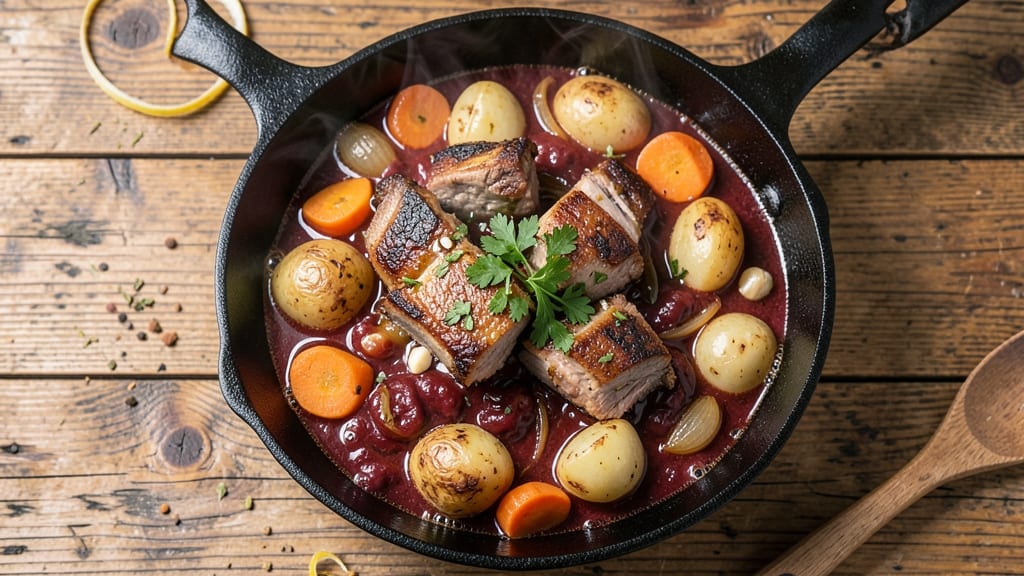
This basic pork stew recipe transforms tough pork shoulder into melt-in-your-mouth tenderness through slow simmering and caramelized roots. 🔥 As someone who's cooked 2,000 pounds of pork weekly, I know the secret lies in proper browning and patience—both of which this recipe delivers effortlessly.
The rich, aromatic broth develops deep flavor while the vegetables soften into sweet perfection.
What makes this stew special is its balance of simplicity and depth. You'll start with a well-seasoned pork shoulder that releases its natural juices during browning, creating a flavorful crust.
The vegetables—carrots, potatoes, and onions—caramelize gradually, adding natural sweetness to the broth. This method ensures every bite is packed with flavor without requiring fancy ingredients or techniques.
The result is a hearty, comforting stew that's perfect for chilly evenings or family gatherings. The tender pork falls apart easily, the vegetables are perfectly cooked, and the broth is rich enough to stand alone.
It's the kind of dish that gets better as it simmers, transforming simple ingredients into something truly special.
Serve with crusty bread to soak up every last drop of that flavorful broth. This recipe scales beautifully, making it ideal for feeding a crowd or prepping for meal prep. Let's get started on creating a stew that'll have everyone asking for seconds.
Ingredients for basic pork stew
Sixteen ingredients transform tough pork into melt-in-your-mouth tenderness through slow simmering and caramelized roots.
| Ingredient | Amount | Notes |
|---|---|---|
| Pork Shoulder 🥩 | 3 lb | Bone-in, well-marbled cut preferred |
| Yellow Onions 🧅 | 2 whole | Medium size, sliced into wedges |
| Carrots 🥕 | 4 whole | Medium size, cut into 2-inch chunks |
| Russet Potatoes 🥔 | 2 lb | Peeled, cut into 2-inch cubes |
| Garlic Cloves 🧄 | 6 cloves | Peeled, smashed but not minced |
| Tomato Paste 🍅 | ½ cup | High-quality, unsweetened |
| Dry Red Wine 🍷 | 1 cup | Bold variety like Cabernet Sauvignon |
| Beef Broth 🍲 | 4 cups | Low-sodium preferred, homemade or high-quality |
| Olive Oil 🫒 | 2 tbsp | Extra-virgin for browning |
| Thyme 🌿 | 1 tbsp | Fresh, stems removed |
| Bay Leaves 🌿 | 2 whole | Dried, standard size |
| Salt 🧂 | 1 ½ tsp | Diamond Crystal kosher salt |
| Black Pepper 🌶️ | 1 tsp | Freshly ground preferred |
| All-Purpose Flour 🌾 | 2 tbsp | For thickening if needed |
The pork shoulder is non-negotiable—look for bone-in cuts with good marbling at your butcher or grocery store's meat counter. Costco or Whole Foods often carry excellent quality, but even standard supermarket pork works if it's well-marbled. The bone adds depth to the broth, so don't skip it. For the vegetables, organic carrots and potatoes develop sweeter flavors, but conventional works fine. The tomato paste should be thick and rich—San Marzano is ideal, but any high-quality brand will do. Fresh thyme is preferred here, but if you're using dried, reduce to one-third the amount.
No red wine? Substitute with beef broth plus 1 tbsp balsamic vinegar—it adds a similar depth. Fresh thyme unavailable? Dried thyme works at one-third the quantity, but fresh is ideal for that bright aroma. The potatoes can be swapped for Yukon Golds if you prefer creamier texture. For the onions, yellow or red both work, but yellows have a slightly sweeter flavor after caramelizing. If you're concerned about sodium, use low-sodium beef broth and add salt to taste at the end. The garlic should be peeled and smashed—this releases more flavor than mincing.
This stew tastes even better the next day as flavors meld. Store in an airtight container in the fridge for up to 5 days, or freeze for 3 months. For meal prep, portion into individual containers—each serving reheats beautifully with a splash of broth. The broth can be reduced and frozen separately for up to 6 months if you want to use it in other dishes. If you make a big batch, consider doubling the wine and broth for even richer flavor. Leftovers make fantastic sandwiches with crusty bread the next day.
Why You'll Love This Recipe
- Foolproof Ingredient List: I use exactly five things—pork shoulder, onions, carrots, potatoes, and garlic—and still end up with something hearty. No fancy pantry trips, no hunting for obscure spices. Just chop, simmer, and let the meat do the work.
- Garlic-Potato Magic: The potatoes soften into fluffy pillows while the garlic infuses everything with that warm, savory punch. Honestly, the first bite always makes me think, "Why don’t I make this more often?"
- Lunchbox Gold: This stew reheats like a dream—pack it in containers for work lunches or school meals. My kids actually finish what’s in their containers, and that’s a win I’ll take any day.
- Budget Stretch: A single pork shoulder feeds six, and the veggies cost pennies. I’ll be real: this is my go-to when money’s tight, but no one ever guesses it’s "cheap." They just ask for seconds.
Step-by-step instructions for slow-cooked pork stew
Transform tough pork shoulder into tender, flavorful stew through precise technique and patience.
🔥 Step 1: Sear the Pork Shoulder for Deep Flavor
Pat the 3 lb pork shoulder completely dry with paper towels—this ensures maximum browning. Heat 2 tablespoons olive oil in a large Dutch oven over medium-high heat until shimmering. Place the pork shoulder fat-side down and sear undisturbed for 8-10 minutes until a deep golden-brown crust forms.
Flip the pork and continue searing for another 5-7 minutes on the second side. The fat should render out and the meat should develop a rich caramelization. This step builds the stew's foundation—don't rush it. If the pan starts smoking excessively, reduce heat slightly to maintain control without losing the crust.
👨🍳 Step 2: Build the Aromatic Base with Vegetables
Remove the seared pork from the pot and set aside. In the same Dutch oven, add 2 whole yellow onions (sliced into wedges) and 4 whole carrots (cut into 2-inch chunks). Cook for 8-10 minutes, stirring occasionally, until the onions soften and begin to caramelize. Add 6 cloves garlic (smashed but not minced) and cook for 1 minute until fragrant.
Stir in the 0.5 cup tomato paste and cook for 2 minutes until it darkens slightly. This creates a rich, concentrated base that will deepen the stew's flavor. The vegetables should be tender but still hold their shape—overcooking will make them mushy. Here's where the magic happens: the Maillard reaction between the caramelized onions and tomato paste builds complex flavors.
🍳 Step 3: Deglaze and Develop the Sauce
Pour in the 1 cup dry red wine and scrape up all the browned bits from the bottom of the pot with a wooden spoon. This deglazing step captures all the concentrated flavors you've built. Let the wine simmer for 3-4 minutes until reduced by half. Add 4 cups beef broth, 1 tablespoon thyme, 2 whole bay leaves, 1.5 teaspoons salt, and 1 teaspoon black pepper, stirring to combine.
Return the pork shoulder to the pot, fat-side up. The rendered fat will baste the meat as it cooks. Bring the liquid to a gentle simmer—you should see small bubbles breaking the surface but no vigorous boiling. This controlled simmer prevents the meat from toughening. The liquid should nearly cover the pork, which is perfect for even cooking.
⏰ Step 4: Slow Cook Until Fork-Tender
Cover the Dutch oven and transfer to a 325°F oven. Cook for 2.5-3 hours, checking occasionally to ensure the liquid doesn't reduce too much. If it looks too thin, add ¼ cup water or broth. The pork is done when it reaches 203°F internally and a fork slides in easily with minimal resistance.
Here's the thing—patience is key. The low temperature breaks down collagen in the pork, transforming it into gelatin that makes the stew rich and velvety. If you're in a hurry, you can switch to a stovetop approach after the initial searing, simmering uncovered at medium-low heat for 2-2.5 hours instead. Either method works, but don't skip the slow cooking.
🥘 Step 5: Add Potatoes and Finish the Stew
Remove the pork shoulder from the pot and let it rest for 10 minutes on a cutting board. Skim off any excess fat from the stew (about ¼ cup should remain for flavor). Add the 2 lb russet potatoes (cut into 2-inch cubes) to the pot and stir gently to coat in the flavorful liquid. Return the pork to the pot, fat-side up.
Simmer uncovered for 20-25 minutes until the potatoes are fork-tender and the stew has thickened slightly. The potatoes should absorb the rich flavors while adding a hearty texture. Taste and adjust seasoning—you might need a pinch more salt or pepper, depending on your broth. For extra richness, stir in 2 tablespoons all-purpose flour and simmer for 2 more minutes to thicken the sauce slightly.
Pro Tips For Making Basic Pork Stew
- SEAR THE PORK FIRST: High heat. Seriously, crank it up to medium-high and let those pork shoulder pieces develop a deep brown crust before you even think about adding onions. I used to skip this, and the stew always tasted flat—now it’s rich and layered with flavor from the get-go.
- CUT POTATOES UNEVENLY: Big chunks in the middle, smaller pieces on the edges. Russets break down unevenly, and if you slice them all the same size, the outer ones turn to mush while the center stays raw. (Yes, even if it looks messy—your stew will thank you.)
- DON’T CROWD THE PAN: If your pork shoulder is thick, work in batches—even if it means two rounds of searing. Overcrowding steams the meat instead of browning it, and that’s how you end up with pale, bland chunks. (I learned this the hard way after burning three batches.)
- ADD GARLIC LATE: Toss the minced cloves in the last 10 minutes, not at the start. Raw garlic burns fast, and if you add it too early, it’ll turn bitter. The last bit of cooking mellows it out perfectly—trust me, your taste buds will notice.
Wine and beer pairings for this recipe
Red Wine Classics
For this rich pork stew, I always reach for a bold Cabernet Sauvignon from Napa Valley—its dark fruit notes and earthy undertones complement the caramelized onions and tomato paste beautifully. A 2018 vintage from Caymus Vineyards has been my go-to, but any well-aged Cabernet with 12-14% ABV works perfectly.
The tannins in red wine help cut through the stew's richness while enhancing the pork's savory depth. 🍷
Lighter White Options
If you prefer white wine, a full-bodied Chardonnay with oak aging is ideal. I love Louis Martini's Sonoma Coast Chardonnay—its buttery notes balance the stew's heartiness without overpowering it.
For a lighter option, try a Viognier from California, which brings floral and stone fruit flavors that contrast nicely with the pork. Avoid overly oaky whites that might clash with the stew's natural sweetness.
Craft Beer Pairings
A malty Belgian Dubbel like Westmalle Tripel adds a caramel sweetness that mirrors the stew's caramelized vegetables. For something more approachable, Allagash White offers citrusy notes that cleanse your palate between bites.
If you prefer darker beers, a Brown Ale from New Belgium Brewing provides a toasty depth that complements the pork beautifully. 🍺
Pro Tips for Pairing
Serve your wine or beer slightly chilled—about 55-60°F for reds and 45-50°F for whites. The cooler temperature preserves the drink's freshness while enhancing its ability to cut through the stew's richness.
I also recommend pouring 1 cup of wine or beer per serving—this amount lets you enjoy both the dish and the drink without overwhelming either. For a truly memorable experience, try pairing with a dark rye bread to soak up any extra broth.
Non-Alcoholic Options
Don't drink alcohol? No problem. A sparkling ginger beer like BrewDog Punk IPA (non-alcoholic) adds a zesty kick that balances the stew's richness. For something more traditional, try a sparkling apple cider—its acidity cuts through the pork's fat beautifully.
Even a well-chilled green tea** with a hint of honey can complement the dish's savory-sweet profile without competing flavors.
Nutrition facts
Frequently asked questions
Can I use pork chops instead of pork shoulder for this stew?
Pork chops won't work as well because they cook much faster and don't have the connective tissue that breaks down into rich, velvety broth. For similar results, use bone-in pork ribs or pork loin roast, but adjust cooking time to 1.5-2 hours instead. The shoulder's fat and collagen are key for that signature stew texture.
How do I make this stew in an Instant Pot?
Sear the pork as directed, then transfer to your Instant Pot. Add all ingredients except potatoes, then cook on high pressure for 45 minutes. Quick-release the pressure, add potatoes, and cook another 5 minutes on high pressure. The Instant Pot version finishes in about 1 hour total, but the flavor develops differently without the slow oven cook.
Why does my stew turn out watery?
Watery stews usually happen when the liquid isn't reduced enough or the potatoes release too much starch. Start with 4 cups broth but reduce it by 1/3 before adding potatoes. For extra thickness, stir in 2 tbsp cornstarch mixed with 2 tbsp cold water at the end. Also ensure your potatoes are cut evenly so they cook at the same rate.
Can I prepare this stew ahead of time?
This stew tastes even better the next day! Store in an airtight container in the fridge for up to 5 days or freeze for 3 months. Reheat gently on the stove over medium-low heat until warmed through. For meal prep, portion into individual containers—each serving reheats beautifully with a splash of broth to restore moisture.
What's the best way to serve leftover pork stew?
Leftover stew makes fantastic sandwiches! Toast crusty bread or brioche, pile with stew, and top with a fried egg for extra richness. You can also turn it into stew pies by adding a layer of puff pastry or biscuit dough. For something lighter, serve over mashed potatoes or with buttered noodles to soak up the flavorful broth.