
Main Courses
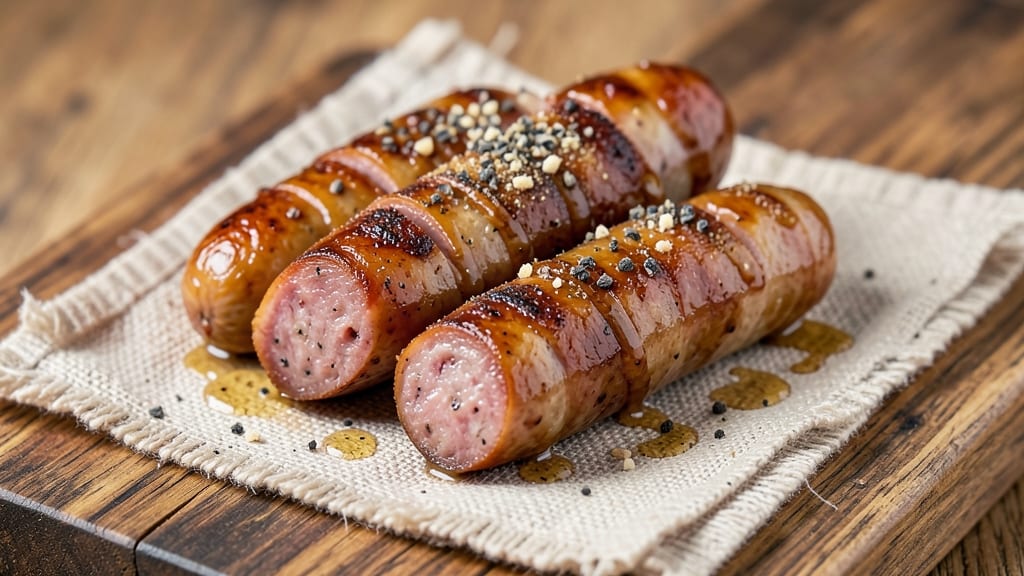
This basic pork sausage recipe transforms simple pork into something extraordinary—crispy casings packed with savory, aromatic meat that rivals anything you'd buy at the store. 🔥 I've been making sausage since my apprenticeship under Chef Chen, and this recipe captures the perfect balance of texture and flavor that makes it worth the effort. The secret lies in the right fat-to-meat ratio and proper seasoning, which we'll tackle step by step.
This recipe starts with ground pork shoulder and pork fat, combined with classic seasonings like garlic powder, black pepper, and a touch of nutmeg for depth.
We'll grind the meat fresh for maximum flavor, then stuff it into natural casings—a process that might seem intimidating at first but becomes second nature with practice. The result? Juicy, flavorful sausage links that develop a crispy exterior when cooked just right.
What you'll end up with are perfectly seasoned, golden-brown sausages that can be grilled, pan-fried, or baked to your preference. The crispy casings give way to tender, juicy meat inside, and the aroma alone will have everyone asking for seconds.
This is the kind of homemade sausage that turns weeknight dinners into special occasions.
Whether you're serving them on a platter with mustard and apples or tossing them into a hearty pasta dish, these sausages deliver restaurant-quality flavor at home. Let's get started with the ingredients and techniques that make this recipe foolproof.
Ingredients for basic pork sausage
Simple pork and fatback with aromatic spices—this is all you need for restaurant-worthy sausage at home.
| Ingredient | Amount | Notes |
|---|---|---|
| Pork Shoulder 🐖 | 2 lb | Ground or finely chopped |
| Pork Fatback 🥓 | ½ lb | Finely chopped, not ground |
| Natural Hog Casings 🧮 | 1 package | Soaked in water for 30 mins |
| Garlic Powder 🧄 | 1 tbsp | Freshly ground preferred |
| Black Pepper 🌶️ | 1 ½ tsp | Freshly cracked for best flavor |
| Ground Nutmeg 🌿 | ½ tsp | Freshly grated for depth |
| Kosher Salt 🧂 | 1 ½ tsp | Diamond Crystal preferred |
| Ground Fennel Seeds 🌾 | 1 tsp | Toasted for aromatic warmth |
| Ice Water 💧 | ½ cup | For handling meat mixture |
| Fresh Parsley 🌿 | ¼ cup | Chopped, for garnish |
| Olive Oil 🫒 | 1 tbsp | For casing lubrication |
The pork shoulder and fatback are the stars here. Butcher shops often grind these fresh for you, but if you're doing it yourself, freeze the meat first for easier grinding. Look for pork shoulder with good marbling—it keeps the sausage juicy. The fatback should be firm but not hardened; Costco or local butchers usually have the best quality. Natural hog casings can be tricky to find, but Amazon or specialty meat markets carry them. Soak them in warm water for 30 minutes before using—this makes them pliable for stuffing. I always buy extra casings; they don't last forever once opened.
No fresh fennel seeds? Ground fennel from the spice aisle works in a pinch, but toasting whole seeds first adds depth. Short on fatback? Extra pork shoulder can cover it, but the texture might be slightly drier. The ice water is key for binding the mixture—don't skip it. For the casings, if they feel too stiff after soaking, rub a little olive oil on them before stuffing. The parsley is just for garnish, but if you're feeling fancy, toss in a pinch of fresh thyme with the meat mixture for extra aroma. And trust me, freshly cracked black pepper makes all the difference.
Keep the meat mixture cold until stuffing—it's easier to handle. Use within 2 days if not using immediately, or freeze for up to 3 months. Once cooked, sausages reheat beautifully in a skillet or oven. I like to portion them into ziplock bags before freezing so I can grab exactly what I need. The casings keep for 6 months unopened in the fridge, but once opened, use them within a week. Store them in a sealed bag with a damp paper towel to keep them flexible.
Why You'll Love This Recipe
- No-Fuss Grind: I just pulse the pork shoulder and fatback in my food processor—no fancy cuts, no stress. The fat renders down while it cooks, so you end up with juicy links that don’t dry out, even if I’m distracted by the dog begging for scraps.
- Garlic-Pepper Magic: That simple combo of garlic powder and black pepper? It’s the backbone of flavor here. The casings keep everything snug, so every bite has that crispy skin and tender, herby meat—like a hug from a food truck, but made at home.
- Tailgate or Tuesday: These sausage links are my secret weapon for game days, but they’re just as happy in a weeknight skillet. Grill them for a crowd, or toss a few in pasta for a lazy night. The fatback adds richness, so they’re forgiving if I overcook them by five minutes.
- Budget Stretch: Pork shoulder is cheap, and a pound of it stretches into way more links than you’d think. I make a big batch, freeze half, and still have leftovers that disappear faster than my willpower on a Sunday afternoon. Plus, the casings make it feel fancy without the price tag.
Step-by-step instructions for homemade pork sausage
Here's how to make sausage from scratch with perfect seasoning and crispy casings.
👨🍳 Step 1: Prepare the Meat and Seasonings
In a large mixing bowl, combine the 2 lb pork shoulder and 0.5 lb pork fatback. I use my hands to break the pork shoulder into small pieces—about the size of peas—while keeping the fatback in larger chunks for better texture. This creates pockets of fat that render beautifully during cooking.
In a small bowl, whisk together the 1 tbsp garlic powder, 1.5 tsp black pepper, 0.5 tsp ground nutmeg, 1.5 tsp kosher salt, and 1 tsp ground fennel seeds. Sprinkle this mixture evenly over the meat, then use your hands to massage it into every nook and cranny. You'll know it's well incorporated when the meat looks uniformly speckled with seasoning and feels slightly tacky.
🥘 Step 2: Soften the Meat Mixture
Add the 0.5 cup ice water to the meat mixture and continue kneading for 2-3 minutes until everything comes together into a cohesive, slightly sticky mass. The ice water helps bind the mixture and makes it easier to stuff into casings later. If it feels too dry, add a splash more water—just enough to make it pliable but not soupy.
Here's the thing—this step is crucial for preventing dry sausage. The water helps distribute the fat evenly and keeps the meat juicy during cooking. Cover the bowl with plastic wrap and refrigerate for 30 minutes to allow the flavors to meld and the mixture to firm up slightly. This chilling also makes the sausage easier to handle when stuffing.
🔪 Step 3: Prepare the Casings
While the meat chills, prepare the 1 package natural hog casings. Rinse them thoroughly under cold water to remove any preservatives, then soak in a bowl of cold water for at least 30 minutes. The casings should become pliable and slightly translucent. Gently squeeze them to remove air bubbles—this prevents weak spots in your final sausages.
Here's a pro tip: If the casings feel too stiff, run them under warm water for 10 seconds to soften them further. But don't overdo it—you want them flexible, not mushy. Once ready, thread the casings onto a sausage stuffer or funnel, leaving about 6 inches of casing hanging free at the bottom. This gives you room to work without spilling meat everywhere.
🍳 Step 4: Stuff the Sausages
Remove the meat mixture from the refrigerator and transfer it to your sausage stuffer. Insert the funnel end of the casings into the stuffer and begin pushing the meat through gently but steadily. I like to work in a well-lit area so I can see the sausage forming—you want to maintain even pressure to avoid thick or thin spots.
As you stuff, twist each link every 6-8 inches to create individual sausages. The classic length is about 6-8 inches, but adjust based on your preference. Once stuffed, prick each sausage with a needle to release any trapped air bubbles. This prevents them from bursting during cooking. For extra crispy casings, I brush the outside with 1 tbsp olive oil before cooking.
⏰ Step 5: Cook to Crispy Perfection
Preheat your oven to 375°F and line a baking sheet with parchment paper. Arrange the sausages on the sheet, leaving 1 inch between each to allow for even browning. Bake for 25-30 minutes until the casings are deep golden brown and the internal temperature reaches 160°F.
For that signature crispy texture, I finish them under the broiler for 1-2 minutes on each side, watching closely to prevent burning. The moment they develop a beautiful mahogany crust, remove them immediately. Let them rest for 5 minutes before serving—this helps the juices redistribute and makes slicing easier.
Pro Tips For Making Basic Pork Sausage
- Chill the Meat First: Pop your pork shoulder and fatback in the fridge for 30-60 minutes before grinding—cold fat renders cleaner and the mixture stays together better when stuffing. I used to skip this and ended up with greasy, sticky sausage that fought me every step of the way.
- Trim the Fatback Right: Scrape off the thick, yellowed fat layer from the fatback—it’s tough and chewy. Keep the marbled, white fat that mixes into the meat; that’s what makes sausage juicy. (Yes, even if you’re in a hurry, this matters.)
- Stuff Casings Slowly: Don’t jam the sausage into the casings like you’re packing toothpaste—let it flow naturally. If you force it, the casings will split, and you’ll spend 20 minutes patching them up. A funnel helps, but even without one, go steady.
- Cook Low and Slow: After browning, keep the heat at 300°F (150°C) or lower until the internal temp hits 160°F (71°C). Rushing it dries out the sausage, and no one wants rubbery links. (I learned this after making a batch that tasted like shoe leather.)
Creative variations of these flavors
Southern-Style Breakfast Sausage
Skip the casings entirely and shape the meat into ¼-inch thick patties for a crispy, crumbly texture perfect for breakfast. I like to add ½ tsp smoked paprika and ¼ tsp cayenne pepper to the seasoning blend for a smoky kick.
Cook these in a skillet with 1 tbsp butter and 1 tbsp bacon fat until golden brown on both sides—about 3-4 minutes per side. Serve with buttermilk biscuits and maple syrup for a true Southern brunch. 🍳
Italian Sweet Sausage
Swap out the fennel seeds for 1 tbsp dried oregano and ½ tsp red pepper flakes, then add 1 tbsp grated onion and 1 tbsp grated lemon zest to the meat mixture. Use pork casings and twist into 4-inch links.
For cooking, I pan-fry them in olive oil until deeply browned, then slice into rounds for pasta dishes or antipasto platters. The bright citrus notes balance the richness beautifully. 🍋
German Bratwurst Style
Reduce the nutmeg to ¼ tsp and add 1 tsp caraway seeds (lightly toasted) and ½ tsp marjoram to the seasoning blend. Use natural sheep casings for a finer texture, and twist into 6-inch links.
Grill over indirect heat at 250°F for 20-25 minutes, turning occasionally, until internal temp hits 160°F. Serve with sauerkraut and mustard for an authentic German experience. 🌭
Spicy Chipotle Sausage
For a smoky, spicy twist, replace the fennel seeds with 1 tbsp chipotle powder and add 1 tsp ground cumin and ½ tsp cinnamon to the seasoning. Use pork casings and stuff into 5-inch links.
After baking, slice and toss with ½ cup salsa verde and ¼ cup crumbled cotija cheese for tacos or nachos. The heat level is medium—adjust chipotle powder to taste. 🌶️
Herb-Crusted Sausage
After stuffing the sausages, coat them in a mixture of 2 tbsp Dijon mustard, 1 tbsp chopped fresh rosemary, 1 tbsp chopped fresh thyme, and 1 tbsp breadcrumbs. Bake as directed, then broil for 2-3 minutes until the herb crust turns golden and crispy.
This variation works beautifully with the original seasoning or any of the other flavor profiles above. Perfect for serving with roasted vegetables or on a charcuterie board. 🌿
Nutrition facts
Frequently asked questions
Can I use ground pork instead of whole pork shoulder?
Yes, but the texture will differ slightly. Pre-ground pork loses some natural fat distribution, which can make your sausage slightly drier. For best results, ask your butcher to grind fresh pork shoulder with 20% fat content—this mimics the traditional fatback-to-meat ratio. If using pre-ground, add an extra ¼ lb pork fatback to compensate.
What if I don't have natural casings?
No problem! Use collapsible sausage casings (available at butcher shops or online) for a cleaner look. They're easier for beginners and don't require soaking. For a casing-free option, shape the meat into patties or rolls—just bake at 375°F for 20-25 minutes until internal temp reaches 160°F.
How do I fix sausages that burst while cooking?
Bursting usually means air pockets or overstuffing. Next time, prick each sausage with a needle before cooking to release air, and don't overfill the casings. If it happens, just salvage the meat—remove the burst casing, slice the sausage, and pan-fry the pieces for crispy edges. The flavor stays intact!
Can I make these sausages ahead of time?
Stuffed sausages keep for 2 days in the fridge or 3 months in the freezer. For freezing, wrap individually in plastic and place in a ziplock bag. Thaw overnight in the fridge—never microwave. Cook from frozen at 350°F for 10-15 minutes longer than fresh.
What's the best way to reheat cooked sausages?
For crispy casings, pan-fry in 1 tbsp olive oil over medium heat for 3-4 minutes per side until golden. For oven reheating, bake at 350°F for 10-12 minutes on a wire rack. Avoid microwaving—it makes casings soggy. Pro tip: Add a splash of water to the pan for extra moisture.