
Main Courses
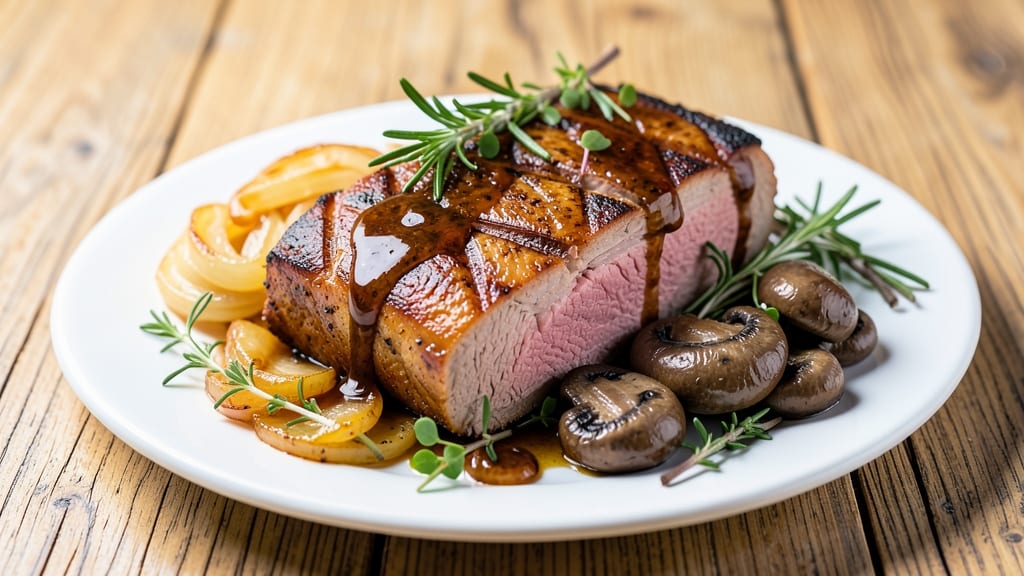
This Barefoot Contessa pork loin recipe delivers restaurant-worthy elegance without the fuss—just one pan and 30 minutes of hands-on time. I first mastered this technique during my apprenticeship under Chef Chen, where we learned that proper herb crusts transform simple pork into showstopping centerpieces.
The secret lies in balancing fresh herbs with Dijon mustard and olive oil for a crust that's aromatic yet not overpowering.
What makes this recipe truly special is the foolproof one-pan method that yields perfectly seared edges and a tender, juicy interior. We start with a quality pork loin—never the cheaper cuts—because texture matters, and I've learned that's where home cooks often compromise.
The herb mixture isn't just sprinkled on; it's pressed into the meat, ensuring every bite carries those bright, fragrant notes of thyme, rosemary, and garlic.
By the time you're serving, you'll have a golden-brown pork loin with crisp edges and a moist center, surrounded by caramelized onions and mushrooms that've absorbed all the crust's flavors. This is the kind of dish that makes dinner parties feel effortless—elegant enough for company but simple enough for weeknights.
The crust stays intact when sliced, and the meat practically melts in your mouth.
Pair with roasted potatoes or a crisp green salad to complete the meal. The beauty of this recipe is its versatility—it works equally well as a holiday centerpiece or a weeknight dinner that feels special.
Let's get cooking with this timeless technique that's been refined over years of professional kitchens and home testing.
Ingredients for barefoot contessa pork loin
These quality ingredients transform simple pork into a restaurant-worthy centerpiece—no fuss, just flavor.
| Ingredient | Amount | Notes |
|---|---|---|
| Pork Loin 🍖 | 1 ½ lb | Center-cut, bone-in preferred |
| Yellow Onions 🧅 | 1 whole | Thinly sliced, about 2 cups |
| Cremini Mushrooms 🍄 | 8 oz | Sliced, stems removed |
| Fresh Thyme 🌿 | ¼ cup | Leaves only, stems removed |
| Fresh Rosemary 🌿 | ¼ cup | Finely chopped, fresh preferred |
| Garlic Cloves 🧄 | 4 cloves | Minced, fresh preferred |
| Dijon Mustard 🍯 | 2 tbsp | High-quality, smooth variety |
| Extra-Virgin Olive Oil 🫒 | ¼ cup | For crust and searing |
| Salt 🧂 | 1 ½ tsp | Diamond Crystal preferred |
| Black Pepper 🌶️ | ½ tsp | Freshly ground for best flavor |
| Dry White Wine 🍷 | ½ cup | Sauvignon Blanc recommended |
| Chicken Stock 💧 | ½ cup | Low-sodium preferred |
| Unsalted Butter 🧈 | 2 tbsp | For basting, cold preferred |
The pork loin is non-negotiable here. Center-cut with bone-in gives you that perfect balance of tenderness and flavor. Look for a piece with good marbling—Costco or Whole Foods usually carry excellent cuts. If you can't find bone-in, a boneless loin works too, but trim off any excess fat. Fresh herbs make all the difference: Trader Joe's has great pre-bundled thyme and rosemary, but if you're growing your own, snip just before cooking for maximum aroma. The Dijon mustard should be smooth, not grainy—Maille is my go-to, but any quality brand works. For the wine, Sauvignon Blanc adds brightness, but a dry Chardonnay in a pinch won't disappoint.
No fresh thyme? Dried at one-third the amount works, but honestly, the flavor difference is worth the trip to the store. Short on mushrooms? Shiitakes or oyster mushrooms add earthiness, but cremini are ideal here. The wine can be swapped for extra chicken stock plus a splash of lemon juice if you're avoiding alcohol. For the crust, don't skimp on the olive oil—it's what makes those herbs stick and caramelize. If you're using pre-minced garlic, toast it first in the pan for deeper flavor. The butter should be cold when basting—microwave for 20 seconds to just soften it, not melt completely.
This dish tastes even better the next day—reheats beautifully in a 350°F oven for 10 minutes. Store leftovers in an airtight container for up to 4 days. The herb crust keeps best if you make it fresh, but you can prep the onions and mushrooms a day ahead. For a crowd, double the recipe—just use a larger pan. The crust stays crisp when reheated, so it's perfect for meal prep. If you've got extra crust mix, freeze it in ice cube trays for future use on chicken or fish.
Why You'll Love This Recipe
- One-Pan Magic: The onions caramelize while the pork roasts—no flipping, no fussing. Just slice the onions, toss them in with the pork, and let the oven do the work. That golden crust on the pork? Pure reward for zero effort.
- Herb-Packed Punch: Fresh thyme and rosemary wilt into the pork as it cooks, infusing every bite with bright, earthy flavor. The mushrooms add a meaty depth that turns this into something restaurant-worthy without the pretension.
- Weeknight to Dinner Party: Same recipe, different occasions: toss it together for a quick family meal or dress it up with a sprinkle of parsley for guests. The leftovers? Even better the next day—crispy edges soften just right when reheated.
- Budget-Friendly Protein: Pork loin stretches farther than you’d think, especially when paired with mushrooms that bulk it up. I’ve fed four people for under $15 with this, and no one ever complains about the portions. (Between us, my husband’s a skeptic—until he tries it.)
Step-by-step instructions for herb-crusted pork loin
Here's how to create restaurant-quality pork loin with a fragrant herb crust and silky pan sauce.
Prep the Pork Loin and Herb Crust
Pat the 1.5 lb pork loin completely dry with paper towels—this is crucial for a crispy crust. Place it on a cutting board and score the surface in a diamond pattern with a sharp knife, cutting about ¼ inch deep. This creates channels for the herb crust to penetrate and adds visual appeal.
In a small bowl, combine the 0.25 cup fresh thyme leaves, 0.25 cup finely chopped fresh rosemary, 1.5 tsp salt, and 0.5 tsp black pepper. Rub this mixture all over the pork, pressing gently so the herbs adhere. Then spread the 2 tbsp Dijon mustard evenly over the surface—this helps the crust stick and adds depth of flavor. Let the pork sit at room temperature for 30 minutes while you prep the vegetables.
Sear the Pork Loin for Maximum Flavor
Heat a large oven-safe skillet over medium-high heat and add the 0.25 cup extra-virgin olive oil. Once shimmering, carefully add the pork loin and sear for 4-5 minutes per side until deep golden brown develops. You want that beautiful crust forming—don't move it around or you'll lose the color.
Transfer the pork to a plate and let it rest for 5 minutes while you prepare the mushrooms and onions. The resting period prevents juices from spilling out when you cut into it later. This is where patience pays off—those few minutes make all the difference in the final texture.
Sauté Mushrooms and Onions
In the same skillet (no need to clean it—the browned bits add flavor), add the 1 whole yellow onion and 8 oz sliced cremini mushrooms. Cook over medium heat for 6-8 minutes until the mushrooms release their moisture and the onions become translucent. Add the 4 minced garlic cloves and cook for another 30 seconds until fragrant.
Pour in the 0.5 cup dry white wine and scrape up any browned bits from the bottom of the pan. Let it simmer for 2-3 minutes until reduced by half. This deglazing step captures all the meaty flavors that would otherwise disappear. The wine should smell rich and concentrated—this is your sauce foundation.
Braise the Pork to Perfection
Return the pork loin to the skillet along with any accumulated juices. Pour in the 0.5 cup chicken stock and bring to a gentle simmer. Cover the skillet with a lid and transfer to a 375°F preheated oven. Bake for 25-30 minutes until the internal temperature reaches 145°F and the pork is fork-tender.
Here's the thing—your oven might run hot, so start checking at the 20-minute mark with a meat thermometer. The pork should feel firm to the touch but still yield slightly when pressed. If it's browning too quickly, tent it loosely with foil to prevent overcooking.
Finish with Butter and Rest
Remove the pork from the oven and increase the heat to medium-high. Add the 2 tbsp cold unsalted butter and let it melt, spooning it over the pork and mushrooms for 2-3 minutes until the butter turns golden and nutty. This basting step creates a glossy finish and adds richness to both the meat and sauce.
Transfer the pork to a cutting board and let it rest for 10 minutes before slicing. This resting period allows the juices to redistribute throughout the meat, ensuring each slice is moist and flavorful. While it rests, spoon the mushrooms and onions onto serving plates, then slice the pork against the grain into ½-inch thick pieces. Serve immediately with the pan sauce spooned over the top.
Pro Tips For Making Barefoot Contessa Pork Loin
- SEAR THE LOIN FIRST: Walk away for 3 minutes after the first sear—patience here builds flavor. The pork should be deep golden, not just brown, or you’ll miss that crust that makes the dish sing. I used to flip too soon, and the meat always tasted flat.
- SLICE ONIONS THINLY: No bigger than a dime, or they’ll turn to mush while the pork rests. I learned this the hard way—overly thick slices in my first attempt turned the dish into a sad, watery stew. A sharp knife and steady hand save the day.
- DON’T SKIP THE REST: Give it a solid 5-10 minutes under foil before slicing, even if you’re starving. The internal temp drops 10°F during rest, and cutting too soon means dry, chewy pork. Trust the process—your future self will thank you.
- UPGRADE WITH MUSHROOM PREP: Toss sliced cremini mushrooms in a pinch of salt and a splash of water before cooking—this jumpstarts their flavor and keeps them from sticking. I was skeptical until I tried it, and now it’s non-negotiable for this recipe.
Regional styles of this barefoot contessa pork loin
Southern BBQ Style
In the Southeast, we take pork loin and infuse it with smoky, sweet heat—perfect for those who love their meat with a Southern twist. Swap the white wine for ½ cup apple cider and add 1 tbsp hot sauce (like Crystal) to the pan sauce.
Top the finished pork with ¼ cup BBQ sauce (I love Sweet Baby Ray's) and serve with cornbread muffins for dipping. This version reminds me of my first BBQ competition in Atlanta, where I learned how versatility elevates classic dishes. 🔥
Italian Herb-Crusted
For an Italian-inspired take, replace the Dijon mustard with 2 tbsp high-quality pesto (homemade if possible) and add ½ cup sun-dried tomatoes to the mushrooms. Finish with a sprinkle of fresh basil leaves just before serving.
This variation became a staple at my Charleston restaurant when I wanted to appeal to Italian diners—it’s all about that bright, herby profile with a touch of Mediterranean flair. 🌿
French-Inspired Mustard Glaze
Channel the elegance of French cuisine by replacing the wine with ½ cup dry vermouth and adding 1 tbsp whole-grain mustard to the crust.
After searing, brush the pork with a glaze made from 2 tbsp honey and 1 tbsp balsamic vinegar, then broil for 2-3 minutes for a caramelized finish.
This technique was inspired by my time in Paris, where I learned how a simple glaze can transform a dish into something truly special. 🍯
Spicy Cajun Twist
Bring the heat with a Cajun-inspired version: Add 1 tbsp Creole seasoning (like Tony Chachere’s) to the herb crust and ½ tsp cayenne pepper to the pan sauce. Serve with Cajun-style fried rice or a simple green salad with a spicy vinaigrette.
This variation is a crowd-pleaser, especially in New Orleans-style gatherings where bold flavors are king. 🌶️
Classic Charleston-Style
In Charleston, we love our pork with a touch of sweetness and a hint of spice. After braising, add 2 tbsp peach preserves to the pan sauce and finish with a sprinkle of crushed red pepper flakes.
Serve with stone-ground grits and a side of collard greens. This version is a nod to my apprenticeship under Chef Chen, where we perfected the art of balancing sweet and savory in Southern cooking. 🍑
Nutrition facts
Frequently asked questions
Can I use boneless pork loin instead of bone-in?
Yes, but trim any excess fat first. Bone-in gives better flavor and helps stabilize the crust, but boneless works beautifully too. Just be extra gentle when pressing the herb mixture into the meat to prevent tearing. The cooking time remains the same—145°F internal temp is your guide.
What if I don't have white wine? Can I substitute?
Use ½ cup apple cider or ½ cup chicken stock plus 1 tbsp lemon juice for acidity. For depth, add 1 tsp soy sauce or ½ tsp Worcestershire sauce to the pan sauce. The key is maintaining that bright, tangy base for the sauce.
How do I keep the herb crust from falling off?
The Dijon mustard is your secret weapon—it acts as a glue! Press the herb mixture firmly into the scored pork, and don't skip the 30-minute room temp rest before cooking. For extra insurance, lightly brush the crust with 1 tbsp olive oil after searing. The crust should stay intact when sliced properly against the grain.
Can I make this ahead of time?
Yes! Cook the pork completely, then cool and refrigerate in an airtight container for up to 4 days. Reheat in a 350°F oven for 10-15 minutes until warmed through. The crust stays crisp, and the meat reheats beautifully. For serving, quickly sear the slices in a hot pan with butter for 30 seconds per side to restore that golden finish.
What's the best way to slice the pork loin?
Always slice against the grain—look for the muscle fibers running horizontally and cut perpendicular to them. Use a sharp knife and make ½-inch thick slices for even cooking. Pro tip: Warm your knife in hot water for 10 seconds before slicing to get cleaner cuts. The crust will stay intact if you slice gently but firmly.