
Main Courses
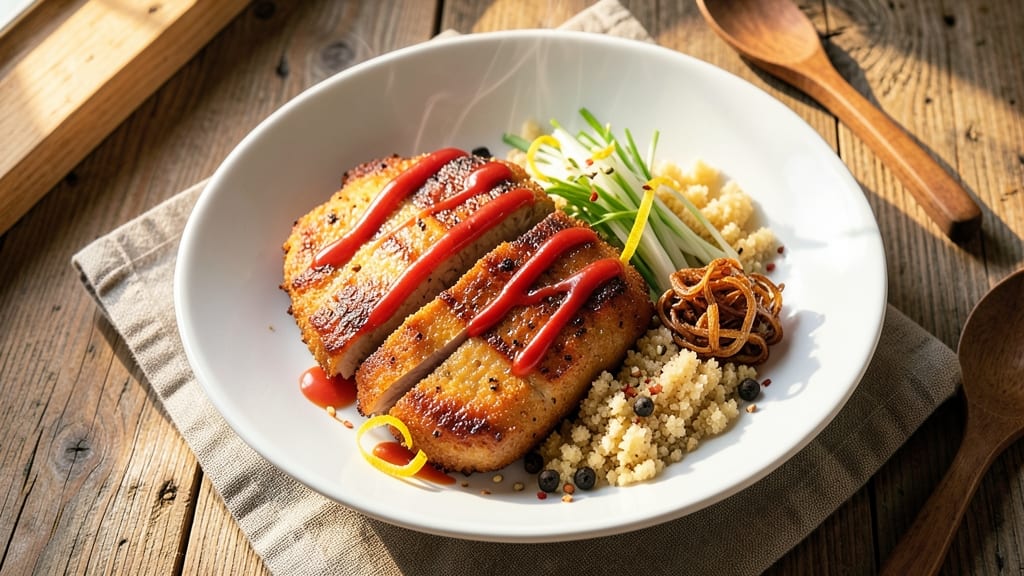
This baked pork tonkatsu recipe brings the classic Japanese pub staple to your oven with the same crispy panko crust and juicy pink centers—no deep fryer required.
After years of perfecting the balance between crunch and tenderness, I’ve adapted the traditional technique for home cooks, ensuring every bite delivers that satisfying contrast. The secret lies in a precise breading method and baking at just the right temperature to maintain moisture while creating that golden, shatteringly crisp exterior.
What sets this recipe apart is the combination of a well-marinated pork cutlet and a double-dredge breading that locks in flavor while creating that iconic crunch.
I use a mix of panko and all-purpose flour for texture, and a touch of cornstarch to help the crust achieve that perfect golden-brown finish. The result? A dish that’s restaurant-quality but made entirely at home, with none of the mess or fuss of deep-frying.
By the time you’re done, you’ll have tender, juicy pork with a crispy crust that stays that way even when sliced—no soggy breading here. Serve it with a simple shredded cabbage slaw and steamed rice for the full tonkatsu experience, or pair it with your favorite tonkatsu sauce for dipping.
This is the kind of recipe that transforms a weeknight dinner into something special without requiring advanced skills.
Whether you’re feeding a family or treating yourself to a Japanese-inspired meal, this baked version delivers all the flavor and texture of the original, just with a simpler method.
The key is patience—letting the pork rest after breading and baking it just until the crust is golden ensures that first bite is always perfect. Let’s get started on creating your crispiest, juiciest tonkatsu yet.
Ingredients for baked pork tonkatsu
These 14 ingredients deliver crispy panko crust and juicy pork—no deep fryer needed.
| Ingredient | Amount | Notes |
|---|---|---|
| Pork Loin Cutlets 🥩 | 1 ½ lb | Boneless, 1/2-inch thick slices |
| All-Purpose Flour 🌾 | ¾ cup | For first dredge |
| Japanese Panko Breadcrumbs 🍞 | 2 cups | Standard or gluten-free if needed |
| Cornstarch 🌾 | ¼ cup | For extra crispiness |
| Large Eggs 🥚 | 2 whole | Beaten for egg wash |
| Soy Sauce 🍶 | ¼ cup | For marinade |
| Mirin 🍶 | ⅛ cup | Sweet rice wine |
| Sesame Oil 🫒 | 1 tbsp | For flavor depth |
| Garlic Cloves 🧄 | 4 cloves | Minced for marinade |
| Vegetable Oil 🫒 | 2 tbsp | For greasing baking sheet |
| Salt 🧂 | 1 tsp | Kosher or sea salt |
| Black Pepper 🌶️ | ½ tsp | Freshly ground |
| Lemon Juice 🍋 | 1 tbsp | Freshly squeezed |
| Green Onions 🧅 | 2 whole | Sliced for garnish |
The pork loin matters most here. Look for evenly thick slices—ask your butcher to cut them for you if needed. Costco or Trader Joe's usually sell pre-sliced pork loin, but if you're buying a whole loin, slice it yourself against the grain for tenderness. The panko should be Japanese-style—it's lighter and crispier than regular breadcrumbs. Penzeys or the Asian aisle at Walmart both carry good options. If you can't find mirin, dry sherry plus 1 tsp sugar works in a pinch, but mirin's sweetness balances the soy perfectly.
No panko? Regular breadcrumbs plus 1 tbsp cornstarch gets you close, though the texture won't be quite as crisp. Short on soy sauce? Coconut aminos works 1:1, but the flavor won't be identical. The cornstarch is non-negotiable for that perfect golden crust—it's what makes the difference between soggy and shatteringly crisp. Tofu paper (available in Asian markets) can replace the second egg wash if you're avoiding eggs entirely. For the garlic, fresh is best, but if you're using powder, double the amount. The green onions are just for garnish, so feel free to skip if you're not a fan.
Marinate the pork for at least 30 minutes—overnight is even better. The breaded cutlets keep in the fridge for 1 day before baking, but bake them fresh for the best texture. Once baked, they're best served immediately, but you can reheat them in a 350°F oven for 5-10 minutes if needed. The crispiness fades after about 20 minutes, so plan accordingly. Store leftovers in an airtight container with parchment paper between layers to maintain crispness.
Why You'll Love This Recipe
- No-Fry Crisp Magic: I swear by this baked version—same golden crunch as the deep-fried kind, but without the mess. The panko and cornstarch combo creates that addictive shatter when you bite in, and honestly? My kids don’t even know it’s not fried.
- Weeknight Workhorse: Between us, this is my go-to when I’m too tired to deep-fry but still want something impressive. Toss it in the oven while I chop veggies—no timing stress, no greasy cleanup. (Yes, even on a Tuesday night.)
- Leftovers That Don’t Suck: Unlike fried tonkatsu, this stays crispy for days if you reheat it right (air fryer or oven, 5 minutes max). I’ll pack it for lunches or throw it in a bento box—no soggy breading in sight.
- Budget Crunch Savior: Pork loin is cheaper than you think, and a bag of panko goes a long way. I stretch one cutlet into two thinner slices, and suddenly, dinner feeds four without breaking the bank. Plus, the eggs and flour are pantry staples—no special shopping needed.
Step-by-step instructions for crispy pork tonkatsu
Here's how to achieve that perfect balance of golden crust and tender pork every time.
Prepare the Marinade and Pound the Pork
In a small bowl, whisk together the 0.25 cup soy sauce, 0.125 cup mirin, 1 tbsp sesame oil, 1 tbsp lemon juice, 1 tsp salt, 0.5 tsp black pepper, and 4 minced garlic cloves. This marinade adds depth and keeps the pork juicy. Place the 1.5 lb pork loin cutlets in a shallow dish and pour the marinade over them, turning to coat completely. Let them marinate for at least 30 minutes (or up to 2 hours for maximum flavor).
While the pork marinates, I like to gently pound the cutlets to an even ½-inch thickness using a meat mallet wrapped in plastic wrap. This ensures even cooking and prevents thick spots that might stay underdone. The marinade should penetrate the meat during this time, giving you that authentic tonkatsu flavor.
Set Up the Breading Station
In a shallow bowl, combine the 0.75 cup all-purpose flour and 0.25 cup cornstarch. This blend creates that signature crispy crust. In another bowl, beat the 2 whole large eggs until just combined. In a third bowl, place the 2 cups Japanese panko breadcrumbs - these will give you that light, airy crust that's so satisfying to bite into.
I arrange these bowls in order: flour mixture first, then eggs, then panko. This keeps the breading process organized and prevents cross-contamination. The cornstarch in the flour blend is key - it helps create that extra crispiness that makes tonkatsu so special. Keep all your stations ready before you start breading to work efficiently.
Bread the Pork Cutlets
Remove the pork from the marinade (don't worry about drips - they add flavor) and let any excess drip off. Working with one cutlet at a time, press it into the flour mixture, coating both sides evenly. Tap off any excess, then dip into the beaten eggs, allowing any excess to drip off. Finally, press the cutlet into the panko breadcrumbs, coating completely and pressing gently to help the crumbs adhere.
Place the breaded cutlets on a wire rack set over a baking sheet. This allows air to circulate around all sides, which is crucial for getting that perfect even crisp. I like to let them rest for 5 minutes before baking - this helps the breading set slightly so it doesn't slide off during cooking. You'll know they're ready when the panko looks dry and the coating is firmly attached.
Bake to Golden Perfection
Preheat your oven to 425°F and line a baking sheet with parchment paper. Brush the parchment lightly with 2 tbsp vegetable oil - this prevents sticking and helps create that beautiful caramelized crust. Arrange the breaded cutlets on the prepared sheet, leaving 1 inch between each for proper air circulation.
Bake for 20-25 minutes, flipping once halfway through at the 12-minute mark. You're looking for cutlets that are deep golden brown with a crisp exterior. The internal temperature should reach 145°F when measured with an instant-read thermometer. Don't be tempted to open the oven early - maintaining that high heat is what creates the perfect crust.
Rest and Serve
Transfer the baked cutlets to a wire rack and let them rest for 5 minutes before serving. This resting period is crucial - it allows the juices to redistribute throughout the meat, preventing them from pooling and making the cutlets soggy. While they rest, slice the 2 whole green onions into thin rings for garnish.
Serve the tonkatsu immediately, garnished with green onion slices. The exterior should be crisp enough to stand up to a fork, while the interior remains juicy and pink - that's the perfect tonkatsu texture. For an authentic experience, serve with shredded cabbage, steamed rice, and a tangy tonkatsu sauce made from the reserved marinade reduced with a touch of ketchup.
Pro Tips For Making Baked Pork Tonkatsu
- Pound Pork Evenly: I learned this the hard way—uneven thickness means some parts overcook while others stay raw. Use a meat mallet or rolling pin to tap the pork loin cutlets to exactly ½-inch thickness, then double-check with a ruler. No guessing: consistency is what gives tonkatsu its perfect bite every time.
- Layer Cornstarch Last: The golden crust comes from the cornstarch, but it needs to stay dry. After dredging in flour and egg, sprinkle the panko first, then tap off excess. Finally, dip the edges in cornstarch—this ensures it crisps without clumping. (Yes, even if you’re impatient like me.)
- Bake in Two Batches: Crowding the pan steams the pork instead of browning it. Start with 375°F for the first batch, then reduce to 350°F for the second—hotter oil sears the first round, while lower heat finishes the second without burning. Your oven will hate you less, and the crust will be worth it.
- Rest Before Baking: Skip this, and the breading falls off like sad confetti. After assembling the cutlets, let them sit on a wire rack for 10 minutes. The flour soaks up moisture, the egg sets slightly, and the panko sticks like it’s supposed to. (Your future self will thank you.)
Best sauces and condiments for these flavors
Classic Tonkatsu Sauce
This tangy, slightly sweet sauce is essential for dipping your crispy tonkatsu. Start by combining ¼ cup ketchup, 2 tbsp Worcestershire sauce, 1 tbsp soy sauce, 1 tbsp mirin, and 1 tsp sugar in a small saucepan.
Simmer over medium-low heat for 5-7 minutes until thickened slightly. For extra richness, whisk in 1 tbsp butter at the end. I like to reduce this sauce by about 30% to concentrate the flavors—just keep stirring until it coats the back of a spoon. 🍶
Spicy Mayo Dip
For a modern twist, blend ½ cup mayonnaise, 1 tbsp sriracha, 1 tsp honey, and 1 tsp rice vinegar until smooth. This creamy, spicy dip cuts through the richness of the pork beautifully.
I add a pinch of smoked paprika for depth—it’s a crowd-pleaser, especially with kids or those who love a little kick. Store any leftovers in an airtight container in the fridge for up to 3 days. 🌶️
Garlic Butter Glaze
Melt 2 tbsp butter in a small pan over low heat, then add 2 minced garlic cloves and 1 tsp lemon juice. Cook until fragrant but not browned (1-2 minutes).
Drizzle this warm, aromatic glaze over the baked tonkatsu just before serving—it adds a luxurious finish without overpowering the dish. For extra flair, sprinkle with toasted sesame seeds right before eating. 💛
Quick Cabbage Slaw
Shred ½ small cabbage (about 3 cups) and toss with 2 tbsp rice vinegar, 1 tbsp sugar, 1 tsp soy sauce, and 1 tsp sesame seeds. Let it sit for 10 minutes to soften slightly—this balances the richness of the tonkatsu perfectly.
For a crunchier texture, add 1 tbsp grated carrot or ½ cup shredded daikon radish. Serve chilled alongside the pork. 🥬
Sweet Soy Glaze
Simmer ¼ cup soy sauce, 2 tbsp mirin, and 1 tbsp honey in a small saucepan until reduced by half (5-7 minutes). Brush this glossy glaze over the tonkatsu during the last 2 minutes of baking for a caramelized finish.
The sweetness complements the savory pork beautifully—it’s a staple in Japanese izakayas. Store any extra glaze in a sealed container for up to 1 week. ✨
Nutrition facts
Frequently asked questions
Can I use chicken or beef instead of pork for tonkatsu?
Pork is traditional for tonkatsu, but you can adapt this recipe! For chicken, use boneless thighs (they're more forgiving than breasts) and reduce baking time to 18-20 minutes since they cook faster. Beef works too—use sirloin steaks cut to ½-inch thickness and bake at 400°F for 22-25 minutes. The key is keeping the meat juicy by not overcooking, and adjusting the marinade time to 1 hour for beef to tenderize the fibers.
Why does my tonkatsu crust turn out soggy instead of crispy?
Soggy crusts usually happen from one of three issues: over-marinating (more than 2 hours draws out too much moisture), skipping the cornstarch in the flour blend, or opening the oven too early. Let breaded cutlets air-dry for 5-10 minutes before baking, and bake at 425°F without interruption. The wire rack method is non-negotiable—it prevents steam buildup that softens the crust.
How do I make tonkatsu sauce without Worcestershire?
No problem! Replace the 2 tbsp Worcestershire with 1 tbsp soy sauce plus 1 tbsp honey and ½ tsp onion powder for depth. For umami, add 1 tsp fish sauce or ½ tsp MSG (if you use it). Simmer all ingredients together until slightly thickened—this version still delivers that signature tangy-sweet balance. The key is reducing it by 30% to concentrate the flavors.
Can I bake tonkatsu in an air fryer instead?
Preheat your air fryer to 375°F and spray the basket lightly with oil. Arrange the breaded cutlets in a single layer (don't overcrowd) and cook for 12-15 minutes, flipping halfway. The air fryer gives you that crispy crust with 30% less oil—just watch closely after 10 minutes to avoid burning. For extra crispiness, broil for 1-2 minutes at the end. The internal temp should still reach 145°F.
What's the best way to reheat leftover tonkatsu?
Reheat in a 375°F oven for 5-7 minutes on a wire rack (never microwave!) to restore crispiness. For air fryer reheats, use 350°F for 3-4 minutes—this prevents the crust from turning rubbery. If you must use the microwave, cover with a damp paper towel and heat for 10-15 seconds (it'll be less crisp but still tasty). Always reheat from room temp for even cooking.