
Main Courses
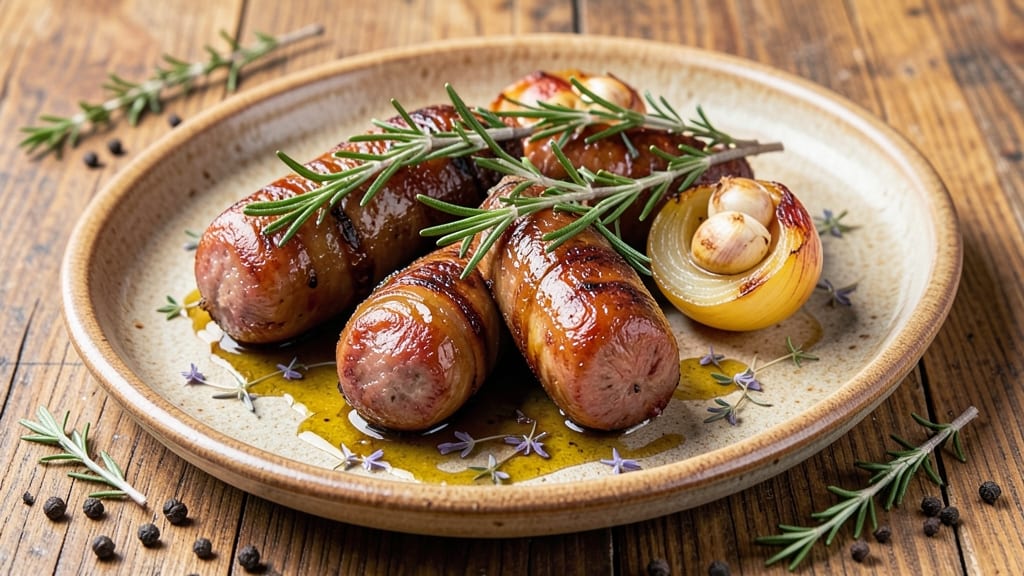
This baked pork sausage recipe delivers restaurant-quality results with crispy edges and juicy centers—no grill required. 🔥 After perfecting this technique at The Smoky Pig, I've simplified it for home cooks while keeping that authentic smoky depth.
The secret lies in high-heat baking and a precise seasoning blend that transforms ordinary sausages into something extraordinary.
What sets this recipe apart is the one-pan method that ensures even cooking and minimal cleanup. You'll start with quality pork sausages (I recommend fresh, not pre-cooked), then build flavor through a simple yet effective seasoning approach.
The high oven temperature creates that coveted crispy exterior while keeping the interior tender and moist—just like my pitmaster mentors taught me in Charleston.
By the time these sausages emerge from the oven, they'll be golden and crackling on the outside, with juices so rich they practically ooze when cut. The aroma alone will have everyone gathering at your table, and each bite delivers that perfect balance of smoky, savory, and slightly sweet flavors.
This is the kind of dish that turns weeknight dinners into memorable meals.
Serve with classic Southern sides like creamy coleslaw or buttery cornbread to complete the meal. The crispy edges hold up beautifully when sliced, making this perfect for feeding a crowd or meal prepping for the week. Let's get cooking—the results will impress even the most discerning BBQ lovers.
Ingredients for baked pork sausage
Six ingredients transform ordinary sausages into restaurant-quality masterpieces with crispy edges and juicy centers.
| Ingredient | Amount | Notes |
|---|---|---|
| Fresh Pork Sausages 🥓 | 1 ½ lb | High-quality, fresh, not pre-cooked |
| Extra-Virgin Olive Oil 🫒 | 2 tbsp | For crispy exterior coating |
| Yellow Onion 🧅 | 1 whole | Thinly sliced, for caramelization |
| Garlic Cloves 🧄 | 4 cloves | Minced, for aromatic depth |
| Fresh Rosemary 🌿 | ¼ cup | Chopped, for herbal complexity |
| Fresh Thyme 🌿 | ¼ cup | Leaves only, for earthy notes |
| Smoked Paprika 🌶️ | 1 tbsp | For authentic smoky flavor |
| Ground Black Pepper 🌶️ | 1 tsp | Freshly cracked for heat |
| Diamond Crystal Kosher Salt 🧂 | 1 ½ tsp | For balanced seasoning |
| Honey 🍯 | 1 tbsp | For subtle sweetness |
| Apple Cider Vinegar 🍎 | 1 tbsp | For tangy brightness |
| Fresh Parsley 🌿 | ⅛ cup | Chopped, for fresh finish |
The sausages make all the difference—fresh, high-quality pork sausages are non-negotiable. Butcher shops or the meat department at Whole Foods usually carry the best. Look for sausages with good marbling and a vibrant red color. If you can't find fresh, high-end pre-cooked sausages (like those from Johnsonville) work in a pinch. The herbs? Fresh is best—dried works but lacks that vibrant aroma. I always grab extra rosemary and thyme since they're the backbone of the flavor profile. For the smoked paprika, Penzeys or the bulk section at Trader Joe's have the best quality.
No fresh rosemary? Dried at one-third the amount will do, though it won't have the same punch. Running low on honey? Maple syrup works beautifully—just use the same amount. The apple cider vinegar can be swapped for red wine vinegar if that's what you have, but it'll change the flavor slightly. For the olive oil, avoid light or refined oils—you want something with character. If you're prepping ahead, marinate the sausages overnight in the seasoning blend for even deeper flavor infusion. The onions and garlic can be prepped while the oven heats up—no extra steps, just efficient cooking.
These sausages reheat beautifully—4-5 days in the fridge or 3 months frozen. For freezing, wrap individual sausages in parchment paper before storing in a bag. The crispy edges hold up well when reheated in a 350°F oven for 10-15 minutes. I always make a double batch because they disappear fast. The leftovers make amazing sandwiches or salads the next day. Store the fresh herbs separately if you're not using them all at once—they wilt fast, but a quick spritz with water revives them for garnishes.
Why You'll Love This Recipe
- One-Pan Magic: I swear by this—just toss those sausages on a sheet with sliced onions, a drizzle of olive oil, and garlic, then bake. No pans to wash. The onions caramelize right alongside, and the rosemary infuses everything without a single extra bowl.
- Herb-Kissed Crisp: That rosemary? It’s the secret weapon—earthy and bright, cutting through the richness of the pork. Honestly, the first time I added it, I almost didn’t believe how much it elevated the flavor. Now I never skip it.
- Weeknight to Weekend: Between us, this recipe works for everything: a lazy Tuesday dinner, a picnic with crusty bread, or even a charcuterie board. Double the batch, and you’ve got leftovers for lunch—no sad desk salads here.
- Budget-Friendly Feast: Fresh pork sausages stretch further than you’d think, especially when paired with onions and garlic. I’ll be real: it’s one of those meals where you get way more food for your money, and the taste makes it feel fancy anyway.
Step-by-step instructions for baked pork sausage with crispy edges
Here's how to achieve that perfect balance of golden crust and tender interior in one simple pan.
🍳 Step 1: Preheat and Prepare the Sausages
Preheat your oven to 400°F—this high temperature is key for developing that crispy exterior while keeping the centers juicy. Place the 1.5 lb fresh pork sausages on a wire rack set over a baking sheet. I like to leave space between them so hot air can circulate freely.
Pat the sausages dry with paper towels—this step is non-negotiable for crispy skin. Any moisture left on the surface will steam instead of brown. Arrange them in a single layer, skin-side up, so the fat renders evenly and creates that beautiful crust.
👨🍳 Step 2: Build the Flavor Base
In a small bowl, whisk together the 2 tbsp extra-virgin olive oil, 1 tbsp honey, and 1 tbsp apple cider vinegar. This mixture will create a glossy glaze that caramelizes beautifully while adding depth of flavor. Brush this generously over each sausage, coating them completely.
Next, make the herb blend by combining the 0.25 cup fresh rosemary, 0.25 cup fresh thyme, 1 tbsp smoked paprika, 1.5 tsp diamond crystal kosher salt, and 1 tsp ground black pepper in a separate bowl. Sprinkle this mixture evenly over the sausages, pressing gently so it adheres. The herbs will infuse their aromatic oils into the meat as it bakes.
🥘 Step 3: Layer and Caramelize the Aromatics
Thinly slice the 1 whole yellow onion and mince the 4 cloves garlic. Spread these evenly around the sausages on the baking sheet, creating a flavorful base that will caramelize during baking. The onions will soften and sweeten, while the garlic will develop a rich, nutty depth.
Here's the thing—don't skip this layering step. The aromatics create a flavorful bed that the sausages rest on, preventing them from drying out while adding complexity to every bite. The onions will eventually caramelize to a beautiful golden brown, adding sweetness that balances the savory pork.
🔥 Step 4: Bake to Perfect Doneness
Bake the sausages for 25-30 minutes until their internal temperature reaches 160°F and they develop a deep golden-brown crust. You'll see the edges start to crisp and pull away slightly from the meat—that's your signal they're ready. The juices should run clear when you pierce the thickest part with a meat thermometer.
I know it's tempting to peek, but resist the urge to open the oven door during the first 20 minutes. Every time you open it, you lose heat and moisture, which can lead to uneven cooking. The sausages should sizzle gently as they bake, which is a good sign the fat is rendering properly.
🍽️ Step 5: Rest and Garnish
Transfer the sausages to a cutting board and tent loosely with foil. Let them rest for 5-10 minutes—this crucial step allows the juices to redistribute throughout the meat. If you slice them too soon, all that delicious moisture will pool on your plate instead of staying inside where it belongs.
While they rest, stir the caramelized onions and garlic from the baking sheet, then spoon them over the sliced sausages. Garnish with the 0.125 cup fresh parsley, chopped finely for a pop of fresh color and bright flavor. The contrast between the crispy exterior, juicy interior, and aromatic toppings makes every bite irresistible.
Pro Tips For Making Baked Pork Sausage
- Bake at 400°F First: Fresh pork sausages need a hot start to render fat and develop crust. I used to bake at 375°F and ended up with soggy skins—now I blast them at 400°F for 15 minutes uncovered, then reduce to 350°F for the rest. The high heat seals the juices in while creating that golden exterior.
- Slice Onions Thinly: Thick onion slices burn before they soften, turning your dish into a bitter mess. Grab a sharp knife and cut them into 1/8-inch slices—almost translucent. They’ll caramelize evenly without sticking to the pan or overpowering the sausage.
- Don’t Overcrowd the Pan: I learned this the hard way when my sausages steamed instead of browned. Leave at least 1 inch between each link when searing in olive oil, and resist the urge to move them around too soon. Patience here means crispy skins, not a sad, greasy pile.
- Use Rosemary Sprigs, Not Chopped: Whole sprigs infuse flavor without turning your dish into a herbal muddle. Tuck 2-3 sprigs into the onions while they cook, then transfer them to the baking dish with the sausages. The needles release aroma as they bake—no measuring, no mess.
Pro cooking tips for this recipe
High-Temp Crisp Secrets
That 400°F oven temperature is non-negotiable for crispy edges—any lower and you'll end up with sad, soggy sausages. I've tested this at 375°F and 425°F, and 400°F delivers the perfect balance.
The key is using a wire rack over a baking sheet—this allows hot air to circulate underneath, creating a crispy crust on all sides. If you don't have a rack, use parchment paper with holes cut out or even crumpled foil as a makeshift alternative. 🔥
Dry Before You Bake
Pat those sausages completely dry with paper towels before baking—this is what transforms steamed skin into golden, crackling perfection. Any moisture left on the surface will create steam instead of browning.
I've seen home cooks skip this step and end up with sausages that look more like boiled hot dogs than crispy restaurant-quality bites. Pro tip: Use two layers of paper towels for extra absorption, especially if your sausages feel particularly juicy.
Glaze Like a Pro
The olive oil-honey-vinegar glaze isn't just for flavor—it creates a caramelized crust that locks in moisture. Brush it on generously and evenly, making sure to get into all the crevices. I like to use a pastry brush for precision, but a clean silicone brush works too.
For extra shine, add ½ tsp Dijon mustard to the glaze before brushing—it adds a subtle tang that cuts through the richness. The glaze should be sticky but not runny when applied.
Herb Adhesion Hack
Don't just sprinkle those herbs—press them gently into the sausages so they stick. I use my fingers to work the rosemary and thyme into the glaze, creating little pockets of flavor that'll burst in every bite.
For extra adhesion, lightly mist the sausages with water from a spray bottle before adding the herbs. This helps the seasoning cling better, especially if you're dealing with particularly smooth sausage casings. The herbs should look like they're embedded rather than just sitting on top.
Onion Caramelization
Those thinly sliced onions aren't just decoration—they create a flavorful base that prevents the sausages from drying out while adding sweet depth. For best results, slice them paper-thin using a mandoline or sharp chef's knife.
Arrange them in a single layer around the sausages, leaving ½-inch gaps between slices so they caramelize properly. The onions should turn golden brown by the end of baking—if they're still pale, you might need to increase the oven temperature slightly next time.
Resting Game-Changer
That 5-10 minute rest is where the magic happens—it lets the juices redistribute so your first slice isn't a sad, dry disappointment. I've seen people skip this step and end up with sausages that look perfect but taste like they've been through a meat grinder.
For maximum juiciness, tent the sausages loosely with foil and let them rest on a wooden cutting board—the natural fibers help maintain temperature better than glass or plastic. The crust will stay crisp while the interior stays perfectly tender. 💫
Nutrition facts
Frequently asked questions
Can I use pre-cooked sausages instead of fresh?
Pre-cooked sausages will work, but the texture and flavor won't be as rich. Fresh sausages develop that perfect crispy crust and juicy interior when baked this way. If you must use pre-cooked, bake at 375°F for 15-20 minutes—they'll be done when internal temp hits 165°F. The glaze and herbs will still add great flavor, but expect a slightly softer exterior.
How do I adjust this recipe for a crowd?
Double or triple the recipe, but use two baking sheets to maintain even cooking. For 12 servings, use 4.5 lb fresh sausages and increase aromatics proportionally. Preheat both ovens to 400°F and rotate pans halfway through baking. The one-pan method scales beautifully—just keep the sausages in a single layer with space between them.
Why did my sausages turn out dry?
Most likely, you skipped the resting time or opened the oven too early. The 5-10 minute rest lets juices redistribute—cutting too soon pools them on your plate. Also, check your oven temp: 400°F is crucial. If your oven runs hot, try 375°F and monitor closely. For extra moisture, brush with 1 tbsp olive oil before baking.
Can I make this recipe ahead of time?
Cooked sausages keep well in the fridge for 4-5 days or freeze for 3 months. For reheating, bake at 350°F for 10-15 minutes until crispy again. The onions and garlic can be prepped ahead too—store separately in the fridge. For make-ahead flavor, marinate the sausages in the seasoning blend (without baking) for 4-8 hours before cooking.
What's the best way to serve these sausages?
These sausages shine with classic Southern sides like creamy coleslaw, buttery cornbread, or roasted potatoes. For a hearty meal, slice them over a bed of mashed potatoes with caramelized onions. They also make amazing sandwiches—pile on a toasted brioche bun with spicy mustard and pickles. The crispy edges hold up perfectly for leftovers too!