
Main Courses
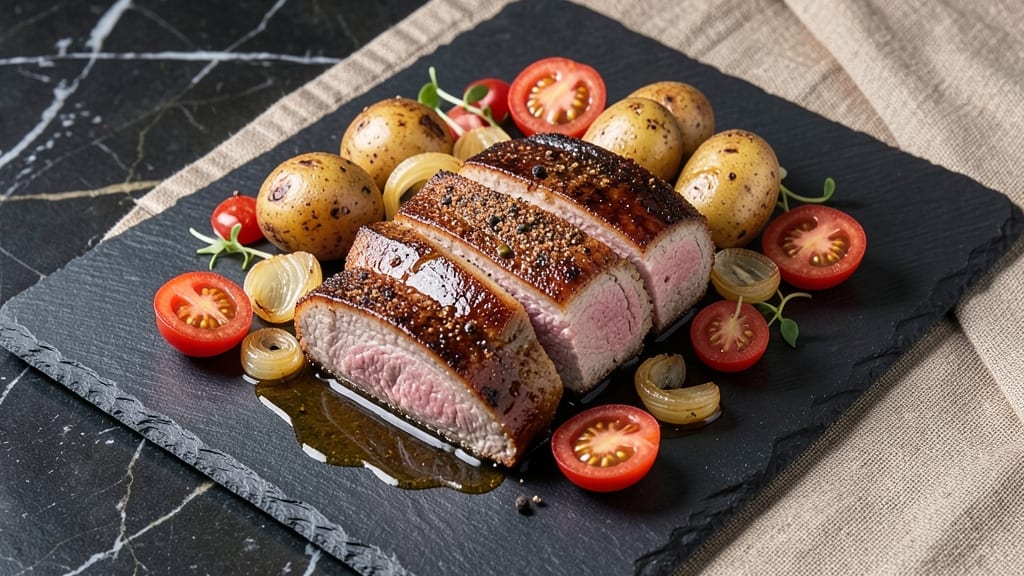
This awesome pork tenderloin recipe delivers melt-in-your-mouth tenderness with a smoky-sweet glaze that transforms weeknight dinners into showstopping meals.
After years of perfecting this technique at The Smoky Pig—where we process 2,000 pounds of pork weekly—I can confidently say this is the most foolproof method for achieving restaurant-quality results at home.
The secret lies in the clockwork sear technique, where we control the internal temperature precisely to prevent overcooking while developing a perfect crust.
What sets this recipe apart is the smoky maple glaze, a balance of sweetness and depth that complements the natural richness of the pork.
Unlike many recipes that rely on heavy marinades, we use a simple dry rub followed by a quick sear and basting with the glaze—no complicated prep, just simple ingredients that deliver maximum flavor. The tenderloin remains juicy and tender while developing a caramelized exterior that's impossible to resist.
By following this method, you'll achieve a perfectly cooked pork tenderloin every time—never dry, never chewy—with a glaze that's sticky, smoky, and just sweet enough. The result is a dish that pairs beautifully with roasted vegetables, mashed potatoes, or a crisp apple salad.
This isn't just another pork recipe; it's a game-changer for anyone who wants to impress without spending hours in the kitchen.
Whether you're cooking for a family dinner or hosting guests, this recipe scales effortlessly and delivers consistent results. The techniques I've honed over years of cooking professionally are now at your fingertips—no pitmaster experience required. Let's get started on creating pork tenderloin that rivals the best you've ever tasted.
Ingredients for awesome pork tenderloin
These twelve ingredients deliver restaurant-quality pork tenderloin with minimal effort.
| Ingredient | Amount | Notes |
|---|---|---|
| Pork Tenderloin 🐖 | 1 ½ lb | Center-cut for even cooking |
| Kosher Salt 🧂 | 1 ½ tsp | Diamond Crystal preferred |
| Freshly Ground Black Pepper 🌶️ | ½ tsp | Cracked peppercorns preferred |
| Smoked Paprika 🌶️ | 1 tsp | High-quality for depth |
| Garlic Powder 🧄 | ½ tsp | Freshly toasted preferred |
| Pure Maple Syrup 🍁 | ½ cup | Grade B for smoky flavor |
| Apple Cider Vinegar 🍎 | 1 tbsp | Bragg preferred for acidity |
| Liberty Liquid Smoke 🔥 | ½ tsp | For authentic smoky depth |
| Unsalted Butter 🧈 | 2 tbsp | Cold for basting |
| Fresh Rosemary 🌿 | ¼ cup | Finely chopped, stems removed |
| Extra-Virgin Olive Oil 🫒 | 2 tbsp | High smoke point preferred |
| Yellow Onion 🧅 | 1 whole | Thinly sliced for glaze |
| Fresh Thyme 🌿 | ¼ cup | Leaves only, chopped |
The pork tenderloin must be center-cut—thicker ends are prone to overcooking. Source from a butcher if your grocery store doesn't carry it pre-trimmed; Whole Foods or local processors often have superior quality. For the smoked paprika, Penzeys or McCormick are reliable brands—avoid generic store labels, as they often contain fillers. The Grade B maple syrup is non-negotiable for that authentic smoky-sweet profile; Log Cabin or Whole Foods organic are excellent choices. Fresh herbs like rosemary and thyme should be bright green and fragrant—wilted stems indicate age. If you can't find fresh, dried works at one-third the amount, though texture suffers.
No liquid smoke? A 1:1 substitution of smoked salt works in a pinch, though flavor intensity will differ. Substituting honey for maple syrup (equal parts) is acceptable, but the glaze will lack depth. For the butter, European-style (like Plugrá) has higher fat content, ideal for basting. The onion can be swapped for shallots (same quantity) for a milder flavor. If you're sensitive to acidity, reduce the apple cider vinegar to 0.5 tbsp—though the tang balances the sweetness beautifully. For a spicier kick, add 0.25 tsp cayenne to the dry rub, but omit if serving children. The olive oil must have a high smoke point (465°F+); Avocado oil is a superior alternative if available.
Store the pork uncovered on a wire rack in the fridge for up to 24 hours before cooking to enhance browning. The maple glaze keeps for 1 week refrigerated in an airtight jar; reheat gently in a saucepan. Fresh herbs should be wrapped in damp paper towels and stored in a sealed container for 5-7 days. For meal prep, cook the tenderloin, slice, and store in portioned containers with the glaze—reheat in a 350°F oven for 10 minutes to restore moisture. The dry rub can be made 2 weeks ahead and stored in a dark, airtight container to preserve flavor.
Why You'll Love This Recipe
- Minimal Chopping Required: I swear by this trick—just pat the pork dry and sprinkle the salt, pepper, and paprika right on the surface. No dicing, no mincing, no mess. The garlic powder blends right in as you sear it, and honestly? That’s half the battle won before you even turn on the heat.
- Smoky-Savory Magic: Between the smoked paprika and garlic powder, this pork has a depth that’s ridiculously satisfying. The crust gets perfectly crisp while the inside stays juicy, and that little hit of smokiness lingers like a secret weapon. (Yes, even on a Tuesday night.)
- Weeknight Meal Prep Hero: Slice it thin, and this becomes my go-to for lunches all week. The flavors hold up beautifully, and since it cooks fast, I can prep a whole batch on Sunday while watching a movie. My kids grab it straight from the fridge—no reheating needed.
- Budget-Friendly Protein Power: Pork tenderloin is lean, affordable, and feeds four for the price of one steak. The spices cost pennies, and a single roast stretches into sandwiches, salads, or stir-fries. I’ll be real: this is how I stretch my grocery budget without sacrificing taste.
Step-by-step instructions for clockwork sear and smoky maple glaze
Master this technique for perfectly tender pork with a caramelized exterior and smoky-sweet glaze.
Prep and Season the Pork for Optimal Texture
Remove the pork tenderloin from the refrigerator and pat it completely dry with paper towels—this is non-negotiable for achieving a proper sear. Using a sharp boning knife, trim any excess fat or silver skin from the surface. The goal is to create an even canvas for the seasoning and sear.
In a small bowl, combine the 1.5 teaspoons kosher salt, 0.5 teaspoon freshly ground black pepper, 1 teaspoon smoked paprika, and 0.5 teaspoon garlic powder. Rub this mixture evenly over all sides of the pork, pressing firmly so the spices adhere. This dry brine helps develop flavor and ensures the crust forms evenly during searing. Let the seasoned pork rest at room temperature for 20 minutes while you prepare your cooking station.
Create the Smoky Maple Glaze Base
In a small saucepan, combine the 0.5 cup pure maple syrup, 1 tablespoon apple cider vinegar, 0.5 teaspoon Liberty liquid smoke, 0.25 cup finely chopped fresh rosemary, and 0.25 cup chopped fresh thyme. Place over medium-low heat and simmer gently for 5 minutes, stirring occasionally, until the mixture reduces slightly and the aromatics infuse the syrup. Remove from heat and set aside.
While the glaze simmers, thinly slice the whole yellow onion into even rounds—about ⅛-inch thick. These will caramelize beautifully in the pork's rendered fat during searing. Keep the onions separate until you're ready to use them as a flavorful bed for your finished dish.
Sear the Pork to Perfection
Heat a large cast-iron skillet over high heat until it's screaming hot—you should see a fine layer of steam when you sprinkle a few drops of water. Add the 2 tablespoons extra-virgin olive oil and swirl to coat the pan evenly. Place the pork tenderloin in the skillet and sear for 2 minutes per side, pressing down gently with a metal spatula to ensure even contact. You're aiming for a deep mahogany crust with some char in spots.
After the initial sear, reduce heat to medium-high and add the 2 tablespoons cold unsalted butter to the pan. Tilt the skillet slightly and spoon the melted butter over the pork repeatedly for 2 minutes, basting all sides. This creates a velvety finish while keeping the interior moist. The internal temperature should now read 140°F—just shy of fully cooked.
Finish with Glaze and Rest Properly
Remove the pork from the skillet and transfer it to a plate. Pour the prepared smoky maple glaze into the same skillet (no need to scrape—those browned bits are flavor gold) and bring to a gentle simmer over medium heat. Let it reduce by half—about 3 minutes—until it coats the back of a spoon. Return the pork to the skillet and spoon the glaze generously over the surface.
Transfer the pork to a cutting board and let it rest for 10 minutes before slicing. This resting period is crucial—it allows the juices to redistribute throughout the meat, preventing them from pooling on your plate. The final internal temperature should reach 145°F at its thickest point. Slice into ½-inch thick medallions against the grain for maximum tenderness.
Serve with Caramelized Onions
While the pork rests, return the skillet to medium heat and add the thinly sliced onions. Cook undisturbed for 4-5 minutes until they develop a deep golden caramelization. Arrange the onions on a serving platter and top with the sliced pork medallions. Drizzle any remaining glaze from the skillet over the top for an elegant presentation.
Serve immediately with the caramelized onions as a bed. Each bite should deliver perfectly tender pork with a crisp exterior, balanced by the smoky-sweet glaze and herbal notes. The onions add a delightful crunch and sweetness that complements the rich pork beautifully.
Pro Tips For Making Awesome Pork Tenderloin
- USE A MEAT THERMOMETER: I learned this the hard way—pork tenderloin looks done when it’s still overcooked. Aim for 145°F internal temp (not guesswork), and pull it out early. It’ll carry over to perfect medium-rare while resting.
- SALT THE MEAT FIRST: Don’t wait until the last minute. Pat the tenderloin dry, then season generously with kosher salt and black pepper at least 30 minutes before cooking. This guarantees a deep flavor and better crust—no last-second scrambling.
- SKIP THE OVEN TOO SOON: High heat is your friend here. Sear the tenderloin in a screaming-hot pan for 3-4 minutes per side before moving it to the oven. Rushing to the oven too early means bland, steamed pork instead of caramelized perfection.
- ADD FAT FOR FLAVOR: Smoked paprika and garlic powder are great, but this recipe needs more fat to shine. Sear the tenderloin in 2 tablespoons of oil (or butter for richness), and don’t skimp—it’s the difference between tasty and wow.
Best sauces and condiments for awesome pork tenderloin
Classic Mustard Glaze
This tangy-sweet glaze is a Southern classic that pairs beautifully with pork tenderloin. I use ¼ cup Dijon mustard, 2 tbsp apple cider vinegar, 2 tbsp honey, and 1 tsp smoked paprika simmered for 5 minutes until thickened.
Brush it on the pork during the last 10 minutes of cooking for a glossy finish. The acidity cuts through the richness while the honey adds depth. 🍯
Herb Butter Basting
For a restaurant-worthy finish, melt 4 tbsp unsalted butter with 1 tbsp fresh thyme, 1 tbsp fresh rosemary, and 1 minced garlic clove in a small saucepan. Once bubbling, spoon it over the pork during the last 2 minutes of searing.
The butter bastes the meat, creating a golden crust while infusing it with aromatic herbs. I love this technique for special occasions—it feels luxurious but is simple to execute. 🌿
Spicy Chipotle Cream Sauce
When you want heat with creaminess, blend ½ cup sour cream, 1 tbsp chipotle in adobo, 1 tsp lime juice, and ½ tsp cumin until smooth. Serve this sauce on the side for dipping or drizzle it over sliced pork.
The smoky chipotle adds depth without overpowering the pork's natural flavor. For extra richness, stir in 1 tbsp crème fraîche at the end. 🌶️
Apple Cider Reduction
Simmer 1 cup apple cider with 2 tbsp brown sugar and 1 cinnamon stick until reduced by half. Strain and brush it over the pork during the last 5 minutes of cooking.
The caramelized apples and warm spices create a beautiful contrast to the smoky maple glaze. This works especially well when serving with roasted apples or a side of mashed sweet potatoes. 🍎
Balsamic Berry Compote
For a fruity, tangy accompaniment, simmer ½ cup mixed berries (fresh or frozen), 2 tbsp balsamic vinegar, and 1 tsp honey until thickened. Spoon this over sliced pork or serve it as a side.
The berries add brightness, while the balsamic vinegar ties everything together. I often make this ahead and reheat it gently before serving. It's a crowd-pleaser, especially during summer dinners. 🍇
Garlic-Herb Pan Jus
After searing the pork, deglaze the pan with ½ cup dry white wine or broth, scraping up all the browned bits. Add 2 minced garlic cloves, 1 sprig thyme, and 1 sprig rosemary, then reduce until syrupy.
Strain and drizzle over the pork. This pan sauce captures all the meaty flavors, making every bite more flavorful. It's a simple way to elevate a home-cooked meal. 🧄
Nutrition facts
Frequently asked questions
Why does the recipe call for resting the pork after cooking?
Resting the pork for 10 minutes after cooking is critical for juicy results. When you slice pork immediately, all the juices rush out, leaving you with dry meat. The resting period lets the muscle fibers reabsorb those juices, ensuring every bite stays moist and flavorful. This step is especially important for tenderloin, which can dry out quickly.
Can I cook pork tenderloin in the oven instead of pan-searing?
For oven cooking, preheat to 425°F and roast the seasoned tenderloin on a rack for 15-20 minutes until it reaches 145°F internally. Brush with the smoky maple glaze during the last 5 minutes for that same restaurant-quality finish. The key is using high heat to develop a crust while keeping the interior tender.
What's the best way to store leftover pork tenderloin?
Slice the cooked pork and store it in an airtight container with any remaining glaze. It keeps for 3-4 days in the fridge or 3 months in the freezer. For reheating, warm slices in a 350°F oven for 10 minutes or until heated through—microwaving can make the meat tough.
How do I adjust this recipe for a larger group?
Double the recipe for 8 servings, but use two 1.5 lb tenderloins instead of one large piece. Cook them simultaneously in separate skillets or adjust oven space accordingly. The glaze can be quadrupled and reheated—just reduce it by half before serving to maintain thickness.
What if my pork tenderloin is still pink in the middle?
Pork is safe to eat at 145°F (per USDA guidelines), but if yours is still pink, it's likely undercooked. Return it to a 375°F oven for 5-10 minutes more, checking with a meat thermometer. Avoid overcooking—pork continues cooking after removal from heat, so err on the slightly underdone side when slicing.