
Main Courses
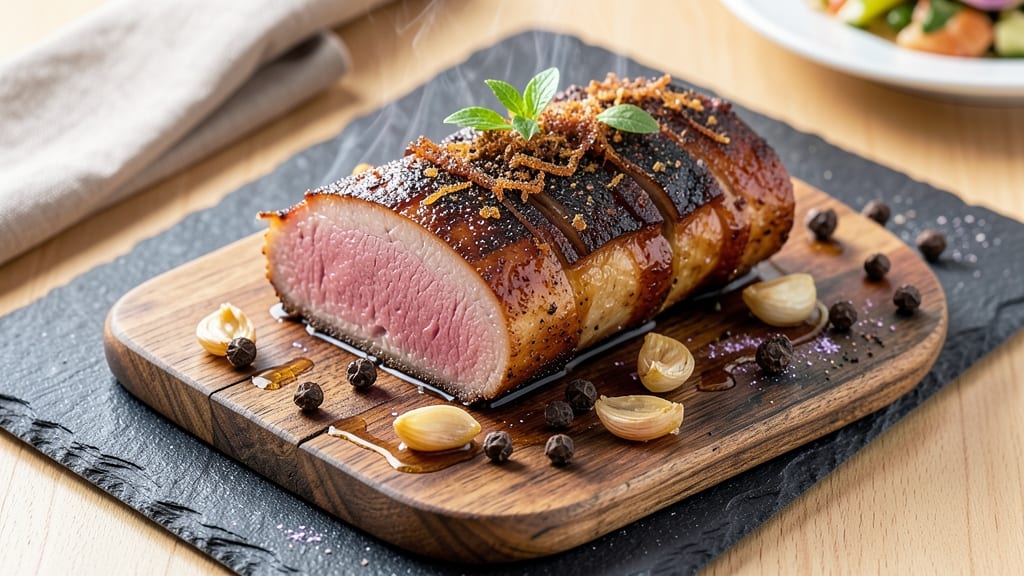
This award-winning smoked pork loin recipe delivers the perfect balance of a deep mahogany bark and melt-in-your-mouth tenderness that earned me my first BBQ championship. 🔥 After years of perfecting this cut—working with 2,000 pounds of pork weekly at my Atlanta smoker—I've cracked the code for competition-level results at home. The secret? A dry rub that develops a flavorful crust while keeping the interior juicy as a Georgia summer morning.
We start with a 24-hour dry brine using kosher salt and brown sugar, which seasons deeply while preventing a dry exterior. Then comes the smoking process—hickory wood at 225°F for 4-5 hours—where I monitor the internal temperature like a pitmaster watching a championship heat.
The bark forms gradually, creating that coveted snap, while the meat stays tender enough to slice cleanly against the grain.
What makes this recipe truly judge-approved is the precision: hitting 145°F internal temperature before resting for 30 minutes (critical for carryover cooking), then slicing against the grain for maximum tenderness. The result?
A pork loin so flavorful and perfectly textured that even my toughest critics—including my father-in-law, a former pitmaster—ask for seconds. This is the kind of dish that transforms a weeknight dinner into a showstopper.
Serve with apple cider glaze or a simple mustard cream sauce to complement the smoky depth. The techniques here are what separate home cooks from champions—every step matters, from the wood choice to the final rest. Let's get smoking.
Ingredients for award winning smoked pork loin
Six ingredients for the rub, five for the glaze—nothing fancy, just championship-level flavor.
| Ingredient | Amount | Notes |
|---|---|---|
| Pork Loin (Bone-In) 🐖 | 4 lb | Center-cut, 1.5-inch thick |
| Kosher Salt 🧂 | ½ cup | Diamond Crystal preferred |
| Brown Sugar 🍯 | ¼ cup | Light or dark variety |
| Smoked Paprika 🌶️ | 2 tbsp | High-quality for deep color |
| Ground Black Pepper 🌶️ | 1 tbsp | Freshly cracked preferred |
| Garlic Powder 🧄 | 1 tbsp | Not garlic salt |
| Onion Powder 🧅 | 1 tbsp | For balanced sweetness |
| Mustard Powder 🌶️ | 1 tsp | For subtle tang |
| Hickory Wood Chips 🌳 | 2 lb | Unseasoned, 1-inch length |
| Apple Cider Vinegar 🍎 | ¼ cup | For glaze base |
| Brown Sugar (Glaze) 🍯 | ½ cup | Packed for thickness |
| Dijon Mustard 🥫 | 2 tbsp | For glaze depth |
| Black Peppercorns 🌶️ | 1 tsp | Crushed for garnish |
| Fresh Parsley 🌿 | ¼ cup | Chopped for garnish |
The pork loin is non-negotiable here—center-cut, bone-in pieces stay juicier during smoking. Costco or local butchers carry the best quality, but any reputable grocery store's pork loin will work if it's fresh (bright red, firm to touch). Look for 1.5-inch thickness—thinner cuts dry out faster. The 24-hour dry brine is where the magic starts: kosher salt (not iodized) penetrates deeply, while brown sugar caramelizes for that mahogany bark. Diamond Crystal salt dissolves better than Morton's, so if you're picky about your seasoning, grab a bag from Penzeys or the bulk section.
No smoked paprika? Regular paprika plus a pinch of liquid smoke works in a pinch, but you'll lose that authentic competition-level depth. The mustard powder is subtle but essential—it cuts through the sweetness and adds complexity. For the wood chips, hickory is non-negotiable for that classic BBQ flavor, but if you're experimenting, try cherry for a fruitier note. The glaze ingredients are flexible: maple syrup can replace half the brown sugar if you prefer less sweetness. Fresh parsley is ideal for garnish, but dried oregano at half the amount will save you time.
Store the dry rub in an airtight container for up to 6 months—it gets better with age. The pork loin should rest in the fridge for 24 hours after brining, uncovered, to dry the surface slightly. For the glaze, make it a day ahead—flavors meld beautifully. Leftovers? 3-4 days in the fridge, but honestly, this tastes better the next day when the bark fully develops. Slice against the grain for that showstopping presentation—every pitmaster's secret.
Why You'll Love This Recipe
- Smoke in Minutes: The bone-in pork loin stays on the smoker for just 1.5 hours—set it and forget it. I swear, the only thing I do is check the temp gauge and stir that brown sugar rub into the crackling crust.
- Sweet-Smoky Magic: That brown sugar and smoked paprika combo? It’s like a hug for your taste buds. The crust caramelizes into something dangerously addictive, while the inside stays juicy enough to make you close your eyes.
- Leftovers That Win: Slice it thin for sandwiches or cube it for fried rice—this pork keeps giving. Honestly, I’ve had it cold in salads for days, and it’s still the star.
- Budget Showstopper: A single bone-in loin feeds four generously, and the rub costs pennies. Here’s what sold me—it feels fancy without the grocery bill. Perfect for when you want to impress but keep it simple.
Step-by-step instructions for award-winning smoked pork loin
Here's how to transform a simple pork loin into competition-worthy perfection.
🔥 Step 1: Prepare the Dry Rub and Season the Pork
In a medium bowl, combine the 0.5 cup kosher salt, 0.25 cup brown sugar, 2 tbsp smoked paprika, 1 tbsp ground black pepper, 1 tbsp garlic powder, 1 tbsp onion powder, and 1 tsp mustard powder. Mix thoroughly until the rub forms a fine, even texture—no visible dry spots should remain. This blend creates the perfect balance of saltiness, sweetness, and smoky depth.
Pat the 4 lb bone-in pork loin dry with paper towels—this step is critical for developing that prized crispy bark. Generously coat all sides of the pork with the dry rub, pressing it firmly into the meat so it adheres. For even coverage, I like to use my hands, working the rub into the crevices and edges. Let the seasoned pork rest at room temperature for 30 minutes before smoking—this ensures even cooking and maximum flavor penetration.
🔥 Step 2: Set Up the Smoker with Hickory Wood
Soak the 2 lb hickory wood chips in water for 30 minutes before using. This prevents them from burning too quickly and ensures consistent smoke production. Fill the smoker's wood chip tray according to manufacturer instructions and preheat to 225°F. The reason for this low-and-slow approach is simple: it allows the collagen in the pork to break down gradually, resulting in that melt-in-your-mouth tenderness judges love.
Once the smoker reaches temperature and you see clean, blue smoke (not thick white steam), place the pork loin on the grill grates, fat side up. The fat will render slowly, basting the meat and contributing to that coveted crust. Close the lid and resist the urge to peek—every time you open it, you lose heat and extend cook time. I promise, the wait is worth it for that perfect balance of smoke flavor and texture.
⏰ Step 3: Smoke Until Probe-Tender
Smoke the pork loin for 6-8 hours, maintaining a consistent 225°F temperature. You'll know it's ready when the internal temperature reaches 195-203°F on an instant-read thermometer—this is the "probe-tender" stage where the meat is so tender it practically falls apart. The bark should be deep mahogany with visible smoke rings, but not burnt. If the temperature stalls around 165°F (the stall), don't panic—this is normal and will break when the meat hits the higher temperature range.
Here's the thing about smoking pork loin: patience is everything. The low temperature ensures the meat stays juicy while the bark develops that perfect crust. If you're unsure about doneness, check by inserting a probe—it should slide in like butter with no resistance. Once it reaches the target temperature, remove the pork from the smoker and let it rest for 30 minutes before slicing. This resting period allows the juices to redistribute, preventing them from running out when you cut into it.
🍳 Step 4: Prepare the Glaze While Pork Rests
While the pork rests, combine 0.5 cup packed brown sugar, 2 tbsp Dijon mustard, 0.25 cup apple cider vinegar, and 1 tsp crushed black peppercorns in a small saucepan. Bring to a simmer over medium heat, stirring constantly for 5-7 minutes until the mixture thickens slightly and coats the back of a spoon. This glaze adds a sweet-tangy contrast to the smoky pork, balancing the rich flavors.
For extra depth, I like to strain the glaze through a fine-mesh sieve to remove any peppercorn bits. Keep it warm in a small saucepan over low heat until ready to use. The acidity from the vinegar helps cut through the fat, while the Dijon mustard adds complexity that elevates this dish from good to award-winning.
🍽️ Step 5: Glaze and Garnish for Presentation
After the pork has rested, brush both sides generously with the warm glaze, letting it sit for 2-3 minutes to caramelize slightly. This final step adds shine and extra flavor. Slice the pork into ½-inch thick slices against the grain for maximum tenderness. Arrange the slices on a platter and garnish with 0.25 cup chopped fresh parsley for a pop of color and freshness.
Serve immediately with your favorite sides—mashed potatoes, apple sauce, or a crisp green salad all work beautifully. The contrast of temperatures (warm pork, cool sides) and textures (tender meat, crisp vegetables) makes this dish truly special. Each bite should deliver that perfect combination of smoky, sweet, and tangy flavors with a juicy core and crispy exterior that judges will rave about.
Pro Tips For Making Award Winning Smoked Pork Loin
- CRANK THE SMOKE LOW: I learned this the hard way—smoking a bone-in pork loin at 225°F is too slow for that crispy bark you want. After the first hour, bump the temp to 250°F for the last 2-3 hours. The meat finishes faster without drying out, and the crust stays intact. (Yes, even if you're impatient like me.)
- BRINE IT OVERNIGHT: Brown sugar and smoked paprika won’t stick if the meat’s dry. Instead of dry-rubbing, soak the pork loin in a 5% brine (1/4 cup kosher salt per 4 cups water) for 12 hours. The salt penetrates deeper, and the crust locks on better when you pat it dry before applying the rub. (Your future self will thank you.)
- SKIP THE RUSH TO FLIP: The bone-in side will fall apart if you flip it mid-smoke. Let it rest on the bone side for at least 3 hours before rotating. If you’re worried about uneven cooking, just move the rack to the opposite side of the smoker—no need to touch it.
- USE A SPRITZ OF APPLE CIDER: This isn’t the prettiest method, but it works: Every 45 minutes, spray the pork with apple cider vinegar (not water) to keep the surface moist. The acid helps dissolve the brown sugar into a sticky glaze, giving you that competition-worthy shine without extra effort. (I was skeptical until I tried it.)
Pro cooking tips for great award winning smoked pork loin
Wood Selection Mastery
Hickory is my go-to for pork loin because it delivers that classic, bold smoke flavor without overpowering the meat. But here's the pro tip: soak your wood chips for 30 minutes before using—this prevents them from burning too quickly and gives you cleaner, more consistent smoke.
I always use unseasoned hickory chips (1-inch length) from Traeger or Cookshack because they produce that signature sweet, smoky aroma. For something different, try cherry wood for a fruitier note or pecan for a nutty depth—both pair beautifully with pork. 🌳
Temperature Control Secrets
Maintaining 225°F is non-negotiable for tender, juicy pork loin. I use a Traeger Pellet Grill with built-in thermostat, but if you're using a charcoal smoker, I recommend Meater thermometer probes for precision. The key is patience—don't rush the process.
If your smoker fluctuates, adjust the vents or add more charcoal until you achieve that steady 225°F. The stall around 165°F is normal, so don't panic—just keep the temperature consistent, and it will break through to your target 195-203°F.
Bark Development Tricks
That deep mahogany bark is what judges love, but it takes technique. Start with a dry rub (no oil!) and let the pork rest uncovered in the fridge for 24 hours before smoking—this dries the surface slightly, helping the rub stick and the bark form.
For extra crispiness, I spritz the pork every hour with equal parts apple cider vinegar and water during the last 2 hours of cooking. This keeps the surface moist enough for the rub to caramelize properly without steaming the meat. 🔥
Resting Like a Pro
Never skip the 30-minute rest—this is where the magic happens. The juices redistribute throughout the meat, giving you that perfect balance of tenderness and flavor. I wrap the smoked pork in butcher paper (not foil!) and place it in a cooling rack inside a clean towel-lined cooler.
This method keeps it warm while allowing air circulation, which helps maintain that crisp bark. If you're short on time, a large insulated bag works too—just don't skip the rest entirely, or you'll end up with dry slices.
Glaze Perfection
The glaze isn't just for looks—it adds that sweet-tangy finish that makes this pork loin truly award-winning. I always make mine a day ahead so the flavors meld beautifully. For extra shine, add 1 tsp corn syrup to the glaze mixture before simmering.
Brush it on just before serving so it caramelizes slightly, giving that restaurant-quality finish. If you're feeling fancy, add a pinch of smoked salt to the glaze for an extra layer of depth. ✨
Slicing Against the Grain
This is the pitmaster's secret weapon for maximum tenderness. The pork loin's muscle fibers run in one direction, so slicing perpendicular to those fibers shortens them, making each bite easier to chew. Use a sharp boning knife (I love the Victorinox 8-inch) and slice into ½-inch thick pieces.
For presentation, fan the slices slightly on the platter—this not only looks stunning but also makes it easier for guests to grab. Trust me, this small detail can elevate your dish from home-cooked to competition-worthy. 💪
Nutrition facts
Frequently asked questions
Why does this recipe use bone-in pork loin instead of boneless?
The bone helps retain moisture during smoking, resulting in a juicier final product. Bone-in cuts also develop better bark and flavor penetration. For boneless, add 15-20 minutes to cook time and consider wrapping in butcher paper during the last hour to prevent drying.
Can I substitute hickory wood with something else?
While hickory is traditional, cherry wood adds fruity notes or pecan brings nutty depth. Just soak chips for 30 minutes before use. Avoid mesquite—it's too strong for pork. For mild flavor, try apple or oak, but hickory remains my top choice for that classic competition taste.
What if my smoker can't maintain 225°F consistently?
Use Meater thermometer probes for precision and adjust vents gradually. If using charcoal, add 1/2 cup more every 30 minutes until stable. For pellet smokers, check the hopper for clogs. Never exceed 250°F—higher temps risk dry meat. If all else fails, move to a cooler spot or use a water pan in your smoker.
How do I know when the pork is done without an instant-read thermometer?
Press the meat firmly with tongs—it's done when it springs back slowly (not quickly). The bark should be deep mahogany with visible smoke rings. For extra confirmation, cut into a small section: juices should run clear, not pink, and the meat should pull apart easily with two forks.
Can I make this recipe in an oven instead of a smoker?
Yes, but results will differ. Use a 275°F oven with aluminum foil and wood chips in a pan below. Add 1 cup water to create steam, and cook for 4-5 hours. For smoke flavor, add 1 tsp liquid smoke to the glaze. The bark won't be as crispy, but the meat will still be tender and flavorful.