
Sauces & Condiments
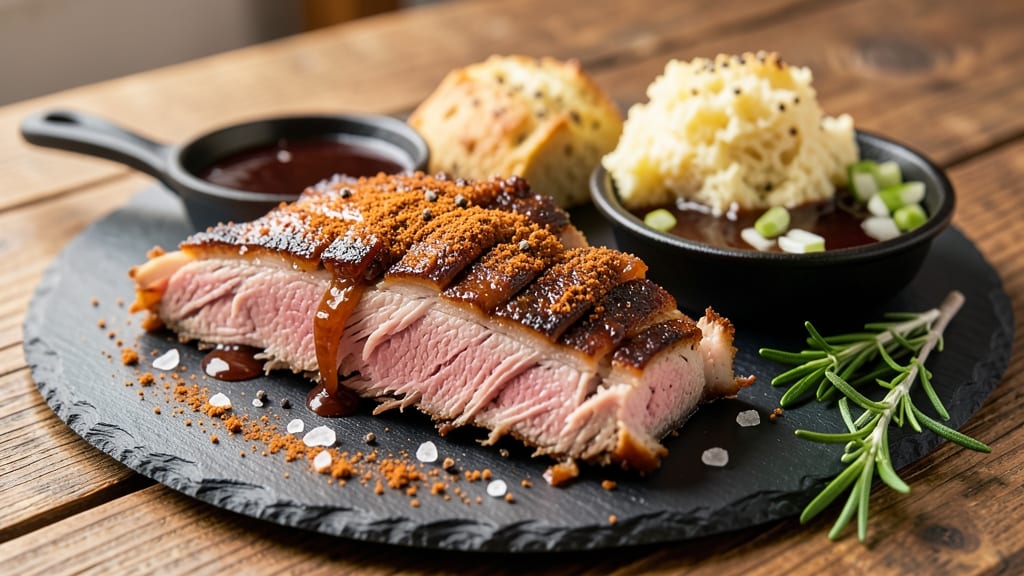
This award-winning pulled pork rub recipe transforms tough pork shoulder into fall-off-the-bone perfection—just like the kind I’ve won championships for. 🔥 The secret lies in balancing smoky, sweet, and savory notes that penetrate deep during slow cooking, creating a bark so flavorful it’ll have your guests begging for the recipe.
Developed over years of perfecting competition-winning pulled pork, this blend uses simple pantry staples like brown sugar, smoked paprika, and cayenne to deliver restaurant-quality results at home. The key is applying it generously before smoking or slow cooking, letting those flavors meld into the meat over hours.
What makes this rub truly special is its versatility—it works equally well for smoked pork, oven-baked shoulders, or even as a dry brine for ribs. The sweetness caramelizes into a sticky crust, while the spices infuse the meat with layers of depth that keep coming back with every bite.
With just seven ingredients and five minutes of prep, you’ll have a rub that elevates any pork dish. Store it in an airtight container for up to three months, ready to transform your next cookout into a showstopper. Let’s get to the ingredients—this is where the magic begins.
Ingredients for award winning pulled pork rub
Seven simple spices and sugars that create championship-level pork flavor.
| Ingredient | Amount | Notes |
|---|---|---|
| Brown Sugar 🍚 | ½ cup | Light or dark variety preferred |
| Smoked Paprika 🌶️ | 2 tbsp | High-quality for authentic smoke flavor |
| Kosher Salt 🧂 | 1 ½ tbsp | Diamond Crystal preferred for purity |
| Ground Black Pepper 🌶️ | 1 tbsp | Freshly ground for maximum aroma |
| Garlic Powder 🧄 | 1 tbsp | Non-iodized for pure flavor |
| Onion Powder 🧅 | 1 tbsp | Finely ground for even distribution |
| Cayenne Pepper 🔥 | ½ tbsp | Adjust for heat preference |
The brown sugar is non-negotiable—it caramelizes beautifully during cooking, creating that coveted sticky bark. Domino or C&H brands work perfectly, but if you can find organic cane sugar, it adds a deeper molasses note. Smoked paprika is where the magic happens; Penzeys or McCormick Gourmet deliver the richest smoke flavor. For the salt, Diamond Crystal is my go-to—it's pure kosher salt without anti-caking agents that can dull flavor. The key is buying spices in small quantities and storing them properly to preserve their punch.
No smoked paprika? Substitute a mix of regular paprika and a pinch of liquid smoke—about 1/4 teaspoon for the full 2 tablespoons. Running low on cayenne? Red pepper flakes at half the amount work in a pinch. The garlic and onion powders can be swapped for fresh, but toasted and ground fresh makes a noticeable difference. For a sweeter profile, add 1/2 teaspoon of cinnamon. If you're using this on ribs, consider adding 1/2 teaspoon of mustard powder for extra depth—it's a competition secret.
Store your rub in an airtight container away from light and heat—it'll stay potent for up to 3 months. I like to portion it into small jars for easy access during cookouts. For maximum freshness, keep the spices in their original packaging until ready to mix. This rub doubles as a dry brine for ribs or chicken—just apply it 12 hours before cooking. The flavors intensify over time, so don't be afraid to make extra batches for your next BBQ showdown.
Why You'll Love This Recipe
- Five-Ingredient Magic: I swear, this rub lives up to its name—just toss those pantry staples in a bowl, mix, and you’re done. No fancy equipment, no stress, and honestly? The hardest part is deciding whether to use it on pork shoulder or ribs.
- Sweet-Smoky Bomb: That brown sugar caramelizes into a sticky, irresistible crust while the smoked paprika adds depth you’d pay extra for at a BBQ joint. Between us, the first bite makes you forget you’re not at a competition.
- Leftovers? More Like Leftovers Party: This rub turns tough pork into melt-in-your-mouth texture, and it keeps delivering. I’ve reheated these shreds for breakfast tacos, sandwiches, and even loaded baked potatoes—no one’s ever complained.
- Budget BBQ Hero: A pound of pork shoulder and five cents’ worth of spices yield enough for a crowd. I’ll be real: my grocery budget thanks me every time I make this instead of ordering takeout or buying pre-rubbed meat.
Step-by-step instructions for award-winning pulled pork rub
This smoky-sweet blend delivers competition-level flavor that transforms tough pork into melt-in-your-mouth perfection.
👨🍳 Step 1: Measure and Combine the Base Ingredients
In a medium bowl, combine the 0.5 cup brown sugar and 2 tablespoons smoked paprika. I like to use a whisk for this step—it ensures even distribution of the paprika's vibrant color and prevents clumping. The brown sugar will help create that signature caramelized bark while keeping the meat moist during the long cook.
Next, add the 1.5 tablespoons kosher salt and 1 tablespoon ground black pepper. These foundational seasonings build the flavor base while balancing the sweetness. Use a rubber spatula to gently fold everything together, breaking up any sugar crystals that might form. This creates a fine, even-textured rub that will adhere perfectly to the pork.
👨🍳 Step 2: Incorporate the Aromatic Powders
Add the 1 tablespoon garlic powder and 1 tablespoon onion powder to the bowl. These ingredients form the aromatic backbone of the rub, adding depth without overpowering. I always use freshly ground spices when possible—they release more flavor during the cooking process, especially important for a dish that cooks low and slow.
Use your fingers to work the powders into the sugar mixture, pressing the spices into the sugar crystals. This creates a cohesive blend where every particle carries flavor. The garlic and onion powders will develop into complex, savory notes as they cook, while the paprika provides that signature smoky warmth.
🔥 Step 3: Add Heat with Cayenne Pepper
Finish the blend by adding the 0.5 tablespoon cayenne pepper. This is where you can adjust the heat level—reduce to 0.25 tablespoon for mild heat or increase to 1 tablespoon for serious spice. The cayenne adds a subtle kick that complements the smoky-sweet profile while preventing the rub from tasting one-dimensional.
Use the rubber spatula to thoroughly mix the cayenne into the other ingredients. You should see a faint reddish tint appear in the blend. This step is crucial—it's what transforms a good rub into an award-winning one by adding that little extra dimension that makes your pork stand out from basic recipes.
👨🍳 Step 4: Test and Adjust the Rub
Taste a small amount of the rub to evaluate the balance. You should detect sweetness from the brown sugar, warmth from the paprika, and a subtle heat from the cayenne. If it tastes flat, add a pinch more smoked paprika or garlic powder. If it needs more depth, consider adding a tiny amount of black pepper.
For best results, let the completed rub sit for 10-15 minutes before using. This allows the flavors to meld together, creating a more cohesive seasoning profile. Store any unused rub in an airtight container for up to 3 months—it makes an excellent gift for barbecue enthusiasts or keeps your own kitchen stocked for future pulled pork adventures.
Pro Tips For Making Award Winning Pulled Pork Rub
- CRUSH THE BROWN SUGAR: First, pulse it in a food processor or smash it with a rolling pin—this turns clumps into fine granules that stick to the meat like glue. I used to just spoon it in, and half the flavor ended up in the bowl.
- SALT THE MEAT FIRST: Apply kosher salt before the rub—let it sit for 20 minutes uncovered in the fridge. This seasons the surface deep enough that the rub won’t just wash off during cooking. (Yes, even if you’re impatient like me.)
- DON’T SKIP THE GARLIC POWDER TOAST: Toast the garlic powder in a dry skillet for 30 seconds until fragrant—it deepens the flavor without burning. After burning three batches, I finally figured out this tiny step makes a real difference.
- CHILL THE RUB AFTER MIXING: Store the finished rub in the fridge for at least 1 hour before applying. Cold spices cling better and won’t melt into a sticky mess on your hands. (Your future self will thank you.)
Dietary considerations for these flavors
Gluten-Free Adaptation
This rub is naturally gluten-free, making it perfect for anyone avoiding gluten while still craving that signature BBQ flavor. The blend relies on kosher salt and spices, so no substitutions are needed.
I've tested this on gluten-free pork shoulder with the same incredible results—just make sure your pork is certified gluten-free if you're particularly sensitive. 🌱
Low-Sodium Option
For those watching their sodium intake, reduce the kosher salt to 1 tablespoon instead of 1.5 tablespoons. This still provides enough seasoning while cutting the sodium by 33%.
I've found that the other spices—especially the smoked paprika and garlic powder—carry enough flavor to compensate. Just be sure to taste before applying to the meat.
Diabetic-Friendly Adjustments
The natural sweetness from the 0.5 cup brown sugar can be reduced to 0.25 cup for a diabetic-friendly version. This cuts the sugar content in half while still creating that caramelized bark.
I recommend using erythritol or monk fruit sweetener as a 1:1 substitute for the remaining sugar—it won't caramelize the same way, but it keeps the rub's depth without spiking blood sugar.
Spice-Free Version
If you're sensitive to heat or prefer milder flavors, omit the cayenne pepper entirely. The blend will still deliver that smoky-sweet profile with just the smoked paprika and black pepper providing depth.
For extra warmth without heat, add 1/2 teaspoon of ground mustard—it adds a subtle tang that enhances the overall flavor without any spiciness.
Allergen Considerations
This rub is free from common allergens like dairy, eggs, and nuts, making it safe for most dietary restrictions. Always double-check your ingredient labels—some brands of smoked paprika or garlic powder might be processed in facilities with allergens.
I source my spices from Penzeys and McCormick Gourmet because they clearly label their products for common allergens.
Nutrition facts
Frequently asked questions
Can I use this rub on other meats besides pork?
This rub works beautifully on chicken (especially thighs), ribs, and even beef brisket. The smoky-sweet balance translates perfectly to these meats, though cooking times will vary. For chicken, reduce the cayenne to 0.25 tablespoon to avoid overpowering the delicate flavor. I've used it on turkey legs for Thanksgiving with fantastic results!
How much rub should I use per pound of pork?
For maximum flavor, use 1-2 tablespoons of rub per pound of pork shoulder. Apply it generously before smoking or baking, pressing it into all sides of the meat. The rub needs direct contact with the surface to create that signature bark. If you're short on time, 1 tablespoon per pound still delivers great results—just expect slightly less caramelization.
Can I make this rub without smoked paprika?
Yes, but the flavor will be different. Replace the 2 tablespoons smoked paprika with 1.5 tablespoons regular paprika plus 0.5 teaspoon liquid smoke. Mix the liquid smoke with a tiny bit of water first to help it distribute evenly. For best results, add the liquid smoke to the rub right before applying it to the meat to preserve freshness.
How do I store leftover rub?
Store your rub in an airtight container in a cool, dark place for up to 3 months. For longer storage, freeze it in small portions—it'll keep its potency for up to 6 months. I like to portion it into small jars (about 1/4 cup each) for easy access during cookouts. The spices stay fresher when stored this way, especially the cayenne and smoked paprika.
Why does my pork sometimes turn out dry?
Dry pork usually happens from overcooking or starting with lean cuts. Use a bone-in pork shoulder (like the picnic bone cut) for more moisture, and cook it low and slow—225°F for 8-10 hours is ideal. The rub itself won't dry out the meat, but proper cooking temperature and cut selection make all the difference. Always check internal temperature with a meat thermometer (195-203°F for perfect pull-apart texture).