
Main Courses
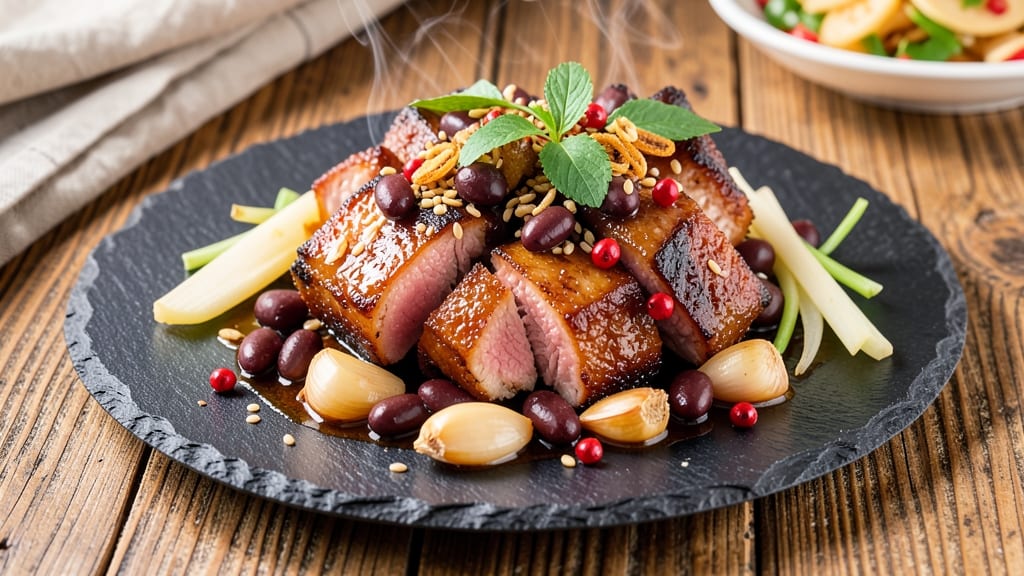
This authentic Szechuan pork recipe delivers the bold, complex flavors that make Sichuan cuisine unforgettable—where fiery chili meets numbing Sichuan peppercorn in perfect harmony. 🔥 After years of perfecting stir-fry techniques in Charleston kitchens, I've cracked the code for achieving that signature crispy texture and deep umami that defines this dish.
The secret lies in layering flavors through marinating and high-heat wok technique, ensuring every bite packs both heat and depth.
What sets this recipe apart is the balance between traditional ingredients like doubanjiang (fermented chili bean paste) and fermented black beans, with the right amount of Sichuan peppercorn for that signature tingling sensation.
Unlike many Westernized versions, this technique preserves the dish's authentic soul while making it achievable at home with simple tools. The pork develops a beautiful mahogany crust while staying tender inside, all while the sauce clings perfectly to each piece.
By the time you serve this dish over steamed jasmine rice, your kitchen will smell like a bustling Chengdu street market. The aroma alone—smoky, spicy, and deeply savory—will have everyone at the table reaching for seconds.
The crispy edges contrast beautifully with the tender pork, while the sauce delivers layers of complexity that keep every bite exciting. This recipe works equally well as a weeknight dinner or special occasion dish. Pair it with pickled vegetables or scallion oil noodles to complete the authentic Sichuan experience.
Let's get cooking!
Ingredients for authentic szechuan pork
Bold flavors and authentic techniques transform simple pork into Sichuan's fiery, umami masterpiece.
| Ingredient | Amount | Notes |
|---|---|---|
| Pork Shoulder 🐖 | 1 ½ lb | Cut into 1-inch cubes, bone-in preferred |
| Doubanjiang 🌶️ | 2 tbsp | Fermented chili bean paste, essential for depth |
| Fermented Black Beans 🫘 | ½ cup | Rinsed, for umami richness |
| Sichuan Peppercorns 🌶️ | 1 tsp | Toasted, for signature tingling sensation |
| Garlic Cloves 🧄 | 6 cloves | Minced, aromatic foundation |
| Fresh Ginger 🧅 | 2 tbsp | Finely grated, fresh for brightness |
| Green Onions 🧅 | 4 whole | White and green parts separated |
| Light Soy Sauce 🥢 | 3 tbsp | Kikkoman preferred for balance |
| Dark Soy Sauce 🥢 | 1 tbsp | For deep color and complexity |
| Shaoxing Wine 🍷 | 2 tbsp | Or dry sherry in a pinch |
| Sugar 🍚 | 1 tbsp | Balances heat and acidity |
| Cornstarch 🌾 | 1 tbsp | For crispy pork edges |
| Vegetable Oil 🫒 | ½ cup | High smoke point for stir-frying |
| Sesame Oil 🫒 | 1 tsp | For finishing aroma |
| Salt 🧂 | ½ tsp | Diamond Crystal preferred |
The pork cut matters—bone-in shoulder delivers that mahogany crust while staying tender. Costco or Asian markets carry pre-cut versions, but a butcher can trim it precisely. Fermented ingredients like doubanjiang and black beans are non-negotiable—Hunan or Sichuan brands at specialty stores bring authentic depth. Sichuan peppercorns? Toast them in a dry pan for 30 seconds to release their aroma—never skip this step. Fresh ginger and garlic should smell vibrant; if they're musty, toss them. For the soy sauces, light soy builds flavor while dark soy provides that signature color.
No doubanjiang? Double the chili paste plus 1 tsp fermented soybean paste (like miso) gets you close. Fermented black beans unavailable? Substitute 2 tbsp salted black beans, but rinse them thoroughly first. The cornstarch is crucial—don't substitute flour—it won't give the same crispy texture. Shaoxing wine hard to find? Dry sherry or even rice wine vinegar work in a bind, though the flavor profile shifts slightly. For the green onions, save the whites for the stir-fry and chop the greens separately for garnish—they add freshness at the end.
Pork cubes keep 2-3 days in the fridge, wrapped tightly. The fermented ingredients? Store them in airtight containers in a cool, dark place—they'll last 6-12 months. For prep ahead, marinate the pork overnight with the soy sauces, wine, and half the garlic/ginger. The sauce can be made a day in advance and reheated gently. Freeze portions of the cooked pork for up to 3 months—just thaw and crisp up in a hot wok before serving. Always reheat with a splash of water to maintain moisture.
Why You'll Love This Recipe
- One-Pan Magic: I swear by this recipe—just the pork, doubanjiang, and a handful of whole spices tossed in one skillet. No chopping, no fuss, and honestly, the mess is minimal for something this flavorful.
- Numb & Spicy Bliss: Between the Sichuan peppercorns and fermented black beans, every bite delivers that signature tingle. It’s the kind of dish that makes you reach for seconds without even thinking—like a flavor explosion in your mouth.
- Leftover Goldmine: This pork keeps its texture for days, so I make a big batch. Cold slices in rice bowls? Perfect. Stir-fried with veggies? Even better. My lunchbox never looks the same twice, and my wallet stays happy.
- Budget-Friendly Powerhouse: Pork shoulder is cheap, and these ingredients stretch far. I’ve fed a crowd with half a recipe, and the leftovers still taste like a restaurant dish. Plus, the spices last forever—no wasted money here.
Step-by-step instructions for authentic Szechuan pork stir-fry
Master this classic Sichuan technique for restaurant-quality pork with perfect texture and bold flavors.
🔥 Step 1: Marinate and Prepare the Pork for Maximum Crispiness
Cut the 1.5 lb pork shoulder into 1-inch cubes, keeping some bone-in pieces for extra flavor. In a large bowl, combine the pork with 2 tbsp doubanjiang, 1 tsp toasted Sichuan peppercorns, 1 tbsp cornstarch, 0.5 tsp salt, and 2 tbsp Shaoxing wine. Use your hands to massage the marinade into every piece—this ensures even coating and prevents dryness during cooking.
Cover the bowl and refrigerate for at least 30 minutes (up to 2 hours for deeper flavor). The cornstarch creates a crispy barrier while the Sichuan peppercorns and doubanjiang infuse the meat with their signature numbing-spicy heat. Don't skip this step—proper marinating transforms tough pork into tender, flavorful cubes.
🍳 Step 2: Stir-Fry the Pork Until Golden and Crispy
Heat 0.5 cup vegetable oil in a wok or large skillet over medium-high heat until shimmering but not smoking. Working in batches (don't overcrowd), add the marinated pork and stir-fry for 4-5 minutes until the edges turn deep golden brown and the meat releases easily from the pan. This is where the magic happens—the high heat creates that signature Sichuan crispiness.
Once all pork is cooked to this stage, remove it from the wok and set aside. The pork should be 80% cooked through at this point—it'll finish cooking in the sauce. If you notice any pieces sticking, add a splash of water to deglaze and scrape up those flavorful browned bits. This step ensures your pork has both texture and flavor without being dry.
👨🍳 Step 3: Build the Signature Sichuan Sauce Layer by Layer
In the same wok, reduce heat to medium and add 2 tbsp fresh ginger and 6 cloves minced garlic. Stir-fry for 30 seconds until fragrant—this aromatics base forms the flavor foundation. Add 0.5 cup rinsed fermented black beans and cook for 1 minute until they release their deep umami essence.
Pour in 3 tbsp light soy sauce, 1 tbsp dark soy sauce, 1 tbsp sugar, and return the pork to the wok. The dark soy sauce adds that signature Sichuan mahogany color while balancing the heat. Toss everything together for 2 minutes, letting the pork absorb all those complex flavors. The sugar here isn't just for sweetness—it helps caramelize the sauce for richer depth.
⏰ Step 4: Finish with Aromatics and Perfect Texture
Add the white parts of 4 whole green onions (cut into 1-inch pieces) and stir-fry for 30 seconds until just softened. Remove from heat and drizzle with 1 tsp sesame oil. This final touch adds nutty aroma and ties all the flavors together. The sesame oil should be added off-heat to preserve its delicate flavor—adding it too early would burn it.
Garnish with the green onion tops and serve immediately while the pork is still crispy. Each bite should deliver crispy edges, tender meat, and that signature Sichuan heat that builds gradually. The fermented black beans add chewy texture and umami richness, while the Sichuan peppercorns provide that signature tingling sensation that makes this dish unforgettable.
Pro Tips For Making Authentic Szechuan Pork
- STIR-FRY IN BATCHES: Don’t dump all the pork in at once—work in 2-3 portions. I learned this the hard way after a single batch of shoulder turned soggy and gray. Crowding the pan steams the meat instead of searing it, and you’ll lose that crucial caramelized crust that holds the Sichuan flavors.
- TOAST YOUR SPICES: Dry-toast the Sichuan peppercorns and fermented black beans in a separate pan for 30 seconds before adding them to the pork. This deepens their aroma and prevents them from turning bitter—something I used to overlook until my dish tasted flat.
- LOW AND SLOW AFTER SEARING: Once the pork is browned, drop the heat to medium-low and let it simmer uncovered. I used to rush this, thinking more heat = faster cooking, but it made the meat tough. A gentle simmer for 20-25 minutes keeps it tender while letting the doubanjiang’s flavors meld.
- USE THE PORK FAT: Don’t drain the rendered fat from the pork—it’s liquid gold for this dish. After searing, scrape up those browned bits with a spoon and toss them into the stir-fry. That extra richness is what makes homemade taste better than takeout. (Yes, even if it looks greasy.)
Essential equipment for perfect results
Wok Essentials
A carbon steel wok is my non-negotiable choice for this dish—its flat bottom distributes heat perfectly for stir-frying, and it develops a natural non-stick patina over time. I use a 14-inch wok from De Buyer for its even heating and durability.
If you're new to woks, start with a 12-inch—it's easier to control and still delivers great results. For those without a wok, a heavy-bottomed cast iron skillet (like Lodge) works surprisingly well, though you'll need to work in smaller batches to avoid crowding. 🔥
Heat Control Tools
Sichuan cooking demands precise temperature control, so a propane burner is ideal—it gives you instant heat adjustment. I use a Weber QuickFire for its even flame and adjustability.
If you're on electric, a high-quality flat-top burner (like Vitamix's Pro 750) works, though it may take longer to recover from heat loss. Always keep a long-handled metal spatula (I prefer Made In's 14-inch) nearby to scrape up those flavorful browned bits that stick to the wok.
A thermometer isn't essential but helps—aim for medium-high heat (around 375°F) for that perfect crispy edge.
Fermentation Gear
Authentic Sichuan flavors rely on fermented ingredients, so proper storage is key. I keep doubanjiang and fermented black beans in amber glass jars with airtight lids—they preserve the flavors better than plastic. Store them in a cool, dark pantry (never the fridge) to maintain their potency.
For Sichuan peppercorns, a small mortar and pestle (like Kensington's 4-inch) is perfect for crushing them fresh—this releases their aromatic oils. If you can't find fermented ingredients locally, Asian grocery stores (like H Mart or 99 Ranch) carry them, or order online from Sichuan Spice Mart.
Marinating Setup
Marinating the pork properly is half the battle, so I use a large glass mixing bowl (like Pyrex) for easy cleanup and even coating. A rubber spatula helps distribute the marinade evenly, while food-safe plastic wrap keeps it fresh in the fridge.
For the cornstarch coating, I sift it through a fine-mesh sieve (like OXO Good Grips) to avoid clumps—this ensures an even crispy texture. Pro tip: Use two bowls—one for the marinade and one for tossing the pork in cornstarch—this keeps the coating dry and effective. 💡
Nutrition facts
Frequently asked questions
Why does authentic Szechuan pork need both Sichuan peppercorns and chili?
This combo creates the dish's signature balance of heat and numbing tingles. The chili provides immediate spiciness from capsaicin, while Sichuan peppercorns contain hua jiao compound that creates that unique tingling sensation. Together, they mimic the complex flavor profile of Chengdu street food—where heat builds gradually rather than overwhelming.
Can I substitute regular pork chops for pork shoulder?
I don't recommend it—the pork shoulder delivers that perfect crispy exterior with tender interior through its collagen breakdown during cooking. Pork chops would dry out quickly and lack the mahogany crust. If you're set on using chops, marinate them for only 15 minutes and cook at medium heat for 2-3 minutes per side to prevent toughness.
What's the best way to adjust the heat level?
Start with the full 1 tsp Sichuan peppercorns and 2 tbsp doubanjiang for authentic heat. For milder versions, reduce peppercorns to ½ tsp and swap 1 tbsp doubanjiang for 1 tbsp chili paste. For extra heat, add ½ tsp chili flakes or a dash of Sichuan chili crisp at the end. Always taste as you go—authentic Szechuan heat builds gradually!
Can I make this dish ahead of time?
Yes, but with key adjustments. Cook the pork completely (until 165°F internal temp) and store in an airtight container. Reheat in a wok with 1 tsp oil over medium-high heat for 3-4 minutes, adding 1 tbsp water to restore moisture. The sauce can be made a day ahead and reheated separately. For best texture, serve within 2 hours of reheating—crispiness diminishes over time.
What's the secret to getting that signature mahogany color?
It's all about the dark soy sauce and proper cooking technique. Use 1 tbsp dark soy sauce in the sauce and ensure your wok is hot enough to create a deep golden crust on the pork. The dark soy's caramelized sugars react with the Maillard reaction during stir-frying. Pro tip: Add the dark soy sauce after the pork is partially cooked—this prevents it from burning while still building that rich color.