
Main Courses
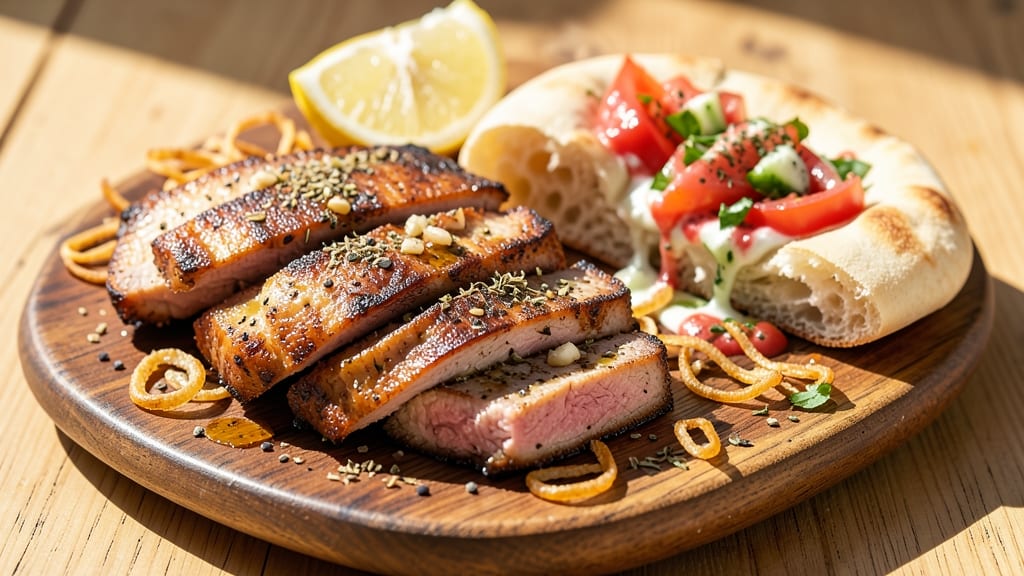
This authentic pork gyros recipe brings the vibrant flavors of Greek street food to your kitchen table. 🔥 I've perfected this dish over years of cooking for crowds, ensuring every bite delivers that perfect balance of tender, marinated pork, crisp pita, and cool tzatziki.
The secret lies in the marinade—a blend of garlic, lemon, and oregano—that transforms simple pork into something unforgettable.
What sets this recipe apart is the attention to authenticity. We're not just cooking meat—we're recreating the experience of a bustling Greek souvlaki stand. The pork gets marinated overnight for maximum flavor penetration, then cooked over high heat to achieve that signature char.
I prefer grilling for that smoky aroma, but you can easily adapt this for an oven or even a cast iron skillet.
By the time you assemble your gyros, you'll have perfectly cooked pork that practically falls apart at the touch, warm pita bread that stays soft, and a cooling tzatziki sauce that ties everything together.
The traditional toppings—thinly sliced tomatoes, crisp onions, and a sprinkle of sesame seeds—add freshness and texture that make each bite exciting.
This isn't just dinner—it's an experience. Serve with crispy fries on the side for that classic Greek gyro meal, or turn it into a build-your-own station for your next gathering. The flavors are bold enough to stand alone but versatile enough to adapt to your preferences. Let's get cooking!
Ingredients for authentic pork gyros
These vibrant ingredients transform simple pork into restaurant-quality gyros with bold Greek flavors.
| Ingredient | Amount | Notes |
|---|---|---|
| Pork Shoulder 🥩 | 2 ½ lb | Bone-in preferred for flavor |
| Extra-Virgin Olive Oil 🫒 | ¼ cup | For marinade and cooking |
| Fresh Garlic Cloves 🧄 | 8 cloves | Minced for marinade |
| Lemon Juice 🍋 | ¼ cup | Freshly squeezed |
| Dried Oregano 🌿 | 2 tsp | Greek oregano preferred |
| Ground Cumin 🌿 | 1 tsp | Toasted for depth |
| Salt 🧂 | 1 ½ tsp | Kosher or sea salt |
| Black Pepper 🌶️ | 1 tsp | Freshly ground |
| Pita Bread 🍞 | 6 whole | Warm, 6-inch rounds |
| Plain Greek Yogurt 🥛 | 1 cup | Full-fat preferred |
| Cucumber 🥒 | 1 medium | English preferred, peeled |
| Red Onion 🧅 | 1 small | Thinly sliced |
| Fresh Tomatoes 🍅 | 2 medium | Thinly sliced |
| Sesame Seeds 🌾 | 1 tbsp | Toasted for garnish |
| Fresh Dill 🌿 | ¼ cup | Chopped for tzatziki |
| Garlic Cloves 🧄 | 2 cloves | For tzatziki, minced |
| Extra-Virgin Olive Oil 🫒 | ⅛ cup | For tzatziki |
| Lemon Juice 🍋 | 1 tbsp | For tzatziki |
The pork shoulder is non-negotiable—bone-in adds flavor and keeps it juicy. Look for well-marbled cuts at Whole Foods or your butcher shop. I always ask for it to be cut into 1-inch chunks myself, but pre-cut from Costco works too. For the marinade, Greek oregano has a distinct, slightly citrusy flavor that regular oregano can't replicate. If you can't find it, mix equal parts regular oregano and marjoram. The lemon juice should be freshly squeezed—bottled just won't cut it here.
No pita bread? Flatbread or even tortillas work in a pinch, but traditional pita gives that perfect chewy texture. For the tzatziki, full-fat Greek yogurt is essential—it's thick and tangy enough to hold its shape. Substituting regular yogurt makes it runny. The cucumber needs to be peeled (the skin gets bitter) and patted dry to prevent a watery sauce. Short on time? Pre-sliced deli cucumbers from the grocery store work, just drain them well. The tomatoes can be swapped for cherry tomatoes halved if you prefer a sweeter flavor.
Marinate the pork overnight for maximum flavor, then store it in the fridge. The pita stays fresh for 2 days if wrapped in a clean towel, but it's best served warm. The tzatziki keeps for 3 days in the fridge, though it's best within the first day. I like to make a double batch—one for the gyros and one to use on sandwiches. The sesame seeds toast in 2 minutes in a dry pan—don't walk away or they'll burn. Portion the toppings in small containers so your gyro station stays organized.
Why You'll Love This Recipe
- One-Pan Magic: The pork shoulder barely needs prep—just slice it thin, toss with olive oil, garlic, and oregano, then let the oven do the work. No marinating overnight, no flipping a million times. Honestly, I’ve made this while scrolling through emails.
- Garlic-Oregano Bomb: That first bite? The garlic cloves roasted into the meat and the bright lemon cut through the richness—it’s the kind of flavor that makes you pause mid-chew. Between us, the oregano here isn’t just a sprinkle; it’s the star.
- Leftovers That Last: Gyros reheat like a dream—crispy edges stay crispy, the meat stays juicy. I’ve packed these for lunch all week, and my coworkers still ask for seconds. (Yes, even on a Tuesday night.)
- Budget Feast: Pork shoulder is the unsung hero—cheap, flavorful, and forgiving. A few cloves of garlic and a squeeze of lemon turn it into something special. I’ll be real: this recipe saved me from takeout more times than I can count.
Step-by-step instructions for authentic pork gyros
Here's how to create restaurant-quality gyros with tender pork and fresh toppings.
🔥 Step 1: Marinate the Pork Shoulder for Maximum Flavor
In a large bowl, combine the 2.5 lb pork shoulder with 0.25 cup extra-virgin olive oil, 8 cloves minced fresh garlic cloves, 0.25 cup lemon juice, 2 tsp dried oregano, 1 tsp ground cumin, 1.5 tsp salt, and 1 tsp black pepper. I use my hands to work the marinade into every crevice of the meat—this ensures even distribution and maximum flavor penetration.
Cover the bowl with plastic wrap and refrigerate for at least 4 hours, preferably overnight. The longer it marinates, the more tender and flavorful the pork becomes. I've found that overnight marinating transforms tough pork shoulder into melt-in-your-mouth perfection. Don't skip this step—it's what makes these gyros authentic and delicious.
🔥 Step 2: Cook the Pork Shoulder to Tender Perfection
Preheat your oven to 325°F. Remove the pork from the refrigerator and place it in a baking dish. Roast uncovered for 3 hours, or until the internal temperature reaches 195-200°F and the meat is fork-tender. I like to check the temperature after 2.5 hours to ensure it doesn't overcook.
Here's the thing—low and slow is key for gyros. The long cook time breaks down the collagen in the pork, making it incredibly tender. If you're impatient, you can finish the last 30 minutes in a 400°F oven to create a slightly crispy exterior, but I prefer the tender, juicy texture that comes from slow cooking.
👨🍳 Step 3: Prepare the Tzatziki Sauce While Pork Rests
While the pork rests (this is crucial—don't skip it!), make the tzatziki. Grate 1 medium cucumber and place it in a colander lined with paper towels. Let it drain for 10 minutes to remove excess moisture, then squeeze out all the liquid with your hands. This step ensures your tzatziki isn't watery.
In a bowl, combine the drained cucumber with 1 cup plain Greek yogurt, 0.25 cup chopped fresh dill, 2 cloves minced garlic cloves, 0.125 cup extra-virgin olive oil, and 1 tbsp lemon juice. Mix gently and refrigerate until ready to serve. The flavors meld beautifully when the sauce has had time to rest, creating that perfect balance of creamy, tangy, and fresh.
🥘 Step 4: Slice the Pork and Assemble the Gyros
Once the pork reaches 195-200°F, remove it from the oven and let it rest for 15-20 minutes before slicing. This resting period allows the juices to redistribute, preventing dry meat. Using a sharp knife, slice the pork against the grain into ¼-inch thick slices. You should have enough for about 6 generous servings.
Toast the 6 whole pita breads in a dry skillet over medium heat for 30 seconds per side until warm and slightly puffed. Here's where it gets fun—layer each pita with a generous portion of sliced pork, thinly sliced red onion, and thinly sliced fresh tomatoes. Drizzle with the prepared tzatziki sauce and sprinkle with 1 tbsp toasted sesame seeds for a nutty crunch.
🍽️ Step 5: Serve Immediately for the Ultimate Experience
Fold the pita pockets in half and serve immediately while everything is warm. The contrast between the warm, tender pork and the cool, creamy tzatziki is what makes these gyros so special. I like to serve them with a side of crisp lettuce or a simple Greek salad to round out the meal.
Pro tip: If you're making these ahead of time, assemble the gyros without the tzatziki and keep them warm in the oven. Add the tzatziki just before serving to maintain its fresh, creamy texture. Each bite should deliver a perfect balance of smoky, tender pork, fresh vegetables, and that cool, tangy tzatziki drizzle that ties everything together.
Pro Tips For Making Authentic Pork Gyros
- CRANK THE HEAT HIGH: Pork shoulder needs a screaming-hot grill or skillet—think 450°F or higher—to render fat fast and lock in moisture. I used to cook it medium-high and ended up with greasy, uneven slices. The first 2 minutes should be all about that sear, then back it off to medium for even cooking.
- SMASH THAT GARLIC: Skip the minced garlic—crush those cloves with the flat side of your knife first, then chop finely. This releases more flavor and prevents bitter aftertaste. I learned this the hard way after burning my tongue on overpowering garlic in my first attempt.
- DON’T SKIP THE REST: After cooking, wrap the pork in foil and let it rest for 10 minutes. This lets the juices redistribute—cutting into it too soon will dry out your slices. I was impatient once and got rubbery meat; now I treat this step like a non-negotiable pause.
- USE LEMON JUICE LAST: Add the lemon juice only in the final 30 seconds of cooking—it brightens the flavors without turning the meat sour. I used to mix it in early and regretted the sharpness cutting through the richness. A squeeze at the end keeps it balanced.
Dietary considerations for this dish
Gluten-Free Adaptations
Traditional gyros use pita bread, but gluten-free versions work beautifully with gluten-free pita or corn tortillas. I recommend Schar Artisan Bakeries gluten-free pitas—they toast up nicely and hold together well.
For extra crispiness, brush the tortillas with olive oil before toasting. The marinade and toppings remain the same, so the flavor stays authentic. 🌾
Dairy-Free Options
Skip the tzatziki and replace it with a dairy-free yogurt sauce made from coconut yogurt or almond milk yogurt. Use the same ratio of cucumber, garlic, dill, and lemon juice.
For extra creaminess, blend in 1 tbsp tahini. The toppings—tomatoes, onions, and sesame seeds—stay the same, keeping the dish fresh and flavorful.
Lower-Carb Modifications
Cut carbs by using lettuce leaves as wraps instead of pita. I love romaine or butter lettuce for their sturdy structure. For a heartier option, serve the sliced pork over cauliflower rice with the same toppings.
The marinade and cooking method stay identical, so the meat remains tender and flavorful. 🥬
Allergen-Friendly Swaps
For nut allergies, omit sesame seeds and use sunflower seeds instead—they toast just as well. If you're avoiding garlic, substitute with 1 tbsp minced shallots in the marinade and tzatziki.
For a soy-free option, check your sesame seeds for cross-contamination warnings. Always verify ingredient labels to keep your gyros safe for all dietary needs.
Vegetarian Alternative
Swap the pork for marinated portobello mushrooms or extra-firm tofu. For mushrooms, marinate 2 large portobellos in the same marinade for 2 hours, then grill or roast until tender.
For tofu, press and slice 1 block firm tofu into strips, then marinate and cook as directed. The flavor profile stays vibrant with these plant-based swaps. 🌱
Nutrition facts
Frequently asked questions
Can I use chicken or beef instead of pork for gyros?
Chicken works beautifully—use bone-in, skin-on thighs for juiciness and marinate for at least 4 hours. For beef, opt for sirloin or flank steak (thinly sliced) with a shorter marinade of 2-3 hours. The cooking method changes slightly: chicken and beef should cook to 165°F (chicken) or 145°F (beef), and slice thinner (¼-inch) for easier eating. The flavor profile will differ but still delicious!
How do I keep the pita from getting soggy?
Toast the pita just before assembling—wrap in foil and warm in a 350°F oven for 5 minutes or toast in a dry skillet for 20 seconds per side. Keep the tzatziki separate until serving, and assemble with the meat and veggies first. For extra protection, brush the pita with a tiny bit of olive oil before toasting. The key is warmth and dryness!
What's the best way to make this recipe with a vertical grill?
For vertical grill perfection, skewer the marinated pork chunks onto 8-inch skewers (soak wooden skewers in water for 30 minutes first). Grill over medium-high heat for 10-12 minutes, turning frequently, until internal temp hits 195°F. The vertical heat creates those signature char marks while keeping the meat juicy. Slice off the skewers before assembling—no need to remove them!
Can I make the marinade ahead of time?
Yes! Prepare the marinade up to 3 days ahead and store in an airtight container in the fridge. Add the pork just before marinating (within 1 hour of cooking). For extra flavor, let the marinade sit at room temperature for 30 minutes before using it on the pork. Never marinate raw meat at room temperature for more than 2 hours for safety.
What if I don't have a grill or oven?
No problem! Use a cast iron skillet on the stovetop: sear the marinated pork over medium-high heat for 8-10 minutes per side, then finish in a 375°F oven for 30 minutes until tender. For a stovetop-only method, cook in batches, removing meat when it reaches 165°F (it'll carryover cook to 195°F). The skillet creates great crust while keeping the meat juicy!