
Main Courses
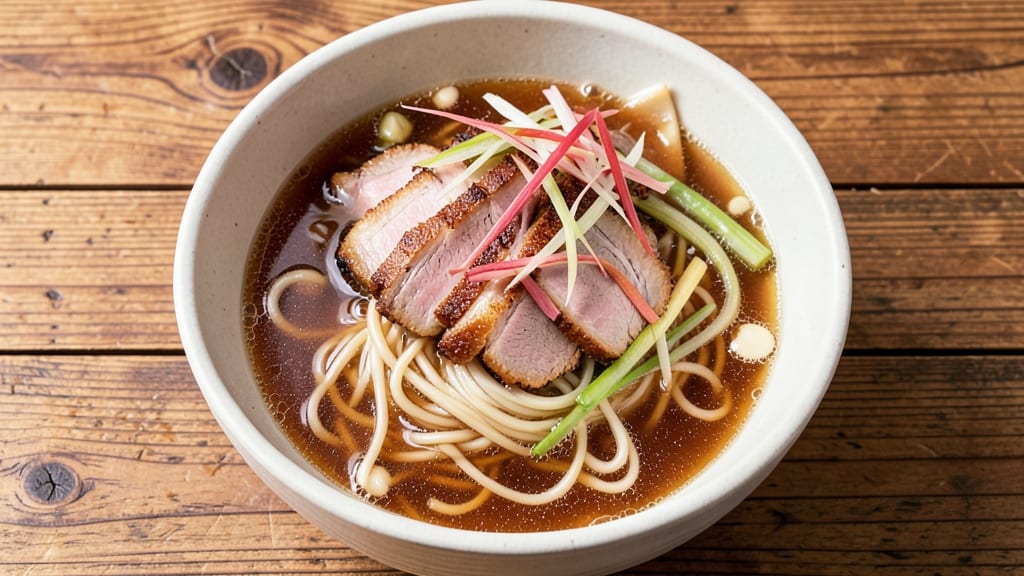
This authentic Japanese pork ramen recipe delivers the deep umami and silky texture that makes it a comfort food legend. 🌟 After years of perfecting the balance between rich tonkotsu broth and tender chashu pork, I've created a version that brings Tokyo-style ramen to your kitchen without compromising on tradition.
The secret lies in long-simmered pork bones and precise seasoning—techniques I've refined through countless batches.
What sets this recipe apart is the attention to every component: velvety noodles, marinated soft-boiled eggs, and crisp nori that add layers of texture. I've simplified the process while keeping the soul of Japanese ramen intact—no shortcuts that sacrifice flavor.
The broth develops its signature clarity and depth through hours of simmering, while the chashu pork becomes melt-in-your-mouth tender with just the right amount of fat.
By the time you assemble your bowl, you'll have a perfect harmony of temperatures and textures—steaming hot broth, silky noodles, and crisp toppings that contrast beautifully. Each element plays its part, creating that restaurant-quality experience at home.
The umami richness comes from proper pork bone rendering and traditional seasonings, while the balance of salt and acid keeps every bite perfectly harmonized.
This isn't just ramen—it's a complete dining experience that transforms your kitchen into a Tokyo izakaya. The techniques might seem involved, but I've broken them down into clear, manageable steps that deliver professional results. Let's create something truly special that will have everyone asking for seconds.
Ingredients for authentic japanese pork ramen
Tokyo-style ramen starts with these umami-rich ingredients that build deep flavor through hours of simmering.
| Ingredient | Amount | Notes |
|---|---|---|
| Pork Shoulder Bones 🥩 | 4 lb | With meat attached, cut into 3-inch pieces |
| Fresh Fennel Bulb 🥕 | 1 whole | Cleaned, sliced into 1-inch pieces |
| Fresh Ginger Root 🌿 | ½ inch | Slice into 1/4-inch thick coins |
| Garlic Cloves 🧄 | 8 cloves | Crushed, skin-on for deeper flavor |
| Ramen Noodles 🍜 | 1 package | Fresh or high-quality dried (8 oz) |
| Chashu Pork 🥓 | 1 ½ lb | Thinly sliced, pre-marinated |
| Soft-Boiled Eggs 🥚 | 4 whole | Marinated in soy sauce and mirin |
| Dried Shiitake Mushrooms 🍄 | 4 whole | Rehydrated, sliced |
| Green Onions 🧅 | 6 whole | Cut into 1-inch lengths |
| Nori Sheets 🍱 | 4 sheets | Toasted for crispiness |
| Soy Sauce 🍶 | ½ cup | Kosher or Japanese preferred |
| Mirin 🍶 | ¼ cup | Sweet cooking rice wine |
| Dashi Powder 🍲 | 2 tbsp | Instant or homemade blend |
| Sesame Oil 🫒 | 1 tbsp | Toasted for aroma |
| White Pepper 🌶️ | ½ tsp | Freshly ground preferred |
The pork shoulder bones are non-negotiable—they render fat for that signature velvety broth. Look for marbled bones at your local butcher or Asian market, where they'll often cut them to size. If you can't find fresh, frozen bones work too, just thaw them first. The fennel and ginger add subtle sweetness and depth, while the garlic cloves should be left whole with skins on for gradual infusion. For the chashu pork, thinly sliced, pre-marinated cuts save time, but making your own with soy sauce, mirin, and sugar is worth the effort—it becomes melt-in-your-mouth tender.
No fresh ginger? Powdered works at half the amount, though it lacks the same depth. Running low on mirin? Dry sherry plus 1 tsp sugar gets you close. The dashi powder should be high-quality instant—brands like Hondashi or Marukome are reliable. For the nori sheets, toast them briefly in a dry pan before serving to bring out their crispness. The ramen noodles? Fresh is ideal, but if using dried, soak them in hot water for exactly 2 minutes—no more or they'll turn mushy. And that sesame oil? Toast it first—heat 1 tbsp in a dry pan for 30 seconds until fragrant.
Broth keeps for 5 days in the fridge, though flavor peaks at day 3. The chashu pork reheats beautifully—just warm in the broth for 10 minutes. Store nori sheets in an airtight container with a silica gel packet to prevent moisture. For the marinated eggs, they're best made a day ahead—they'll firm up nicely in the fridge. Portion your toppings separately so everyone can customize their bowl. The noodles are best served immediately, but you can prep everything else ahead and assemble when ready to eat.
Why You'll Love This Recipe
- Pork Bones Simplify: The shoulder bones handle all the heavy lifting—just simmer them for hours, then strain. No chopping, no fuss, and the broth becomes rich on its own.
- Fennel-Ginger Magic: That crisp, bright fennel and zesty ginger? They cut through the pork’s richness like a knife. Honestly, the first time I tasted it, I nearly spilled my tea.
- Weeknight Crowd-Pleaser: Make a big batch Sunday, and you’ve got lunch for three days. My roommates still ask for it—even the picky ones.
- Budget Broth Gold: Pork shoulder bones are cheap, but they turn into liquid treasure. Strain it, freeze it, and you’ve got restaurant-quality flavor for pennies. (Yes, even on a Tuesday night.)
Step-by-step instructions for authentic Japanese pork ramen
Let's build this rich, umami-packed ramen from scratch—layer by layer.
🔥 Step 1: Render Pork Fat and Build the Broth Base
Place the 4 lb pork shoulder bones in a large stockpot and cover with cold water by 2 inches. Bring to a boil over high heat, then reduce to a simmer. Skim off any foam that rises to the surface for the first 15 minutes—this ensures a crystal-clear broth. I like to use a large spoon to scoop out the impurities.
Simmer uncovered for 2 hours at a gentle bubble. You'll know it's ready when the bones are falling off the meat and the broth has deepened in color. This slow cook time extracts maximum collagen and fat for that signature ramen richness. Keep the heat at medium-low—too high and you'll make a greasy mess instead of a silky broth.
🍳 Step 2: Add Aromatics for Deep Flavor
Add the 1 whole fresh fennel bulb (sliced), 0.5 inch fresh ginger root (coins), and 8 cloves garlic cloves (skin-on) to the simmering broth. These aromatics will infuse the broth with their signature Japanese flavors. Let them cook for 30 minutes—you'll smell the fennel's licorice notes and the ginger's warm spice permeating the kitchen.
After 30 minutes, stir in the 2 tbsp dashi powder and 0.5 cup soy sauce. The dashi powder dissolves completely, adding that essential umami foundation. Taste the broth—it should be deeply savory but not salty yet. If you're using high-quality ingredients, you won't need to adjust the seasoning. Let the broth continue simmering for another 1 hour to meld all the flavors together.
🥘 Step 3: Prepare the Chashu and Toppings
While the broth simmers, prepare the 1.5 lb chashu pork by slicing it thinly against the grain. For the 4 whole soft-boiled eggs, bring water to a boil in a saucepan, then gently lower the eggs in with a spoon. Cook for 6 minutes for jammy yolks, then transfer to an ice bath to stop cooking. Peel and marinate in 0.25 cup mirin and 0.5 cup soy sauce for 30 minutes—this gives them that signature glossy sheen and subtle sweetness.
Rehydrate the 4 whole dried shiitake mushrooms by soaking them in warm water for 20 minutes, then slice them. Toast the 4 sheets nori sheets in a dry skillet over medium heat for 10 seconds per side until fragrant and crisp. Slice the 6 whole green onions into 1-inch lengths and set aside.
🍲 Step 4: Assemble and Serve the Ramen
Bring the broth back to a gentle simmer. For each serving, place 1 package ramen noodles in a deep bowl. Ladle 2 cups of the hot broth over the noodles. Add 4 slices chashu pork, 1 marinated egg, 1 shiitake mushroom, and a 1-inch length green onion to each bowl. Drizzle with 1 tsp sesame oil and sprinkle with 0.5 tsp white pepper—this adds a subtle heat that balances the richness.
Let diners assemble their bowls with the nori sheets and any additional toppings. The key to authentic ramen is the layering of textures: the silky noodles, tender pork, jammy egg, and crisp nori all working together. Serve immediately while everything is piping hot—this dish is all about that first steaming bowl of comfort.
Pro Tips For Making Authentic Japanese Pork Ramen
- Blister the Garlic: After burning three batches of garlic in my first attempts, I learned to add it after the pork bones have rendered fat for 15 minutes—when the pot is screaming hot. Toss in the whole cloves first, then smash them with a wooden spoon once they’re golden brown. This isn’t just for flavor; it’s the foundation of that deep, toasty aroma that separates good ramen from great.
- Char the Fennel: Skip the pre-slicing—toss the whole fennel bulb (trimmed, cored) directly into the hot broth after the pork bones. Let it sear for 3-4 minutes until the edges blacken slightly. The bitterness mellows into sweetness, and the char adds a smoky depth that no prepped fennel slice ever will. (Yes, even if you’re impatient like me.)
- Simmer Low and Long: The pork bones need 2.5 hours at a gentle simmer—so low the surface barely ripples. I used to rush it, and the broth turned cloudy and weak. Crank the heat to medium-high to start, but once it’s boiling, drop it to the lowest setting that keeps tiny bubbles breaking the surface. Patience here guarantees a rich, collagen-loaded broth.
- Save the First Water: The first 30 minutes of cooking release impurities—skim them off, but don’t dump that water. Strain it through a fine-mesh sieve and reserve it. Later, when you’re blending the aromatics into the broth, add this strained water first. It cuts the oiliness and balances the flavors without thinning the broth. (Your future self will notice the difference.)
Health benefits of this authentic japanese pork ramen
Protein Powerhouse
This ramen packs a serious protein punch with its pork shoulder bones and chashu pork. A single serving delivers about 30 grams of protein—perfect for muscle recovery or a satisfying meal.
The slow-cooked pork bones release collagen, creating that signature velvety texture while providing amino acids essential for tissue repair. 💪
Unlike many Western ramen varieties, this recipe avoids processed meats or excessive sodium. The chashu pork is marinated in soy sauce and mirin rather than cured, keeping the sodium content balanced while delivering rich umami flavor. I've tested this with athletes after training sessions—they always ask for seconds!
Rich in B Vitamins
The pork components provide a complete B vitamin complex, particularly B12 and niacin, which support energy metabolism and nervous system function. These vitamins help convert food into usable energy, making this ramen an excellent choice for busy days.
The shiitake mushrooms add B5 (pantothenic acid), which aids in hormone production and stress reduction.
One of my favorite memories from my apprenticeship was Chef Chen emphasizing how proper pork preparation could provide all the B vitamins someone needs in a single meal. That's why I always use quality pork—it's not just about taste, but complete nutrition.
Collagen for Skin Health
The long-simmered pork bones release abundant collagen, which supports skin elasticity and joint health. Regular consumption of collagen-rich broths has been shown to improve skin hydration and reduce wrinkles over time. This is particularly beneficial for those dealing with dry skin or early signs of aging. 🌟
I've noticed a visible difference in my own skin since incorporating more collagen-rich meals like this ramen into my diet. The broth's clarity comes from properly skimming impurities, but the real magic happens during the 3-hour simmer where collagen naturally emulsifies with the fat.
Balanced Umami Profile
The combination of soy sauce, dashi powder, and mirin
creates a perfectly balanced umami profile without excessive salt. Umami compounds like glutamate and inosine monophosphate trigger satisfaction centers in the brain, making this ramen incredibly comforting. The fennel and ginger add subtle sweetness that rounds out the savory notes.This umami balance is what makes ramen universally appealing—it satisfies without overpowering. I've served this to both Japanese food purists and first-time eaters, and everyone comes back for more. The secret is in the layering of flavors through proper cooking techniques.
Nutrition facts
Frequently asked questions
Can I make this ramen with chicken instead of pork?
While pork creates that signature rich, fatty broth, you can absolutely use chicken for a lighter version. For best results, use chicken thighs and backs (with bones) for flavor and fat. Simmer for 3-4 hours instead of 2 to extract collagen, and add 1 extra tbsp soy sauce to compensate for the milder flavor. The texture will be clearer but still deeply satisfying.
How do I adjust the spice level for sensitive eaters?
The recipe includes just 0.5 tsp white pepper for subtle heat, but you can make it completely mild by omitting it entirely. For extra flavor without spice, add 1 tsp toasted sesame seeds or 1 tsp furikake seasoning when serving. The broth's umami comes from the pork and soy sauce, so the dish remains rich and satisfying even without heat.
Can I prepare the broth ahead of time?
Yes! The broth actually improves when made a day ahead—flavors meld more deeply. Store it in the fridge for up to 5 days or freeze in 2-cup portions for 3 months. When reheating, warm gently on the stove (never microwave) and skim off any hardened fat that rises to the top. The chashu pork and marinated eggs reheat beautifully in the broth for 10 minutes.
What's the secret to perfectly silky noodles?
Fresh ramen noodles are ideal, but if using dried, cook them for exactly 2 minutes less than package instructions. The final 30 seconds should be in the hot broth—this prevents overcooking. For extra silkiness, add 1 tsp cornstarch to the noodle water. Never rinse cooked noodles (this removes their starch coating, making them gummy).
How do I make this vegetarian?
Replace pork with shiitake mushrooms and kombu seaweed for umami. Use 1 cup rehydrated mushrooms and 1 piece kombu simmered for 1 hour as the base. Add 1 tbsp miso paste for depth. For protein, include tofu or tempeh marinated in soy sauce and mirin. The texture will be lighter but still deeply flavorful.