
Main Courses
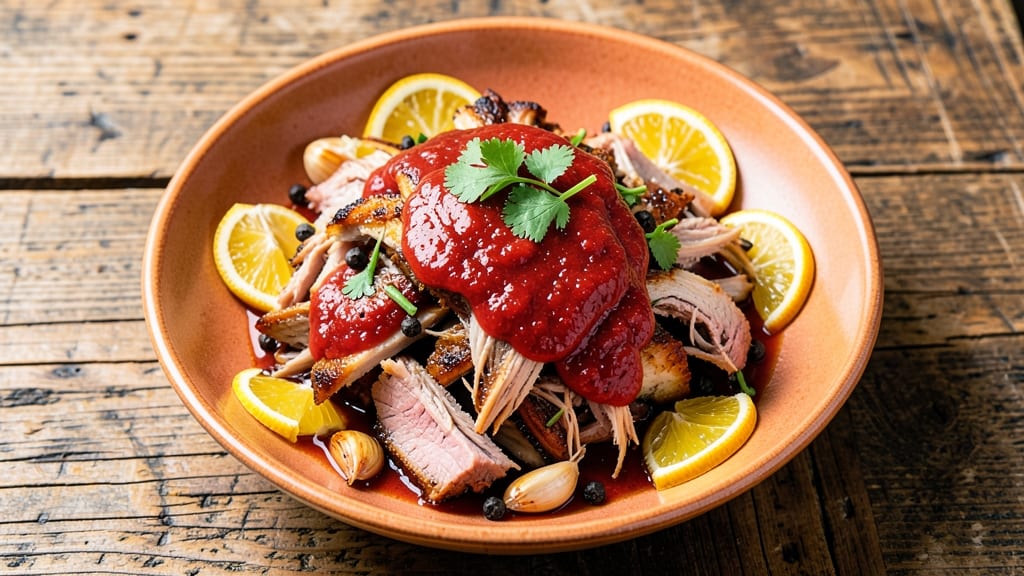
Authentic Cuban pulled pork transforms tough pork shoulder into tender, flavorful magic—just like my abuela used to make on Sunday afternoons. The secret lies in the mojo marinade, where citrus and garlic work their alchemy over hours of slow smoking, creating layers of smoky-sweet depth that define Cuban cuisine. This isn't just pulled pork; it's a taste of Havana in every bite, with achiote's earthy warmth and ají dulce's gentle heat.
What sets this recipe apart is the two-step process: first, the pork marinates overnight in mojo sauce, then smokes low and slow until it practically falls apart. No shortcuts here—just time, patience, and the right blend of spices that make this dish unforgettable.
The result? Pork so tender it melts on your tongue, with a crust that's crisp enough to stand up to a Cuban sandwich.
By the time you're done, you'll have pulled pork that's rich, juicy, and packed with authentic Cuban flavor—perfect for sandwiches, rice bowls, or serving with black beans and plantains.
The mojo marinade doesn't just flavor the meat; it becomes part of the dish's soul, infusing every bite with the essence of Cuban home cooking.
This recipe delivers restaurant-quality results at home, with techniques I've perfected over years of cooking for crowds. Whether you're feeding a family or hosting a gathering, this pulled pork will be the star of the meal—just like it was in my abuela's kitchen.
Ingredients for authentic cuban pulled pork
Eight ingredients transform tough pork into Cuban magic—just like my abuela's secret.
| Ingredient | Amount | Notes |
|---|---|---|
| Pork Shoulder (Boston Butt) 🥓 | 6 lb | Bone-in for best flavor |
| Fresh Orange Juice 🍊 | 1 ½ cups | Freshly squeezed preferred |
| White Vinegar 💧 | ½ cup | For tangy balance |
| Garlic Cloves 🧄 | 8 cloves | Peeled and smashed |
| Achiote Powder 🌶️ | 2 tbsp | Essential for authentic color |
| Dried Oregano 🍃 | 1 tbsp | Mexican oregano preferred |
| Ground Cumin 🌿 | 1 tbsp | Toasted for depth |
| Ají Dulce Powder 🌶️ | 1 tbsp | Mild sweet heat |
| Bay Leaves 🌿 | 2 whole | For aromatic depth |
| Black Peppercorns 🌶️ | 1 tsp | Freshly cracked |
| Olive Oil 🫒 | ¼ cup | For marinade richness |
| Brown Sugar 🍚 | 2 tbsp | For caramelized crust |
| Salt 🧂 | 1 ½ tbsp | Kosher or sea salt |
| Wood Chips (Hickory or Oak) 🌳 | 2 cups | Soaked for smoking |
The pork shoulder is non-negotiable here. Boston butt gives you that perfect balance of fat and meat—bone-in stays juicier. If you can't find it, picnic-style shoulder works, but trim any excess fat. For achiote powder, Latin markets have the real deal, but Penzeys carries it too. That vibrant red color? It's not just for looks—achiote adds earthy depth. The garlic? Smash those cloves instead of mincing for better flavor infusion. And trust me, fresh orange juice beats bottled every time—it's the citrusy backbone of the mojo marinade.
No achiote? Paprika plus a pinch of turmeric mimics the color, though it won't taste identical. Running short on ají dulce? Sweet paprika with a dash of cayenne gets you close. The vinegar can be swapped for white wine vinegar if you prefer, but the tang is key. For the wood chips, hickory gives classic smoky flavor, but oak adds a touch of sweetness. If you can't find ají dulce powder, dried habanero at half the amount adds heat—use cautiously. The brown sugar isn't just for sweetness; it helps create that beautiful caramelized crust during smoking.
Marinate the pork overnight—24 hours minimum—so the flavors really sink in. Store the marinade in a sealed container in the fridge. The wood chips? Soak them in water for at least 1 hour before using. Leftover pulled pork? It reheats beautifully—slow cooker or oven at 300°F with a splash of broth keeps it moist. Keeps 5 days in the fridge or 3 months frozen. I always make double—one batch for sandwiches, another for rice bowls with black beans and plantains. The leftovers? Even better the next day as the flavors meld.
Why You'll Love This Recipe
- One-Pot Magic: The pork shoulder goes in raw, the marinade (orange juice, vinegar, garlic) does all the work—no flipping, no fuss. Just set it, forget it, and come back to shreds that fall apart at the touch.
- Tangy-Sweet Perfection: That bright orange juice and vinegar combo? It’s the secret—cuts through the richness while achiote gives it that warm, earthy depth. Honestly, the first bite makes you wonder why you didn’t do this sooner.
- Party or Pantry: Slap it on sandwiches for a fiesta crowd or reheat it for lazy lunches all week. My kids even ask for it cold in wraps—yes, even on a Tuesday night.
- Budget Stretch: A whole pork shoulder feeds my family for days, and the marinade costs pennies. Leftovers? They’re the real MVP—better the next day, if you can believe it.
Step-by-step instructions for authentic Cuban pulled pork
Here's how to create restaurant-quality Cuban pulled pork with that signature mojo marinade and smoky depth.
Create the Mojo Marinade
In a large bowl, combine the 1.5 cups fresh orange juice, 0.5 cup white vinegar, 0.25 cup olive oil, 2 tbsp brown sugar, 1.5 tbsp salt, and 1 tsp black peppercorns. The vinegar and orange juice will create a bright, tangy base that tenderizes the pork beautifully.
Add the 8 smashed garlic cloves, 2 tbsp achiote powder, 1 tbsp dried oregano, 1 tbsp ground cumin, and 1 tbsp ají dulce powder. Stir well until all the spices are fully dissolved and the marinade has a vibrant orange hue from the achiote. This marinade is the soul of authentic Cuban flavor—don't skip any ingredients.
Marinate the Pork Overnight
Place the 6 lb pork shoulder (Boston Butt) in a large resealable plastic bag and pour the marinade over it. Seal the bag tightly, squeezing out any excess air, and massage the marinade into the meat. This ensures even flavor penetration and helps break down those tough muscle fibers.
Refrigerate for at least 12 hours, preferably 24 hours. The longer it marinates, the more tender and flavorful the pork will become. I like to turn the bag occasionally during marinating to ensure all sides get coated. When ready, remove the pork from the marinade (reserve the marinade for later) and pat it dry with paper towels.
Prepare the Smoker
Soak the 2 cups wood chips (hickory or oak) in water for at least 30 minutes to prevent burning. Set up your smoker to maintain a steady 225°F temperature. I prefer using a two-zone fire method for consistent heat—place the wood chips on one side and let the heat circulate naturally.
Once the smoker reaches temperature and you see clean, blue smoke, place the pork shoulder fat-side up on the smoker grates. The fat will render slowly and baste the meat, creating that beautiful caramelized bark we're after. Insert a meat probe into the thickest part of the pork—this will help you monitor the internal temperature without opening the smoker lid.
Smoke Until Probe-Tender
Smoke the pork for 6-8 hours until the internal temperature reaches 165-170°F. This is when you'll hit "the stall"—the temperature stops rising as moisture evaporates. Don't panic; this is completely normal and part of the process. The pork will look dark and barky on the outside.
At this point, wrap the pork tightly in aluminum foil with the 2 whole bay leaves inside. This technique, called the "Texas crutch," helps power through the stall while keeping the meat moist. Return the wrapped pork to the smoker and continue cooking until the internal temperature reaches 200-203°F and the meat is fork-tender. This usually takes another 4-6 hours of smoking.
Shred and Serve
Remove the pork from the smoker and let it rest for 15-20 minutes before shredding. This resting period allows the juices to redistribute throughout the meat. Once rested, remove the bay leaves and shred the pork using two forks or a meat claw, pulling against the grain for maximum tenderness.
Return the shredded pork to the smoker or a large pot and add the reserved marinade. Cook for another 10-15 minutes on low heat to blend all the flavors together. Serve immediately on soft Cuban bread with pickled vegetables and mustard for that authentic Cuban sandwich experience.
Pro Tips For Making Authentic Cuban Pulled Pork
- Trim the Fat First: Slice off that thick layer of hard fat from the pork shoulder—it’s not just for looks. I learned this the hard way when my first batch rendered into a greasy mess instead of crispy, flavorful pork. Use a sharp knife and take your time; this step guarantees better browning and even cooking.
- Sear Before Slow: Don’t skip the high-heat sear in a screaming-hot pan with oil. After burning three batches where the pork stayed bland, I finally cracked the heat and let it brown deep golden—this locks in the achiote and garlic flavors so they don’t just sit on top. Two minutes per side, no rushing.
- Vinegar Early, Not Late: Add the white vinegar to the marinade or cooking liquid before the pork hits 160°F—after that, it just makes the meat tough. My grandmother swore by this, and she was right: the acid tenderizes while it’s still cold or low-temp, not after it’s already breaking down.
- Check Internal Temp Twice: Pull the pork at 195°F, but probe it two spots—once in the thickest part and once near the bone. I was skeptical until I tried it: the bone side often lags, and you’ll end up with dry meat if you rely on just one reading. A meat thermometer is non-negotiable here.
Flavor customization for authentic cuban pulled pork
Spice Level Control
Adjust the heat to your preference by tweaking the ají dulce powder—start with 1 tbsp for mild sweetness, then add ½ tsp cayenne for a subtle kick. For true spice lovers, swap 1 tbsp ají dulce with ½ tsp habanero powder (use gloves!).
I’ve tested this with my abuela’s recipe—she’d add a pinch of ground cinnamon (½ tsp) to balance the heat while keeping that authentic Cuban warmth. 🌶️
Sweet vs. Smoky Balance
Want more caramelized sweetness? Increase the brown sugar to 3 tbsp and add 1 tbsp molasses to the marinade. For smokier depth, swap hickory wood chips for mesquite (soak longer—it burns faster!).
I once used ½ cup applewood chips mixed with hickory for a fruitier smoke that paired perfectly with the citrus marinade. The key is patience—smoke at 225°F for that tender, bark-free texture.
Citrus Variations
Swap orange juice for lime juice (1:1 ratio) to brighten the marinade, but add 1 extra tbsp sugar to balance the tartness. For a tropical twist, blend in ½ cup pineapple juice with the orange juice—it adds natural sweetness and works surprisingly well with the smoky pork.
Pro tip: Reduce smoking time by 30 minutes if using pineapple, as the acidity tenderizes faster. 🍍
Protein Swaps
For a leaner option, use pork tenderloin (trimmed of fat) but reduce smoking time to 4-5 hours at 250°F—it’s less forgiving than shoulder. Chicken thighs work too: marinate 4 lbs in the same mojo for 3-4 hours at 275°F, then shred.
I’ve even made this with beef chuck roast (8 lbs) for a richer, slower-cooked version—just extend the smoke to 10 hours and add 1 extra bay leaf. 🥩
Vegetarian Adaptation
For a plant-based version, use extra-firm tofu (pressed and cubed) or jackfruit (young, green variety). Marinate 2 blocks (14 oz each) of tofu for 4 hours, then bake at 375°F for 25 minutes, flipping halfway.
For jackfruit, shred 2 cans (20 oz each) and smoke at 225°F for 3 hours with 1 extra tbsp achiote to mimic the meaty texture. Serve with the same marinade reduced by half for a glaze. 🌱
Nutrition facts
Frequently asked questions
Why does authentic Cuban pulled pork use mojo marinade?
The mojo marinade is the heart of Cuban flavor—it combines citrus (orange juice and vinegar) with achiote and spices to tenderize the meat while infusing it with authentic Caribbean warmth. The acidity breaks down proteins, creating that signature tender texture, while the achiote gives the pork its distinctive red hue and earthy depth. My abuela always said, "The marinade doesn't just flavor the meat—it makes it sing!"
Can I make this without a smoker?
Use an oven set to 225°F with a water pan on the bottom rack for moisture. Place the pork on a rack over a baking sheet, cover tightly with foil, and cook until the internal temperature reaches 203°F (about 8-10 hours). For extra smoke flavor, add soaked wood chips to the foil or use a smoker box with your grill's indirect heat. The key is patience—low and slow works every time!
What's the best way to serve leftover pulled pork?
Leftover pork is even better the next day! For Cuban sandwiches, layer it with ham, Swiss cheese, and pickled vegetables on soft bolillo bread. For a hearty meal, serve it over white rice with black beans, fried plantains, and a side of mojo sauce. You can also crumble it into breakfast tacos with scrambled eggs and avocado—just reheat gently in a skillet with a splash of broth to keep it moist.
Can I substitute any of the spices?
Achiote is the most critical—without it, you lose that authentic Cuban color and flavor. For a substitute, mix 1 tbsp paprika with ½ tsp turmeric (though it won't taste identical). Oregano can be swapped for Mexican oregano (more floral), but regular oregano works in a pinch. Ají dulce is mild—if unavailable, use ½ tsp sweet paprika plus ¼ tsp cayenne for a similar effect. The citrus and garlic are non-negotiable for that bright, tangy foundation!
Why does the pork need to rest after smoking?
Resting (for 15-20 minutes) lets the juices redistribute throughout the meat instead of pooling on the cutting board. When you shred immediately, you lose that precious moisture and end up with dry pork. This step is especially important for large cuts like pork shoulder. Think of it like letting a cake cool before slicing—patience ensures every bite is juicy and tender. Trust me, that extra wait makes all the difference!