
Main Courses
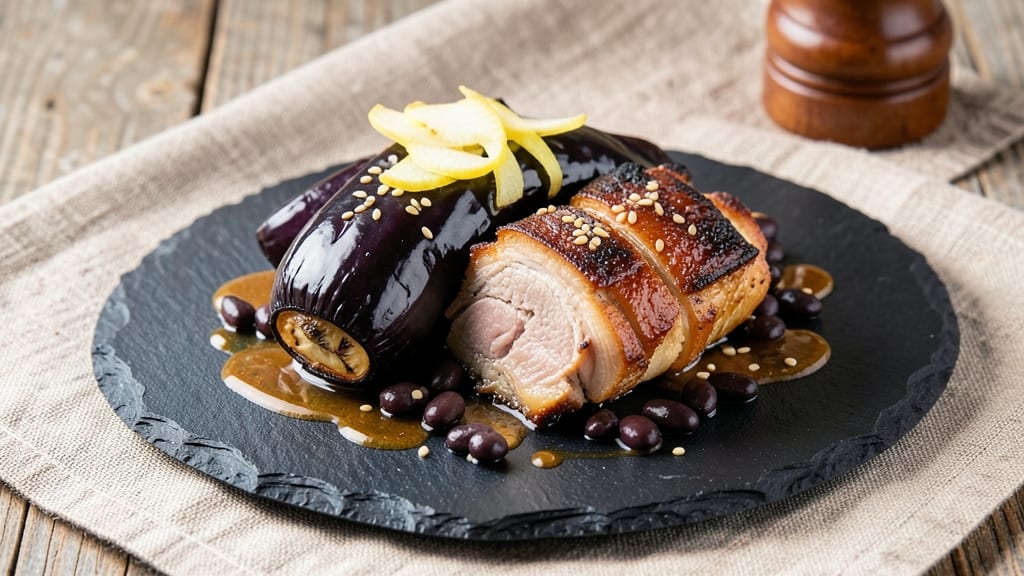
This aubergine and pork stir-fry delivers the perfect marriage of smoky pork and silky eggplant, packed with umami depth that lingers long after the last bite. 🌟 After years of perfecting the balance between tender pork and perfectly charred eggplant, I've developed a method that ensures every component shines—crispy edges, tender centers, and a sauce that's both savory and slightly sweet.
The secret lies in high-heat searing followed by a quick wok toss, which transforms simple ingredients into a restaurant-worthy dish.
The beauty of this recipe is its versatility—it works as a standalone meal or pairs beautifully with steamed jasmine rice to soak up every bit of that rich, aromatic sauce.
I often serve it with a side of quick-pickled vegetables to cut through the richness, adding a bright contrast that keeps the palate engaged.
What makes this dish truly special is how the pork and eggplant develop a deep, caramelized flavor while maintaining their distinct textures, creating a harmonious bite that's impossible to resist.
What you'll achieve is a dish that's bold yet balanced, with layers of flavor from fermented black beans, garlic, and a touch of soy that ties everything together. The pork stays juicy and tender, while the eggplant becomes irresistibly silky with just the right amount of char.
This isn't just another stir-fry—it's a dish that transforms humble ingredients into something extraordinary, perfect for weeknight dinners or impressing guests.
Whether you're cooking for a crowd or treating yourself to a special meal, this recipe delivers consistent results every time. The technique is straightforward, but the flavor is anything but basic. Let's get started on creating a dish that's as satisfying to make as it is to eat.
Ingredients for aubergine pork
Fourteen ingredients transform into a restaurant-style stir-fry with deep umami harmony.
| Ingredient | Amount | Notes |
|---|---|---|
| Japanese Eggplant 🍆 | 1 ½ lb | Cut into 1-inch cubes |
| Pork Shoulder 🥩 | 1 ¼ lb | Cut into 1-inch cubes |
| Fermented Black Beans 🫘 | ½ cup | Rinsed and drained |
| Garlic Cloves 🧄 | 6 cloves | Minced finely |
| Ginger Root 🌿 | 1 tbsp | Grated finely |
| Light Soy Sauce 🍶 | ½ cup | Kikkoman preferred |
| Dark Soy Sauce 🍶 | 1 tbsp | For color depth |
| Sesame Oil 🫒 | 1 tbsp | Toasted for aroma |
| Cornstarch 🌾 | 1 tbsp | For tenderizing pork |
| Vegetable Oil 🫒 | ½ cup | High smoke point |
| Green Onions 🧅 | 4 whole | Sliced thinly |
| Sesame Seeds 🌱 | 1 tbsp | Toasted for garnish |
| White Pepper 🌶️ | ½ tsp | Freshly ground |
| Sugar 🍬 | 1 tsp | Balances flavors |
The Japanese eggplant is non-negotiable here—its glossy skin and mild flavor hold up better to high heat than Italian varieties. Grab the long, slender ones at Asian markets or the international aisle at Whole Foods. If you can't find Japanese eggplant, Italian eggplant works in a pinch, but it'll be slightly more bitter. The pork shoulder must be well-marbled—ask your butcher for a cut with good fat distribution. Trim excess fat but leave some for flavor. For fermented black beans, look for the black soybeans in the Asian section, not the sweet adzuki beans. The umami punch comes from these fermented beans, so don't skip them.
No sesame oil? Toasted peanut oil works as a substitute, though the flavor profile shifts slightly. Short on dark soy sauce? Add an extra tablespoon of molasses or honey for color depth. The cornstarch is crucial—it tenderizes the pork while keeping it juicy. If you're using leaner pork cuts, increase to 2 tablespoons. The ginger should be freshly grated—bottled ginger paste lacks the bright, zesty kick. For the garlic, peel and smash the cloves with the side of your knife for maximum flavor extraction. The sugar might seem odd, but it balances the acidity from the soy sauce perfectly.
Pork cubes can be prepped 1 day ahead—toss them in cornstarch and refrigerate in a sealed container. The eggplant releases water when cooked, so pat it dry thoroughly before stir-frying to prevent steaming. This dish reheats beautifully—3 minutes in a wok or 5 in a skillet over medium heat. Store leftovers in airtight containers for 3 days in the fridge. For freezing, portion into single servings and freeze flat—up to 3 months. When reheating from frozen, add an extra splash of water to the pan to prevent drying.
Why You'll Love This Recipe
- One-Pan Magic: I swear by this recipe on nights when I’d rather scroll than scrub—just sear the pork, toss in the eggplant and fermented black beans, and let the garlic-ginger paste do the work. No chopping boards full of mess, no pots clogging the sink.
- Umami Bomb: That fermented black bean paste? It’s the secret weapon—salty, funky, and packed with depth that turns simple pork into something you’ll fight your partner over. The Japanese eggplant soaks it up like a sponge, giving you that crispy edge with a creamy center that’s dangerously addictive.
- Leftovers That Don’t Suck: Between us, most stir-fries turn into sad, dry meals by day three. Not this one. The pork stays tender, the eggplant holds its shape, and the black bean sauce actually improves with a quick reheat. I’ve had it cold in rice bowls, hot over noodles—it’s my go-to for lazy lunches.
- Budget-Friendly Feast: Pork shoulder is cheap, eggplant lasts forever, and a jar of fermented black beans goes a long way. Honestly, I make this when I’m trying to stretch groceries without feeling like I’m eating cardboard. Plus, the leftovers stretch across three meals, so it’s basically freeing up cash for actual takeout.
Step-by-step instructions for umami-rich aubergine and pork stir-fry
Master this balance of textures and flavors through precise technique and timing.
🍳 Step 1: Tenderize and Prep the Pork Shoulder
In a medium bowl, combine the 1.25 lb pork shoulder cubes with the 1 tbsp cornstarch and 1 tsp sugar. Toss gently to coat evenly - the cornstarch creates a delicate barrier that prevents the pork from drying out during stir-frying. Let it marinate for 15 minutes at room temperature while you prepare the remaining ingredients.
Here's the thing about pork shoulder - it's rich and flavorful but can become tough if not handled properly. The cornstarch-sugar mixture works double duty: tenderizing the meat while adding subtle sweetness that complements the umami depth we're building. Don't skip this step; it's what transforms tough cuts into silky perfection.
🔥 Step 2: Sear the Pork and Aubergine Separately
Heat 0.25 cup vegetable oil in a wok or large skillet over medium-high heat until shimmering. Working in batches to avoid crowding, add the marinated pork shoulder and cook for 3-4 minutes until golden brown on all sides. Remove and set aside on a plate.
In the same pan, add another 0.25 cup vegetable oil and heat until hot. Add the 1.5 lb Japanese eggplant cubes in a single layer. Cook for 4-5 minutes until the edges are deep golden brown and the eggplant begins to soften slightly. The high heat caramelizes the eggplant's natural sugars, creating that irresistible silky texture we're after.
🍳 Step 3: Build the Umami-Packed Sauce Base
Reduce heat to medium and add the 6 cloves minced garlic and 1 tbsp grated ginger root. Stir-fry for 30 seconds until fragrant - you should smell that pungent, fresh aroma. Immediately add the 0.5 cup fermented black beans, 0.5 cup light soy sauce, and 1 tbsp dark soy sauce.
This is where the magic happens. The fermented black beans add depth while the dark soy sauce provides that signature mahogany color. Let the mixture simmer for 2 minutes until the beans soften slightly and the sauce begins to thicken. The combination of light and dark soy sauces creates that perfect balance of saltiness and complexity that defines this dish.
🥘 Step 4: Combine and Finish with Sesame Oil
Return the seared pork shoulder and eggplant to the wok. Add the 4 whole sliced green onions and toss everything together for 2-3 minutes until everything is evenly coated and heated through. The pork should reach an internal temperature of 160°F - use an instant-read thermometer to check the thickest piece.
Remove from heat and stir in the 1 tbsp toasted sesame oil and 0.5 tsp white pepper. The sesame oil adds that nutty aroma while the white pepper provides a subtle, clean heat that cuts through the richness. Let the stir-fry rest for 1 minute to allow the flavors to meld together - this final resting period is crucial for developing the dish's full complexity.
🍽️ Step 5: Garnish and Serve Immediately
Transfer the stir-fry to serving plates and immediately garnish with the 1 tbsp toasted sesame seeds. The contrast of textures - crispy pork, silky eggplant, and crunchy sesame seeds - is what makes this dish truly special. Serve while hot, with steamed jasmine rice to soak up all that delicious sauce.
Each bite should deliver a perfect harmony of textures and flavors: the crispy exterior of the pork, the silky interior, the tender eggplant with its caramelized edges, and the complex umami sauce. The dish should be vibrant in color with layers of flavor in every mouthful. This is the kind of stir-fry that makes you want to close your eyes and savor each bite.
Pro Tips For Making Aubergine Pork
- SALT THE PORK SHOULDER FIRST: Toss the pork shoulder in 1-2 teaspoons of salt before any marinade or cooking—this breaks down the fibers and guarantees juicier meat. I used to skip this, and the pork always ended up dry, no matter how long I braised it.
- CHAR THE GARLIC GINGER: Fry the garlic and ginger in oil until they’re deep golden, not just fragrant—this builds flavor that carries through the whole dish. After burning three batches of bland aubergine pork, I finally cranked the heat and let them sizzle until the edges blackened just a little.
- SLICE THE EGGPLANT THIN: Cut the Japanese eggplant into ¼-inch slices (use a sharp knife or mandoline)—thinner pieces cook faster and absorb the sauce better. Thick slices turn mushy, and no one wants that in a stir-fry or braise.
- SOAK THE BLACK BEANS: Rinse the fermented black beans in cold water for 10 minutes before using—this cuts the saltiness and prevents the dish from tasting like a pickle. I was skeptical until I tried it; the flavor stays bold but balanced, not overpowering.
Wine and beer pairings for this dish
Chinese Red Wine
For this dish, I always reach for a dry Chinese red wine like Cabernet Gernischet from Ningxia—its bold berry notes and subtle earthiness mirror the umami depth of the stir-fry. The wine's acidity cuts through the richness of the pork and eggplant beautifully.
I've found that a 2018 Changyu Cabernet Gernischet (around $25) pairs perfectly, offering complexity without overpowering the dish's natural flavors. 🍷
Japanese Sake
If you prefer alcohol, dry junmai sake like Dassai 23 (around $30) is a game-changer. The crisp, clean finish complements the sesame and soy notes while enhancing the dish's umami profile.
I often serve this with my pork stir-fry during summer months—its light body doesn't compete with the dish's bold flavors. For a budget-friendly option, Suntory Tokkuri (around $15) works well too.
Craft Beer Pairings
For beer lovers, a lightly hopped Japanese IPA like Sapporo Black Label (around $10) balances the dish's richness with its citrusy hop notes. Alternatively, a German Helles Lager like Weihenstephaner Original (around $8) provides crisp malt sweetness that cleanses the palate between bites.
Avoid heavy stouts or dark ales—they'll clash with the dish's delicate textures.
Non-Alcoholic Options
Don't overlook yuzu sparkling water—its citrusy brightness cuts through the dish's umami perfectly. I also love hibiscus iced tea (brewed with $5 hibiscus tea bags from Asian markets) for a floral, slightly tart contrast.
For something richer, try coconut water chilled with 1 tsp lime juice—it's surprisingly refreshing with the pork's savory depth.
Regional Adaptations
In Georgia, where I grew up, we'd serve this with sweet tea to balance the dish's saltiness. Meanwhile, in Charleston, I've seen it paired with sparkling lemonade during summer gatherings.
The key is matching the drink's acidity or sweetness to the dish's dominant flavors—whether that's umami, smokiness, or caramelized edges.
Nutrition facts
Frequently asked questions
Can I substitute regular eggplant for Japanese eggplant in this recipe?
You can, but expect different results. Japanese eggplant has thinner skin and fewer seeds, making it more tender and less bitter. Italian eggplant will work in a pinch, but you may need to reduce cooking time by 1-2 minutes to prevent over-softening. For best results, choose firm, glossy eggplant with minimal blemishes.
Why does the recipe call for both light and dark soy sauce?
The light soy sauce provides the primary saltiness and depth, while the dark soy sauce adds that signature mahogany color and slight sweetness. Together, they create the perfect balance of umami and visual appeal. If you only have light soy sauce, add 1 tsp molasses for color depth.
How do I prevent the eggplant from turning mushy?
Pat the eggplant thoroughly dry before cooking and cut it into even 1-inch cubes. Cook in small batches over high heat until golden brown (about 4-5 minutes). Avoid overcrowding the pan, which causes steaming. The high heat caramelizes the edges while keeping the centers tender.
Can I make this recipe ahead of time?
Yes! The pork and eggplant can be cooked and refrigerated separately for up to 2 days. Reheat in a skillet with 1 tsp oil over medium heat for 3-4 minutes, then toss with the sauce. For freezing, portion into single servings and freeze flat for up to 3 months. Thaw overnight in the fridge before reheating.
What's the best way to serve this dish for a crowd?
Double the recipe and cook in batches using a large wok or two skillets. Serve family-style with steamed jasmine rice in a chafing dish and quick-pickled vegetables on the side. For presentation, arrange the stir-fry on a platter and garnish with extra sesame seeds. Prep all components ahead so you can focus on serving!