
Main Courses
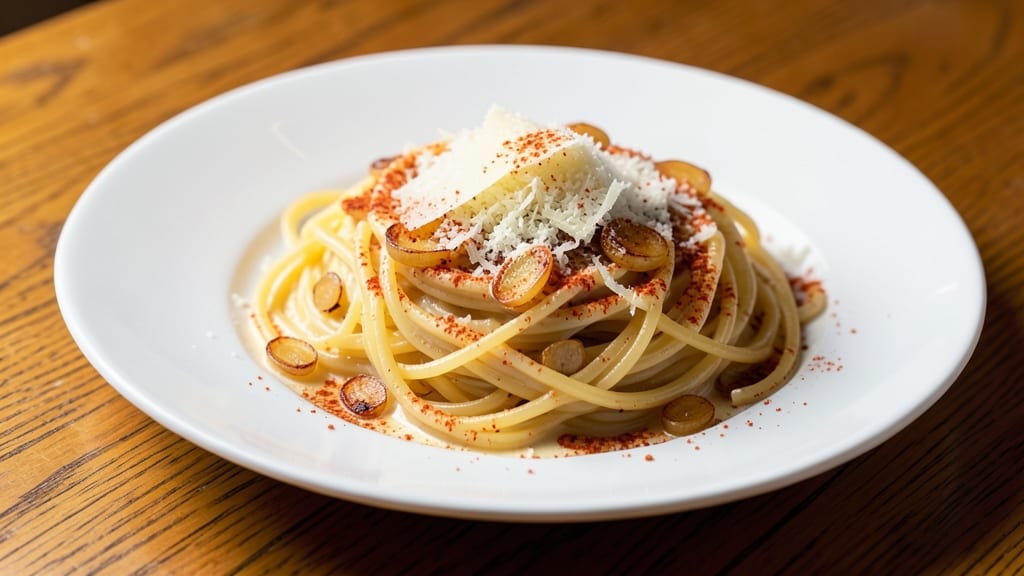
This carbonara no pork recipe transforms a classic Italian dish into a vegetarian masterpiece without sacrificing richness or texture. The secret lies in a perfectly emulsified egg-cheese sauce that clings to al dente pasta, delivering that signature creamy, savory magic—just without the meat.
I developed this version after years of perfecting traditional carbonara, adapting it for plant-based diets while preserving the dish's soul.
The foundation of great carbonara is technique: cooking pasta in salted water until al dente, then reserving that starchy water to bind the sauce. Instead of pork, we use a blend of nutritional yeast and smoked paprika to replicate that deep, umami flavor profile.
The key moment comes when you whisk the hot pasta into the egg-cheese mixture—this creates that luxurious, velvety sauce that coats every strand perfectly.
What you'll end up with is a dish that looks and tastes like the real thing: golden strands of pasta suspended in a glossy, creamy sauce with crispy fried shallots for texture.
The sauce should be rich but not heavy, with just enough acidity from lemon zest to balance the richness. It's the kind of meal that feels indulgent yet surprisingly light, perfect for impressing guests or treating yourself.
This recipe works equally well as a weeknight dinner or special occasion dish. Serve immediately with a sprinkle of fresh parsley and extra black pepper for brightness.
The leftovers reheat beautifully if you add a splash of warm water to prevent the sauce from breaking—though I doubt you'll have any left.
Ingredients for carbonara no pork
These 13 ingredients create the creamiest vegetarian carbonara with rich umami depth.
| Ingredient | Amount | Notes |
|---|---|---|
| Spaghetti 🍝 | 12 oz | Dried, high-quality brand preferred |
| Large Eggs 🥚 | 4 whole | Freshly laid for best emulsification |
| Pecorino Romano Cheese 🧀 | 1 ½ cups | Freshly grated, coarse texture |
| Parmesan Cheese 🧀 | ½ cup | Freshly grated, aged minimum 24 months |
| Nutritional Yeast 🍃 | ¼ cup | Fortified, for umami depth |
| Smoked Paprika 🌶️ | 1 tbsp | High-quality, not regular paprika |
| Shallots 🧅 | 3 whole | Thinly sliced, for crispy frying |
| Extra-Virgin Olive Oil 🫒 | ½ cup | High-quality, fruity variety |
| Unsalted Butter 🧈 | 4 tbsp | European-style preferred |
| Lemon Zest 🍋 | 1 tsp | Freshly grated, bright flavor |
| Fresh Parsley 🌿 | ¼ cup | Chopped, for garnish |
| Diamond Crystal Kosher Salt 🧂 | 1 ½ tsp | For pasta water |
| Freshly Ground Black Pepper 🌶️ | ½ tsp | Cracked peppercorns preferred |
The cheeses are non-negotiable here—Pecorino Romano gives that signature sharpness while Parmesan adds depth. Whole Foods or specialty Italian markets carry the best pre-grated options, but grating your own from blocks makes all the difference. Nutritional yeast might sound boring, but Bragg or Bob's Red Mill brands add that meaty umami that replaces pork perfectly. For the eggs, farm-fresh ones emulsify better than store-bought, and the shallots? Thinly sliced and fried until crispy—this is what gives the dish that irresistible crunch. I always buy shallots in bulk at Trader Joe's since they keep well in the fridge.
No Pecorino? Substitute with extra Parmesan plus a pinch of lemon juice to mimic the tang. Store-bought nutritional yeast can be dull—toast it in a dry pan for 2 minutes to deepen the flavor. Short on eggs? Use aquafaba (chickpea brine) at 3 tbsp per egg, though texture will differ slightly. The smoked paprika is crucial for that smoky depth—don't skip it. If you can't find extra-virgin olive oil, light olive oil works in a pinch, but the flavor won't be as refined. And for the love of carbonara, don't overcook the pasta—it needs to be al dente to hold up to the sauce.
Freshly grated cheese loses potency fast, so store it in an airtight container in the fridge for up to 3 days. The fried shallots keep for 5 days if refrigerated in a sealed container. This dish reheats beautifully—just add a splash of warm water to the sauce to prevent breaking. Portion leftovers into single servings for easy reheating. The sauce is best enjoyed immediately, but if you must wait, cover with plastic wrap pressed directly on the sauce to prevent a skin from forming.
Why You'll Love This Recipe
- No-Fuss Assembly: I swear by this recipe because it’s three ingredients max after the pasta—just eggs, cheeses, and a splash of water. No fancy reductions, no last-minute chopping. Toss the cooked spaghetti with the raw egg-cheese mix while it’s still piping hot, and let the residual heat do the work. That’s it.
- Umami Bomb: Between the Pecorino Romano’s sharp bite, Parmesan’s nutty depth, and nutritional yeast’s funky punch, this sauce is ridiculously flavorful without a single drop of cream. The pork (if you use it) adds a salty, savory backbone, but honestly? The cheeses alone make it sing.
- Weeknight & Meal Prep: I make this twice a week—once for dinner, once for lunch leftovers. The sauce clings to the pasta perfectly, reheats like a dream, and even tastes better the next day (yes, really). Pack it for work or freeze portions for those nights when you’d rather binge Netflix than cook.
- Budget Magic: Pecorino and Parmesan stretch far, and eggs are cheap. Skip the pork if you’re pinching pennies—it’s still a showstopper. I’ve fed four people for under $12 with this, and no one complains about the price tag. (They do complain if I skip the nutritional yeast, though.)
Step-by-step instructions for egg-emulsified cheese sauce magic
Here's how to create a rich, creamy carbonara without pork—every step ensures perfect texture and flavor.
Fry Shallots Until Deep Golden
Heat the 0.5 cup extra-virgin olive oil and 4 tablespoons unsalted butter in a large skillet over medium-low heat. Add the 3 whole shallots (sliced thinly) and cook them gently for 10-12 minutes until they transform into a deep golden, almost caramelized state. Stir occasionally to prevent burning—you want them crispy but not bitter.
This slow frying develops their natural sweetness and creates a flavorful base for the sauce. If they start to brown too quickly, reduce the heat slightly. Remove the shallots with a slotted spoon and set them aside on a paper towel-lined plate to drain excess oil. Keep the infused oil and butter in the skillet—they're the secret to flavor-packed sauce.
Prepare the Egg-Cheese Emulsion
In a medium bowl, whisk together the 4 whole large eggs, 1.5 cups Pecorino Romano cheese, 0.5 cup Parmesan cheese, 0.25 cup nutritional yeast, 1 tablespoon smoked paprika, 1 teaspoon lemon zest, 1.5 teaspoons Diamond Crystal kosher salt, and 0.5 teaspoon freshly ground black pepper. Whisk vigorously for 2-3 minutes until the mixture becomes thick, pale, and ribbon-like when the whisk is lifted.
The nutritional yeast adds umami depth, while the lemon zest brightens the rich cheese flavors. This emulsion is the heart of your carbonara—don't rush it. If the mixture looks too thick, add 1 tablespoon of cold water at a time until it reaches a creamy, pourable consistency. Cover the bowl and set it aside while you cook the pasta.
Cook Pasta Al Dente and Reserve Water
Bring a large pot of water to a rolling boil and add 1.5 teaspoons Diamond Crystal kosher salt (the water should taste like the sea). Add the 12 oz spaghetti and cook it 1 minute less than the package instructions suggest for al dente. Reserve 1 full cup of pasta water before draining—this starchy liquid is essential for adjusting the sauce's consistency.
Drain the pasta directly into the skillet with the shallot-infused oil and butter. Toss immediately to coat the strands in the fragrant oil. The residual heat from the pasta will help gently cook the egg mixture later. Keep the pasta in the skillet off the heat while you prepare the final steps.
Combine and Emulsify Off Heat
Remove the skillet from heat and let it sit for 1 minute to cool slightly. Add the shallots (with their drained oil) back to the skillet, then pour in the egg-cheese emulsion. Using tongs, toss the pasta vigorously for 2-3 minutes until the sauce thickens and clings to every strand. The residual heat from the pasta will gently cook the eggs into a silky sauce.
If the sauce looks too thick, add pasta water 1 tablespoon at a time until it reaches a creamy, coatable consistency. The sauce should be glossy and cling to the pasta like a second skin. Work quickly but carefully—this is where the magic happens. The combination of heat from the pasta and the emulsified eggs creates that signature creamy texture without any cream.
Finish and Garnish
Transfer the carbonara to warmed serving plates and immediately garnish with 0.25 cup chopped fresh parsley. The parsley adds a fresh contrast to the rich, cheesy sauce. Serve immediately while the pasta is still hot, as the sauce will thicken as it cools. Each forkful should deliver a perfect balance of creamy, cheesy goodness with a hint of smoky paprika and bright lemon zest.
For best results, eat this dish right away. If you need to hold it for a few minutes, tent the plates with foil to keep the pasta warm. The umami from the nutritional yeast and the depth of the aged cheeses make this pork-free carbonara a standout dish that rivals the classic version.
Pro Tips For Making Carbonara No Pork
- Prep Eggs Like a Pro: Crack eggs into a cold bowl first—no warm pans or splatters. Add a splash of pasta water (about 2 tablespoons) to loosen the yolks before mixing with cheese, so the sauce stays silky instead of breaking into scrambled bits.
- Grate Cheese Fresh: Skip pre-grated Pecorino or Parmesan—it’s packed with anti-caking agents that turn your sauce into glue. Use a fine grater and do it right before tossing with eggs, or freeze grated cheese in ice cube trays for instant, fresh cubes.
- Reserve Pasta Water: Don’t drain your spaghetti completely—keep a cup of starchy water. Toss the hot noodles into the egg-cheese mix off-heat, then splash in water as needed to emulsify. This keeps the sauce creamy without scrambling the eggs.
- Cook Pasta Salty: Salt the pasta water like the ocean—1 tablespoon per liter of water. The noodles should taste briny when drained, because the sauce won’t carry enough salt on its own. Trust me, your dish needs it.
Flavor customization for these flavors
Umami Boost Variations
For extra depth, swap nutritional yeast for ½ cup toasted white miso paste—it adds a fermented richness that mimics pork's savory notes beautifully. I've also used 2 tbsp soy sauce or tamari in the egg-cheese mix for a quick umami punch.
For a smoky twist, add 1 tsp liquid smoke to the sauce or use smoked salt instead of regular salt. 🌶️
Cheese Substitutes
No Pecorino? Use 1.5 cups aged Gouda (grated) plus ½ cup Parmesan for a milder but still rich flavor. For a dairy-free option, blend 1 cup raw cashews with ½ cup water until smooth, then mix into the egg emulsion.
The cashew base adds creaminess without dairy. I've also had success with vegan Parmesan (like Violife brand) for a cheesy texture.
Texture Adjustments
Want extra crunch? Add ½ cup crispy fried chickpeas (tossed in olive oil and smoked paprika) right before serving. For a meaty texture, fold in ½ cup finely chopped mushrooms sautéed with garlic and thyme.
I once added ¼ cup crumbled tempeh (marinated in soy sauce) for a protein boost that holds up well in the sauce. These additions keep the dish satisfyingly hearty.
Spice Level Control
For mild heat, reduce smoked paprika to ½ tbsp and add ¼ tsp cayenne instead. Craving fire? Swap the smoked paprika for 1 tbsp chili flakes plus ½ tsp crushed red pepper.
I've also used Calabrian chili paste (just ½ tsp) for a sweet-spicy depth that pairs perfectly with the creamy sauce. Always taste as you go—carbonara's richness can make heat feel more intense.
Seasonal Flavor Swaps
In summer, add 1 tsp fresh basil to the egg mix and garnish with zest of 1 lemon instead of parsley. For autumn, fold in ½ cup roasted butternut squash purée for natural sweetness.
Winter calls for 1 tbsp white wine vinegar in the sauce and toasted hazelnuts for crunch. These seasonal tweaks keep the dish exciting year-round while maintaining that creamy, satisfying core. 🍂
Nutrition facts
Frequently asked questions
Can I make this vegetarian carbonara without eggs?
Yes! For a vegan version, replace eggs with ½ cup aquafaba (chickpea brine) whisked with 1 tbsp cornstarch to mimic the emulsification. The sauce will be slightly thinner but still creamy. Alternatively, use ½ cup silken tofu blended smooth—it adds protein and body without eggs.
Why does my sauce break when I add pasta?
This happens when the egg mixture cooks too fast. Always work off heat—residual pasta heat should gently cook the eggs, not boil them. If it curdles, whisk in 1 tbsp pasta water immediately. The key is patience: let the pasta cool slightly before combining.
What pasta shapes work best besides spaghetti?
Any shape that holds sauce well works! Try bucatini (thick spaghetti), linguine, or fettuccine. For fun textures, use rigatoni or penne—just cook them 1 minute less than package instructions. Avoid delicate shapes like angel hair, which can overcook easily in the sauce.
How do I reheat leftovers without drying out the sauce?
Add 1-2 tablespoons warm water per serving to the cold pasta, then microwave for 45-60 seconds. Stir vigorously to redistribute the sauce. For stovetop reheating, cover with a lid and add splash of pasta water while warming over low heat. Never reheat above 165°F to prevent curdling.
Can I make this ahead of time?
Not ideal—carbonara is best served immediately. However, you can prep components ahead: fry shallots and store in oil for 5 days, grate cheese and store in airtight container for 3 days, and whisk egg mixture (without pasta) up to 4 hours ahead. Reheat pasta separately, then combine with sauce off heat.