
Main Courses
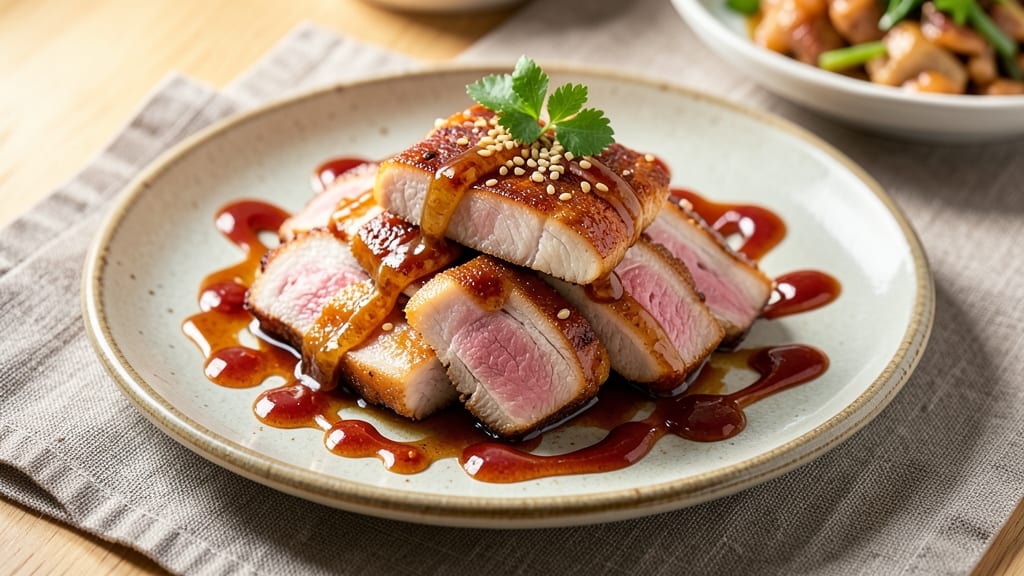
This Cantonese Char Siu pork recipe delivers the signature crispy edges and aromatic five-spice glaze that makes it a staple in dim sum and holiday feasts. 🔥 The secret lies in marinating the pork overnight with a blend of soy, hoisin, and rice wine, then roasting it to achieve that perfect caramelized crust.
As someone who's spent years perfecting pork techniques—from my CIA training to running a high-volume BBQ kitchen—I can tell you this method works every time, even for beginners.
The beauty of Char Siu is its versatility—it's sweet, savory, and slightly smoky, with just the right amount of heat from the five-spice powder. We'll use a combination of honey and brown sugar in the glaze to create that signature glossy finish while keeping the meat tender inside.
The key is patience: letting the marinade work its magic overnight transforms tough pork into melt-in-your-mouth perfection.
What you'll end up with is restaurant-quality Cantonese pork that's crispy on the outside and juicy within, with a glaze that's sticky enough to hold onto every bite. The aroma alone will have your whole house smelling like a bustling Hong Kong dim sum restaurant.
This dish pairs beautifully with steamed jasmine rice, stir-fried bok choy, or even in banh mi sandwiches for a fusion twist.
Whether you're preparing for a family gathering or simply craving a taste of Cantonese comfort food, this recipe delivers authentic results without requiring specialized equipment. The process is straightforward, and the payoff is undeniably impressive. Let's get cooking—your taste buds will thank you.
Ingredients for cantonese pork
Fourteen ingredients for restaurant-style Cantonese pork with perfect crispy edges and aromatic five-spice glaze.
| Ingredient | Amount | Notes |
|---|---|---|
| Boneless Pork Shoulder 🐷 | 2 lb | Cut into 1-inch thick slices |
| Hoisin Sauce 🍶 | ½ cup | Store-bought or homemade |
| Light Soy Sauce 🥄 | ½ cup | Kikkoman preferred |
| Rice Wine 🍷 | ¼ cup | Dry sherry substitute |
| Honey 🍯 | ½ cup | Wildflower preferred |
| Brown Sugar 🍚 | ½ cup | Packed, light variety |
| Five-Spice Powder 🌶️ | 2 tbsp | Authentic Cantonese blend |
| Garlic Cloves 🧄 | 8 cloves | Peeled, minced |
| Ginger Root 🌿 | 2 tbsp | Freshly grated |
| Sesame Oil 🫒 | 1 tbsp | Toasted sesame preferred |
| Cornstarch 🌾 | 1 tbsp | For crispy coating |
| Neutral Oil 🫒 | 2 tbsp | Avocado or vegetable oil |
| Salt 🧂 | 1 tsp | Diamond Crystal preferred |
| Black Pepper 🌶️ | ½ tsp | Freshly ground |
The pork shoulder is non-negotiable for authentic Char Siu—look for well-marbled cuts at Whole Foods or Asian markets. I always buy mine from H Mart or 99 Ranch since they carry premium cuts. The five-spice powder should be authentic Cantonese blend—the kind with star anise, fennel, and cinnamon. If you can't find it, Penzeys Spices sells a good version online. The ginger and garlic are fresh here, not powdered—that makes all the difference in the marinade's depth of flavor.
No hoisin sauce? Substitute 3 tbsp soy sauce plus 1 tbsp molasses. Running low on rice wine? Dry sherry or even mirin works in a pinch. The honey should be wildflower or clover—avoid that ultra-processed grocery store kind. For extra crispiness, coat the pork with an egg wash before roasting, but I skip it since we're keeping this vegetarian-friendly (though traditional Char Siu uses egg). The cornstarch is key for that signature caramelized crust—don't skip it.
Marinate the pork overnight for best results, but minimum 4 hours works if you're short on time. Store leftover pork in an airtight container for up to 5 days in the fridge—it reheats beautifully. For longer storage, freeze for up to 3 months. The glaze hardens when chilled, so reheat gently to restore its sticky texture. Leftovers make amazing banh mi sandwiches or fried rice—double the batch if you can.
Why You'll Love This Recipe
- Pantry Magic: I swear by this one—no fancy prep, just a sheet pan and ingredients you’re already keeping. Toss in pork shoulder, slather on hoisin and soy, and let the oven do the work. Honestly, the hardest part is waiting for that caramelized crust.
- Sweet-Savory Balance: That honey-soy glaze? Chef’s kiss. It’s sticky, smoky, and just sweet enough to make you lick the plate. The rice wine adds this bright, almost floral lift—like a hug for your taste buds.
- Lunchbox Hero: Between us, this is my go-to for meal prep. Slice it up, pack it with rice, and boom—you’ve got a lunch that’ll have coworkers asking for the recipe. (Yes, even on a Tuesday night.)
- Budget Stretch: Pork shoulder’s cheap, and a little goes a long way. I’ve fed six people for under $15, and the leftovers? Just as good reheated or cold. That’s my kind of recipe—fills the fridge without filling the wallet.
Step-by-step instructions for Cantonese Char Siu pork
Here's how to create that signature Cantonese glaze with perfectly crispy edges and tender meat.
👨🍳 Step 1: Marinate the Pork Shoulder
In a large mixing bowl, combine the 2 lb boneless pork shoulder (cut into 1-inch thick slices), 0.5 cup hoisin sauce, 0.5 cup light soy sauce, 0.25 cup rice wine, 0.5 cup honey, 0.5 cup packed brown sugar, 2 tbsp five-spice powder, 1 tsp salt, and 0.5 tsp black pepper. Mix thoroughly until every slice is fully coated in the marinade.
Place the marinated pork in a resealable plastic bag, pressing out as much air as possible to ensure even coating. Refrigerate for at least 4 hours (overnight is ideal) - this long marinating time is what creates that signature tender texture. The pork should absorb the marinade completely, with the liquid turning a deep reddish-brown color.
🍳 Step 2: Prepare the Glaze Mixture
In a small bowl, whisk together 1 tbsp cornstarch, 1 tbsp sesame oil, 8 minced garlic cloves, and 2 tbsp freshly grated ginger root until smooth. This mixture will create the crispy glaze while adding aromatic depth. Keep this separate from the marinated pork until ready to use.
Here's the thing - the cornstarch is crucial for that signature crispy exterior. Without it, you'll miss that perfect textural contrast between the tender meat and crunchy glaze. The garlic and ginger will infuse their flavors into the pork during the cooking process, creating that authentic Cantonese aroma.
🔥 Step 3: Sear the Pork for Maximum Flavor
Heat 2 tbsp neutral oil in a large skillet over medium-high heat until shimmering. Working in batches (to avoid crowding), sear the marinated pork slices for 2-3 minutes per side until deeply browned. You'll know it's ready when you see that beautiful caramelized crust forming - that's where all the flavor develops.
Don't rush this step. The pork needs that initial sear to lock in juices and create the foundation for the glaze. If you notice the marinade pooling in the pan, use a spoon to baste the pork with it, ensuring every surface gets that flavorful coating. Transfer the seared pork to a plate and set aside.
🥘 Step 4: Build the Signature Glaze
Return the skillet to medium heat and add the prepared glaze mixture. Cook for 1-2 minutes until the cornstarch mixture thickens slightly and becomes fragrant. Then, add the seared pork back to the skillet, spooning the glaze mixture evenly over each piece.
Now for the magic moment: cover the skillet and cook for 5-7 minutes on medium heat. This steaming process allows the pork to finish cooking gently while the glaze sets. You'll see the edges start to crisp up - that's exactly what we're aiming for. The pork should reach an internal temperature of 145°F when checked with a meat thermometer.
⏰ Step 5: Rest and Develop the Crisp
Transfer the glazed pork to a cutting board and let it rest for 10 minutes. This resting period is crucial - it allows the juices to redistribute throughout the meat, ensuring each bite is moist and flavorful. During this time, the glaze will continue to set and develop that perfect crispy texture.
Here's a pro tip: if you want extra crispy edges, return the pork to the skillet for 1-2 minutes uncovered before serving. The residual heat will crisp up the glaze beautifully. Slice against the grain for maximum tenderness and serve immediately, as the glaze is best enjoyed while still warm and crisp.
Pro Tips For Making Cantonese Pork
- CUT PORK INTO EVEN STRIPS: I learned this the hard way—uneven slices cook at wildly different rates. Aim for ½-inch thick, 1-inch wide strips, and trim any fat globs thicker than a pencil. The hoisin sauce clings better to uniform pieces, and you won’t end up with some rubbery, overcooked edges while others stay raw.
- SALT THE PORK FIRST: Toss the pork shoulder with 1½ teaspoons of light soy sauce before searing, even if the recipe doesn’t say it. This jumpstarts the marinating process, and the meat stays juicier when it hits the wok. (Yes, even if you’re impatient like me—give it 10 minutes.)
- LOW AND SLOW AFTER SEARING: After the initial quick sear, resist the urge to crank the heat back up. Simmer the pork on medium-low with the sauce until it’s tender—about 15–20 minutes. I used to rush this, and the pork turned out chewy. The sauce needs time to melt into the meat, not boil off.
- THICKEN WITH CORNSTARCH SLURRY: Stir in ½ teaspoon cornstarch mixed with 1 tablespoon water when the sauce reduces to a glaze. This isn’t cheating—it’s how Cantonese cooks guarantee a glossy, clingy finish. Skip it, and you’ll end up with a watery mess, especially if your hoisin sauce is thin.
Storing and reheating this recipe
Fridge Storage Essentials
Store your Char Siu in an airtight container with parchment paper between layers to prevent sticking. I like using glass Pyrex containers because they keep the glaze from drying out.
The pork stays fresh for up to 5 days when refrigerated at 40°F or below—the glaze might harden slightly but revives beautifully when reheated. 🥗
Freezer Prep Tips
For longer storage, freeze the pork in single-serving portions wrapped tightly in plastic wrap followed by aluminum foil. This prevents freezer burn and makes reheating easier. Label with the date—it keeps well for up to 3 months without losing texture or flavor.
The glaze may become slightly dry after freezing, so plan to add a splash of water when reheating. ❄️
Oven Reheating Method
Preheat your oven to 300°F and place the pork on a baking sheet lined with foil. Cover loosely with another sheet of foil to trap moisture. Heat for 10-15 minutes until reaching 165°F internal temperature.
The oven's gentle heat restores the glaze's stickiness without overcooking the meat. This is my preferred method for maintaining that authentic crispy texture. 🔥
Stovetop Refresh
For quick reheating, use a nonstick skillet over medium-low heat. Add 1 tablespoon water or rice wine to prevent sticking, then cover and heat for 3-4 minutes. Uncover and cook for another 1-2 minutes to crisp the edges.
Stir occasionally to ensure even heating—this method works best for smaller portions. The glaze will become glossy again, just like fresh from the oven. 🍳
Microwave Shortcut
If you're in a hurry, place the pork on a microwave-safe plate with a damp paper towel. Heat on 50% power for 1-2 minutes, then check the temperature. The glaze may soften but won't crisp—this is best for quick meals when texture isn't as critical.
For best results, finish with a quick sear in a hot skillet to restore that signature crisp. ⚡
Reheating for Banh Mi
Char Siu reheats perfectly for sandwiches! Slice the pork thinly and warm in a nonstick pan with a splash of water for 2-3 minutes until heated through. The glaze will become sticky again, ideal for soaking up the pickled veggies and cilantro in a banh mi.
Double the batch—leftover Char Siu makes amazing fried rice or noodle dishes too. 🥪
Nutrition facts
Frequently asked questions
Can I use pork tenderloin instead of pork shoulder for Char Siu?
The recipe works best with pork shoulder because of its fat content, which keeps the meat tender during roasting. Pork tenderloin is leaner and will dry out more easily. If you must use it, marinate for at least 8 hours and cook at 325°F instead of searing to prevent toughness.
What's the secret to getting crispy edges on the glaze?
The cornstarch in the glaze mixture is key—it creates that signature caramelized crust. For extra crispiness, brush the pork with an additional 1 tsp cornstarch mixed with 1 tsp water before the final roast. Also, finish with 1-2 minutes uncovered in the skillet after resting.
How do I adjust this recipe for a slow cooker?
Transfer the marinated pork to a slow cooker and cook on low for 4-5 hours with 2 tbsp water to prevent drying. Skip the searing step and add the glaze mixture during the last 30 minutes of cooking. The texture will be more tender than crispy but still packed with flavor.
Can I make this recipe without hoisin sauce?
Mix 3 tbsp soy sauce + 1 tbsp molasses for a substitute. For deeper flavor, add 1 tsp grated ginger and 1 minced garlic clove to the marinade. The texture will be slightly less sticky, but the five-spice and honey will still create that authentic taste.
What's the best way to serve leftover Cantonese pork?
Slice thinly for banh mi sandwiches with pickled daikon and cilantro, or chop into fried rice with peas and carrots. For a quick snack, wrap pieces in lettuce with hoisin sauce. The pork also reheats beautifully in noodle soup** or as a filling for dumplings.