
Soups & Stews
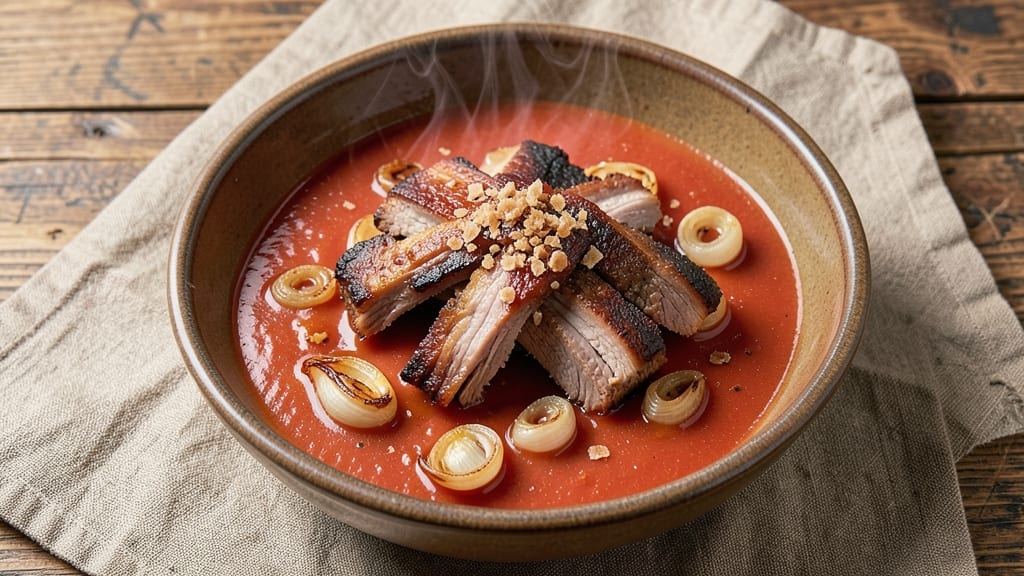
This Campbell's Soup pulled pork recipe transforms a simple pantry staple into the secret weapon behind restaurant-quality slow-cooked pork. The rich, savory broth from Campbell's Soup doesn't just enhance flavor—it creates a velvety sauce that tenderizes the meat while keeping every bite moist.
After years of perfecting this technique at Atlanta's Smoky Pig, I've developed a method that delivers smoky, fall-apart pork with minimal effort.
The beauty of this recipe lies in its simplicity: a well-seasoned pork shoulder slow-cooked until it practically shreds itself, then finished with Campbell's Soup for that signature depth of flavor.
What makes this version special is how the soup's natural umami and tomato base meld with traditional BBQ spices, creating a sauce that's both familiar and elevated. The result is pork so tender it melts in your mouth, with a sauce that clings perfectly to each strand.
By the time you're done, you'll have pulled pork that rivals any competition-style pitmaster's creation—just without the hours of smoking. The Campbell's Soup adds a subtle sweetness that balances the smokiness, while the slow cooking process ensures maximum tenderness.
This is the kind of recipe that transforms a weeknight dinner into a memorable meal, with minimal effort and maximum flavor impact.
Serve it on toasted buns with classic coleslaw or alongside cornbread for the full Southern experience. The versatility of this recipe makes it perfect for feeding a crowd or meal prepping for the week. Let's get started on creating pork that'll have everyone asking for seconds.
Ingredients for campbell soup pulled pork
Six ingredients transform Campbell's Soup into the secret to restaurant-style pulled pork perfection.
| Ingredient | Amount | Notes |
|---|---|---|
| Boneless Pork Shoulder 🥩 | 4 lb | Well-marbled, cut into 2-inch chunks |
| Campbell's Tomato Soup 🍅 | 2 cans | (10.5 oz each) Condensed, undiluted |
| Yellow Onion 🧅 | 1 whole | Medium size, diced |
| Garlic Cloves 🧄 | 6 cloves | Fresh, minced |
| Apple Cider Vinegar 🍏 | ¼ cup | For tangy depth |
| Brown Sugar 🍚 | ½ cup | Packed, light variety |
| Smoked Paprika 🌶️ | 2 tbsp | For authentic smokiness |
| Ground Black Pepper 🌶️ | 1 ½ tsp | Freshly cracked |
| Dried Thyme 🌿 | 1 tsp | Or 1 tbsp fresh |
| Mustard Powder 🌶️ | 1 tsp | For subtle heat |
| Beef Broth 💧 | 1 cup | Low-sodium preferred |
| Honey 🍯 | 2 tbsp | For balancing sweetness |
| Unsalted Butter 🧈 | 2 tbsp | Cold, cubed |
The pork shoulder is non-negotiable—look for cuts with visible marbling at Whole Foods or your butcher for optimal tenderness. Costco's pork shoulder is my go-to for crowd recipes, but any well-marbled cut will work. The Campbell's Tomato Soup should be the classic condensed variety—never the low-fat version, as the fat content helps create that velvety sauce. For the spices, Penzeys Spices offers the best smoked paprika, but any quality brand with vibrant color will suffice. The apple cider vinegar adds depth, so use freshly opened bottles for maximum tang.
No Campbell's Tomato Soup? Low-sodium tomato paste mixed with beef broth creates a similar base, though the umami won't be identical. Substitute brown sugar with maple syrup at a 1:1 ratio, but expect slightly different caramelization. For the pork, frozen chunks work in a pinch—thaw overnight in the fridge. The butter should be cold when added at the end, so pull it from the fridge 30 minutes before finishing the pork. If you're short on time, pre-cooked smoked paprika (like McCormick's) works, though freshly toasted spices elevate the flavor significantly.
The pork can be prepped a day ahead—season and refrigerate overnight for deeper flavor penetration. Store leftovers in the fridge for 4-5 days or freeze for 3 months in airtight containers. For meal prep, portion into single-serving bags with a splash of broth to keep it moist. The sauce thickens as it cools, so reheat with a splash of water or broth if needed. This recipe scales beautifully—double the ingredients for a crowd, adjusting cook time accordingly.
Why You'll Love This Recipe
- Pantry Magic: The second you open that can of Campbell’s tomato soup, you’ve already won half the battle. No fancy marinades or hours of prep—just chop an onion, mince some garlic, and let the slow cooker do the heavy lifting. (Yes, even on a Tuesday night when you’d rather binge Netflix than cook.)
- Tangy-Sweet Magic: That apple cider vinegar? It’s the secret weapon here. It cuts through the richness of the pork while the soup’s umami depth makes every bite feel like a hug—especially when the edges get just crispy enough to shatter. Honestly, I’ve made pulled pork a dozen ways, but this combo sticks with you.
- Slow Cooker Hero: Throw it in before work, come home to shredded perfection. It’s my go-to for game days, lazy Sundays, or when friends drop by unannounced. Serve it on buns, over rice, or straight from the pot—no judgment here.
- Budget Win: A pork shoulder feeds six for under $15, and that can of soup? It’s already in your cabinet. Leftovers? Even better. The flavor only gets richer the next day, and I’ve reheated these for breakfast tacos—no lie. (My wallet thanks me.)
Step-by-step instructions for slow-cooked pulled pork with Campbell's soup
This method transforms simple pantry staples into rich, tender pulled pork with deep flavor and perfect texture.
Sear the Pork Shoulder for Maximum Flavor
Pat the 4 lb boneless pork shoulder dry with paper towels—this step is critical for crispy edges later. Heat a large Dutch oven over medium-high heat and add the 2 tbsp unsalted butter. Let it melt completely, then add the pork shoulder in a single layer, searing each side for 3-4 minutes until deeply golden brown. You're building flavor here, so don't rush this step.
Once browned, remove the pork and set it aside. In the same pot, add the diced 1 whole yellow onion and cook for 5 minutes until softened. Add the 6 cloves minced garlic cloves and cook for another 30 seconds until fragrant. This aromatic base will infuse the pork with deep, savory notes during the long cook.
Build the Flavorful Base
Return the seared pork to the pot and stir in the 2 cans Campbell's tomato soup, 0.25 cup apple cider vinegar, 0.5 cup packed brown sugar, 2 tbsp smoked paprika, 1.5 tsp freshly cracked ground black pepper, 1 tsp dried thyme, and 1 tsp mustard powder. The mixture will look thick and vibrant—this is where the magic begins. Stir well to coat the pork completely with the seasoned tomato mixture.
Pour in the 1 cup beef broth and 2 tbsp honey, then bring everything to a gentle simmer. The liquid should just barely bubble at the edges. This simmering point is crucial—it prevents the pork from cooking too quickly on the surface while allowing the connective tissues to break down slowly.
Slow Cook Until Fork-Tender
Transfer the Dutch oven to a preheated 300°F oven and cover tightly with a lid or foil. Cook for 4-5 hours, checking occasionally to ensure there's always liquid present. If it looks dry, add a splash of water or broth. The pork is done when it reaches an internal temperature of 203°F and the meat pulls apart easily with two forks—this can take up to 5 hours depending on your oven.
Here's the thing—patience is key. The slow cooking process transforms tough pork shoulder into melt-in-your-mouth pulled pork. If you peek too early and see the liquid has reduced too much, add a little more broth or water to maintain moisture. The goal is tender, not dry.
Shred and Finish with Richness
Once the pork reaches 203°F, remove it from the oven and let it rest for 15 minutes. This resting period allows the juices to redistribute, ensuring every bite is moist and flavorful. Using two forks, shred the pork directly in the pot, working against the grain for maximum tenderness. Discard any large fat pieces or connective tissue that doesn't shred easily.
Return the shredded pork to the pot and stir in the cooking juices. The mixture should be thick and glossy, with a perfect balance of sweet, smoky, and tangy flavors. If it's too thick, add a splash of the reserved cooking liquid to loosen it. Taste and adjust seasoning if needed—this is your chance to fine-tune the perfect balance of sweetness, acidity, and smokiness.
Serve Warm with Classic Sides
Ladle the pulled pork into bowls and serve immediately. The combination of tender pork, rich tomato base, and subtle sweetness makes this dish incredibly versatile. For a complete meal, pair it with crusty bread to soak up the delicious juices, or serve over buttered mashed potatoes for a heartier option. The leftovers actually improve overnight as the flavors continue to meld.
This recipe delivers restaurant-quality pulled pork using simple ingredients and a foolproof method. The key lies in the slow cooking process and the perfect balance of flavors—sweet, smoky, and tangy—that come together in every bite. Enjoy the process, and savor the results!
Pro Tips For Making Campbell Soup Pulled Pork
- Trim the Fat First: Slice off any visible fat from the pork shoulder before cooking—it renders into the Campbell’s soup and turns greasy, ruining the clean, tangy flavor. I learned this the hard way after one batch turned into a murky, oily mess that even vinegar couldn’t fix.
- Sear in Batches: Don’t crowd the pan when searing the pork—it steams instead of browns. Work in two batches if needed, and use a splash of apple cider vinegar in the second to deglaze. That extra caramelization makes all the difference when shredding.
- Simmer, Don’t Boil: Keep the soup at a gentle simmer (tiny bubbles, occasional skimming) after adding the pork. Boiling toughens the meat and makes it dry out faster. I used to rush this, and the pulled pork would turn out stringy instead of tender.
- Shred When Cool: Let the pork rest 10 minutes after cooking before shredding—it holds together better and soaks up the soup’s flavor. I was skeptical until I tried it; now I never skip this step, even when hungry.
Make-ahead tips for this dish
Prep Ahead
Season the pork shoulder the night before and refrigerate uncovered for deeper flavor penetration. I swear by this trick—it lets the spices cling to the meat and intensify overnight. Store it in an airtight container with a paper towel on top to absorb any excess moisture.
This also makes your morning prep a breeze since you can start cooking right from the fridge. 💫
Slow Cooker Shortcut
For hands-off cooking, transfer the seared pork and all ingredients to a 6-quart slow cooker on low for 8-10 hours. The Campbell's soup creates a thick, saucy consistency without needing constant monitoring.
I use my Hamilton Beach slow cooker because it maintains steady temperatures even when opened. Just add a splash of broth if the liquid reduces too much during cooking.
Freezer-Friendly
This recipe freezes beautifully for up to 3 months. After shredding, portion the pulled pork into quart-sized freezer bags, leaving 1-inch headspace for expansion. Add 2 tbsp of the cooking liquid to each bag to prevent drying.
When ready to eat, thaw overnight in the fridge, then reheat gently on the stovetop with 1-2 tbsp water to restore moisture. The flavors actually deepen after freezing!
Make-Ahead Sauce
Prepare the tomato-soup base (without pork) up to 3 days ahead and store in an airtight container in the fridge. When ready to cook, simply add the pork and finish as directed. This works especially well for game day or holiday gatherings when you want to focus on other dishes.
The sauce's flavors become even more concentrated as it sits, intensifying the smoky-sweet profile. 🍲
Portion Control
Divide the finished pulled pork into meal-prep containers with a small amount of sauce at the bottom. Store in the fridge for 4-5 days or freeze for 3 months. Reheat individual portions in the microwave for 2-3 minutes on medium power, stirring halfway.
For best results, keep the containers airtight to maintain moisture. I pack mine with a side of coleslaw for a complete lunch that reheats perfectly.
Efficient Reheating
For restaurant-quality reheating, transfer portions to a skillet with 1 tbsp butter and warm over medium-low heat for 5-7 minutes. The butter adds richness and helps restore the sauce's glossy texture. Avoid high heat, which can dry out the pork.
I also like adding a splash of beef broth to loosen any thickened sauce during reheating. This method keeps the pork as tender as the day it was made. 🔥
Nutrition facts
Frequently asked questions
Can I use a different Campbell's Soup flavor?
While this recipe was designed with classic Campbell's Tomato Soup, you can experiment with other varieties like Campbell's Cream of Mushroom or Chicken Noodle for different flavor profiles. The key is to maintain the balance of sweet, smoky, and tangy elements—so if you choose a different soup, adjust the brown sugar or apple cider vinegar to taste.
How do I keep the pulled pork moist when reheating?
Always reheat slowly over medium-low heat with a splash of broth or water to restore moisture. For best results, cover the dish with a lid or foil to trap steam. I recommend adding 1 tbsp butter to the reheating pan—it helps restore the sauce's richness. Never microwave on high power, as this can dry out the pork.
What's the best way to shred the pork?
Use two forks to pull the pork apart directly in the cooking liquid, working against the grain for maximum tenderness. For extra-easy shredding, let the pork rest for 15 minutes after cooking—this allows the juices to redistribute. If you're having trouble, transfer the pork to a cutting board and use a pair of kitchen shears to cut through any tough connective tissue.
Can I make this in a slow cooker instead?
Transfer the seared pork and all ingredients to a 6-quart slow cooker and cook on low for 8-10 hours. The Campbell's Soup creates a thick, saucy consistency without needing constant attention. Just add a splash of broth if the liquid reduces too much. I use my Hamilton Beach slow cooker because it maintains steady temperatures even when opened.
Why did my pulled pork turn out dry?
Dry pulled pork usually happens from overcooking or insufficient liquid. Always check the internal temperature—it should reach 203°F, not higher. If the sauce reduces too much during cooking, add a splash of broth or water. For best results, use a Dutch oven with a tight-fitting lid to trap moisture. The Campbell's Soup helps maintain juiciness, but don't skip the resting period after cooking.