
Main Courses
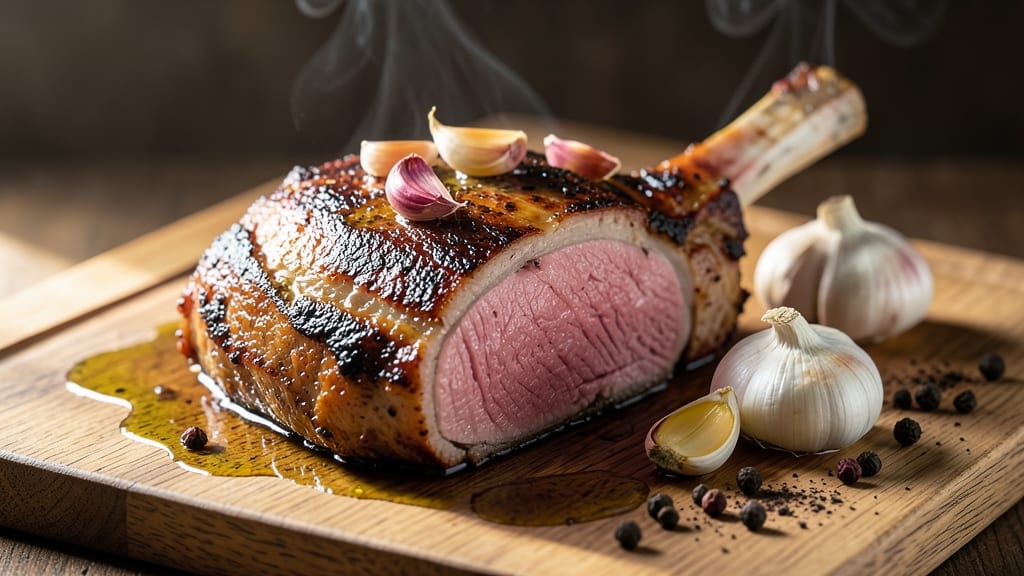
This bone-in pork chop roast delivers restaurant-quality results with a crispy bark and juicy pink hearts—the kind of dish that transforms a weeknight into a special occasion. 🔥 As someone who's cooked thousands of pounds of pork, I can tell you the secret lies in proper seasoning, high-heat searing, and precise temperature control.
The bone adds depth of flavor while keeping the meat impossibly tender.
The process starts with a dry brine that enhances natural flavors, followed by a simple but effective seasoning blend of salt, pepper, and smoked paprika.
What makes this recipe stand out is the two-stage cooking method: first a high-heat sear for that coveted crust, then careful monitoring to reach the perfect internal temperature of 145°F. This technique ensures you never end up with dry, overcooked pork.
By the time you carve into this roast, you'll be rewarded with perfectly pink centers surrounded by a crackling, golden-brown crust. The juices will run clear, not gray, and each bite will be packed with rich, savory flavor.
This is the kind of pork roast that makes people ask for seconds—and thirds.
Serve with classic sides like mashed potatoes, roasted root vegetables, or a crisp green salad to complete the meal. The leftovers reheat beautifully, making this an excellent recipe for feeding a crowd or prepping ahead. Let's get started on creating your perfect pork roast.
Ingredients for bone in pork chop roast
Six ingredients transform a simple pork roast into a showstopping centerpiece—crispy outside, juicy inside.
| Ingredient | Amount | Notes |
|---|---|---|
| Bone-In Pork Chop Roast 🥩 | 4 lb | Center-cut, 1.5-2 inches thick |
| Kosher Salt 🧂 | 1 ½ tbsp | Diamond Crystal preferred |
| Freshly Ground Black Pepper 🌶️ | 1 tbsp | Coarse grind for texture |
| Smoked Paprika 🌶️ | 1 ½ tsp | For smoky depth |
| Extra-Virgin Olive Oil 🫒 | 2 tbsp | High smoke point preferred |
| Garlic Cloves 🧄 | 4 cloves | Smashed for flavor infusion |
| Fresh Thyme Leaves 🌿 | ½ cup | Chopped, stems removed |
| Fresh Rosemary 🌿 | ¼ cup | Chopped, woody stems discarded |
| Yellow Onion 🧅 | 1 whole | Thinly sliced for caramelization |
| Butter 🧈 | ½ cup | Unsalted, cubed |
| Apple Cider Vinegar 🍎 | 1 tbsp | For dry brine |
| Honey 🍯 | 1 tbsp | Light variety |
The pork is everything here. Center-cut chops (like those from Whole Foods or your local butcher) give you the best balance of meat and bone. Look for pieces with good marbling—they'll stay juicier. If you're buying a whole roast, ask for it to be cut into 1.5-2 inch chops. The bone isn't just for flavor; it helps distribute heat evenly. For the dry brine, mix the salt, honey, and vinegar directly on the meat—let it sit overnight for maximum tenderness. I always do this the night before, so it's hands-off the next day.
No smoked paprika? Regular paprika plus a pinch of liquid smoke works in a pinch. Fresh herbs wilt fast, so if you're prepping ahead, dried thyme and rosemary at half the amount will save you. For the sear, I use a mix of olive oil and butter—the butter adds richness while the oil prevents burning. Want extra crispiness? Pat the meat dry with paper towels before seasoning. And if you're cooking for a crowd, double the garlic—it's impossible to overdo. The onions caramelize beautifully during cooking, so don't skip them even if you're not a fan of raw onion flavor.
This roast reheats like a dream—350°F for 10-15 minutes wrapped in foil keeps it juicy. Store leftovers in the fridge for 4-5 days or freeze for 3 months. I always make extra because the second day is even better—everything melds together. For serving, let it rest 10 minutes before carving, or the juices will run out. The crispy bark? That's the magic—don't cut into it too soon or you'll lose all that delicious texture. A quick brush of extra olive oil before serving makes it look restaurant-worthy.
Why You'll Love This Recipe
- Five-Ingredient Magic: I swear by this recipe because it’s that simple—just salt, pepper, smoked paprika, olive oil, and the roast itself. No fancy prep, no hidden steps, just a handful of ingredients that transform into something rich and satisfying.
- Crispy-Creamy Perfection: That bone-in magic is real—the meat stays juicy while the edges get gloriously crispy, thanks to the smoked paprika and high-heat sear. Honestly, it’s the kind of flavor that makes you slow down and savor every bite.
- Weeknight or Weekend Star: Between us, this roast works for everything—a quick weeknight dinner, a showstopper for guests, or even a cozy Sunday lunch. The leftovers? Even better the next day, sliced thin for sandwiches or reheated with a sprinkle of fresh herbs.
- Budget-Friendly Feast: A bone-in pork chop roast stretches further than you’d think, and with just five ingredients, it’s a steal. I’ll be real: it’s my go-to when I want to feed the family without breaking the bank—or standing at the stove for hours.
Step-by-step instructions for bone-in pork chop roast
Here's how to transform a simple pork roast into a showstopping centerpiece with crackling bark and melt-in-your-mouth tenderness.
👨🍳 Step 1: Prepare the Dry Brine and Season
Place the 4 lb bone-in pork chop roast on a wire rack set over a rimmed baking sheet. This keeps air circulating all around for even drying. In a small bowl, whisk together the 1.5 tbsp kosher salt, 1 tbsp freshly ground black pepper, and 1.5 tsp smoked paprika. Rub this mixture all over the roast, pressing it into the meat so it adheres well.
In another small bowl, combine the 1 tbsp apple cider vinegar and 1 tbsp honey. Brush this mixture evenly over the entire surface of the pork. The vinegar helps tenderize while the honey creates a subtle caramelized crust. Let the roast sit uncovered in the refrigerator for 12-24 hours—this dry brine transforms tough meat into something incredibly juicy.
🔥 Step 2: Sear for Maximum Flavor and Crisp
Remove the roast from the fridge 1 hour before cooking to bring it to room temperature. Preheat your oven to 325°F. Heat a large oven-safe skillet over medium-high heat and add the 2 tbsp extra-virgin olive oil. Once shimmering, carefully place the roast in the skillet, bone-side down.
Sear for 10 minutes until the skin is deeply golden brown. You'll see the fat rendering out and the edges starting to crisp—that's your signal to flip. Sear the other side for another 8-10 minutes until it reaches 140°F internally. The high heat creates a flavorful crust while the low oven temperature ensures even cooking.
🥘 Step 3: Roast with Aromatics for Depth
Transfer the skillet to the preheated oven. Scatter the thinly sliced 1 whole yellow onion around the roast, then place the 4 smashed garlic cloves on top. Sprinkle the 0.5 cup chopped fresh thyme leaves and 0.25 cup chopped fresh rosemary over everything. The aromatics will infuse the meat as it cooks.
Roast for 2-2.5 hours until the internal temperature reaches 195-200°F. You'll know it's done when the meat is fork-tender and pulls away from the bone easily. The roast should have a deep mahogany crust on the outside while remaining juicy pink inside—this is the signature "pink heart" we're after.
🍳 Step 4: Finish with Butter for Richness
Remove the roast from the oven and transfer it to a cutting board. Let it rest for 20 minutes before carving—this crucial step allows the juices to redistribute. While it rests, place the skillet back on the stovetop over medium heat and melt the 0.5 cup butter in the rendered pork fat.
Baste the roast with the butter mixture, spooning it over the top and letting it drip down the sides. This adds a luxurious finish while keeping the meat moist. The butter should be golden and fragrant—this is where the magic happens, turning good pork into extraordinary pork.
🔪 Step 5: Carve and Serve with Confidence
Slice the roast against the grain into ½-inch thick portions. The meat should be so tender it practically falls apart with a gentle tug, while the exterior has that perfect crispy bark. Serve immediately with the pan juices spooned over the top—every bite should deliver rich pork flavor with a perfect balance of smoky, herby notes.
For maximum impact, arrange the slices on a warm platter with the caramelized onions and garlic cloves scattered around. The contrast of crispy bark and juicy pink heart makes this roast unforgettable—just like I promised!
Pro Tips For Making Bone In Pork Chop Roast
- Dry the Roast First: Pat the pork chop roast thoroughly—not just a quick wipe, but until the surface is bone-dry. I used to skip this, thinking it was overkill, but a dry surface means the smoked paprika will stick and crisp instead of sliding off into the pan.
- Salt 24 Hours Early: Sprinkle kosher salt all over the roast and leave it uncovered in the fridge overnight. This isn’t just for flavor—it breaks down the proteins so the meat stays juicy when you roast it, and the crust stays intact. (Yes, even if you’re impatient like me.)
- Sear Bone-Side Down First: Start with the bone side pressed into the hottest part of the pan for 3-4 minutes—this renders fat and flavors directly into the meat. I learned this the hard way after a roast came out bland because I treated it like a regular chop.
- Use a Meat Thermometer: Pull the roast when it hits 140°F (medium-rare) for bone-in cuts—it’ll carryover to 145°F. Guessing leads to overcooked edges or underdone centers. (Your future self will thank you for not cutting into it early.)
Perfect pairings for bone in pork chop roast
Classic Southern Sides
Nothing complements this pork roast like creamy mashed potatoes with a touch of sour cream and chives. I make mine with Yukon Gold potatoes boiled until tender, then mashed with ½ cup butter, ½ cup warm milk, and a pinch of salt.
The richness balances the pork's smokiness beautifully. 🥔 For a Southern twist, try cornbread muffins—my go-to recipe uses 1 cup cornmeal, 1 cup buttermilk, and 1 egg, baked until golden.
Roasted Vegetable Medley
Roasted root vegetables add color and texture to your plate. Toss carrots, parsnips, and sweet potatoes in 2 tbsp olive oil, 1 tsp smoked paprika, and ½ tsp black pepper, then roast at 400°F for 30 minutes.
The caramelized edges pair perfectly with the pork’s crispy bark. For extra depth, finish with a sprinkle of toasted pecans and a drizzle of honey.
Crisp Green Salad
A shaved fennel and apple salad cuts through the richness. Thinly slice 1 fennel bulb and 1 crisp apple, then toss with 2 tbsp olive oil, 1 tbsp apple cider vinegar, and 1 tsp Dijon mustard.
Add mixed greens and toasted walnuts for crunch. The bright acidity refreshes your palate after each bite of pork. 🥗
Apple Butter Glaze
For a sweet-savory contrast, serve the roast with homemade apple butter. Simmer 4 cups peeled apples, ½ cup brown sugar, 1 tsp cinnamon, and 1 tsp vanilla until thickened.
Drizzle over the sliced pork or use it as a dip for the crispy bark. Store-bought Mott’s apple butter works in a pinch, but homemade tastes like autumn in Georgia.
Beverage Pairings
A bold Southern red wine like Cabernet Sauvignon or a honeyed bourbon complements the smoky, herby flavors. For beer lovers, a Belgian-style witbier with its citrusy notes cleanses the palate. I also love serving sweet tea on the side—it’s a classic pairing that never disappoints. 🍷
Nutrition facts
Frequently asked questions
Why is the bone important in this pork roast?
The bone isn't just for flavor—it acts as a natural heat sink, helping distribute heat evenly throughout the meat. This prevents hot spots and ensures the center stays juicy while the exterior gets crispy. Plus, the bone adds depth to the flavor as it renders fat during cooking. For extra tenderness, I always use center-cut chops with a good bone structure.
Can I cook this recipe without a dry brine?
You can, but the meat won't be as tender or flavorful. The dry brine (salt, honey, vinegar) works magic by breaking down muscle fibers and enhancing natural pork flavors. If you're short on time, at least season the roast 12 hours ahead—even overnight in the fridge helps. For same-day cooking, just be extra generous with the salt and let it sit at room temperature for 1 hour before cooking.
What's the best way to check doneness?
Use a meat thermometer for accuracy—insert it into the thickest part of the meat, avoiding the bone. For perfect pink centers, aim for 145°F (medium-rare) to 160°F (medium). The roast should pull away from the bone easily when probed gently. If you don't have a thermometer, cut into a small section—the juices should run clear, not gray or red. The bone will also feel slightly soft when done.
How do I prevent the roast from drying out?
Never skip the rest time—20 minutes is non-negotiable! This lets juices redistribute. Also, avoid overcooking: the internal temperature should never exceed 160°F. For extra moisture, baste with butter during the final 10 minutes of cooking. And always start with room-temperature meat—cold pork cooks unevenly. The two-stage method (high-heat sear + low oven roast) is key to keeping it juicy.
Can I make this ahead of time?
Cook the roast up to 2 days ahead and refrigerate. Reheat wrapped in foil at 350°F for 10-15 minutes until warmed through. For make-ahead prep, I often dry-brine overnight, then sear and roast the morning of. The flavors actually improve after resting—just slice and reheat gently. For freezing, wrap tightly and cook from frozen (add 30 minutes to roasting time).