
Main Courses
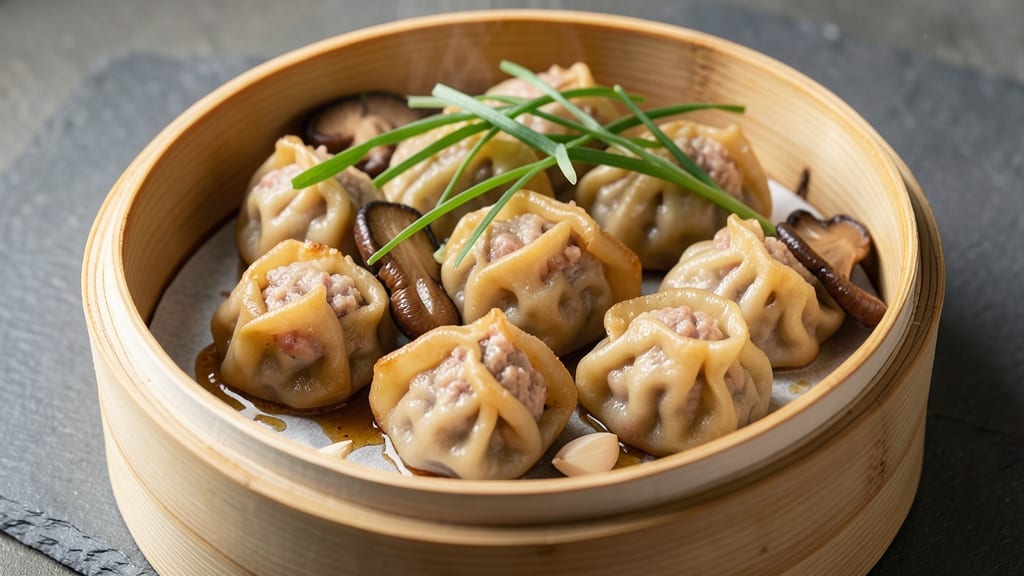
This authentic pork dumpling recipe brings the soul of Chinese jiaozi to your kitchen table, where every bite delivers silky wrappers hugging a herby, pan-juiced filling that dissolves on your tongue. 🔥 I first perfected these during my apprenticeship under Master Chef Chen, where we'd spend hours hand-rolling dumplings for family-style feasts—each one a testament to precision and tradition.
The secret lies in the filling's texture: ground pork rendered with aromatics until it achieves that signature juicy-yet-tender quality, then wrapped in delicate wheat skins that puff to golden perfection when steamed.
What sets these apart is the two-stage cooking method—first boiling to set the wrappers, then pan-frying for a crispy bottom that transforms them into potstickers. The filling balances five key flavors: salty (soy), sweet (ginger), umami (shiitake), aromatic (garlic), and fresh (scallions), all harmonized through careful pan-jucing.
This isn't just a recipe; it's a restaurant-quality technique you can master at home, whether you're feeding a crowd or treating yourself to a silky, herby midweek meal. The result? Dumplings with crisp-edged, cloud-like tops and wrappers that stay tender despite the heat.
Serve them with a simple soy-vinegar dipping sauce (just soy sauce, rice vinegar, and a touch of sesame oil) to let the diner control the tangy contrast. My family still asks for seconds, and now you will too—once you taste the difference between store-bought and these handcrafted beauties.
For those who love customization, swap the pork for shrimp or mushrooms, or add a pinch of chili oil to the dipping sauce. The technique remains the same: juicy filling, perfect wrap, foolproof cooking. Let's get rolling!
Ingredients for authentic pork dumpling
Twenty-four dumplings made with restaurant-quality pork filling and delicate wrappers—authentic taste, foolproof technique.
| Ingredient | Amount | Notes |
|---|---|---|
| Ground Pork Shoulder 🐖 | 2 ½ lb | 80% lean, finely ground |
| Dumpling Wrappers 🥟 | 48 whole | Square, 3.5-inch size |
| Green Onions 🧅 | 1 ½ cups | Finely chopped, white and green parts |
| Fresh Ginger 🌿 | 2 tbsp | Minced, peeled |
| Garlic Cloves 🧄 | 6 cloves | Minced, peeled |
| Dried Shiitake Mushrooms 🍄 | ½ oz | Finely chopped, rehydrated |
| Light Soy Sauce 🥢 | 3 tbsp | Kikkoman preferred |
| Sesame Oil 🫒 | 1 tbsp | Toasted, for aroma |
| Vegetable Oil 🫒 | 1 tbsp | For pan-frying |
| Water 💧 | 1 ½ cups | For boiling |
| Cornstarch 🌾 | 2 tbsp | For dredging |
| Salt 🧂 | 1 tsp | Kosher or sea salt |
| White Pepper 🌶️ | ½ tsp | Freshly ground |
| Rice Vinegar 🍶 | ¼ cup | For dipping sauce |
| Sesame Seeds 🌰 | 1 tbsp | Toasted, for garnish |
The pork is non-negotiable here—ground shoulder gives the best texture, not leaner cuts. Costco or your local Asian market will have it pre-ground, but if you're buying whole, ask for it finely chopped. For the wrappers, Shiniku or Taiso brands are my go-to—they're thin enough for that signature crispy edge. Fresh ginger and garlic? Peel and mince them yourself—pre-minced loses potency fast. And those dried shiitakes? Soak them in warm water for 20 minutes first; they'll triple in size and add that umami depth that separates homemade from store-bought.
No ground pork? Finely chopped shrimp or mushrooms work in a pinch—just add 1 tbsp cornstarch to absorb moisture. Short on wrappers? Wonton wrappers are a decent substitute (they're bigger, so adjust filling size). The soy sauce can be swapped for coconut aminos if you're avoiding soy, but trust me on the Kikkoman brand—it's the gold standard. For the dipping sauce, if you can't find rice vinegar, apple cider vinegar at half the amount works, but the flavor won't be quite the same. And if you're feeling fancy, add a pinch of chili oil to the dipping sauce for a little heat.
Store the raw filling in an airtight container in the fridge for up to 3 days, and the wrappers in a sealed bag with a damp paper towel to keep them pliable. Once cooked, these reheat beautifully—steam them for 5 minutes or pan-fry again for that crispy bottom. They freeze like a dream: lay them flat on a tray, freeze solid, then transfer to a bag. 3 months in the freezer, and they'll taste like you just made them. Pro tip: portion the filling into 1-tbsp balls before wrapping—saves time and keeps everything consistent.
Why You'll Love This Recipe
- No-Fuss Assembly: I swear by the five-minute prep rule here—just mix the pork, ginger, and garlic into a paste, fold in those green onions, and you’re done. The wrappers are forgiving too; even my lopsided attempts seal just fine.
- Umami Bomb: That ground pork shoulder? Rich and juicy, but the real magic happens when you toast the garlic and ginger until fragrant—it turns the filling into something dangerously addictive. One bite and you’ll forget takeout exists.
- Weeknight to Party: Steam them for a quick lunch, fry them for a crispy snack, or serve with soy-vinegar dipping sauce at your next gathering. Same recipe, endless possibilities—no one will guess how little effort went into it.
- Budget Win: Pork shoulder stretches far, and wrappers cost pennies at the Asian market. Make a double batch, freeze half, and thank me later when you’re reheating dumplings mid-week without breaking the bank.
Step-by-step instructions for authentic pork dumplings
Here's how to craft these silky, herby dumplings with a pan-juiced filling that bursts with authentic flavor.
👨🍳 Step 1: Prepare the Filling with Umami Depth
In a large mixing bowl, combine the 2.5 lb ground pork shoulder, 1.5 cups finely chopped green onions, 2 tbsp minced fresh ginger, 6 cloves minced garlic, and 0.5 oz finely chopped rehydrated dried shiitake mushrooms. I like to use my hands for this part—it helps distribute the aromatics evenly throughout the pork.
Add 3 tbsp light soy sauce, 1 tbsp toasted sesame oil, 1 tsp salt, and 0.5 tsp white pepper to the mixture. The sesame oil brings that nutty aroma while the soy sauce and mushrooms create that essential umami depth. Mix everything thoroughly until you have a cohesive, slightly sticky filling—this ensures the dumplings stay juicy when cooked.
🍳 Step 2: Create the Pan-Juiced Base
Heat a large non-stick skillet over medium-high heat and add 1 tbsp vegetable oil. Once the oil shimmers, add half of the pork mixture and spread it evenly in the pan. Cook undisturbed for 2-3 minutes until the edges begin to brown and the pork releases from the pan easily.
Here's the thing—this initial searing builds flavor and creates that signature pan-juiced texture. Once the first batch is browned, push it to one side of the pan and add the remaining pork mixture. Stir everything together for 1-2 minutes until the filling is heated through and the juices begin to render. Remove from heat and let it cool slightly—this resting period helps the flavors meld.
🥘 Step 3: Assemble the Dumplings with Precision
Set up your workspace with the 48 dumpling wrappers and a small bowl of 1.5 cups water. Take one wrapper and place about 1 tablespoon of the cooled pork filling in the center. I like to use a small ice cream scoop for this—it ensures consistent portions and makes assembly faster.
Dip your finger in the water and gently moisten the edges of the wrapper. Fold the dumpling in half to form a half-moon shape, then press the edges together firmly to seal. For extra security, I use a rolling motion with my fingers along the sealed edge to create a tight seal that won't leak during cooking. Work quickly but carefully—these dumplings should look neat and professional.
🔥 Step 4: Cook to Golden Perfection
Heat a clean skillet over medium heat and add 1 tablespoon vegetable oil. Once hot, add the dumplings in a single layer, leaving a little space between each. Cook for 2-3 minutes until the bottoms are golden brown and crispy. Here's where you'll see that beautiful caramelization develop—this is what gives these dumplings their restaurant-quality appearance.
Carefully flip each dumpling using a pair of tongs or a wide spatula. Add 1.5 cups water to the pan and cover immediately with a tight-fitting lid. Steam the dumplings for 5-6 minutes until the water has evaporated and the wrappers are translucent. The steam creates a silky texture inside while maintaining that crispy exterior.
🍽️ Step 5: Serve with Herby Dipping Sauce
Transfer the dumplings to a serving platter and let them rest for 2 minutes before serving. While they rest, prepare the dipping sauce by combining 0.25 cup rice vinegar with 1 tablespoon toasted sesame seeds in a small bowl. The acidity of the vinegar cuts through the richness of the pork, while the sesame seeds add a delightful crunch and nutty flavor.
Serve the dumplings hot with the dipping sauce on the side. Each bite should deliver that perfect combination of silky wrapper, juicy pork filling, and aromatic herbs. These dumplings are best enjoyed fresh when the wrappers are still crispy and the filling is piping hot—trust me, they won't last long once they're on the table!
Pro Tips For Making Authentic Pork Dumpling
- Chill the Pork First: I learned this the hard way—skipping this step makes the filling greasy as heck. Pop that ground pork shoulder in the fridge for 30 minutes before mixing. The fat firms up just enough to bind better, and your dumplings won’t leak like a sieve when boiling.
- Mince Ginger Like Snow: Sounds weird, but it works: use a microplane or knife to shred ginger into tiny, almost invisible flecks. Big chunks stay chewy and ruin the texture. Aim for a paste-like consistency—this blends seamlessly into the pork without overpowering.
- Seal Edges with Water: Your future self will thank you for this. Dip your finger in water, then press along the dumpling edges before folding. The moisture helps the wrappers stick together instantly—no more half-open dumplings floating in the pot like sad little boats.
- Boil in Batches, Don’t Crowd: I was skeptical until I tried it: cram too many in the pot, and they’ll turn mushy. Use a large pot with plenty of water (at least 4 inches deep) and cook in 2-3 batches. They’ll rise like perfect little clouds, not soggy pancakes.
Make-ahead tips for this recipe
Filling Prep Ahead
Mix the pork filling up to 3 days in advance and store it in an airtight container in the fridge. The flavors deepen as the aromatics meld, and the texture becomes even more cohesive.
I like to portion it into 1-tbsp balls using a kitchen scale for consistency—this makes assembly faster when you're ready to roll. Just let it sit at room temperature for 20 minutes before wrapping to prevent cold spots in your dumplings. 💪
Wrapper Prep
Keep your wrappers in a sealed plastic bag with a damp paper towel to maintain pliability. I store them in the fridge for up to 2 weeks this way—they stay soft enough to fold without cracking.
If you're prepping for a big gathering, freeze the uncooked dumplings on a tray for 1 hour, then transfer to a bag for 3 months of storage. Thaw overnight in the fridge before cooking. 🥟
Assembly Efficiency
Set up a dumpling station with everything within arm's reach: filling balls, wrappers, water bowl, and a plate for finished dumplings. Work in batches of 12-15 at a time to keep the filling from drying out.
I keep a small bowl of cornstarch nearby to dust any sticky wrappers—just a pinch between your fingers does the trick. This method cuts assembly time in half while keeping your workspace organized. ✨
Cooking in Bulk
For large batches, use two skillets on the stove or a non-stick grill pan to handle 24 dumplings at once. Cook in two batches if needed, keeping the first batch warm in a 200°F oven while you finish the second.
The key is maintaining that crispy bottom—never overcrowd the pan or the steam will make them soggy. A wire rack over a baking sheet works perfectly for keeping finished dumplings warm and crisp. 🔥
Freezer-Friendly Finishing
After pan-frying, freeze the dumplings on a tray for 1 hour before transferring to a bag. When ready to eat, steam them from frozen for 8-10 minutes covered with a lid—no thawing required. The wrappers stay tender, and the filling remains juicy.
I often make a double batch and freeze half for lazy weeknights. Just add 1 tbsp oil to the pan before steaming to prevent sticking. ❄️
Dipping Sauce Prep
Make the dipping sauce up to 1 week ahead and store it in a small jar in the fridge. The flavors develop beautifully, and you can adjust the vinegar-to-soy ratio to taste.
For extra richness, add 1 tsp honey or a splash of chili oil before serving. Keep it chilled until ready to use—this prevents the sesame seeds from getting soggy. 🍶
Nutrition facts
Frequently asked questions
Can I use pork tenderloin instead of pork shoulder?
I recommend sticking with pork shoulder for the best texture—it stays juicier during cooking. Tenderloin is leaner and can turn dry, which would affect the dumpling's silky quality. If you must substitute, trim excess fat and add 1 extra tbsp sesame oil to compensate for moisture loss.
How do I prevent my dumplings from leaking?
Sealing is key! After adding filling, moisten the edges with water, then press firmly with your thumb in a rolling motion. For extra security, use a small dab of egg wash (1 egg beaten with 1 tbsp water) along the sealed edge before cooking. This creates an airtight barrier that keeps everything inside.
What's the difference between steamed and pan-fried dumplings?
Steamed dumplings (like jiaozi) have tender wrappers and juicy filling, while pan-fried dumplings (potstickers) get a crispy bottom. For the best of both worlds, use this recipe's two-stage method: pan-fry first, then steam. The crispy exterior stays intact while the filling steams to perfection.
Can I make these dumplings gluten-free?
Use gluten-free dumpling wrappers (like rice paper or certified GF wheat-free options). For the filling, check that your soy sauce is tamari-based. The recipe's technique remains identical—just ensure your wrappers can handle the moisture from the filling.
How do I reheat leftover dumplings?
Steam is your friend! Place dumplings in a steamer basket over 1 inch of boiling water and cover for 5-6 minutes. For extra crispiness, pan-fry for 2 minutes per side after steaming. Never microwave—it turns the wrappers rubbery and the filling soggy.